


Efthimios Zizos shows how aluminium composite panels can move beyond flat rainscreen logic. Forming methods, coatings, prototypes and lightweight assemblies allow complex geometry to be rationalised without giving up durability or architectural intent.
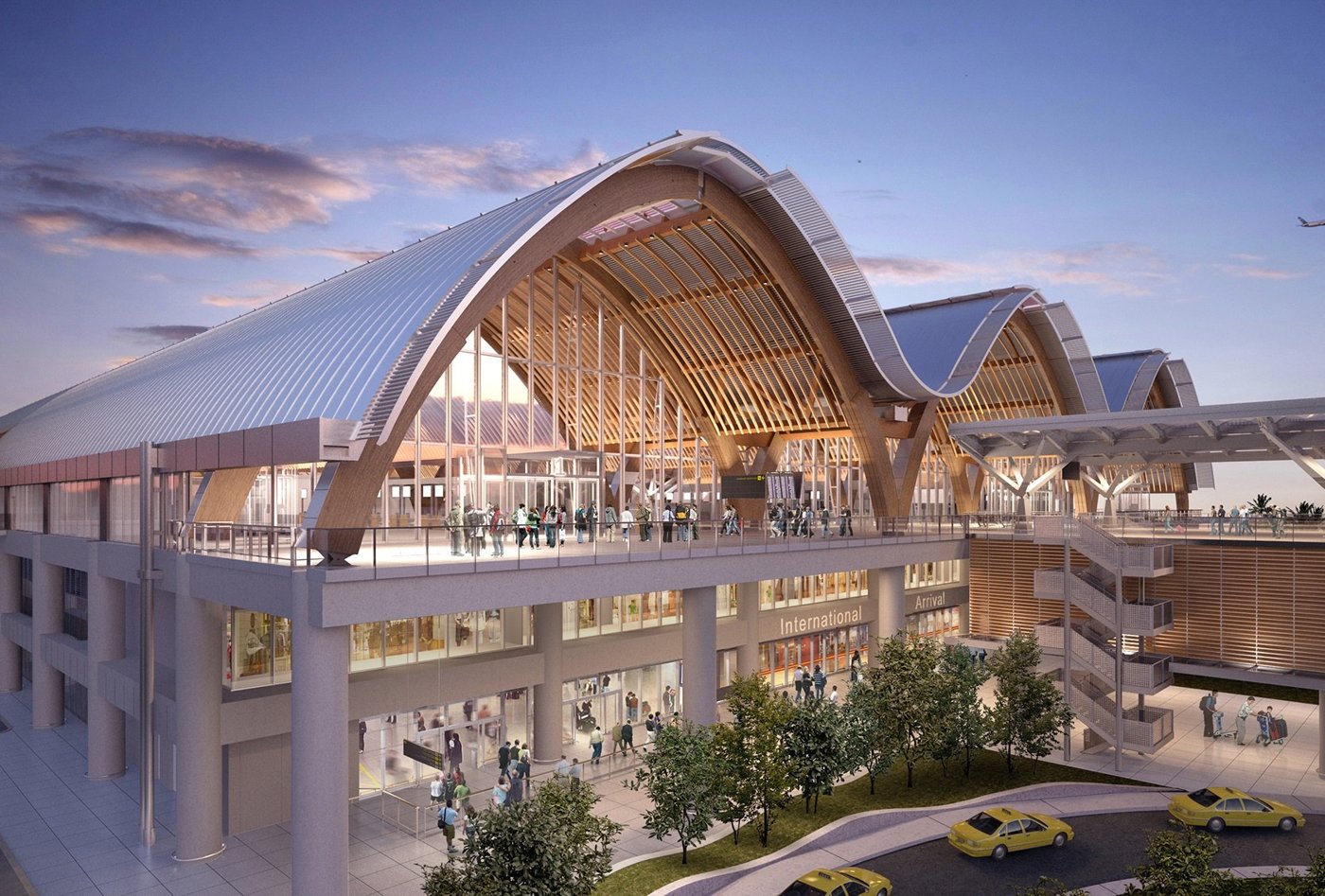
A complex façade does not always require a complex material. Efthimios Zizos argues that the more useful question is how a familiar sheet product can be formed, coated and assembled to follow an architectural idea without importing unnecessary weight or fabrication risk. His examples move from airport roofs to towers, footbridges and three-dimensional cassettes, showing ACP as a system of transformation rather than a flat finish.
Start with exposure, not appearance
The first projects make a simple point: external aluminium skins are environmental systems. Airport roofs in the Philippines and China operate under heat, humidity, pollution and large surface areas where local defects become expensive quickly. Coil coating, alloy selection and forming therefore need to be selected for the actual exposure, not only for colour. This becomes especially important on standing-seam roofs and large metal envelopes. A finish has to tolerate forming, installation and long-term weathering without losing adhesion or consistency. The architectural freedom of a metal skin depends on the reliability of the industrial process behind it.
Change the material route, keep the form
One of the clearest examples is Riviera Tower, where a geometry initially conceived with a heavier cladding route was re-evaluated against project location and delivery constraints. The design team explored an ACP solution capable of maintaining the intended expression with a lighter assembly.
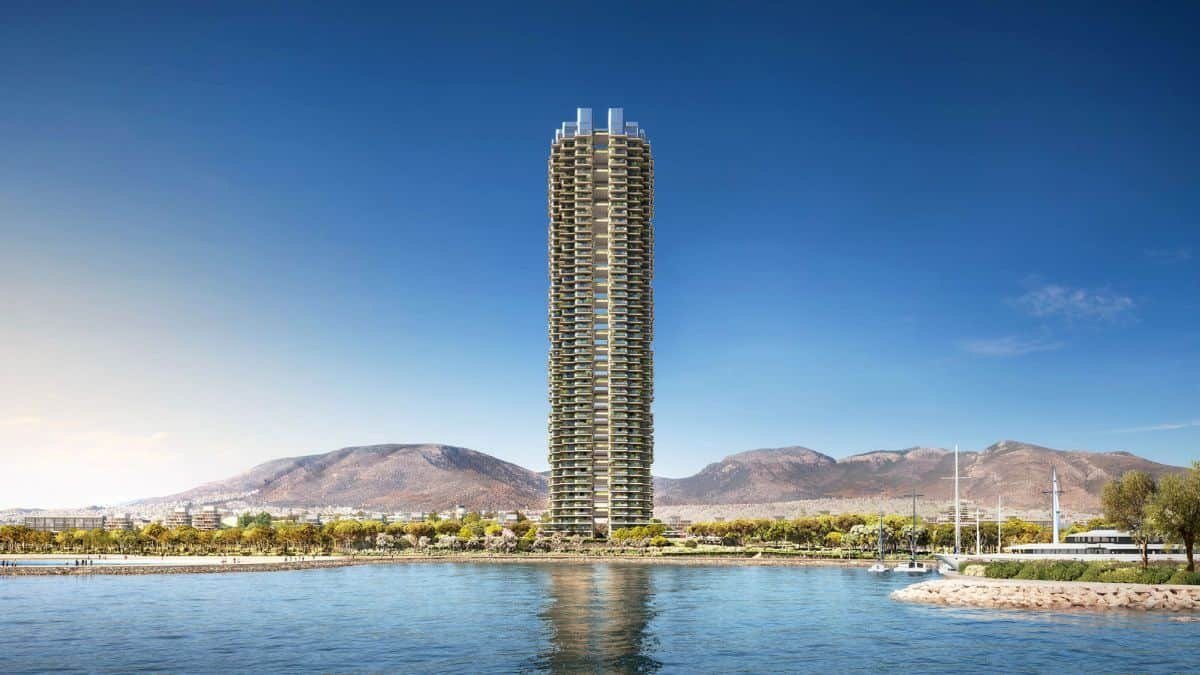
Value engineering, in this reading, does not mean stripping complexity from the architecture. It means identifying which aspects are essential, silhouette, depth, rhythm, reflectance, and finding a material system that delivers those qualities more efficiently.
Curvature can be produced several ways
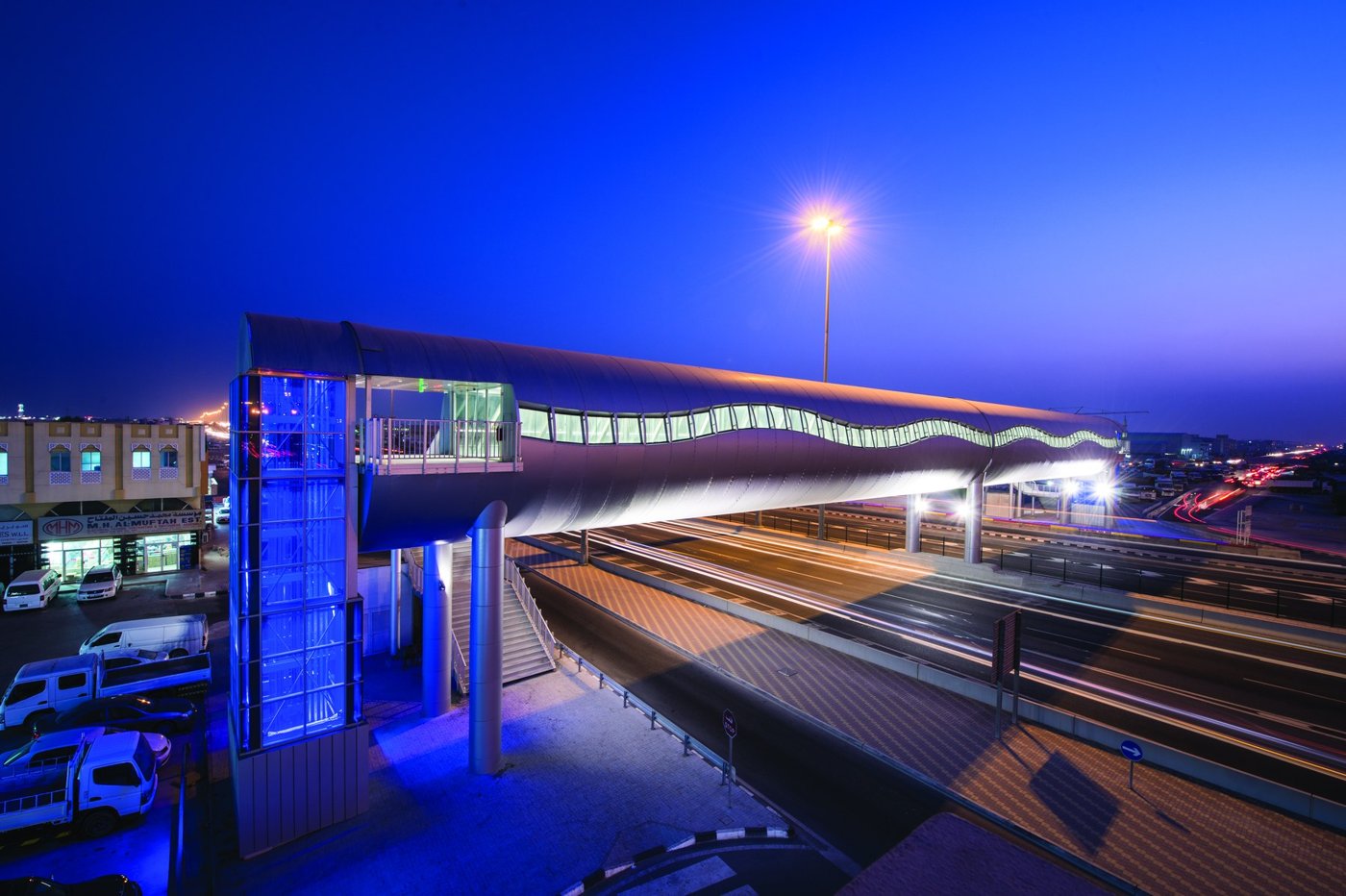
Zizos moves through folded panels, segmented surfaces, standing seams and formed cassettes. A curved visual effect can come from genuinely curved pieces, from a sequence of planar facets, or from profiles that gradually change orientation. Each route changes tooling, tolerances, joints and cost.
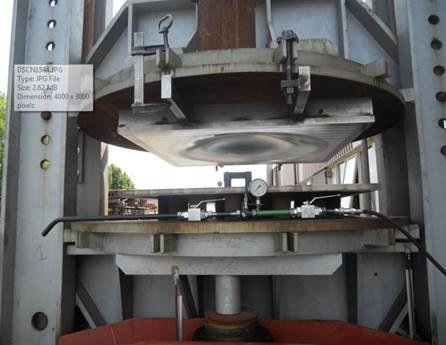
Hydroforming is another route. Rather than cutting and folding a sheet into a faceted box, pressure gradually pushes the panel into a three-dimensional mould. The process can create deep, smooth deformation while preserving a pre-finished surface.
Prototype the difficult part first
The more distinctive the form, the more important it is to move quickly from digital geometry to a physical sample. Prototypes reveal corner behaviour, spring-back, attachment positions and the visual effect of joints in a way that a surface model cannot.
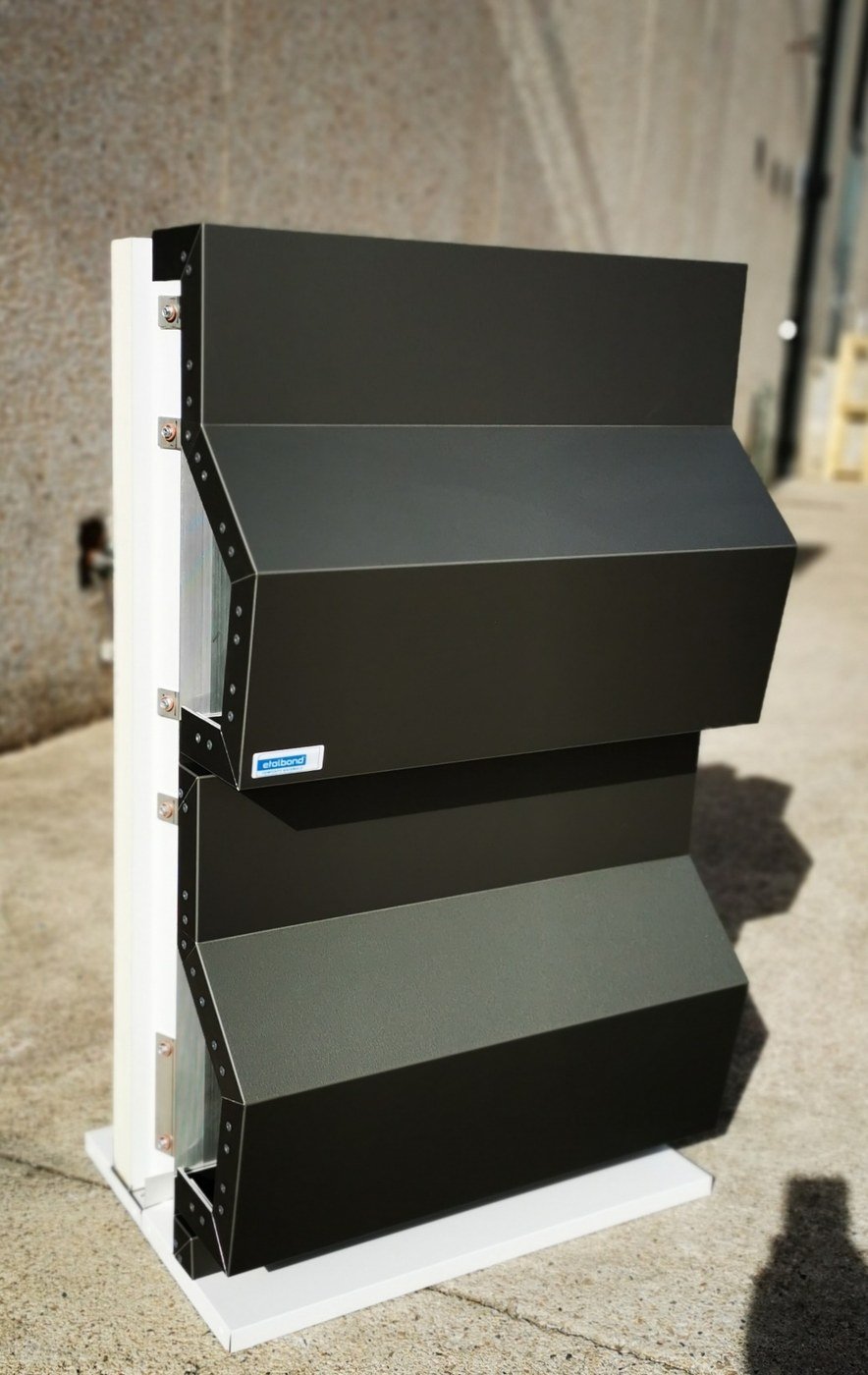
Zizos’s broader argument is that material innovation often comes from process rather than invention. Aluminium can remain aluminium; what changes is how it is coated, deformed, supported and repeated. When those decisions are made together, complex architecture becomes less dependent on bespoke craftsmanship and more compatible with controlled industrial production.