


Michael Zhang made the case for a structural silicone that lets the bond line get narrower, then spent most of his argument on the evidence: a fatigue test, three years on an exposure rack, and a joint cut out of an eighteen-year-old façade.
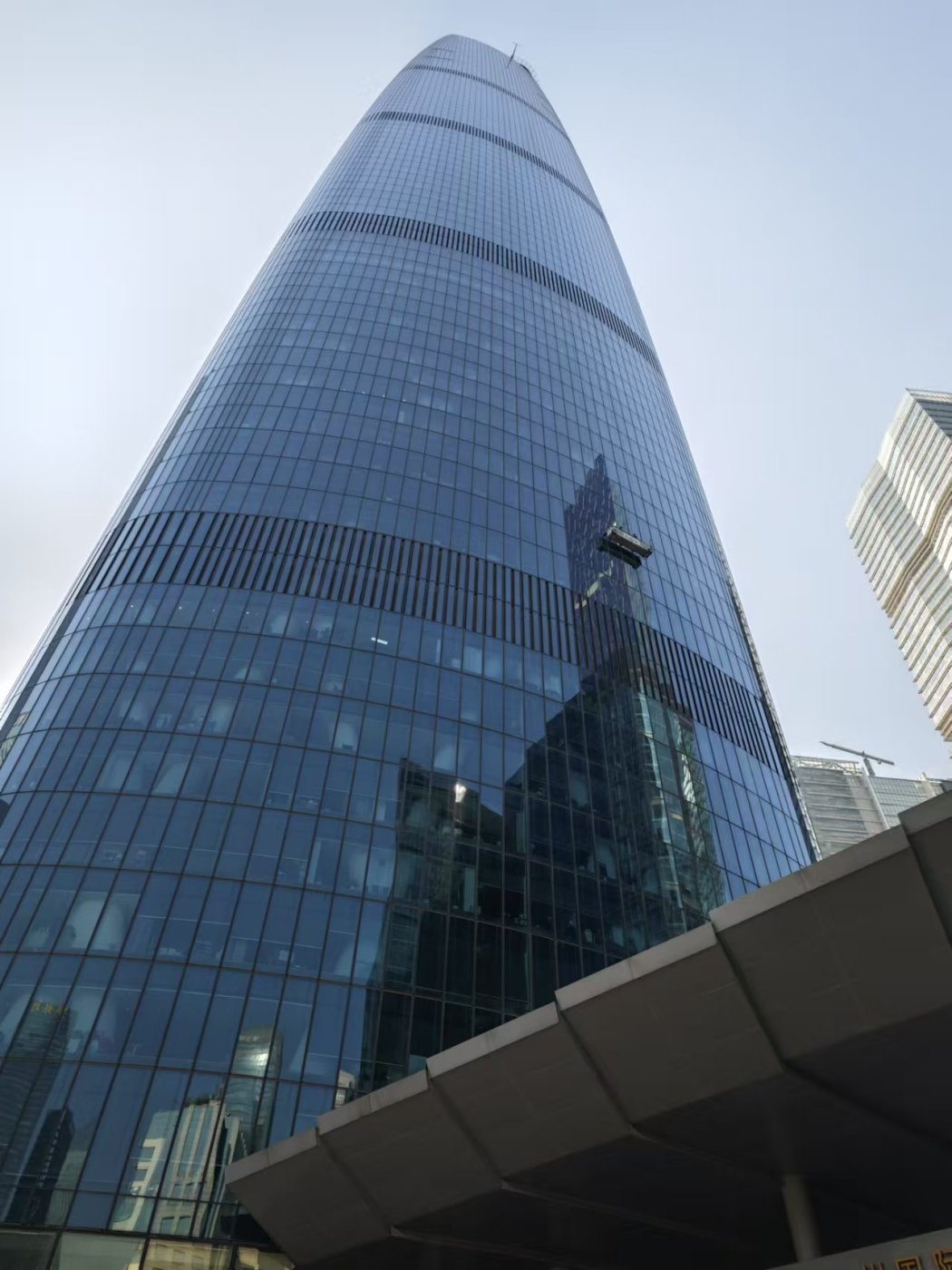

Zhang organised the whole argument as a challenge, a solution and a proof, and set out three pressures on structural silicone before he named a product. Higher performance, on his account, is not simply about strength; it is about design freedom, safety confidence and long-term reliability. Buildings are getting taller, glass panels are getting larger and façade systems are getting more complex, all of which means higher loads on the joint. The first consequence is aesthetic: more load means a wider bond width, and wider joints make a façade look heavier and reduce transparency, as well as changing the stress distribution and the fabrication. The second is regional, and he was specific about it, because a façade here has to withstand high temperature, high humidity and frequent typhoons. The third is that replacing structural silicone after construction is difficult, costly and disruptive, while owners are increasingly looking at life cycle cost.
A third off the bond width
His answer was SS922, developed in 2004 and carrying more than twenty years of application behind it. The claim is that a higher design value can be taken under applicable conditions, which reduces the bond width by up to a third and buys back the cleaner lines and the lighter-looking façade the wider joint had cost. He then asked the question a specifier would ask next, which is whether the design value can go up without reliability coming down.
The fatigue numbers are how he answered it. Research from 1998 established the trend that as load increases fatigue life falls, and put a conventional structural sealant at 276 kilopascals at around fifty thousand cycles. In 2020, under the same condition, SS922 reached more than three million, which is the shape of the claim he was making: higher design capability without reliability being traded away for it.
Ageing first, then the same test
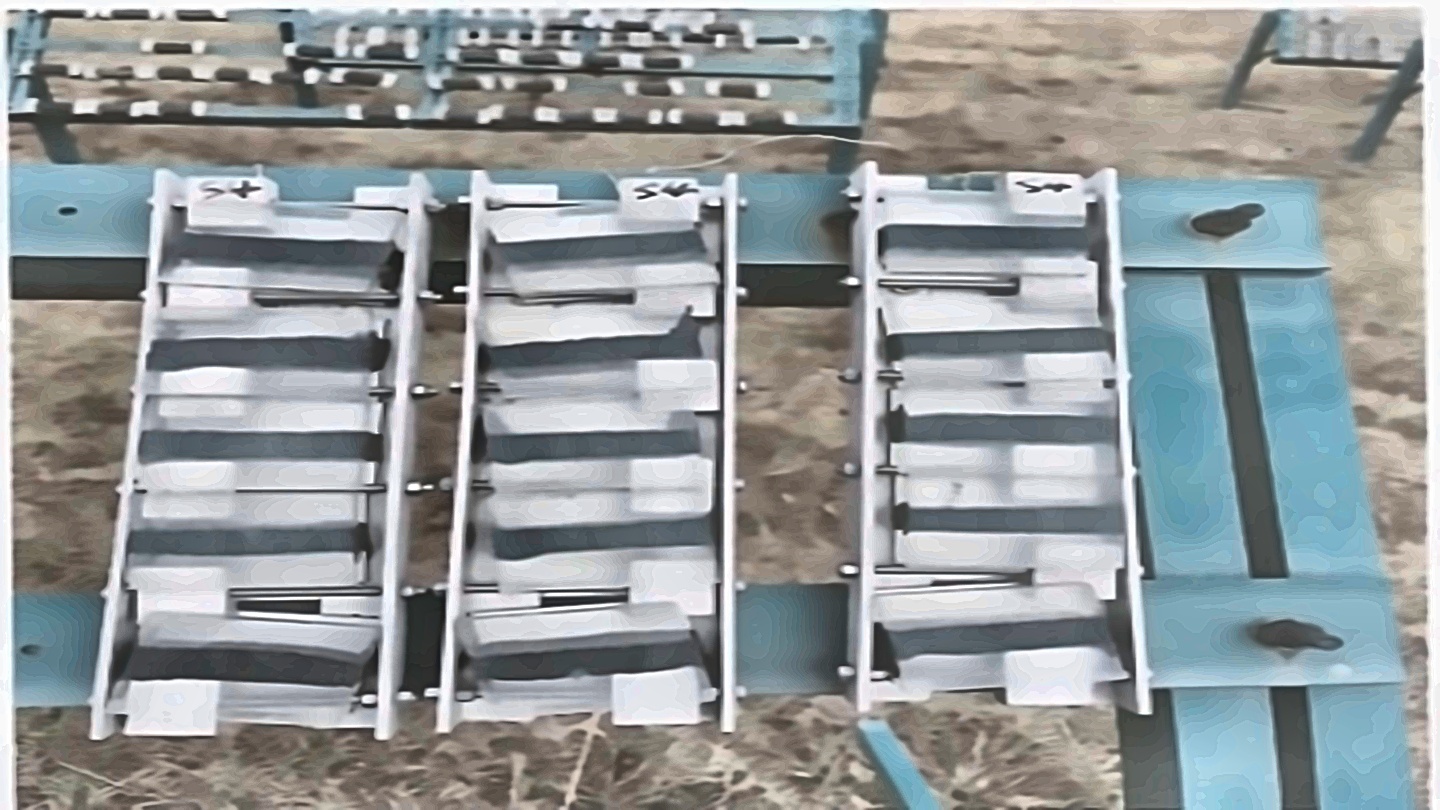
One test proves one thing, so the durability argument was built in layers. Specimens went through three years of natural exposure in Guangzhou and kept their mechanical performance. They were then put through three million cycles at the same load with no failure, and tested afterwards for tensile strength, which still came out above 1.5 megapascals. The point he drew from it is that high performance survives environmental ageing, not just a fresh laboratory specimen.
What eighteen years looks like
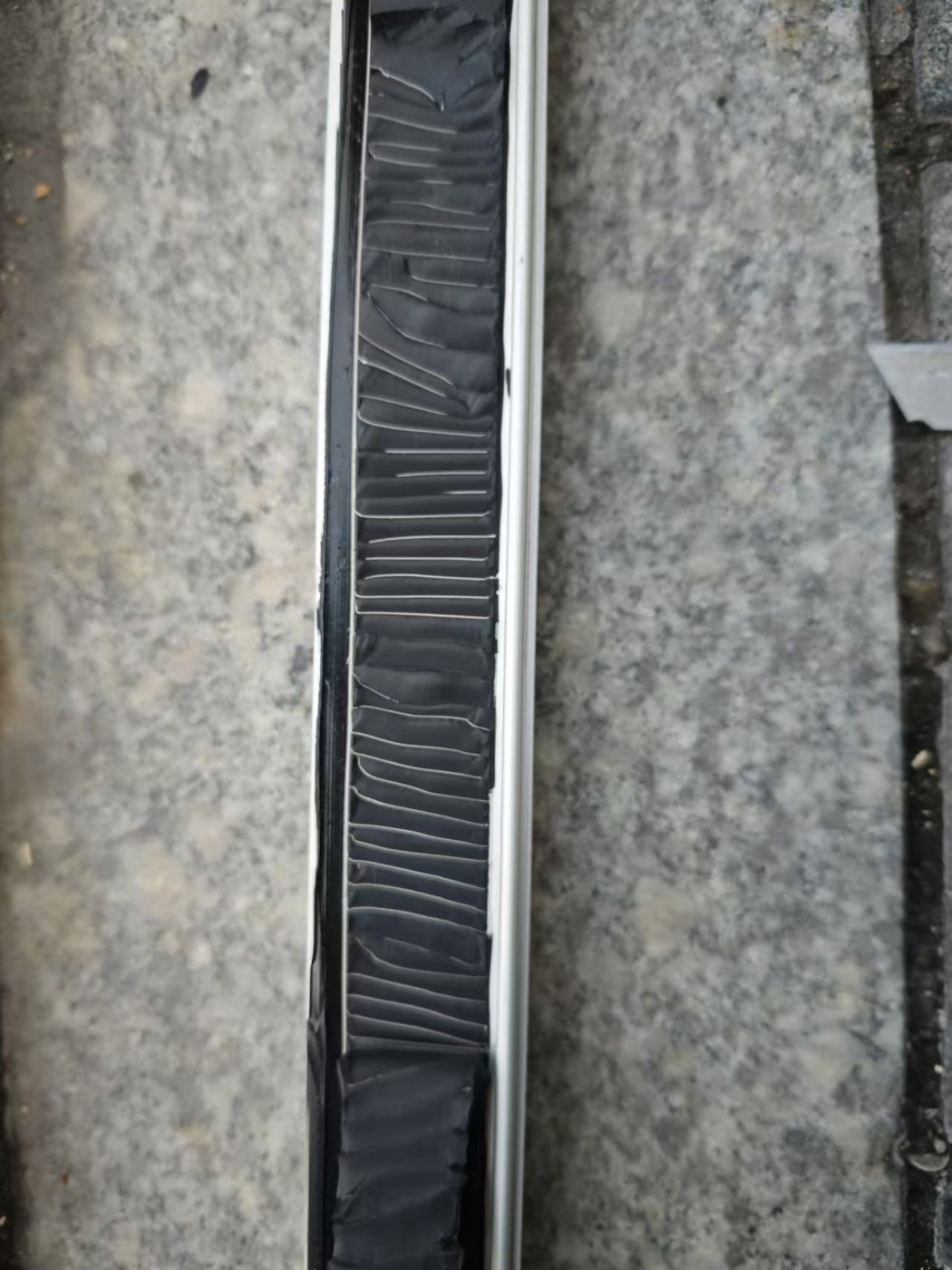
A laboratory test is not the final test, though. Time is the real test, and his evidence for that is a 440 metre tower in Guangzhou completed in 2008. After eighteen years in service the sealant was inspected and tested in place. Tensile strength remained above 1.5 megapascals, the elasticity was good, and there was no significant loss of performance.

The product has reached Philippine projects as well, including applications taking the higher design values. His closing caveat was the one that matters on site. If it is not properly designed, tested and installed, even the best sealant cannot perform as it should, which is why the company treats support through the process as part of the job rather than an extra. Good material is only the beginning and using it correctly is equally important. Higher strength, as he put it, is not the destination.