


Victor J Yakin walked sixty years of structural silicone to a design strength of 30 psi, a third less bite for the same resistance, and a demonstration in which three sides of a four-sided glazed panel were cut away.

Structural silicone is sixty years old. Yakin dated the first acetoxy formulations to the 1960s, glass set against mullions and butt glazed, and the first structural silicone glazed structures to the 1970s. He offered the Art Institute of Chicago as the evidence that it lasts: still there 51 years later with the silicone intact, while three blocks away an 83-storey tower has been weather sealed four times with non-silicone sealants.
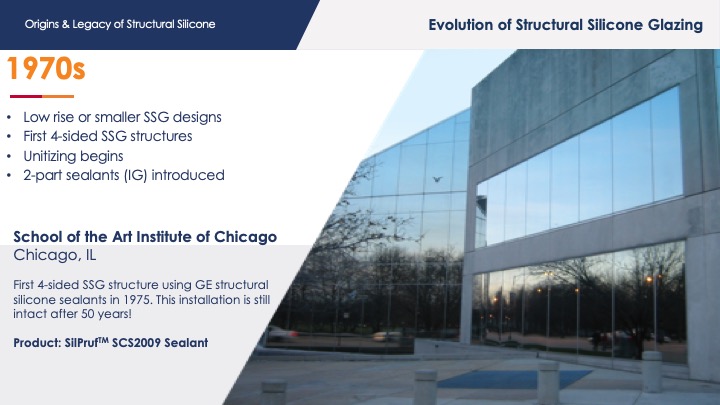
What follows is a story about load. Four-sided structural glazing went high-rise in the 1980s, alongside the neutral cure products that replaced acetoxy. The 1990s brought other materials into the curtain wall, metal, stone and composite panels. The 2000s brought supertalls and with them safety and blast requirements. Through the 2010s both height and glass size kept rising, and because design wind pressure is a function of glass size as well as wind, the formulations had to improve to keep up. The three towers Yakin offered as current examples share that common denominator: Central Park Tower, the tallest residential structure in the world; the Rise Tower in Monterrey, which will be the tallest in Latin America; and a Toronto tower that will be the tallest in Canada once it is complete. Closer by, the Waterline in Austin carries glass and metal panels on the same system.
What the suction is trying to do
On a supertall with large glass, Yakin said, the suction loads are trying to do two things: pull the outer lite off the inner lite and disassemble the insulating unit, or take the whole unit off the frame. Resisting that is the work the silicone has to do.
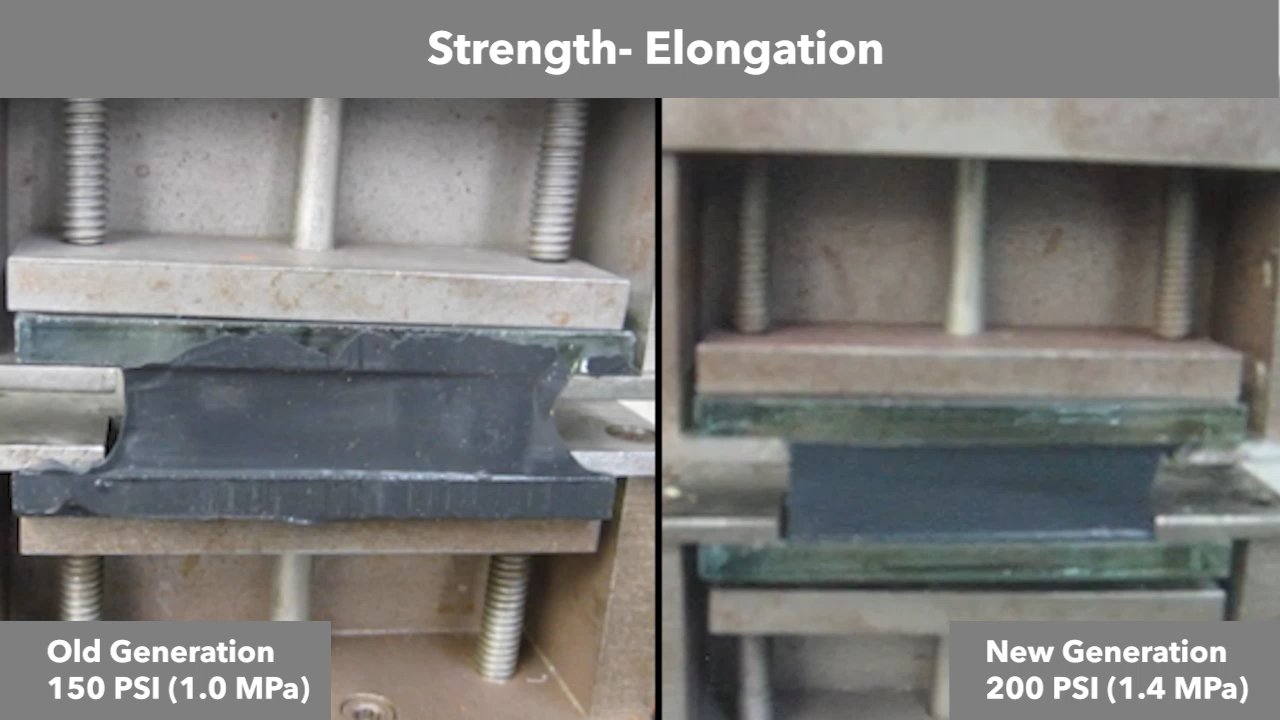
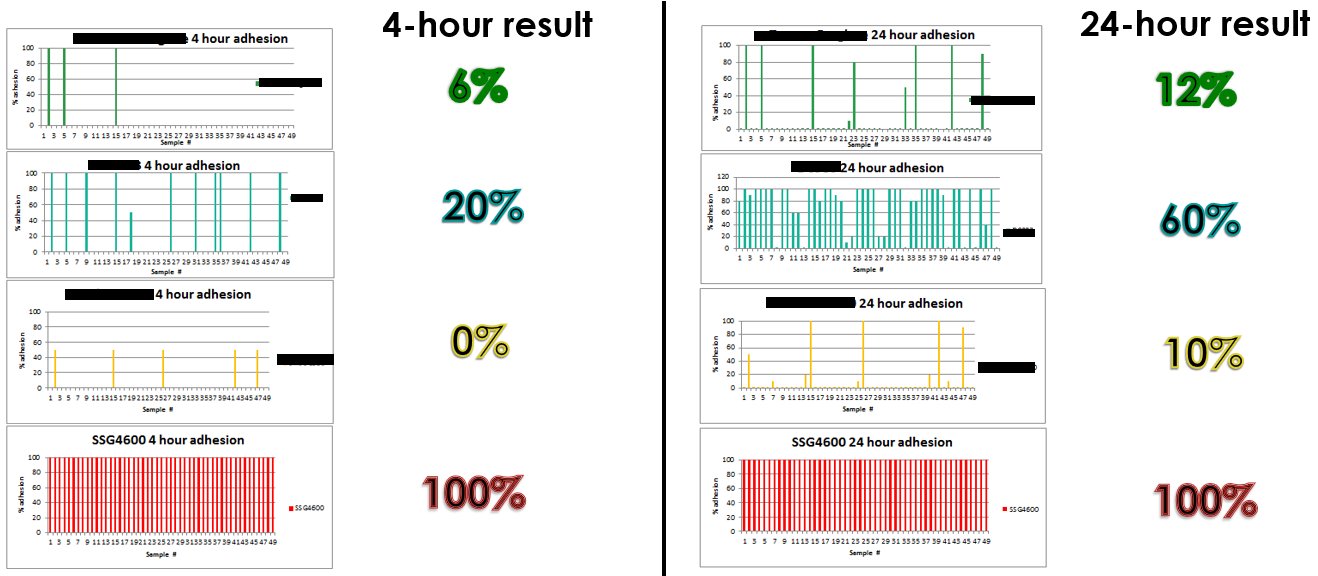
The headline change in the latest generation is design strength. Structural silicone has been designed at 20 pounds per square inch for most of its history; the latest generation is designed at 30, which translates to roughly one third less bite, or contact width, for the same resistance. An ASTM committee determined that the higher figure is allowable for certain products on certain projects, which Yakin said changed the industry for exactly those tall buildings carrying the highest wind loads. Improved elasticity and tear resistance come with it, and adhesion good enough that the vast majority of substrates, painted or anodised, no longer need a primer.
Cutting three sides off
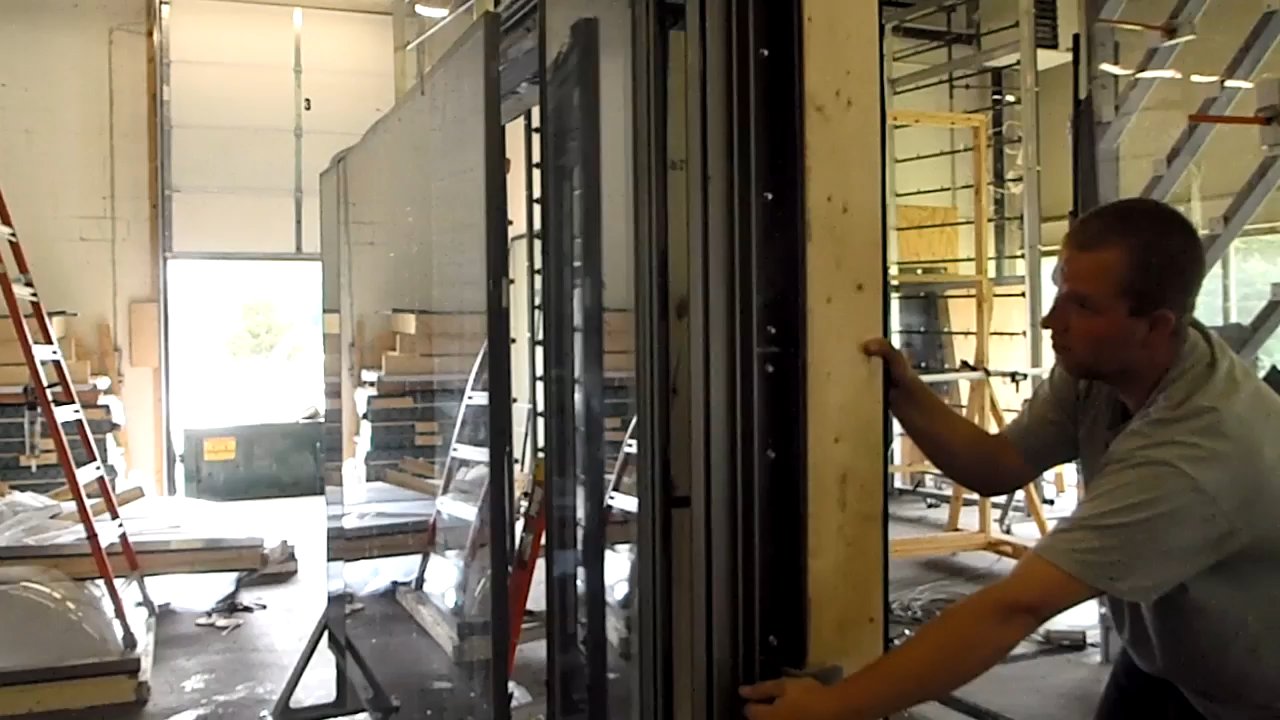
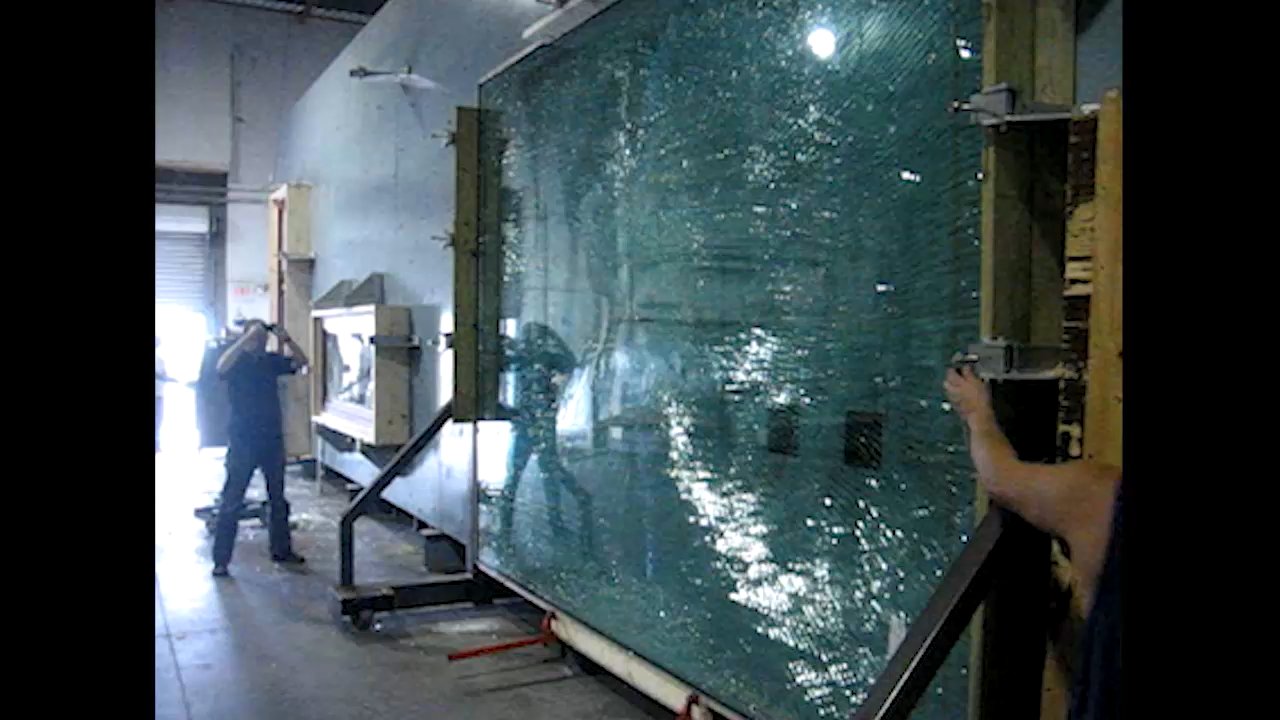
The demonstration was deliberately unreasonable. The technical director cut three sides off a four-sided structurally glazed panel, leaving it attached along one jamb only, and it swung on that remaining joint without failing. Yakin was clear that this is not a design condition, only proof of what the material will tolerate if it has to. Blast was the other claim: with proper testing and calculation, the latest generation can be applied safely on significant blast projects, and in one series of tests the pressures exceeded what the first laboratory could produce, so the work moved to a second one. Glass failed well above the wind pressure a normal project might see, which Yakin put at something like 60 pounds per square foot.
What falls out of it divides by who is holding the drawing. For design, higher strength and movement capability, and narrower mullions with better sight lines because a third less silicone is needed. For the fabricator and the installer, primerless adhesion. For service and operation, a weather seal that does not break down, with reduced metal, non-combustibility and low VOCs alongside it.