

Nozim Akhmedov argued that national character in architecture lies not in ornament but in the principles of climate, place and culture that produced it, and set out a method for turning a historical element into a module and a façade system.
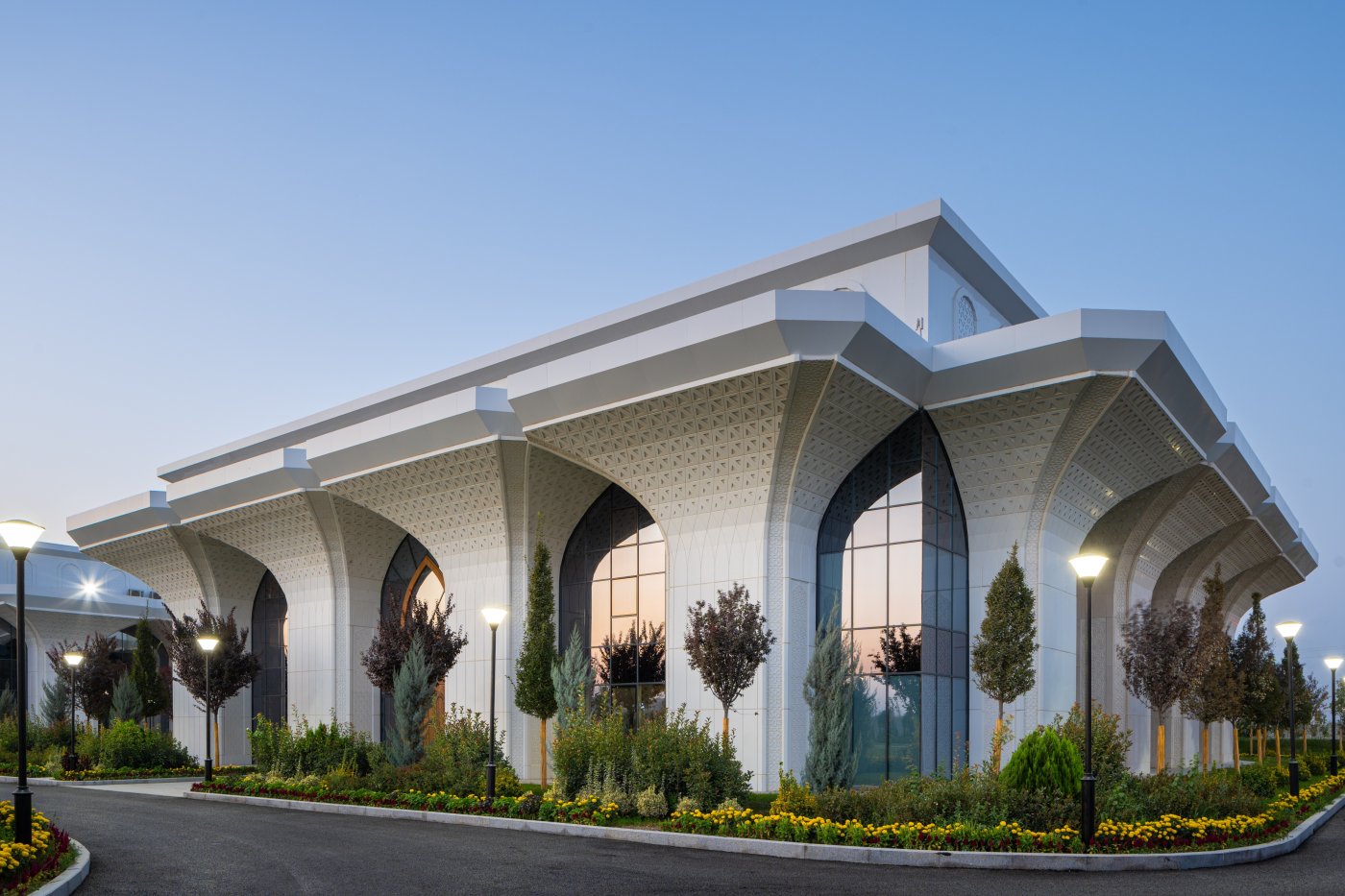
Ask what makes a building look national and the usual answer is its pattern or its material. Akhmedov argued that neither is enough. For him national character is not decoration applied on top but architecture's own language, and historical forms did not appear by chance: climate created shade, a way of life created the inner courtyard, local materials set the construction and its texture, and culture decided how space would work. Form is the result, not the cause. What should be inherited, then, is the principle that produced it. The essence of the ayvan, the traditional covered veranda, lies in its shade rather than its look, and that of the courtyard in its microclimate and social space. A pattern's strength lies in its rhythm, and rhythm's in proportion.
When an element becomes decoration
The trouble starts, Akhmedov said, when the reason an element appeared is forgotten and only its outward look is copied. The line between reinterpreting heritage and presenting a historical form as decor is a fine one and rarely felt, and an element that loses its meaning becomes decoration. Nor does he see tradition and modernism as rivals, one standing for distinctiveness and the other for universality; ten of Uzbekistan's modernist buildings, he noted, have now been entered on a UNESCO list. Since independence the search for identity has moved from a return to history, through historical forms used as features, to reinterpreting their principles, leaving one period with several architectural languages. If a building in Tashkent could stand as well in Dubai, Singapore or London, he asked, what should Tashkent's architecture be?
From code to façade system
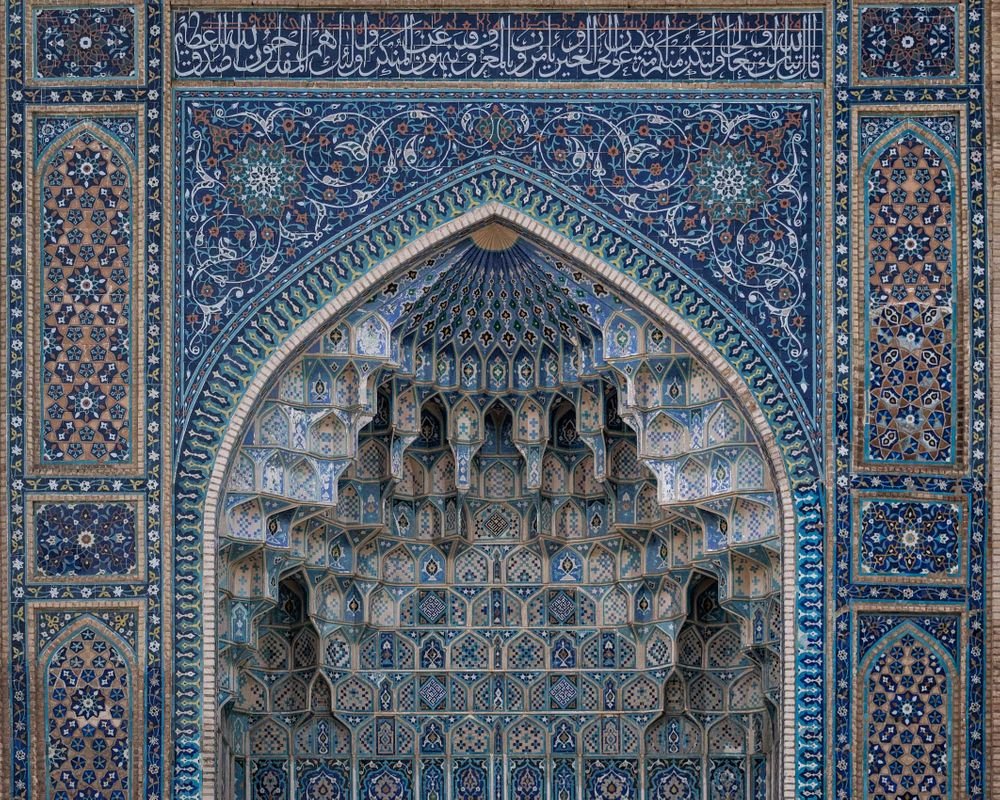
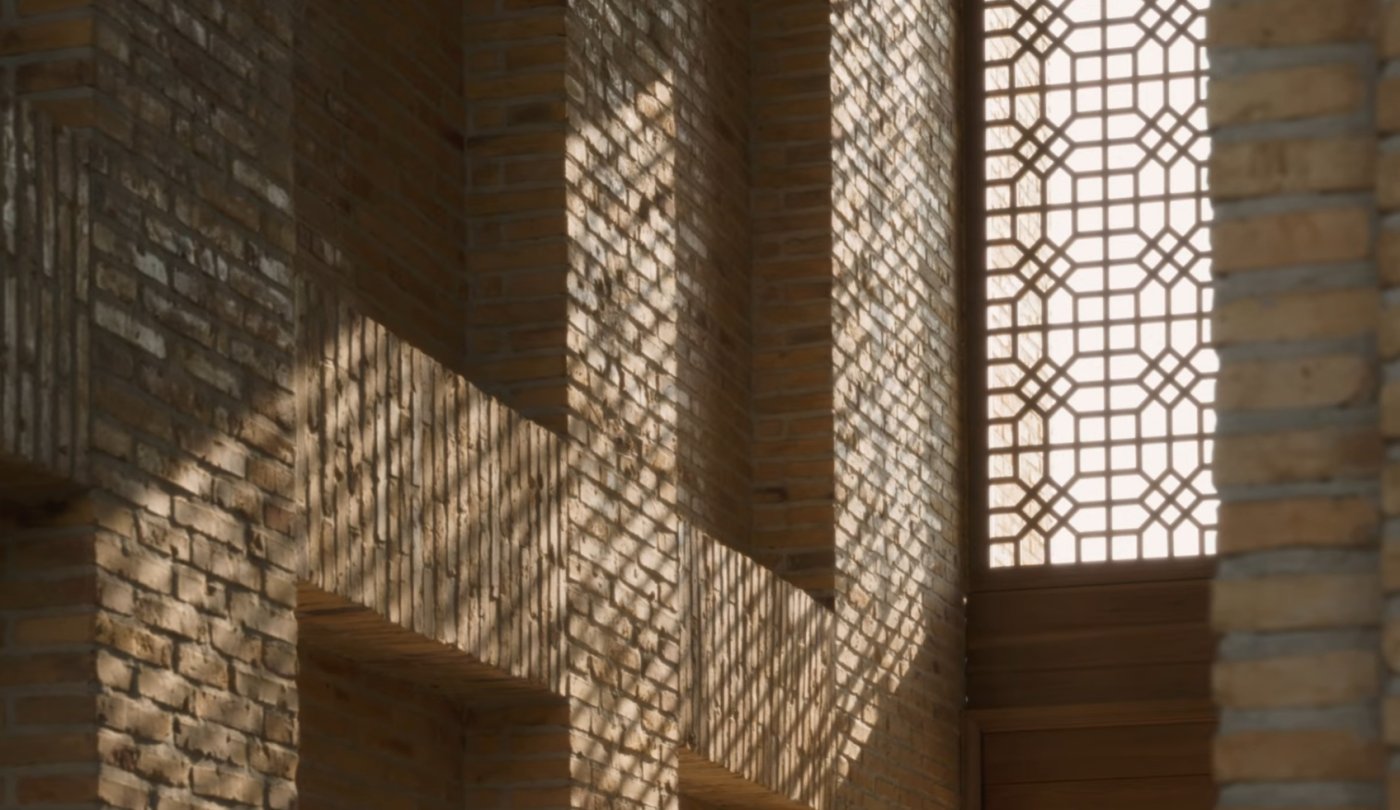
His answer is a method. A historical element is not copied; its code is understood first, with the ravoq, the arched portal, as his example. The code yields a geometry, the geometry becomes a module and the module a façade system, so that the past is continued by its own logic rather than repeated. A pattern follows the same route: instead of being applied as ornament, it becomes a module and, repeated, a new façade screen, at which point it is no longer an element of the façade but the façade itself. Shade follows, and with it, he said, something very interesting happens: the pattern may not always be seen, but the shade it creates can be felt. The national code need not be visible to be present.
Shade matters so much because one of architecture's oldest authors is climate. The sun, the heat and the need for shade shaped historical Tashkent; if climate shaped the city then, Akhmedov asked, how will it shape it in future? A new city is not only buildings but a unique chance to form a new architectural language, and the choice is between repeating old forms and continuing their principles. In an administrative building his practice designed for New Tashkent, the ravoq that historically served as the portal is reinterpreted as a glazed façade system rather than in ornament or ceramics. New Tashkent's strength, he argued, lies not in resembling the old city but in carrying its strongest principle into contemporary conditions.
National without ornament
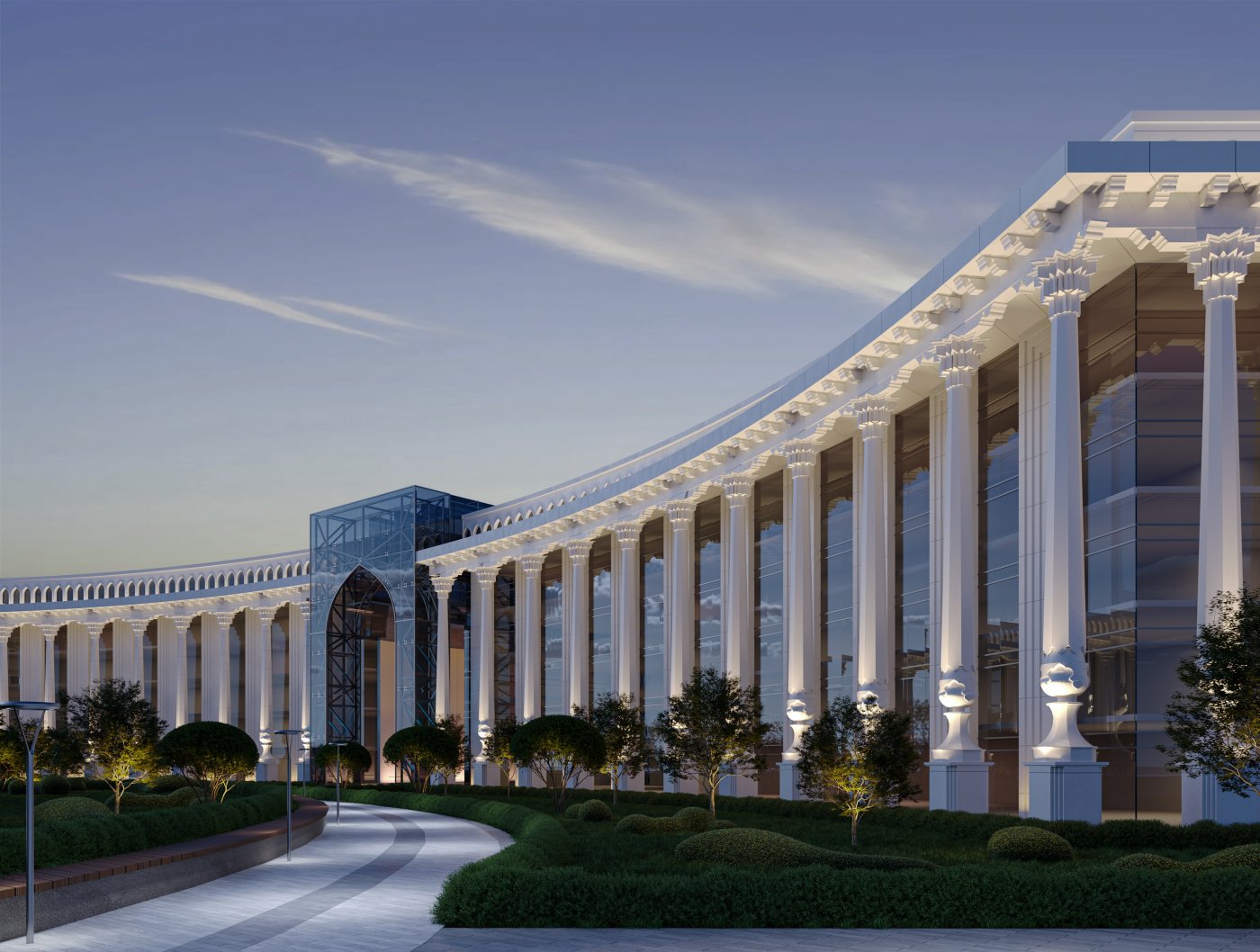
Remove the pattern and the ravoq and leave out the dome altogether: does national character survive? Akhmedov believes it does, as long as the shade, proportion and rhythm of a place and its relationship to space and climate remain. National character does not have to be displayed; it can be recognised simply by being felt. A youth centre his practice proposed for New Tashkent keeps the principle of traditional architecture in a building that gives shade and responds to the climate. In future, he expects, the ravoq, patterns and ornament may hardly be used at all. What counts is the principle: the form changes, but its DNA is kept.
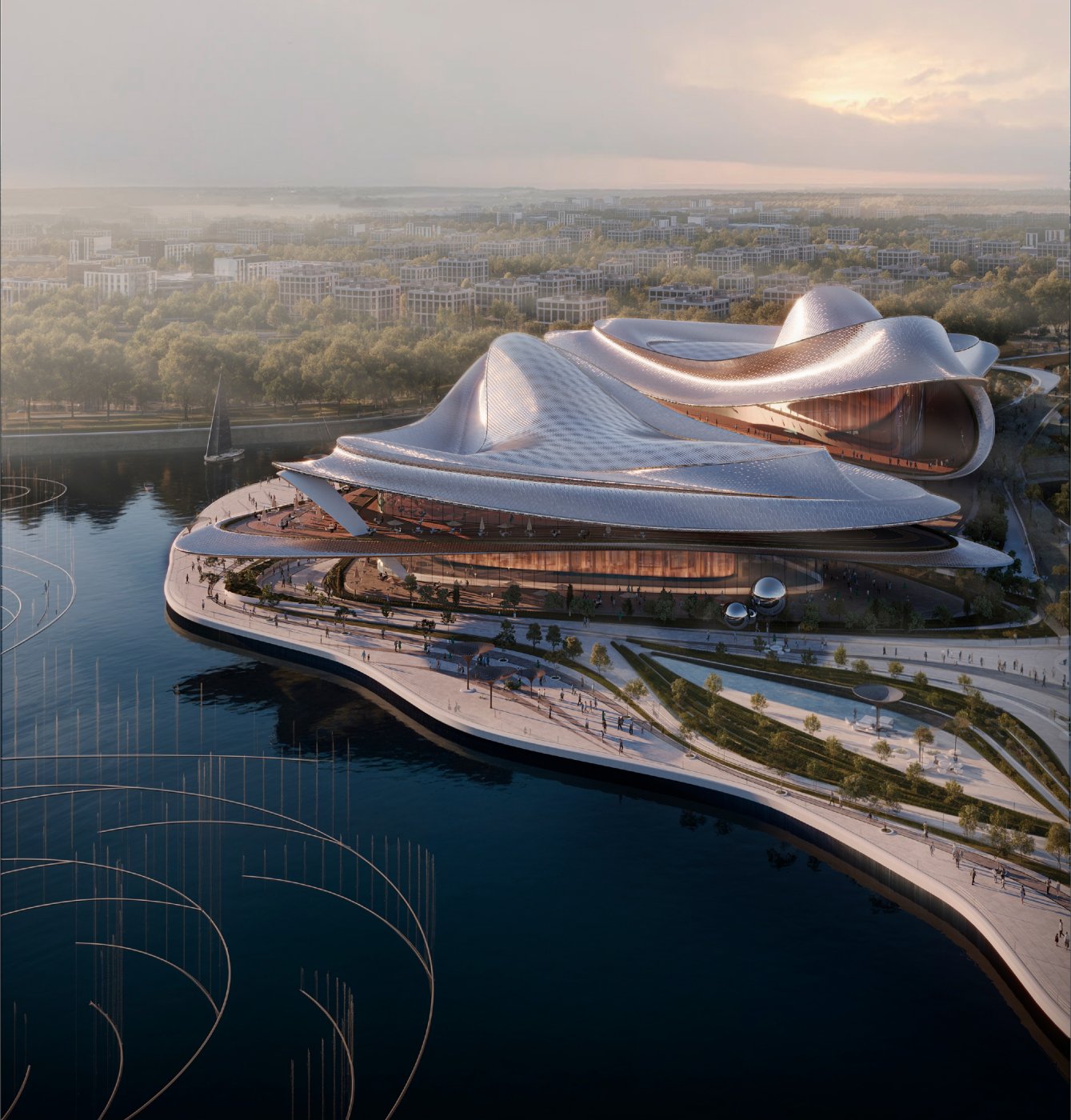
His position, he said, is simple: not copying, not rejection, but reinterpretation. He wants neither to repeat the past exactly nor to abandon it, but to continue it logically in the language of its own time, and to create architecture that belongs to its place rather than architecture that looks national. Asked how far historical motifs complicate the design of a contemporary façade, he said that historical national elements make new projects very difficult, which is why he takes the principle instead. Heritage is usually discussed as something left by the past, but an architect, he added, should also ask what heritage is being created now, because the architecture called contemporary now may become history tomorrow.