


Eneko Igartua set out how an ultracompact stone is made, crushing and blending minerals, pressing them at 25,000 tonnes and sintering them above 2,000 degrees Fahrenheit, so that a process nature takes millennia over finishes in a couple of hours.
Ultracompact stone, also called sintered stone, is a mixture of inorganic minerals processed under intense heat and pressure. Igartua was explicit that the process is a deliberate imitation: marble and granite also form under heat and pressure, and the factory reproduces that. The difference is the clock. Nature takes thousands of years; the plant takes a couple of hours. There are no resins and no chemicals in the mix, which is why Igartua could claim the properties he did without qualifying them by binder content.
Crush, press, sinter
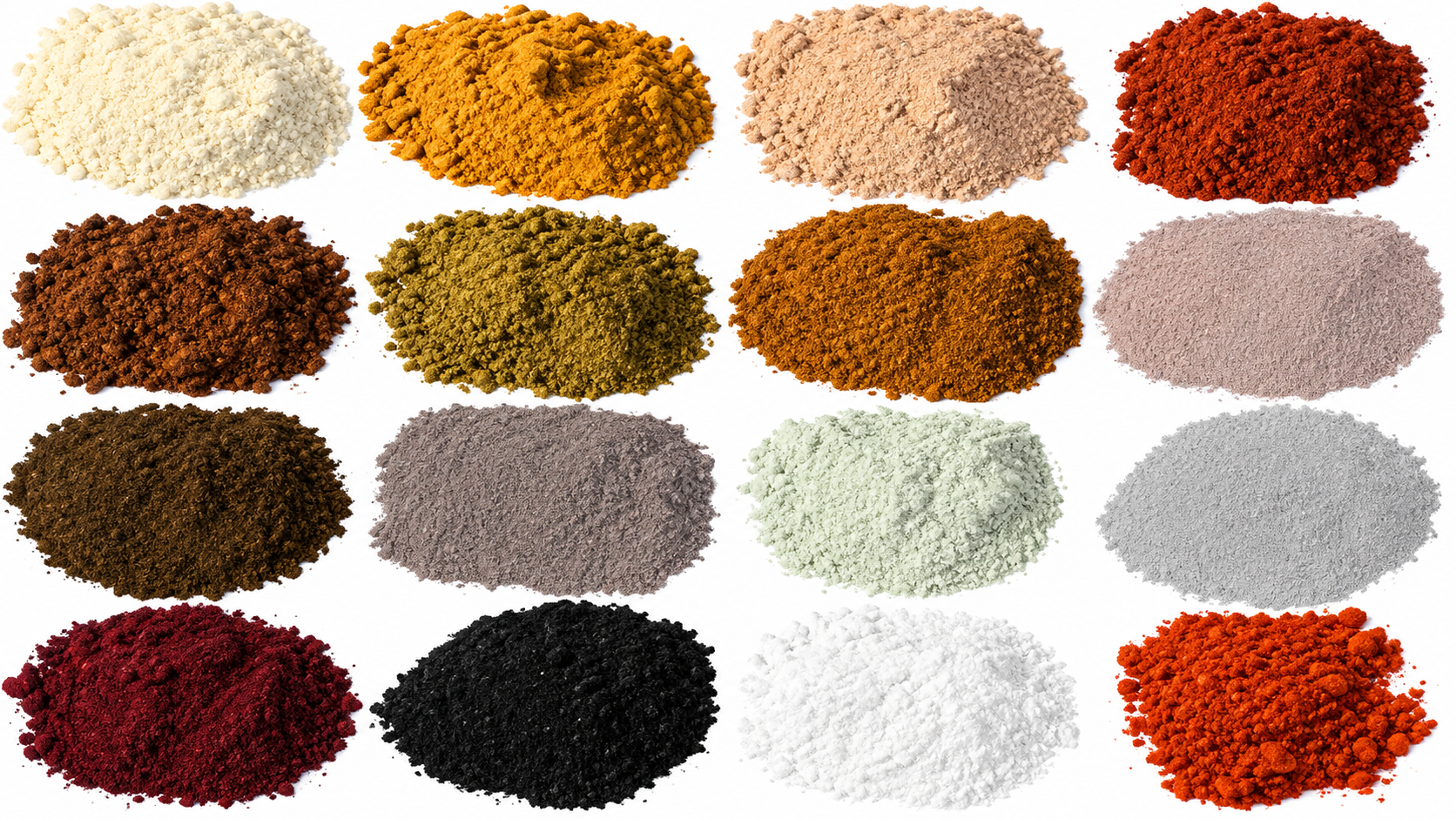
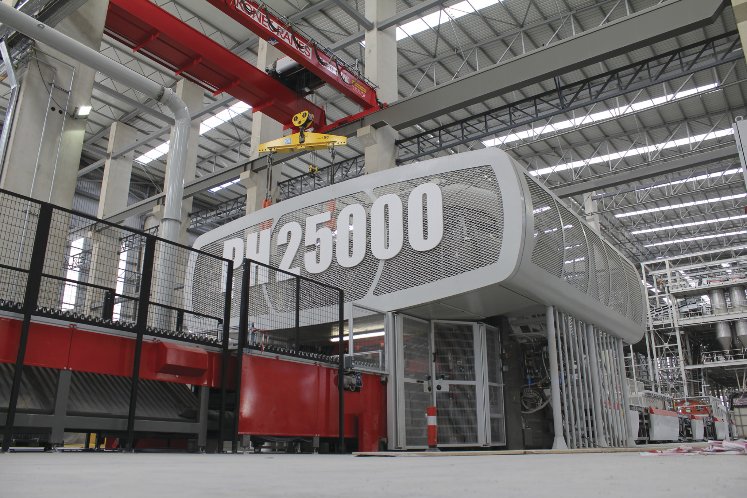
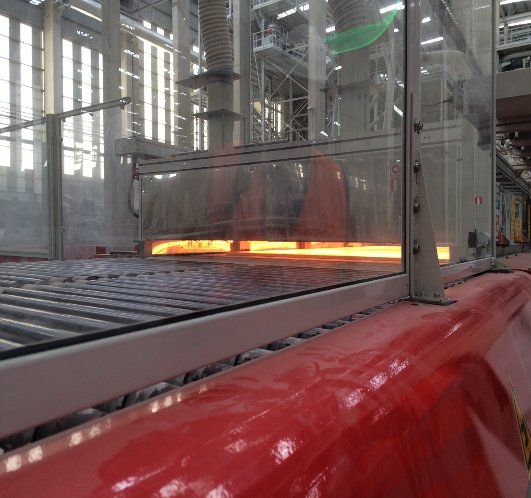
The sequence has three steps. The minerals are crushed and blended, with the selection depending on the colour being produced, and a little humidity is added so the slab can be shaped. The slab, roughly five feet by ten, is then pressed at 25,000 tonnes on one of the largest presses in Europe. From there it goes into a long oven where the temperature rises above 2,000 degrees Fahrenheit and sintering takes place, with the minerals blending at a molecular level. What emerges is not a compacted mixture of minerals but a new stone.
The properties Igartua listed follow from that density. The material is UV stable, so colours do not fade; it is non-combustible; it is virtually non-porous, which makes it resistant to staining and graffiti and easy to clean. Its coefficient of thermal expansion is low, which is why joints can stay thin even on a ventilated façade, and it is frost-proof and dimensionally consistent at large format. It weighs around six pounds per square foot, well below natural stone, and carries a 25-year warranty.
Three ways onto a wall
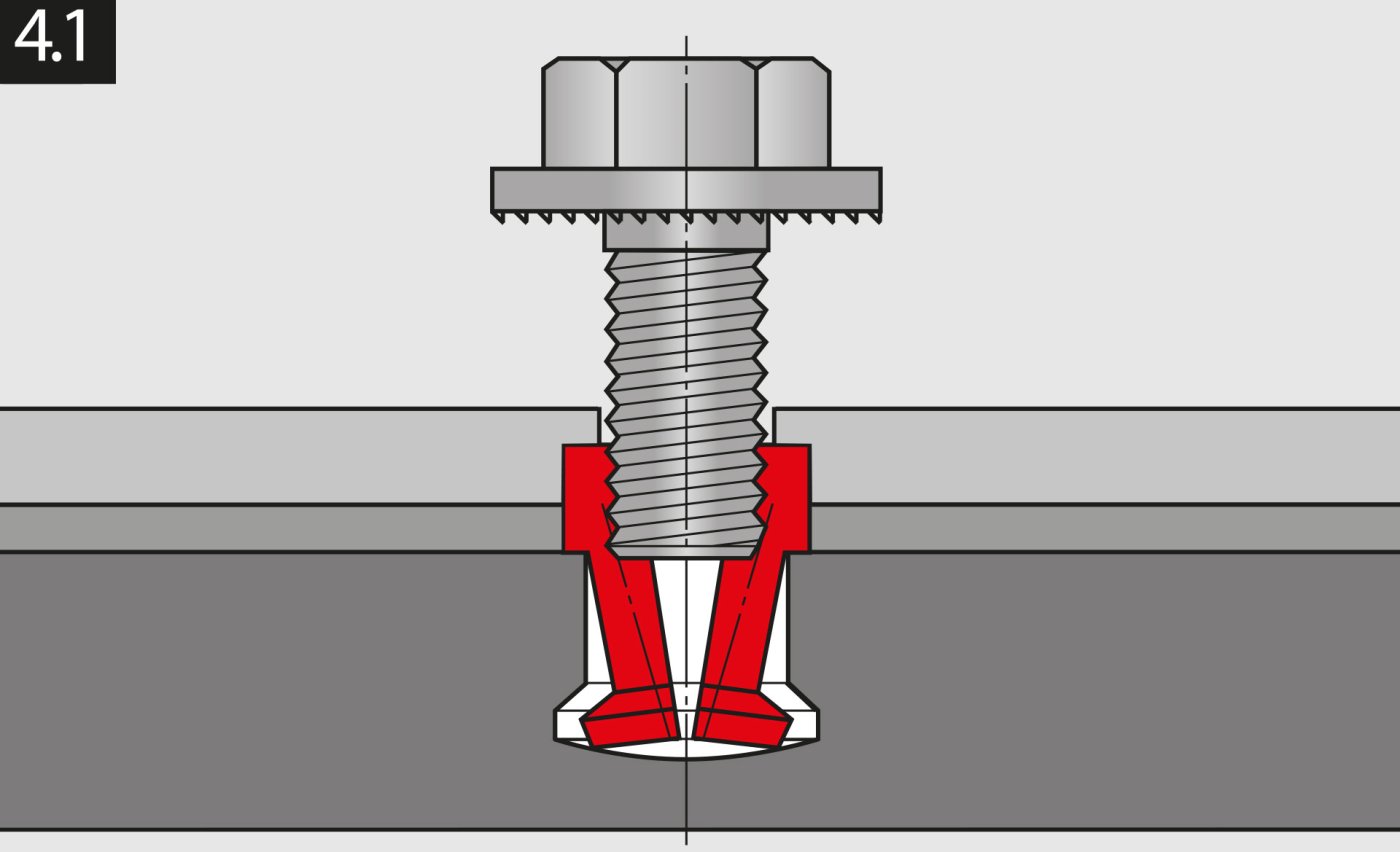
Igartua set out three installation routes. Direct fixing with a thin-set adhesive covers much of the residential and retail work. A ventilated façade can take rivets, undercut anchors or systems the panel snaps into, and can be curved. The third route is integration into a curtain wall, either unitised or captured, or bonded with structural silicone, which has been tested with different manufacturers and behaves much as glass does. Which one is chosen, Igartua said, follows from code compliance, the performance being sought and the shape, size and complexity of the panel, not from price alone.
Colour is where the material stops behaving like stone. More than seventy are offered, with new ones every year, some of them wood grain. Beyond that, any colour can be made to order: a specific limestone or marble can be matched, or a drawing reproduced, using a mineral printing technique that lays down droplets of mineral so the pattern is part of the body rather than a coating that can be scratched off. Igartua put that at around 30 per cent of projects. Panels ship as full slabs, cut to size, or cut and machined with holes, curves and slots.
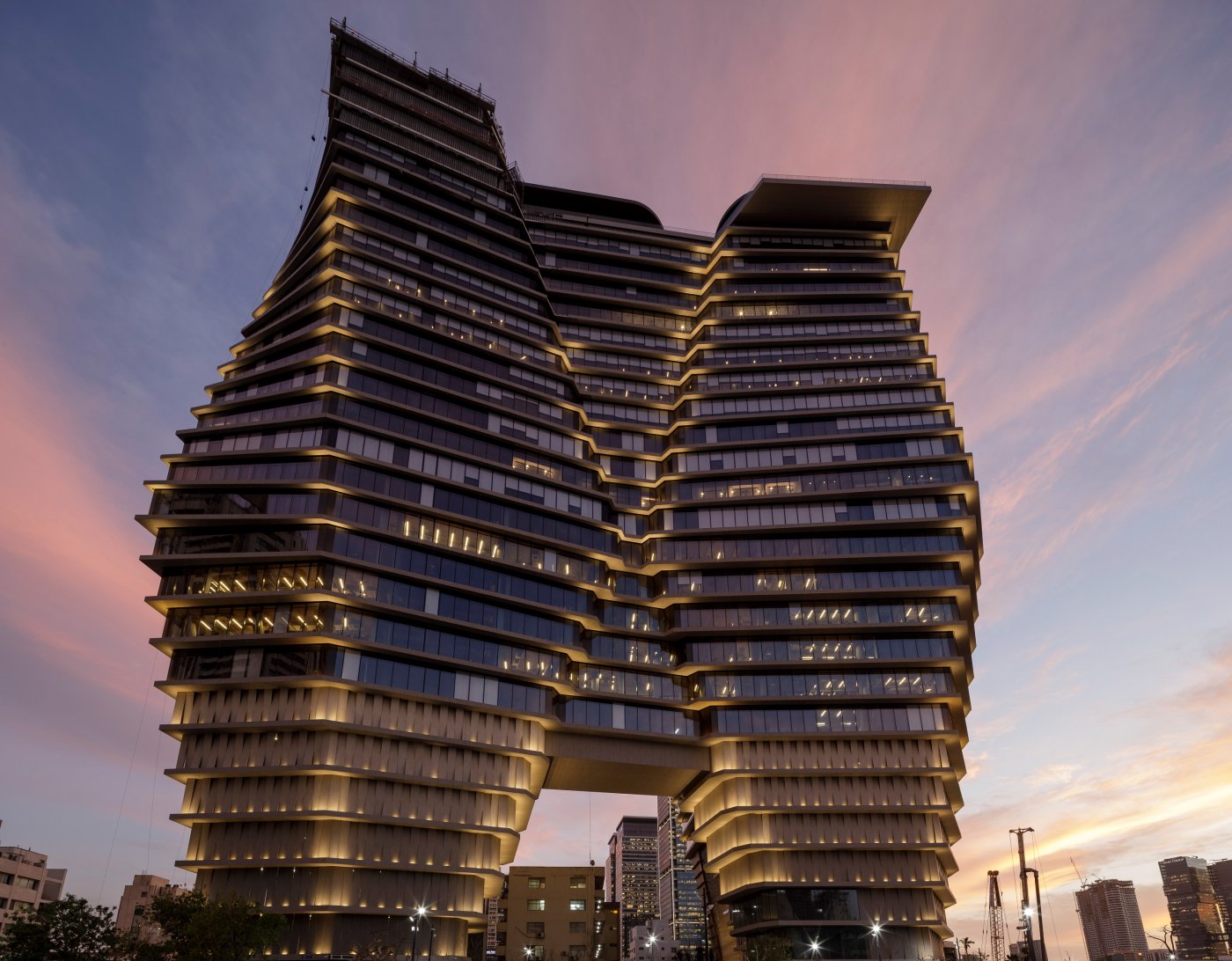
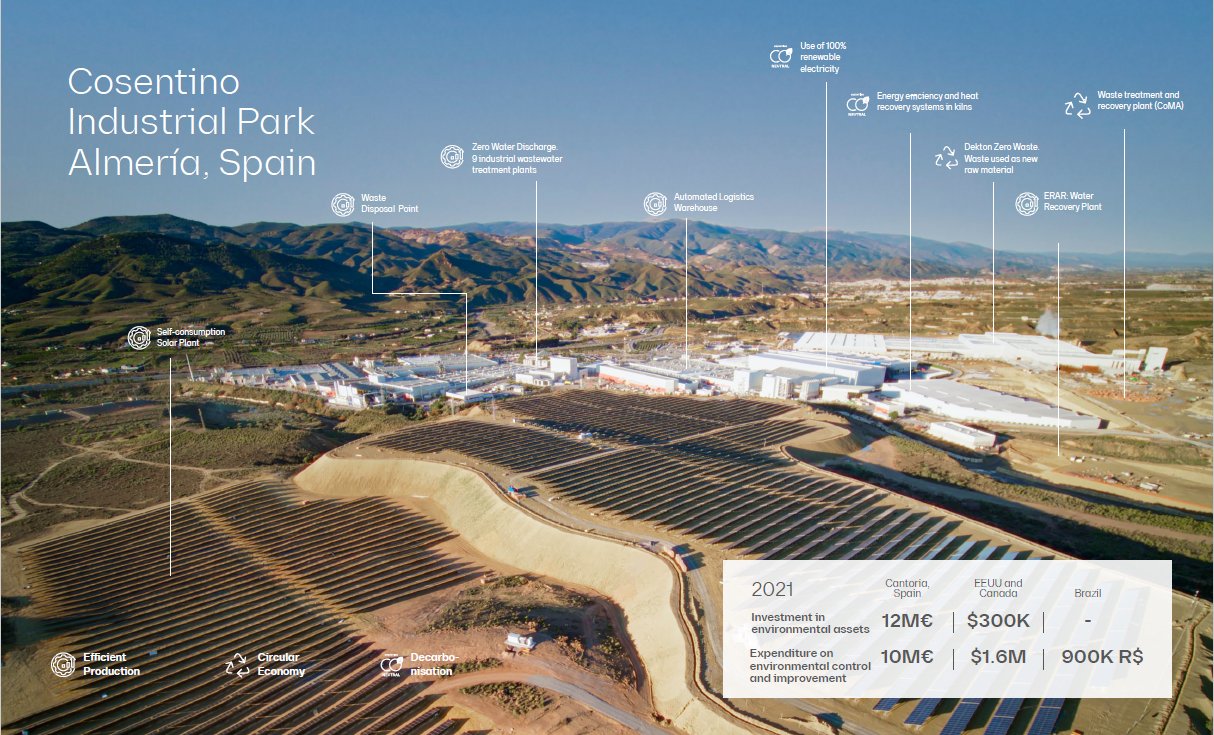
On one project where the plant and air conditioning sit on the lower floors, the panels were set out in an X pattern so that air could pass naturally through the gaps, with seven custom greys used across the elevation to produce a gradation. A taller building on the same principle, roughly three times the height, is going up in Dallas and will be installed over the coming months. The sustainability case rests on the same plant: 100 per cent renewable electricity, nine treatment plants recycling 99 per cent of the water, 60 per cent of colours carrying up to 80 per cent recycled content, products now reaching zero silica, and a carbon neutral position cradle to grave backed by an environmental product declaration.