


Leo Li's account of glare turns on the two properties nobody quotes: how concentrated a surface's reflection is, and how sharply its reflectivity climbs as the sun grazes it. Between them they explain why curved glass and polished metal draw complaints that a white wall, reflecting far more light, never will.
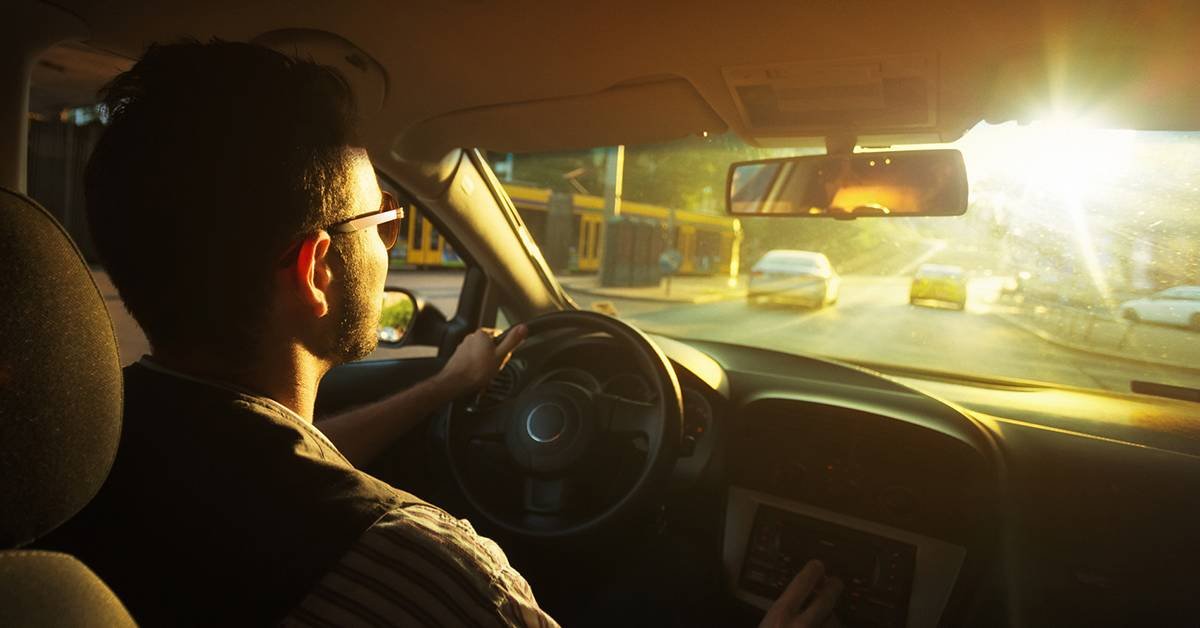
Glare is a visual sensation caused by excessive brightness, or excessive contrast in brightness, which impairs vision and causes discomfort or distraction, and it can come from a source directly or from a reflection. Leo Li is careful with the vocabulary before going near a building, because two pairs of terms get mixed up constantly and the confusion is not harmless.
Glare is continuous, where a glint is a momentary flash, and the distinction matters because only glare lasts long enough to affect somebody's task. Illuminance is the flux falling on a surface, in lux, and describes how much an object is lit; luminance is the intensity in a given direction, in candelas per square metre, and describes how bright it appears to an eye. The sun supplies illuminance, but what the observer suffers is luminance, so that is the metric any criterion has to be written in.
Two responses also get conflated. Disability glare is physiological: stray light scatters inside the eye and superimposes itself on the task, lowering contrast and resolution, an effect long described as a veiling luminance, like a thin veil hung in front of the eye. Discomfort glare masks nothing. It simply makes you look away.
Reflectance is the wrong number
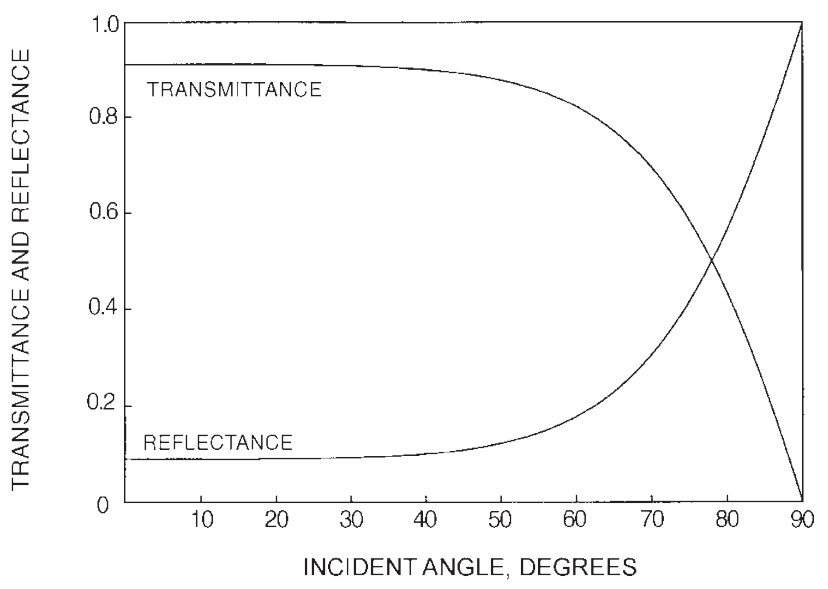
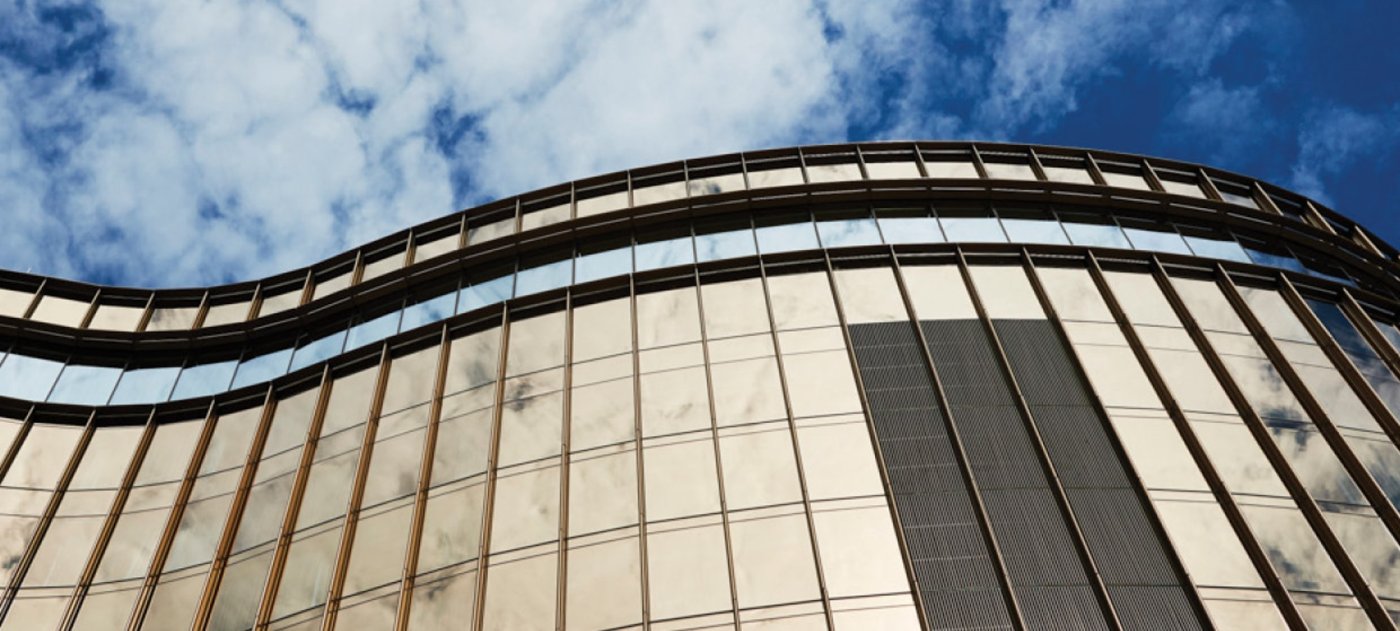
The second property is the one that quoting reflectance obscures entirely. Specularity describes how smooth a surface is, and so how concentrated its reflected beam will be. White paint reflects 80 to 90 per cent of the light falling on it and almost never draws a complaint, because it is slightly rough: its specularity is low, the light scatters, and no single observer receives all of it. A polished surface with lower reflectance can be far worse, because everything it reflects arrives in one place.
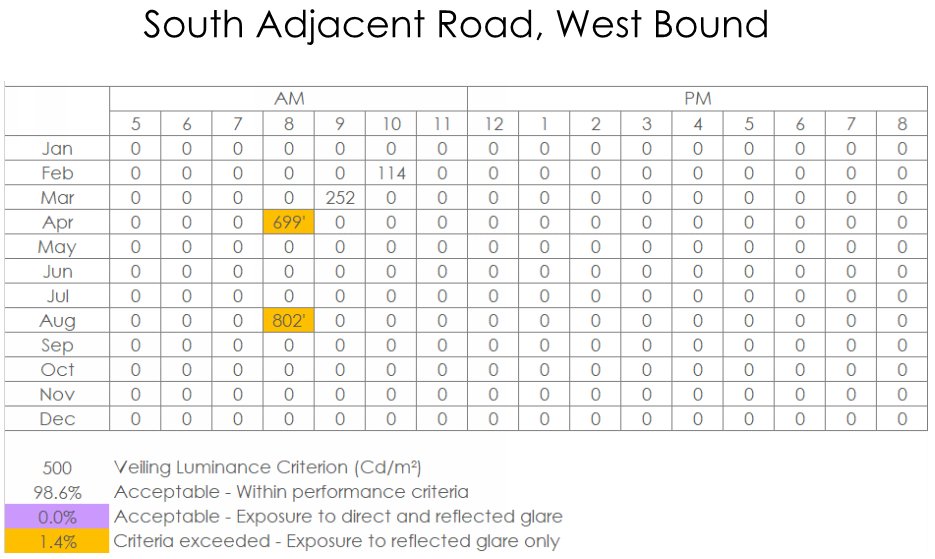
What an assessment actually produces
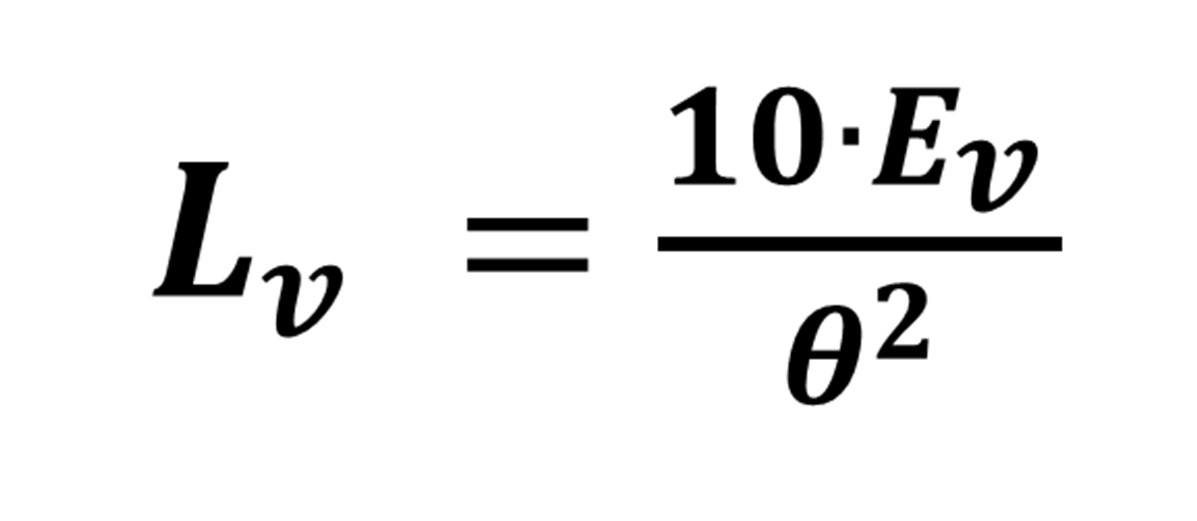
Indoors the problem changes shape. Light arrives through a window or skylight, off a neighbour, off the building's own features, or off a wall, floor or piece of furniture, and interiors add sharp contrast between dark and bright zones. It is often the more critical case, because somebody at a desk cannot move away. The metric is daylight glare probability, introduced in 2006 and adopted in BS EN 17037 in 2018, computed from a fisheye image through Evalglare, with anything above 0.4 an exceedance. Its formula sets source luminance against illuminance as a ratio, capturing contrast directly, and replaces the angle with a position index.
Where the cheap fixes are
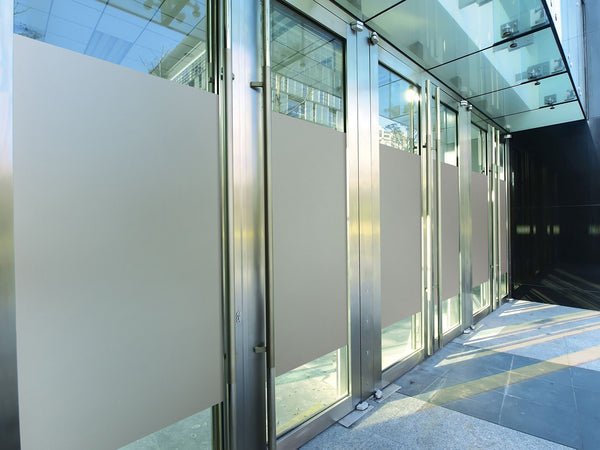
His real argument is about timing. An assessment during design lets you move the building, reposition photovoltaic panels, design a device for the specific problem, choose the glass and place workstations sensibly, all cheaper than remediation. His own example is a swimming pool where the exceedance landed on the lifeguard's position, and moving the lifeguard proved only partly possible; early enough, almost anything can still move. He is even handed about Hong Kong, where glare is both overlooked, since a prescriptive reflectance figure exists but no duty to assess, and exaggerated, since a developer fearing complaints may be worrying about ten minutes on one day a month. An assessment tells the two apart.