Alfonso Oliva convened a panel of designers, engineers and sustainability consultants to map where AI actually sits in the built environment, as a co-creator in concept design that amplifies rather than replaces, a way to run thousands of energy and optimisation studies in minutes, and the intelligence that could turn a building's digital twin from a clean model into predictive maintenance, with the honest caveat that construction itself may be slow to change.
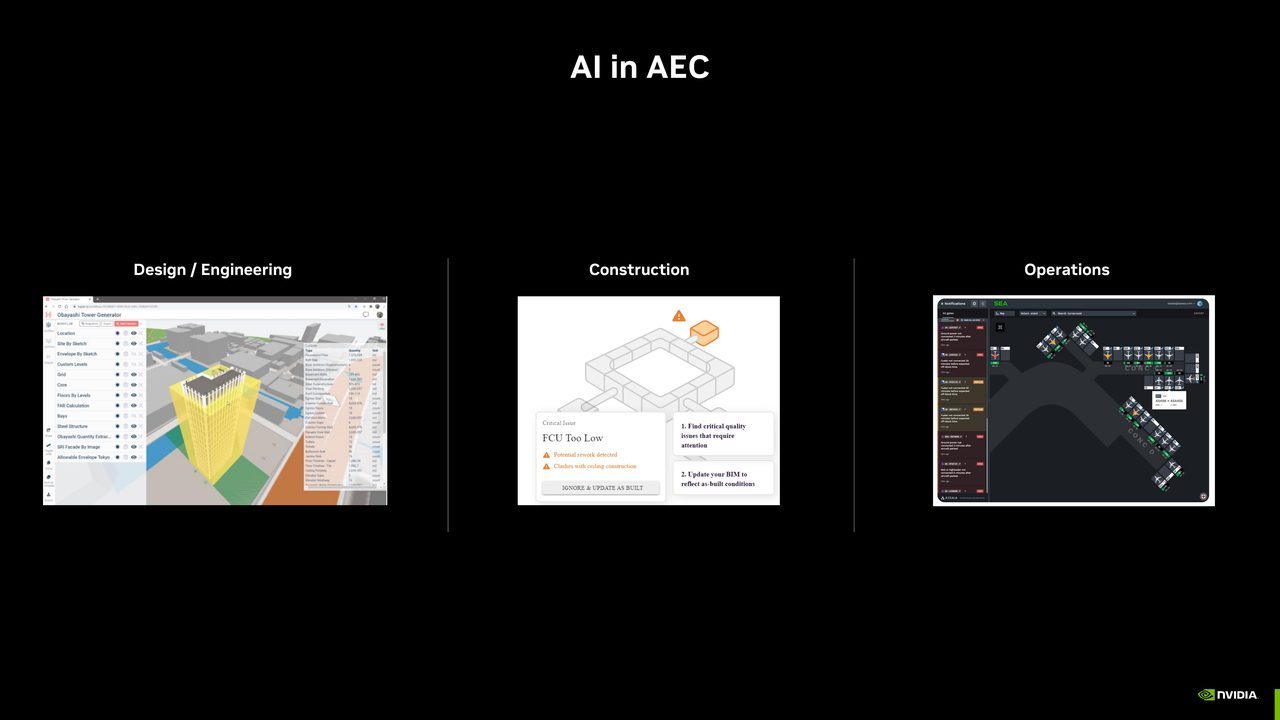
Oliva framed the argument around the design phases, concept, simulation, digital twins and a look ahead, and around a single ambition: to carry the value created during design all the way through to a building in operation, rather than letting it evaporate after the concept stage. The four practitioners he assembled had spent years in computational design and were now testing where AI genuinely helps.
Where AI sits
On concept design, the tone was measured rather than breathless. Dan Reynolds argued that AI mostly accelerates what firms already do, learning from past projects across offices to adapt more quickly to new problems, and that the low risk of early design makes it a comfortable place to experiment. The point, repeated by several panellists, was that concept work is where AI can move fastest precisely because little is yet committed.
Co-creator, not replacement
Veronica Quintero described a shift from a design-led loop, sketch, model, analyse, repeat, to a co-creator process in which AI handles optimisation and exploration while the designer keeps full control of the intent. Nobody, she said, prompts "make a façade" and accepts whatever appears; the designer sets the narrative and the rules, feeding a sketch through image tools and on to a junior working in Grasshopper, and in five to ten years may simply prompt with performance and fabrication constraints. Andres Roncal saw AI as enhancing parametric design rather than replacing it, building plugins that route image-generation and recorded user behaviour back into models trained for semantic searches across materiality. Emir Pekdemir added the caveat that creativity and performance remain decoupled, AI can help with one or the other, not yet both at once, which is exactly where a consultant comes in, using AI as a fastener to bind what matters to the client, the code official and the contractor.
Thousands of options in minutes
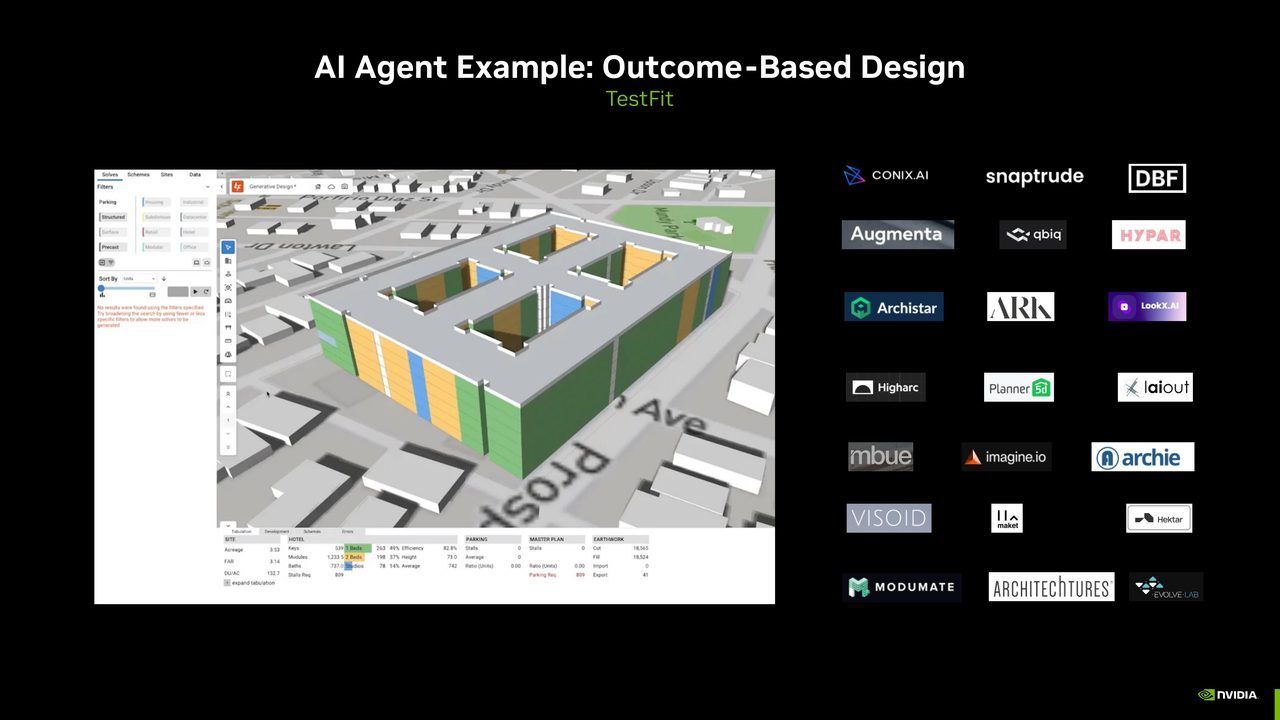
Pekdemir, a fifteen-year energy modeller, admitted that a large-language-model interface to an energy engine now exists and is faintly unnerving. It is genuinely useful for rapid early-design feedback and for offloading boring take-offs, but he would not trust it where a code pass or certification demands known margins of error, there, the slow, expensive, old-fashioned method still wins. Reynolds described GPU-accelerated simulation putting thousands of optimisation runs within minutes rather than weeks, and pointed to the model-context protocol as the piece that makes AI trustworthy: wrap a tested function behind a server and the model can use it without hallucinating, giving a balance of optimisation and control.
From model to prediction
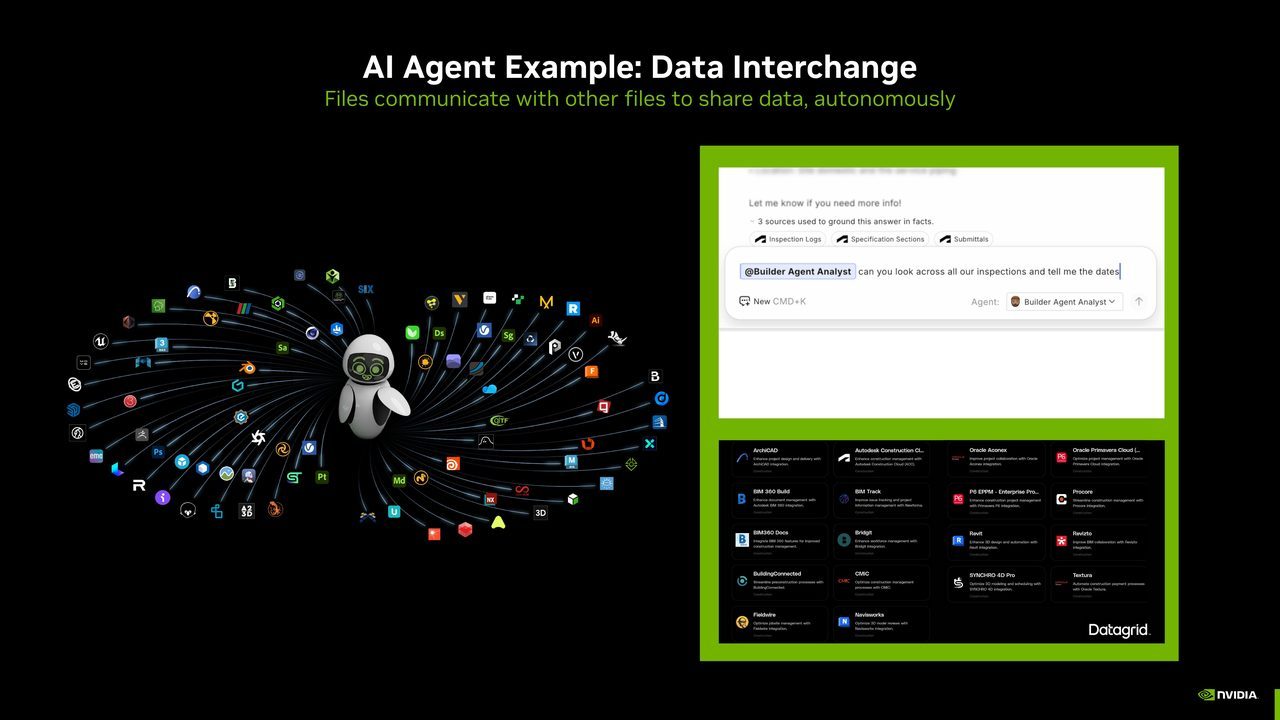
The digital-twin discussion turned repeatedly on data. Quintero argued that a twin done well shifts façade maintenance from reactive, scheduled scaffolding, or a scramble when something fails, to predictive, but that it is not about a clean BIM model so much as the data and intelligence inside it, fed continuously from drones, sensors and scanning imagery that track movement, sealant failures and thermal performance. Roncal made the same case for predictive maintenance, with models trained to flag a specific panel for inspection, and floated robotic arms for façade cleaning that the industry has been slow to adopt. Oliva's summary was blunt: the sector is excellent at collecting data and terrible at using it, which makes that stored data a gold mine, and being behind, for once, an advantage, since new processes can be layered on without ripping out entrenched workflows. Quintero's ask to owners was pointed: write into the contract that the designer gets the post-construction data back, for years, so the next building learns from this one.
The next ten years
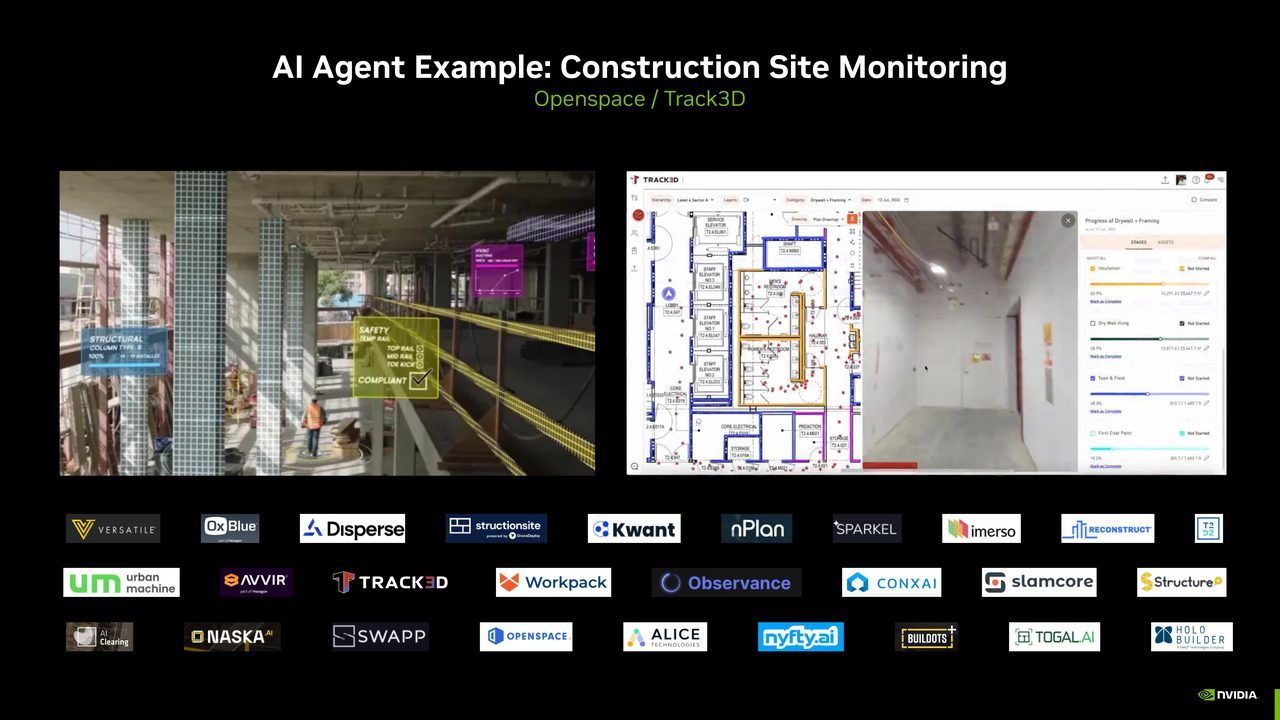
On the future, opinions split honestly. Reynolds framed the goal as amplifying teams rather than replacing them, with new interfaces, voice, sketch, replacing the mouse and keyboard, while conceding the industry's history of slow adoption. Roncal expected building literacy and algorithmic thinking to unlock automated assembly for the many typical panels a façade contains, with a person deciding the atypical cases. Quintero saw robots on site running quality control and flagging non-compliance, but noted the real brake: AI makes a bigger impact in the less litigious design phases, because a rendering that can't be built won't get anyone sued the way construction will. And Oliva closed on the application he is most excited about, startups aiming robotics and AI at the most dangerous construction tasks to save lives, which he expects to arrive before the digital twins and everything else follows.