


Shevonne Kok's case for putting the envelope first rests on a Dallas tower where the perimeter gasket was replaced around 18,000 panes without removing one of them or disturbing a tenant, and energy use fell by 42 per cent. Retrofit money normally reaches the façade last, if it reaches it at all.
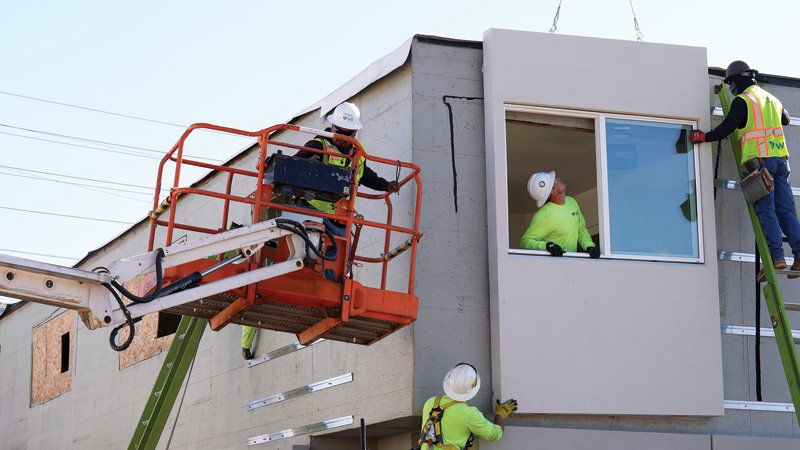
A deep energy retrofit upgrades the envelope, the services and the way a building is operated together, and on an ageing commercial or public building it can save more than half the energy where a conventional refurbishment would not. Shevonne Kok distinguishes it from what she calls a shallow retrofit by the client's own target: an ambition of around 10 per cent improvement is one kind of project, and an ambition of more than 50 per cent is a different one, requiring the envelope to be opened up as a question rather than left alone.
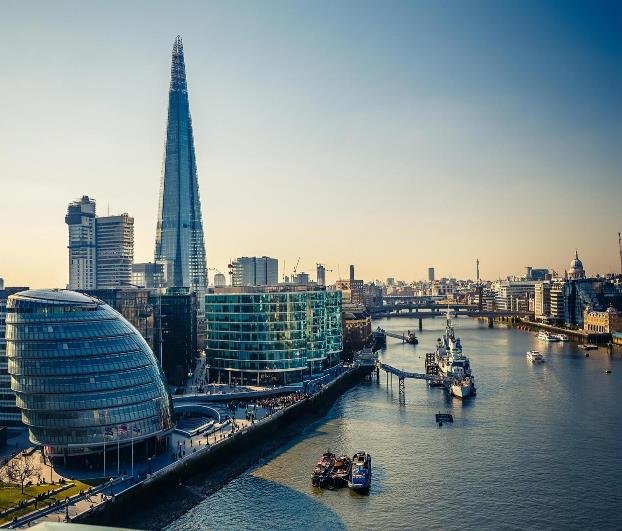
The carbon arithmetic is what makes the argument. Renovating an occupied building rather than replacing it saves somewhere between 50 and 70 per cent of the embodied carbon and can cut energy use by up to 40 per cent. In Hong Kong, where the Environment Bureau set a carbon neutrality goal before 2050, the stock is the point: more than 16,000 high-rise towers and over 90,000 concrete high-rise residential ones, with buildings taking about 90 per cent of the territory's electricity and producing around 60 per cent of its carbon emissions. Kok also makes the supply-side observation, that a constrained grid limits what else the city can host, data centres included.
The envelope is assessed last
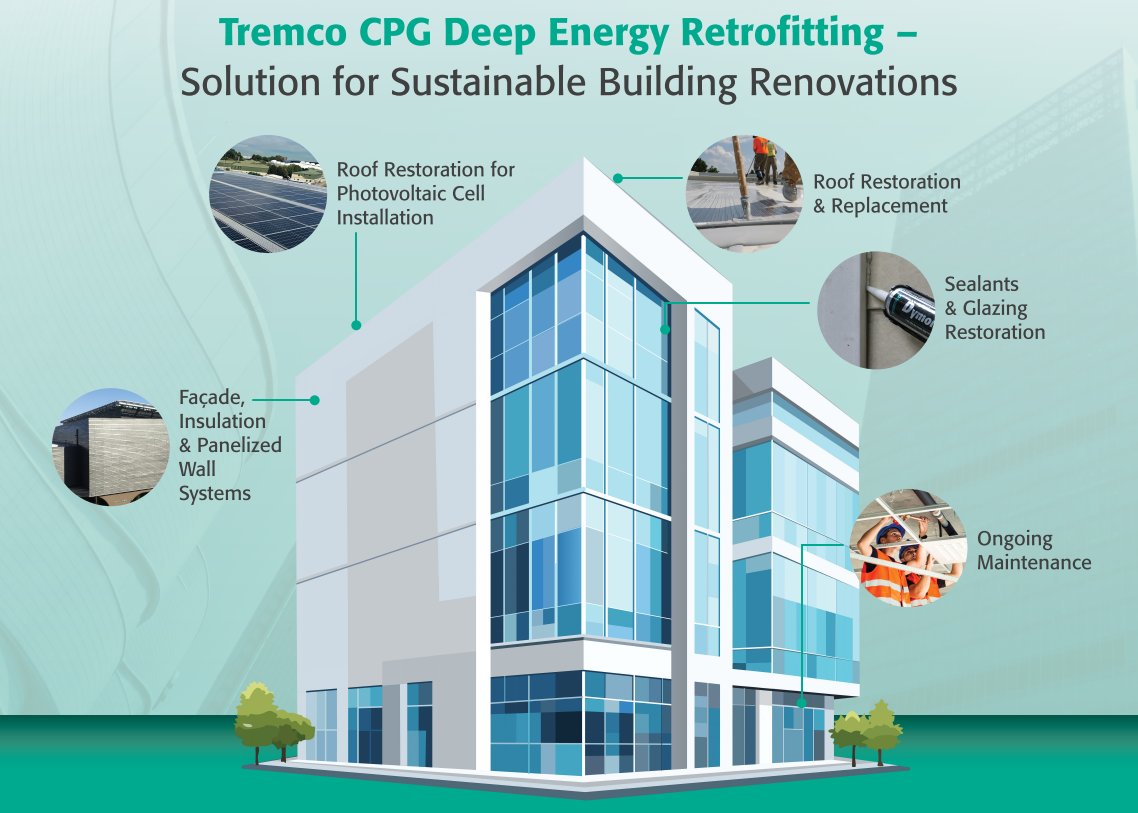
Eighteen thousand panes, none removed
The Dallas tower is the case that carries the argument. Completed in 1985 and still the tallest in its metroplex, it came to a five year plan for changing the seals on all 18,000 panes of glass. The useful accident was that when the design engineering team was engaged, the original installation files turned out to be in the archive: the same company had supplied the gaskets in the 1980s. For the owner that was reassurance rather than sentiment, because gaskets that had lasted forty years were evidence about the product.
The technical problem was specific. The original exterior gasket was a neoprene sponge installed before the glass went in from the inside, so replacing it conventionally would mean taking glass out and disrupting tenants. The answer was a dense wedge profile with some angularity that can be driven in after the old gasket is removed, and the development of it is a good illustration of how narrow these tolerances are. Too heavy a profile is too hard to drive and risks the glass: above roughly seven to ten pounds of insertion pressure is a concern, and at about fifteen pounds old glass starts to break, because restoration glazing is held by metal without the polyisobutylene that would contain it. Too light a profile leaks worse than what it replaced. Mock-ups then showed one leg was slightly too long and was butting into the setting block and bulging, so it was shortened.
Kok's closing position is commercial rather than environmental, and it is the more persuasive for it. A deep retrofit is a lever for competitive differentiation in an existing asset, it needs alignment across several disciplines at once, and the buildings that get it will be the ones still worth owning.