


Rob Buck turned the firm’s annual roll-call of façade failures, the ‘Halloween horror stories’, into an argument about carbon. Every façade that fails and is replaced burns the embodied carbon you spent designing it low. His prescription: better products, buildings that last longer, the right professionals, and a service-based model that keeps the façade the supplier’s problem, and might even make it earn its keep.
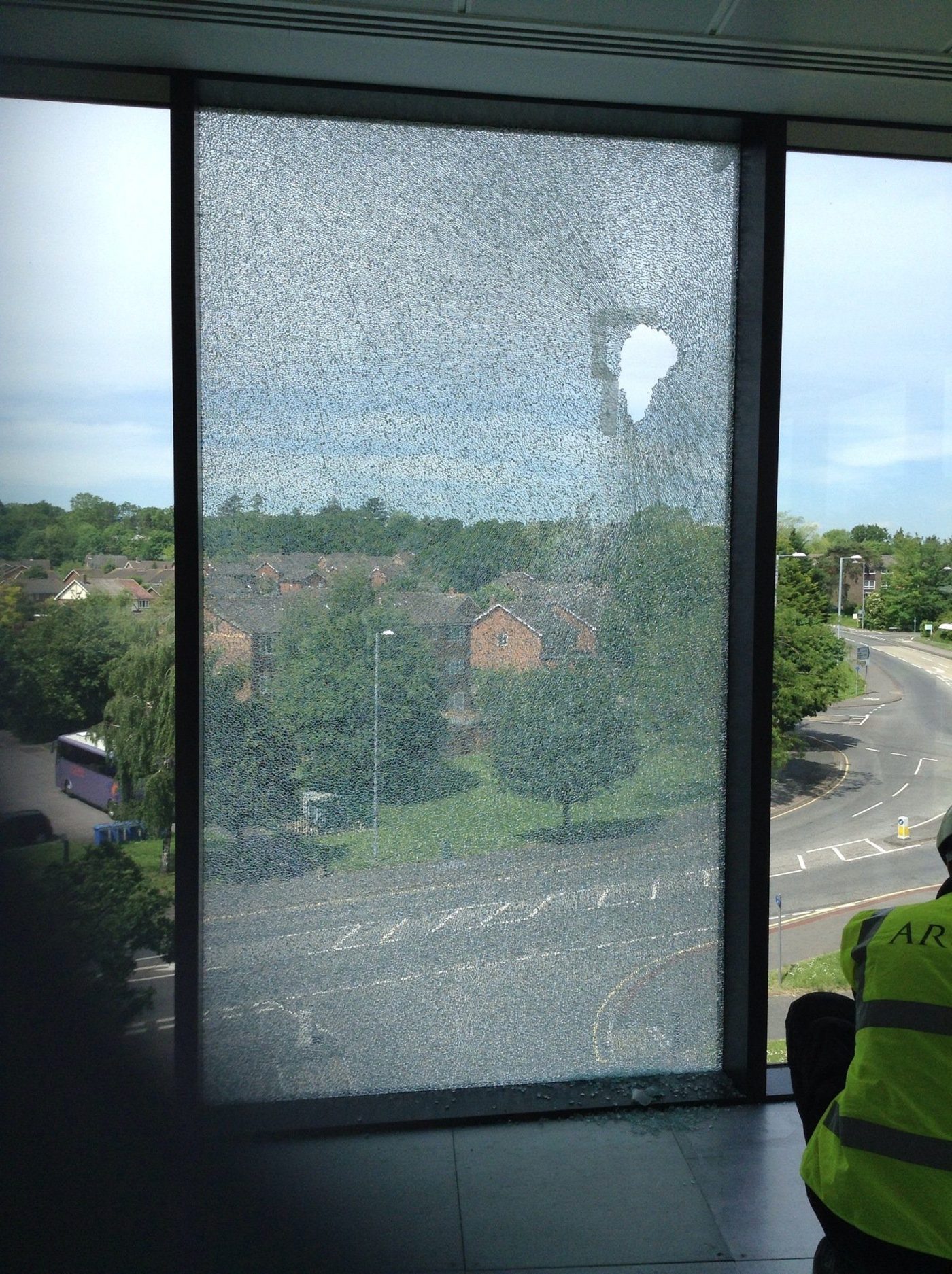
He began with the three little pigs. The brick house cost more in embodied carbon, but it met its performance requirement and stood up to the wolf, where the straw and timber houses had to be rebuilt, embodied carbon and all. His question: what is the big bad wolf in the façade industry, and how do we stop building façades that have to be replaced?
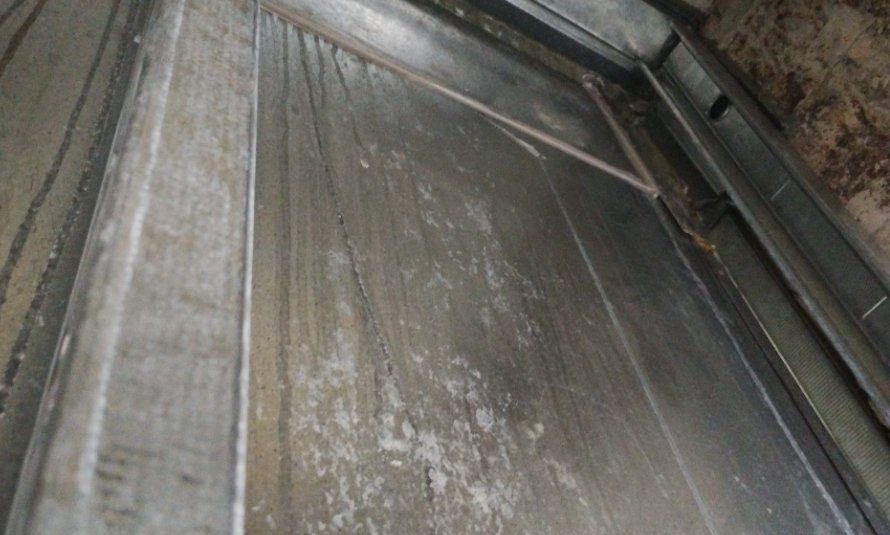
Arup’s answer is a ritual. Every 31 October the firm’s façade people gather, on Teams, to tell their “Halloween horror stories”: the failures they have seen that year. Buck ran the top five. First, aluminium composite panels, nearly a decade after Grenfell, still on the list, and with them the push, through instruments like New South Wales’ Design and Building Practitioners Act, to define who is competent to design and build a façade in the first place.
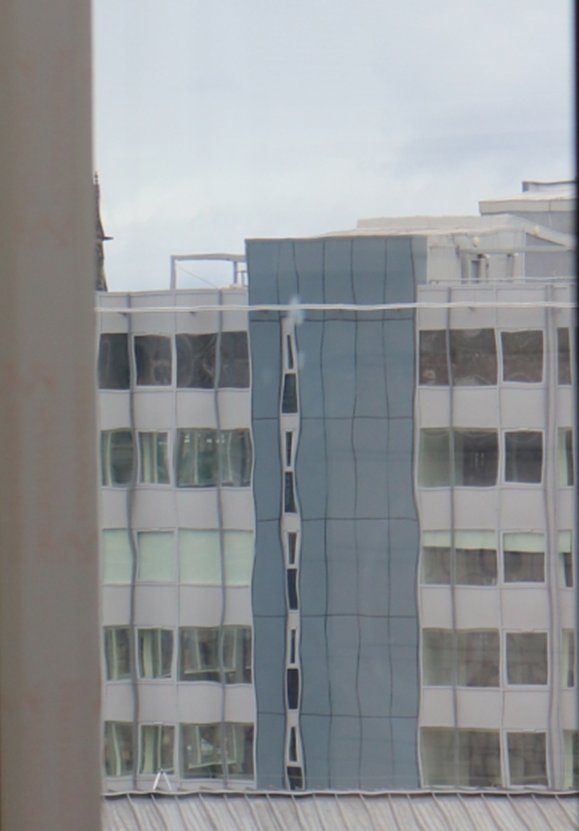
Then glass, which showed up in three of the five. Distortions and faults, common everywhere, except Japan, which, a supplier admitted, is simply sent a better grade; toughened glass and nickel-sulfide inclusions still proposed without heat-soak testing; and the absurdity of a distorted pane caught only after it had been toughened, laminated, glazed into a unit, shipped from China and installed. The fix, he argued, is not a viewing standard that has you stand three metres back for sixty seconds, it is telling glassmakers the quality is not acceptable, and catching it at the start of the process.
The fourth was the failed double-glazed unit. A sealed unit is four times better thermally than single glass and protects its solar coating, until the edge seal fails and the argon leaks out, losing the performance and degrading the coating with it. Buck flagged newer thermoplastic spacers, and a supplier willing to warrant 25 years rather than ten, as worth specifying, with the caution that the very same spacers were riddled with faults when they first appeared in the 1990s. The fifth, water leaks and mould, he largely set aside, beyond the reminder that the leaks live at the interfaces.
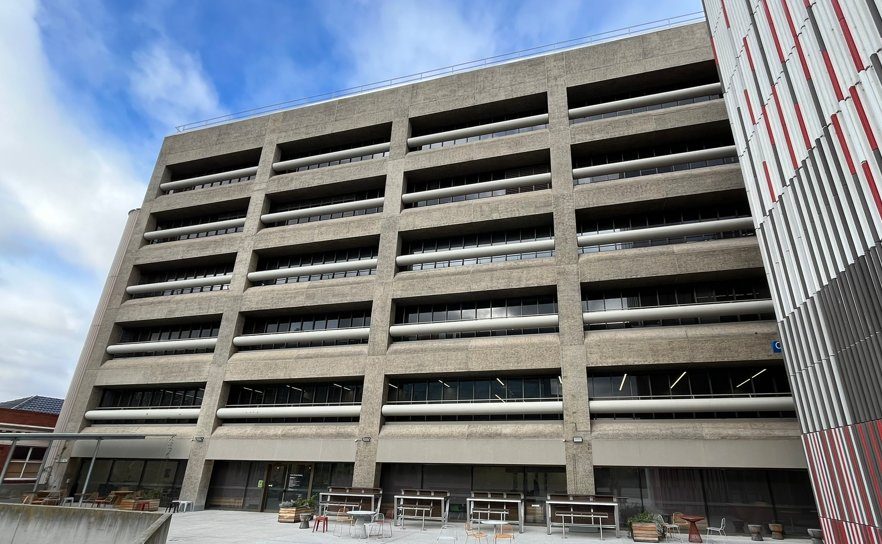
The through-line was carbon. Every one of those failures ends in replacement, and replacement burns the embodied carbon you spent designing the façade to be low. Worse, all five faults land on the client as risk. So Buck turned to a different model: a performance-based, service-based façade, drawn from Dutch research and a demountable ‘kit of parts’ that is clamped rather than siliconed, maintained and upgraded by the supplier, and taken back to be reused at the end of its life. A University of Melbourne project, backed by Arup within the Building 4.0 CRC, is now testing whether that can work in Australia, and he put out a call for case-study buildings, and for products that could be offered as a service.
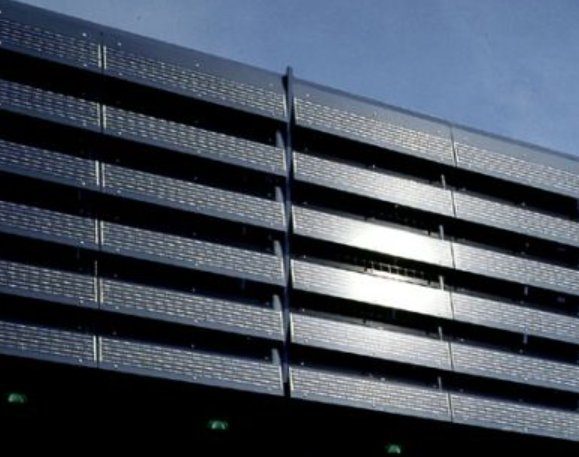
He ended where he began, but hopeful. Some products are not merely low-carbon but carbon-negative, photovoltaics pay back their embodied carbon in two to three years, and PV costs have fallen perhaps 95% in a decade. Companies already rent roof space to install panels and pay the owner for the privilege. So the real question, Buck suggested, is whether a façade might be an income source rather than a cost: do the basics right, get the right people in, make buildings last longer, and let the façade fill the piggy bank.