Jimi Ogunsola presented bio-based resins, anodised-look finishes and colour trends as ways for architectural coatings to reduce impact without giving up durability or design range.
Jimi Ogunsola used architectural powder coating to show how a mature façade product can still change materially. The next step is not only a wider colour range or better weathering: manufacturers are being asked to account for the carbon and feedstock inside the coating itself while preserving the durability that keeps aluminium in service. Axalta’s examples moved between super-durable systems, bio-based resin, anodised-look finishes and stone-influenced palettes, making sustainability and aesthetics part of the same product-development conversation.
Durability remains the first environmental test
A lower-carbon finish is of limited value if it fails early. Ogunsola therefore placed high-performance architectural powders at the base of the sustainability argument: longer colour and gloss retention can extend maintenance cycles and protect the aluminium beneath. Product environmental information, including EPDs, adds a way to compare impact without separating it from service-life expectations. The company’s innovation centre was used to underline the amount of research behind apparently thin surface layers. Coatings have to balance application behaviour, cure, appearance, corrosion resistance and long-term weathering before a new chemistry can move onto a façade.
Bio-based resin changes the feedstock
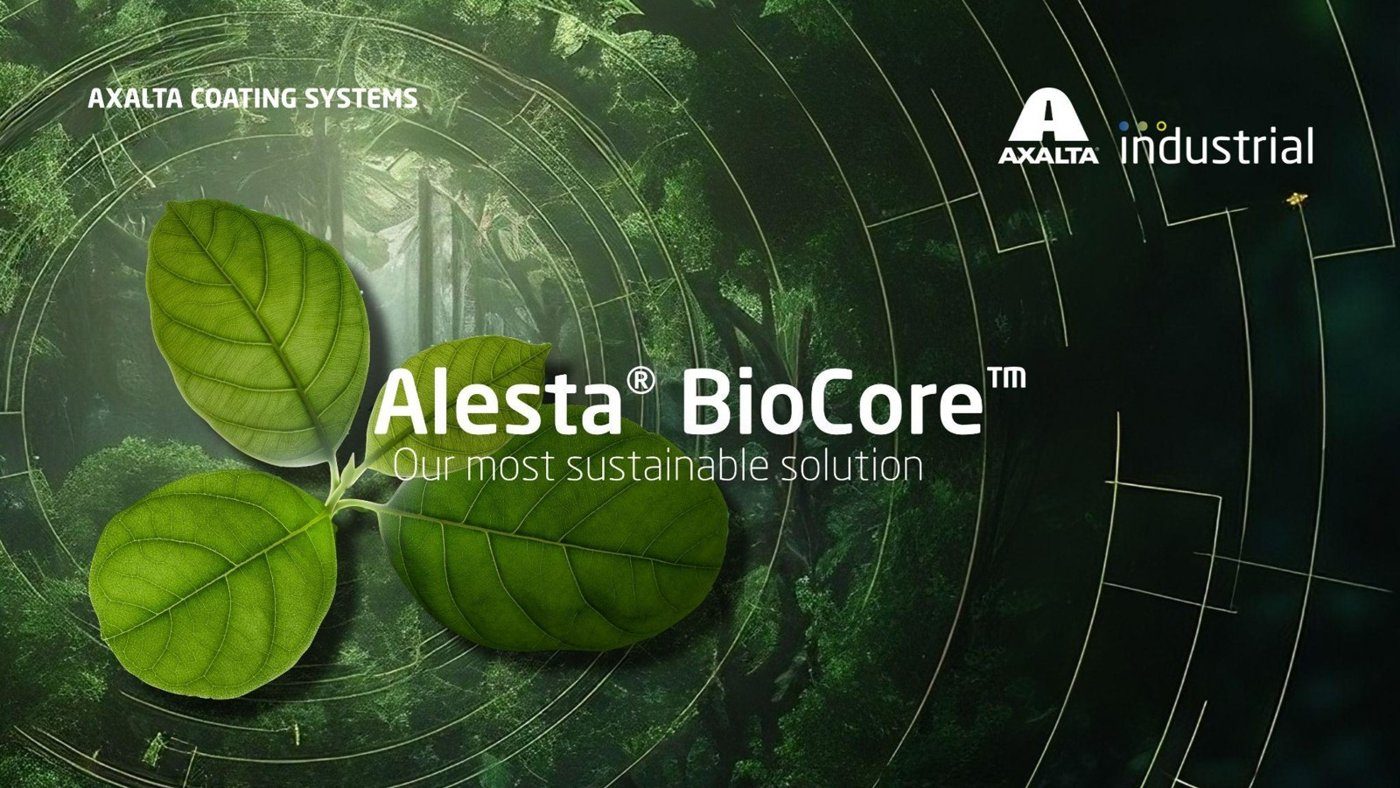
One route is to reduce reliance on fossil-derived raw material. Ogunsola introduced Alesta BioCore, which replaces part of the conventional resin feedstock with bio-based material associated with forestry waste. The purpose is to reduce the coating’s carbon burden without asking designers to accept a visibly different finish or a lower architectural performance class. That distinction is important. Bio-based content is not presented as an ornamental “green” option for a special building; it has to enter ordinary specification routes and survive the same expectations for colour, gloss, fabrication and exposure as established products.
Carbon becomes a property of the coating
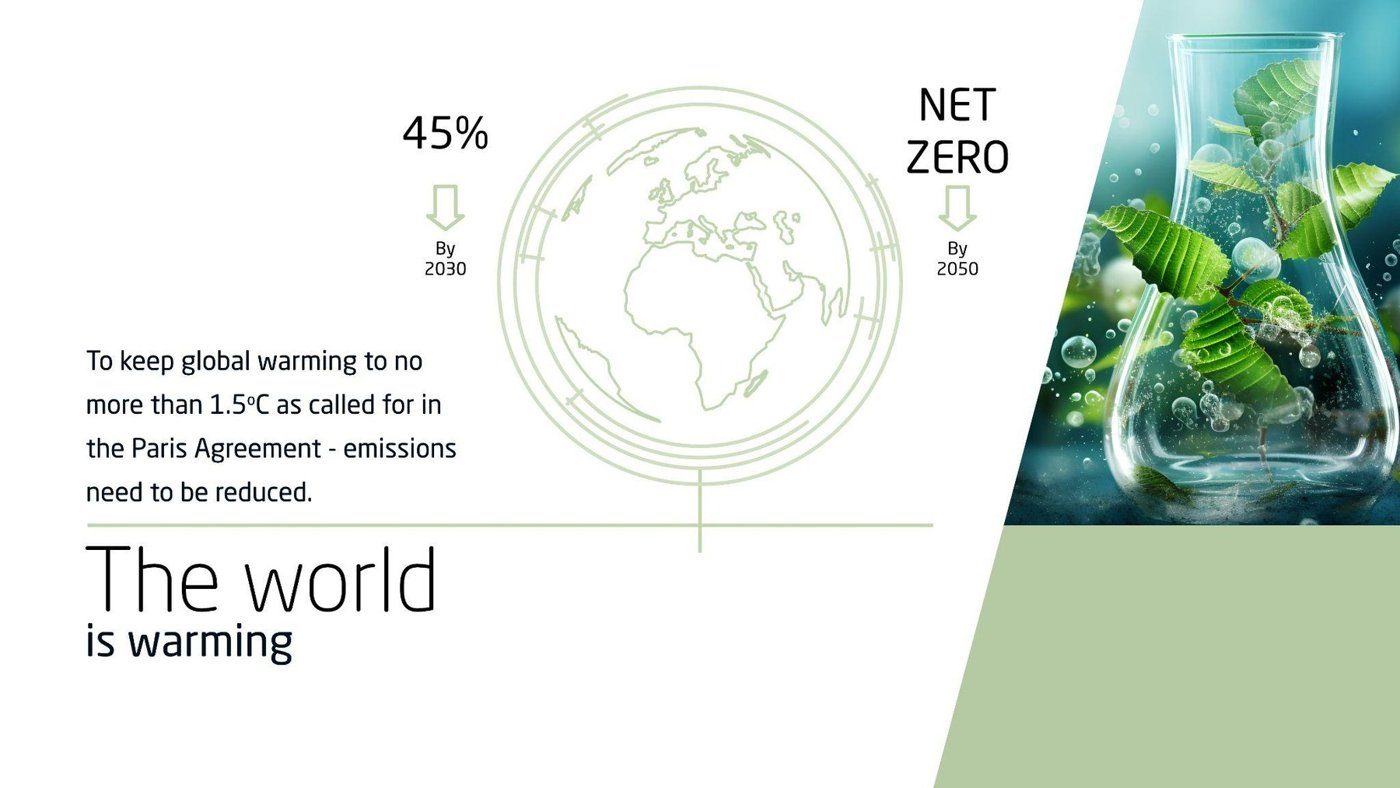
Axalta linked product innovation to wider net-zero targets, showing how the manufacturer is trying to reduce both operational emissions and the footprint embodied in its products. For specifiers, that means coating selection can increasingly sit alongside aluminium source, glass build-up and insulation when project teams assemble product-level carbon information. The change is small in thickness but significant in method: façade teams can ask not only whether a finish meets a colour and durability requirement, but what evidence exists for its environmental impact and how that impact is being reduced.
Appearance innovation can remove other trade-offs
Ogunsola also discussed powder systems that reproduce an anodised appearance. Conventional anodising can be sensitive to substrate and batch variation; a powder route offers another way to achieve metallic depth with more consistent colour control. Stone-effect and earthy metallic finishes respond to a related architectural demand for mineral, warmer palettes. These products matter because sustainability is easier to adopt when it does not shrink the designer’s vocabulary. A specifier is more likely to choose a lower-impact system if the finish still carries the visual character expected by the project.
Product choices meet real buildings
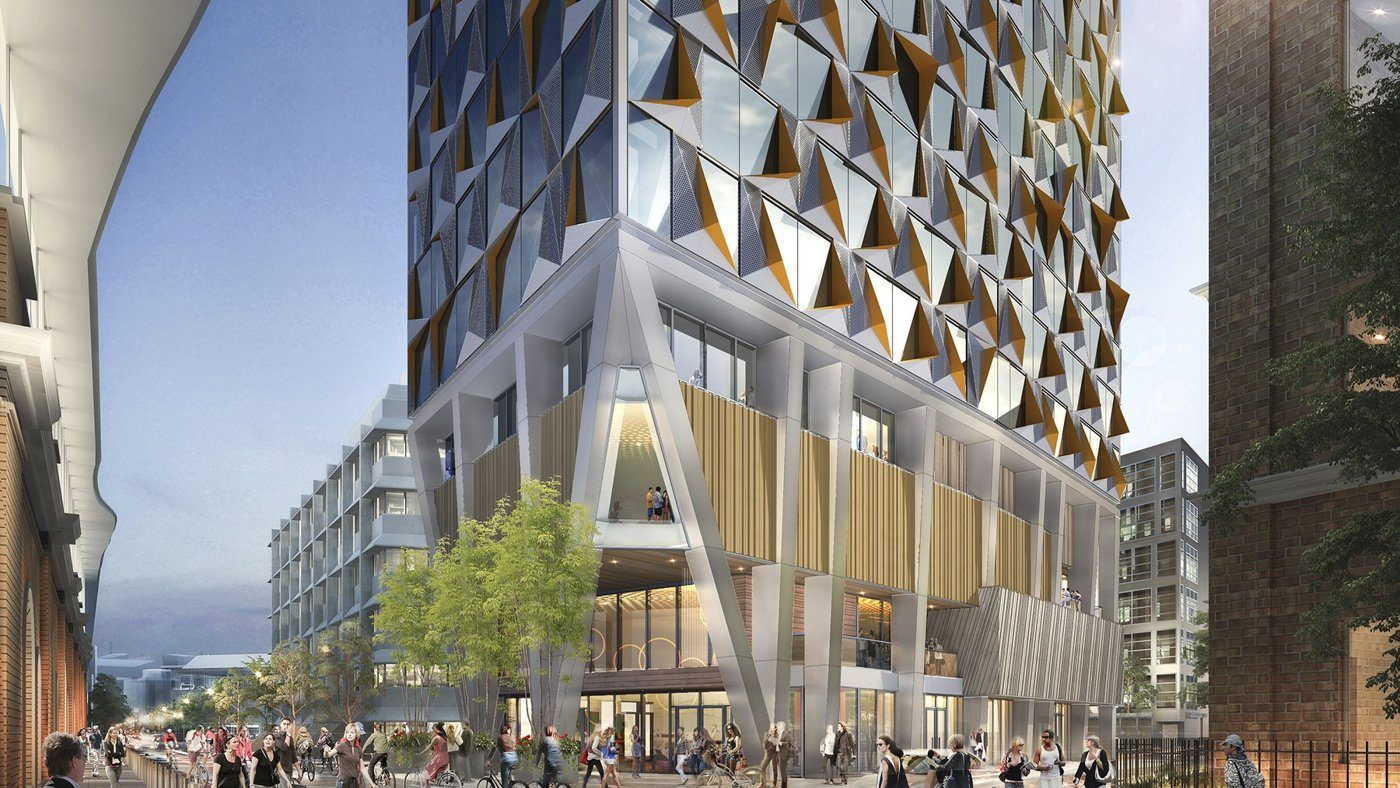
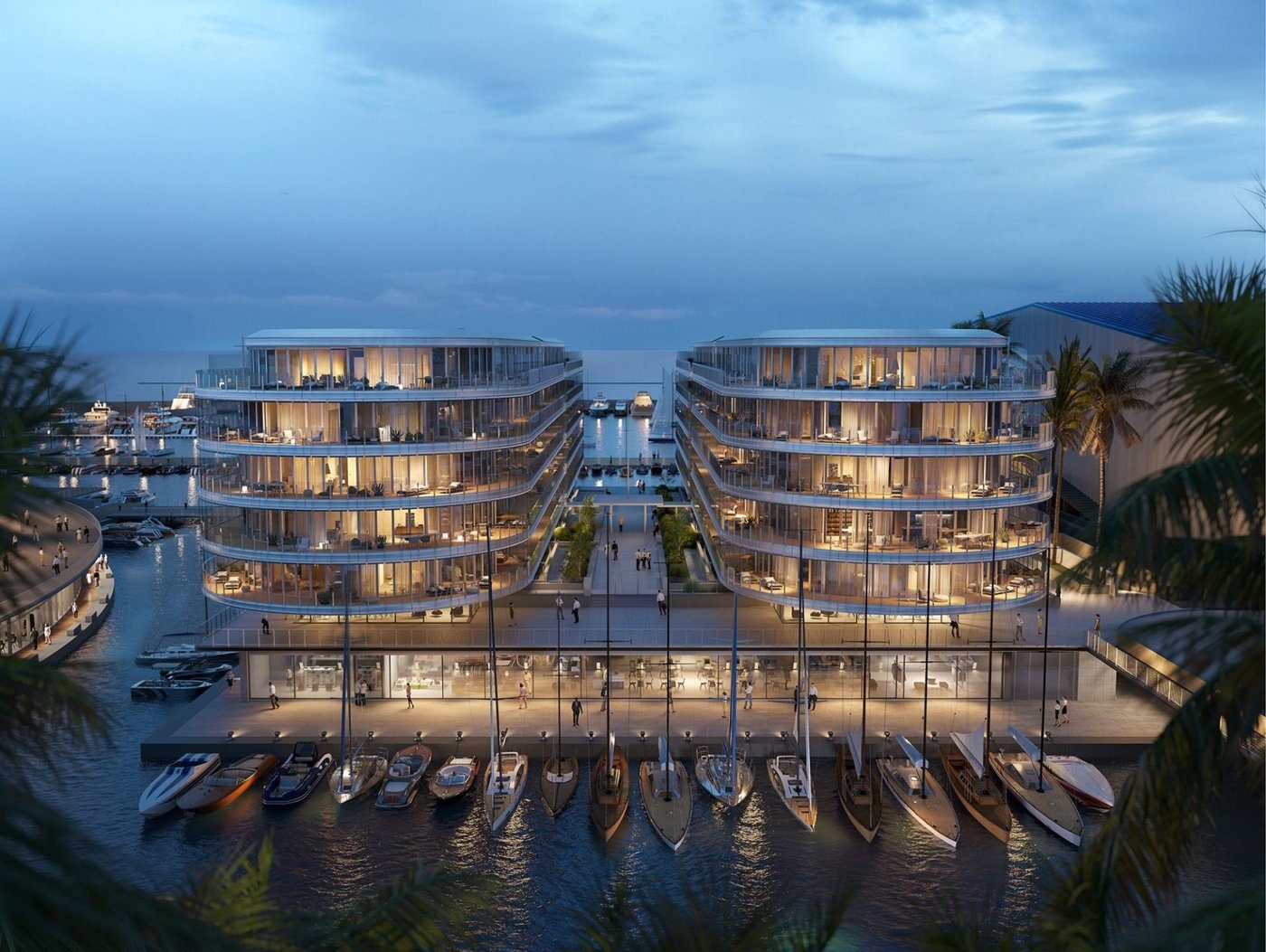
The examples closed the gap between chemistry and façade. Super-durable powders are already used on prominent projects, including complex external fins and highly visible public elevations. The point was not that coating alone will transform a building’s carbon account, but that every layer is entering the same evidence-led scrutiny. When colour, durability and environmental data are resolved together, powder coating stops being the last decorative decision and becomes part of the façade performance strategy. Project references gave the chemistry an architectural scale. Super-durable powders have been used on buildings including Chapter London Bridge and Waterfront di Levante, where large areas of exposed coated aluminium make consistency and weathering directly visible. Those examples also show why finish innovation cannot be separated from procurement: a bio-based or anodised-look product must be available in the quantities, gloss levels and fabrication routes a façade package requires. Environmental improvement becomes meaningful when it can move from laboratory formulation into an ordinary project specification without creating a new maintenance liability.