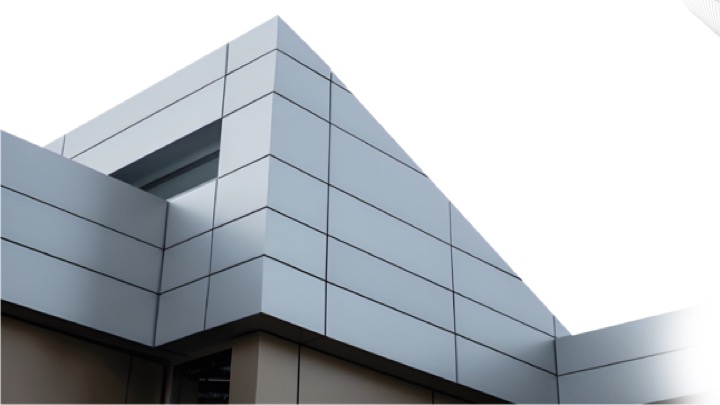
Coby Armar explained why architectural powder coating quality depends on the complete specification, from pretreatment and applicator controls to exposure class and long-term inspection.
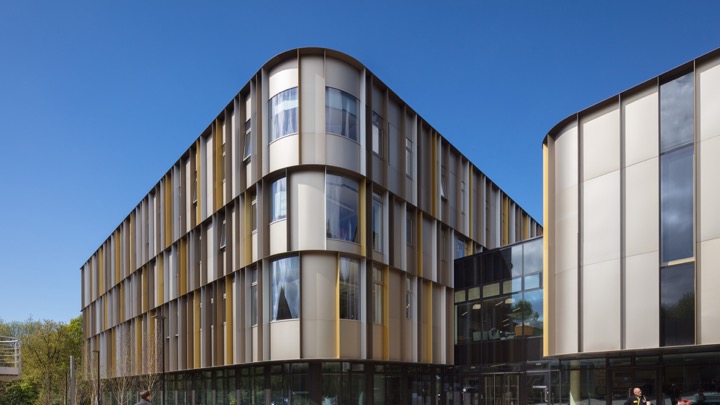
Coby Armar’s starting point was deliberately simple: powder-coated aluminium is often one of the first things people see on a building, yet the coating is frequently specified late and with less precision than the systems it protects. A colour reference may settle appearance, but it does not define the pretreatment, powder class, applicator controls or exposure conditions that determine whether the finish still looks and performs as intended years after handover. QUALICOAT’s role, he argued, is to turn that scattered chain into one quality system.
A colour code is only the beginning
Two façades can use nominally the same colour and still have very different durability. The substrate alloy, surface preparation, pretreatment chemistry, powder formulation, film build, curing regime and plant control all affect the finished result. Texture and gloss also influence how colour is perceived across large elevations and how weathering becomes visible. That is why Armar pushed against vague wording that effectively leaves the finish to be resolved after architectural decisions are fixed. Early specification allows colour, texture, sustainability and service-life expectations to be coordinated with the rest of the envelope rather than becoming a procurement substitution at the end.
Quality has to cover the full value chain
QUALICOAT was described as an industry-built quality label involving powder manufacturers, pretreatment specialists, coating applicators, inspectors and accredited laboratories. That breadth matters because a high-performing powder cannot compensate for poor pretreatment or uncontrolled application. The specification therefore addresses the process as well as the product. Licensed applicators work to defined plant procedures and are subject to testing and inspection. Approved coating systems are assessed against common requirements rather than relying only on a manufacturer’s marketing claim. For an architect or façade consultant, the advantage is traceability: the chosen finish can be connected to a controlled route from chemistry through application.
Exposure should determine the system
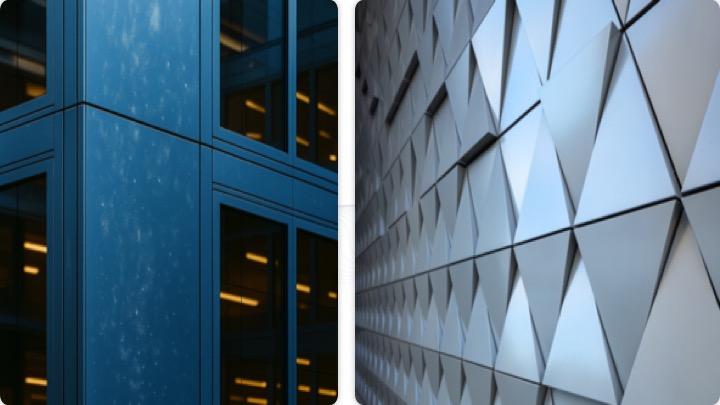
A façade close to the sea does not experience the same environment as one in a protected urban location. Aggressive atmospheres, ultraviolet exposure and moisture change the durability demand, so the coating class and pretreatment need to follow the project condition rather than a default note copied from another job. Armar linked this to long-term appearance: colour, gloss and texture should remain stable enough that the building ages as the designer intended. Accelerated testing and real-world exposure are both part of building confidence because laboratory speed cannot reproduce every condition encountered over decades.
Early advice prevents late surprises
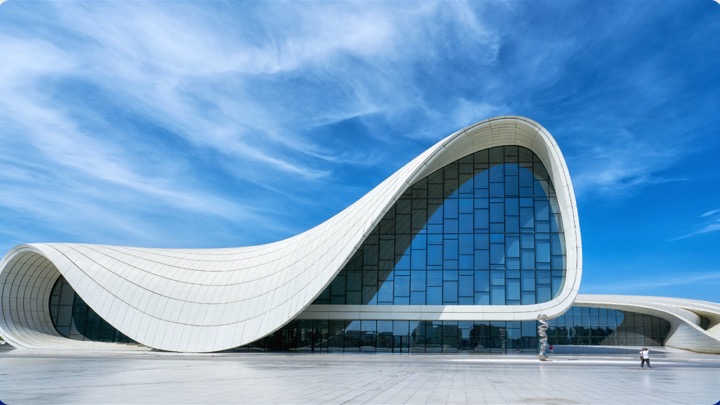
The most practical message was about timing. QUALICOAT positioned its input around concept and technical design, not simply at the factory gate. If the coating requirement is resolved before fabrication, teams can align aluminium selection, colour tolerances, texture, cleaning expectations and the appropriate durability class while alternatives are still open. That reduces the risk of a late change forcing a compromise or of an apparently equivalent product being substituted without matching the original exposure and performance assumptions. It also makes inspection criteria clearer when coated components arrive on site.
Longevity is a sustainability measure
Armar described powder coating as an environmentally responsible finishing technology, but his stronger sustainability argument was service life. A finish that remains stable delays stripping, recoating or replacement of otherwise serviceable aluminium. The lowest-impact coating is not simply the one with an attractive product claim; it is the system that protects the designer’s intent for the expected exposure period. Armar located the specification within the ordinary design programme rather than outside it. At concept stage, advisers can align exposure, colour, texture and expected longevity with the architectural intent; by technical design, the wording can identify the approved system and required process controls; during manufacture, the licensed coater’s records and inspections give the team something objective to check. That sequence is the real value of a shared industry standard: it reduces the space in which “equivalent” can mean a visibly similar colour but a different durability pathway.