


Simon Allford used decades of practice to argue that façade design should be judged not only by its first image, but by its ability to accommodate changing use, environmental demands and future adaptation.
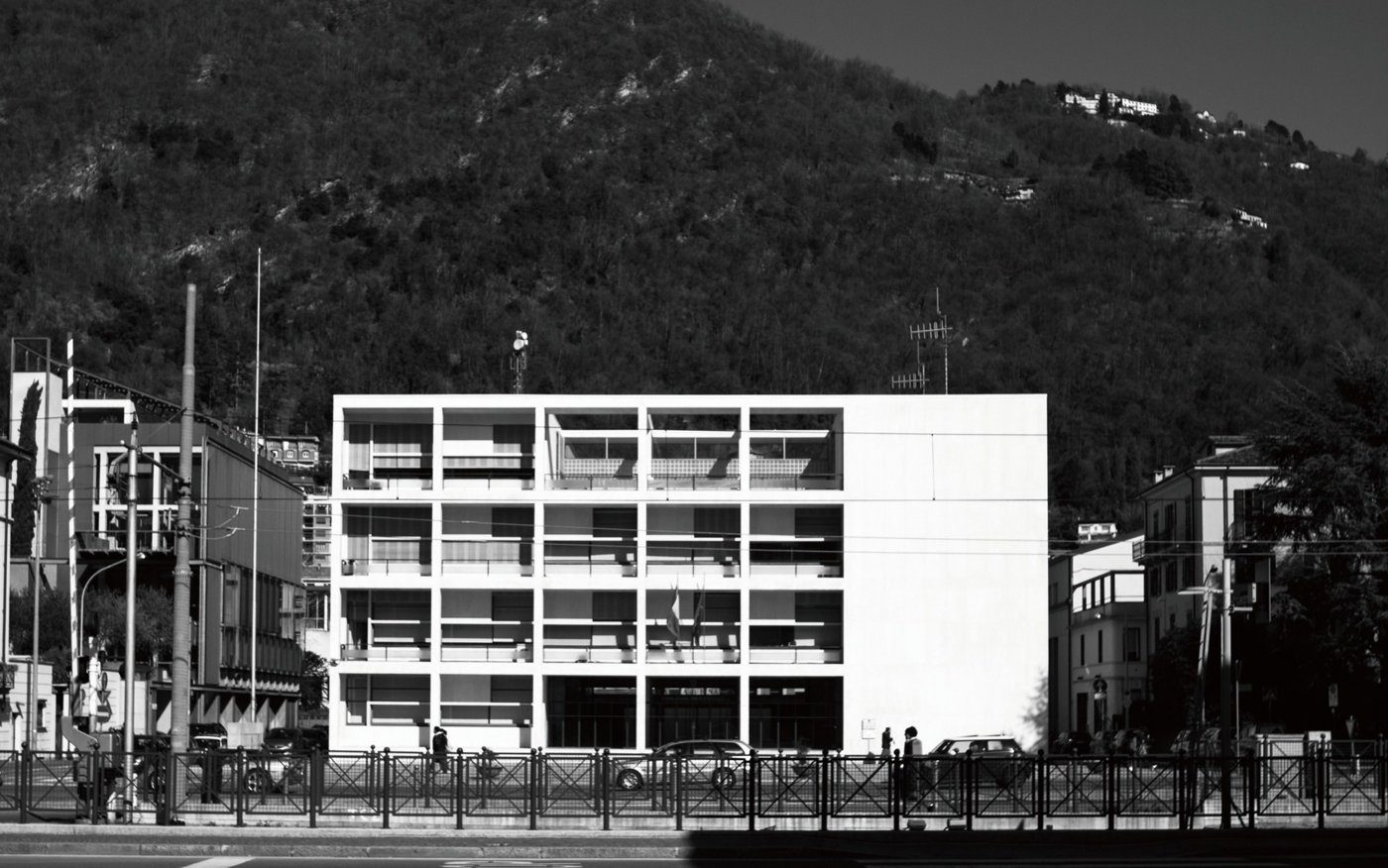
Simon Allford used the façade as a way to question one of architecture's most persistent habits: designing for the photograph of a newly completed building rather than for the decades of change that follow. Moving between modernist precedents, recent offices and reused buildings, he argued that a façade should be robust enough to survive shifts in energy policy, workplace culture and environmental expectations. The most durable envelope is not necessarily the most technologically elaborate; it is the one that can keep accommodating life without demanding wholesale replacement.
Freedom needs a framework
Allford began with the modernist idea of the "free façade": once structure is carried by a frame, the envelope is liberated from loadbearing duty. That freedom produced extraordinary experimentation, but it also encouraged architecture to treat the façade as something that could be reinvented repeatedly. Allford's counterpoint is that useful constraints can generate better long-term buildings. A clear structural grid, comprehensible openings and enough depth for adaptation may appear less spectacular than a one-off skin, yet they create a framework that later occupants can understand and modify. In that sense, longevity is an architectural quality rather than simply a maintenance outcome.
Full-height glass is not automatically generous
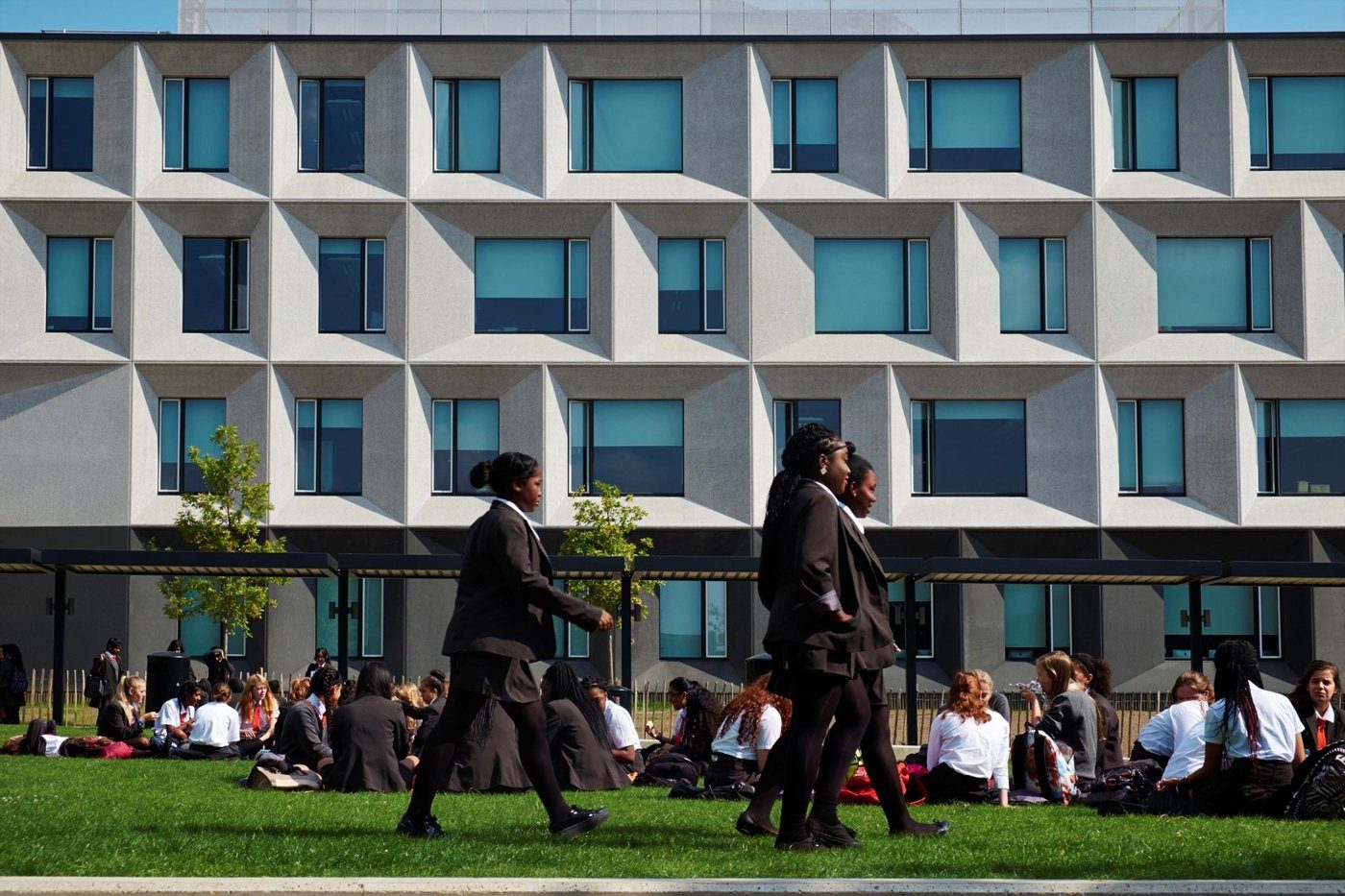
The talk repeatedly returned to the difference between an empty marketing image and an occupied room. Floor-to-ceiling glazing may promise openness, but in use the lower part of the façade often reveals desks, blinds, equipment and storage rather than an uninterrupted view. It can also increase solar-control demands. Allford described current work that deliberately brings solidity back into the envelope, including south façades with only 30–40% glazing, deeper unitised systems and terraces that provide shade as well as usable outside space. The objective is not to reject glass, but to place it where it improves daylight, outlook and occupation rather than treating maximum transparency as a default.
Reuse changes what counts as design
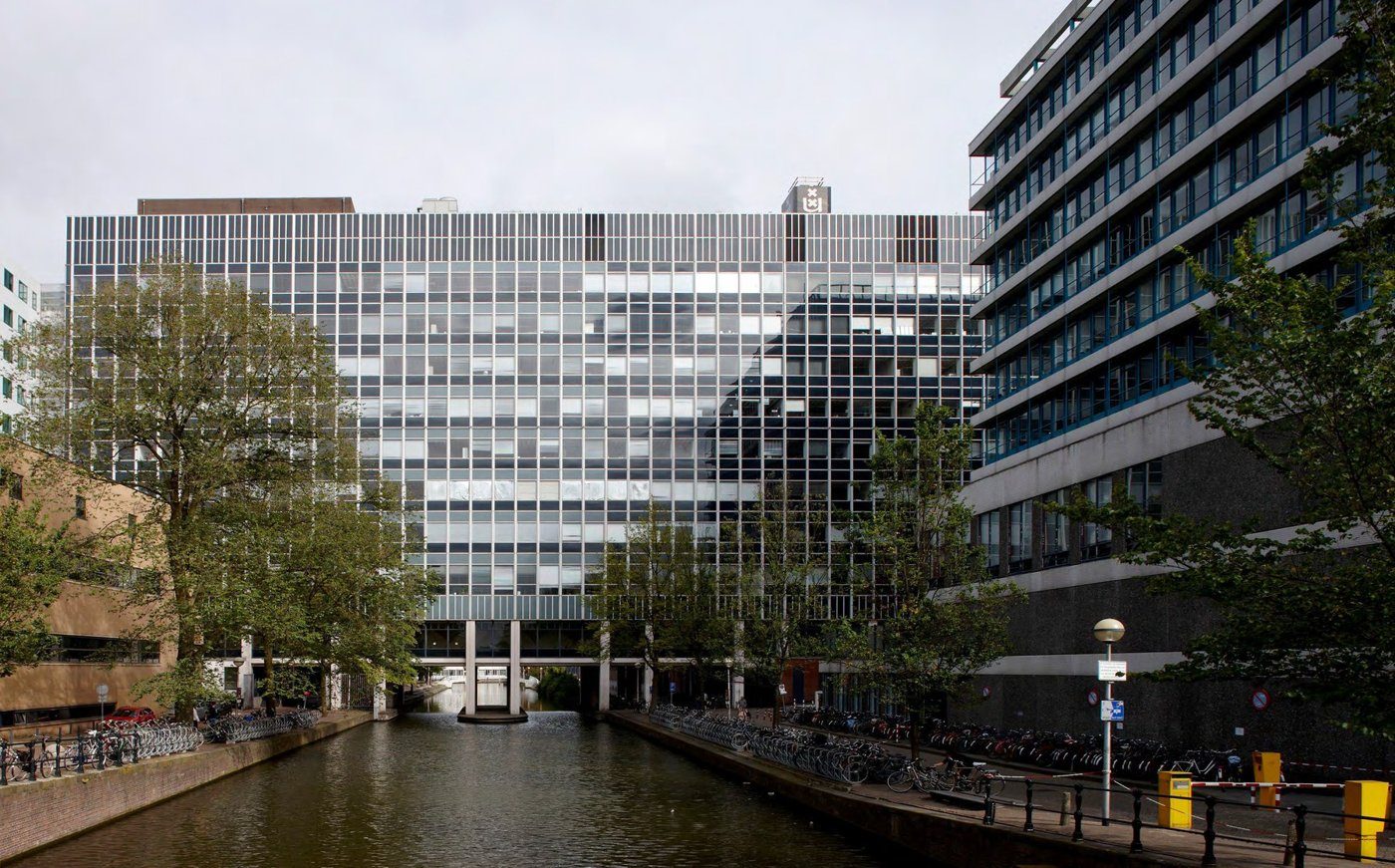
Allford showed work in which the architect's starting point is a building from the 1960s, 1970s or even earlier rather than a cleared site. That changes the creative task. Existing grids, façades, courtyards and structural dimensions become material to work with, and the new architecture has to distinguish between what deserves retention and what genuinely needs intervention. Reuse can be spatial as well as material: an old frame may support a new pattern of occupation, or a new insertion can transform a difficult courtyard while leaving the principal fabric in service.
Environmental rules will keep changing
The final challenge is uncertainty. Allford used the history of modern façades to make the point that supposedly settled answers keep changing. The horizontal window, the curtain wall and the fully glazed office each emerged from a particular combination of structure, services, energy and cultural expectation. None proved to be a permanent endpoint. That history should make designers cautious about treating today’s optimum as timeless. A façade that allows future adjustment has value precisely because the next technical orthodoxy cannot be predicted. Today's envelope is designed around operational-energy targets, embodied carbon, overheating and voluntary market standards, but those priorities will not remain static. Allford noted that a cleaner electricity grid could alter the balance between energy used in operation and energy invested in constructing ever more sophisticated façades. At the same time, naturally ventilated offices are again becoming credible for significant parts of the year. Designing narrowly around one current metric risks producing systems that become obsolete as the metric changes.
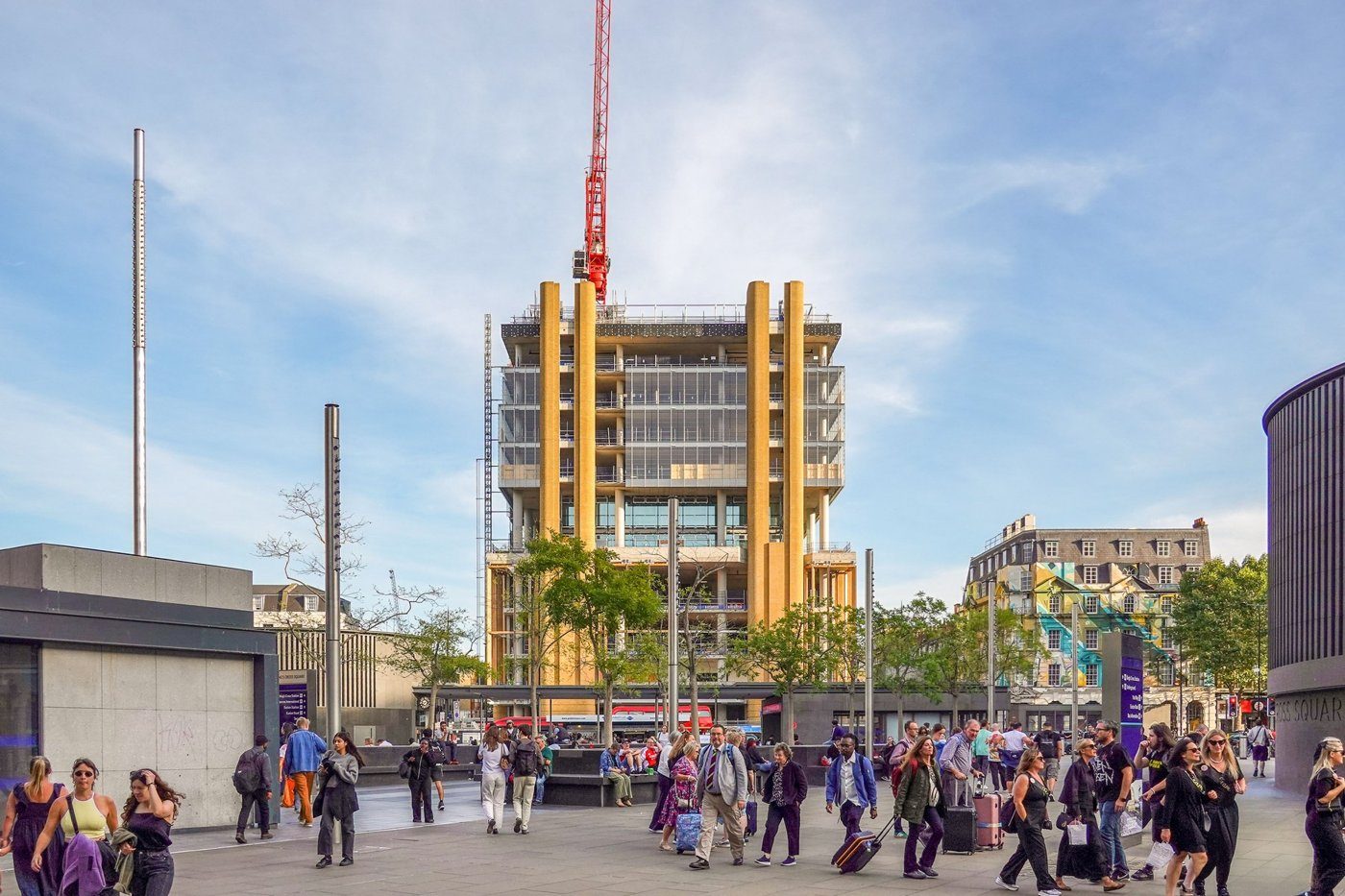
Allford's argument is therefore less nostalgic than pragmatic. Historic windows, modern frames, terraces and more solid envelopes are useful because they demonstrate how architecture can remain intelligible while technology changes around it. A façade that can be repaired, adapted and reoccupied for many decades may prove more radical than one optimised perfectly for the day it opens.