


Joshua Taron put adaptive reuse to a conservation architect, a developer, a building scientist and the city officer who funds the work. Their answers converged on knowing exactly what the existing façade is before promising anything, and on how much of the outcome is decided by permit timelines.
Joshua Taron, associate dean of research and innovation at the University of Calgary's School of Architecture, Planning and Landscape, asked what matters most in an existing façade. Christopher Zahaluk of Lemay, whose background is heritage conservation, answered with sequence rather than substance: before prescribing a solution, find out what the building is made of and how its assemblies are built. In Calgary that often means early 1900s sandstone, extending to modern heritage. Material testing, compatibility with new assemblies and the building's relationship to its neighbours all belong to that first phase.
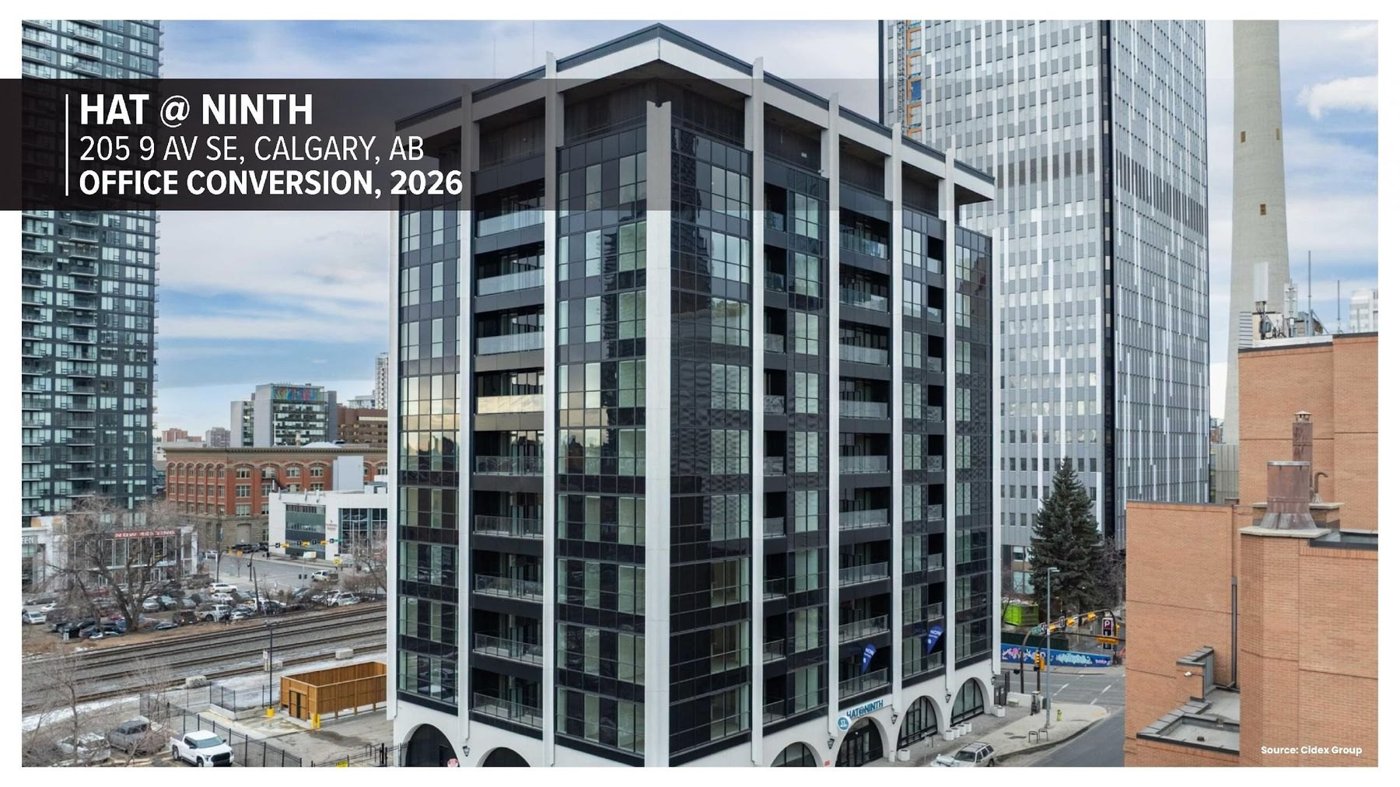
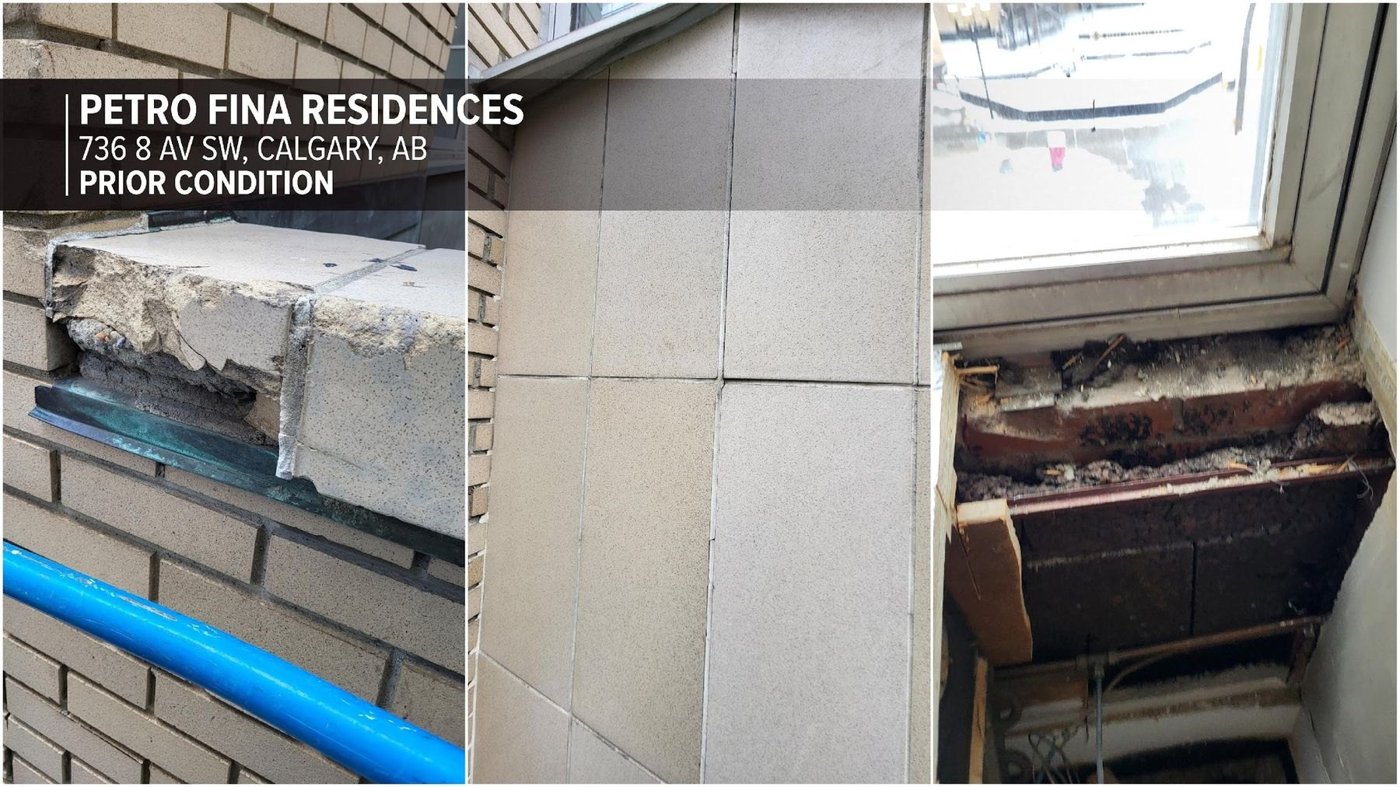
Maxim Olshevsky of Astra Group answered as a developer: the point of integration between cost per square foot and the performance and longevity of the envelope. Everyone wants the best looking and best performing building, and the pro forma does not always support one. David Leonard of METAFOR, who has had several frank disagreements with Olshevsky over exactly that, called the Petro Fina project a tug of war between not damaging a heritage building, meeting the energy targets Astra needed and paying for it. It was never a like-for-like clean and recaulk.
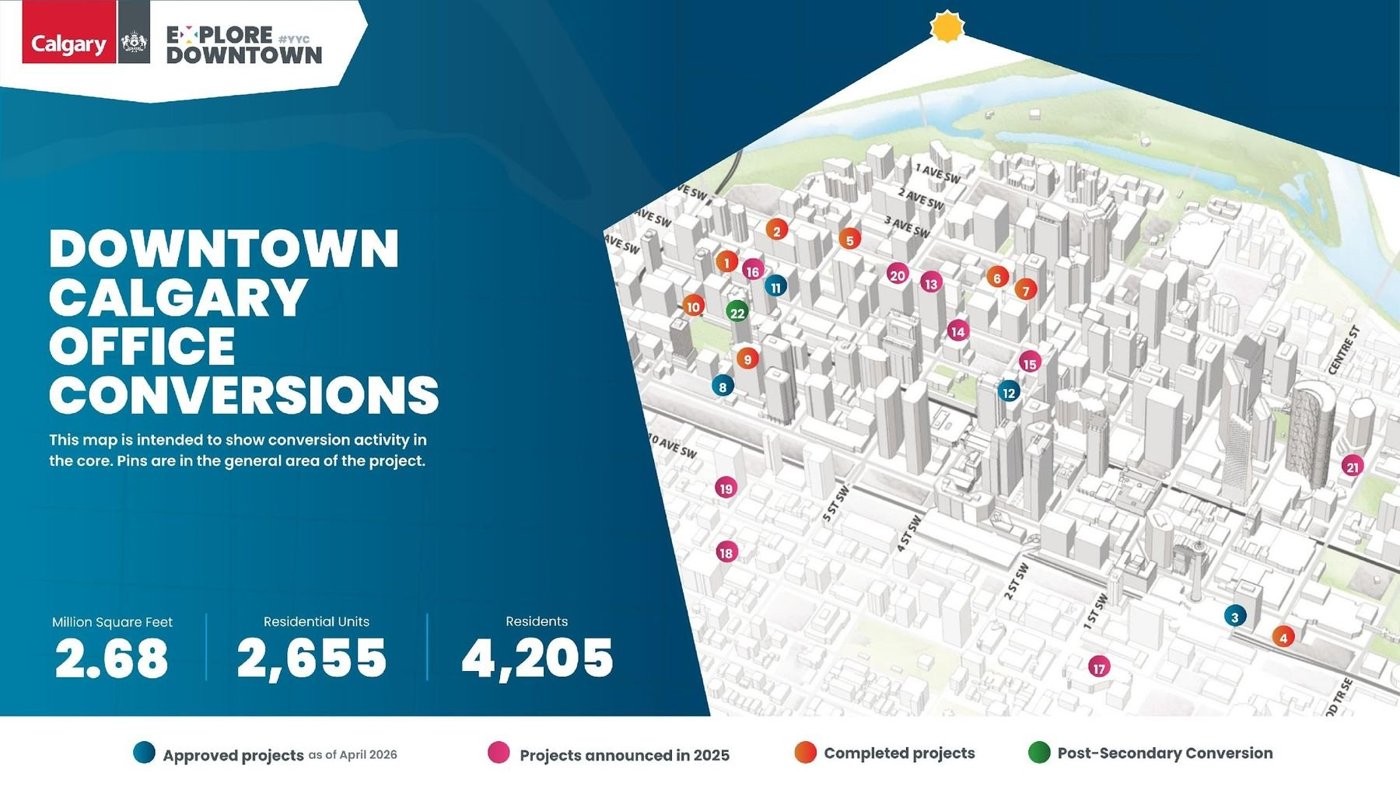
Steve Wirzba, senior development consultant with the City of Calgary's downtown strategy team, has worked on the office-to-residential conversion programme since it launched in 2021, against the vacancy left by the 2014 to 2015 oil downturn. Reducing office vacancy stabilises the tax base and property values; alongside that sit downtown vibrancy, real and perceived safety, and new homes. Last year was the programme's biggest for completions.
Pressed on priorities beyond cost, Olshevsky went to the technical heart of it. An old structure used to breathe. Modernising it adds another layer to meet current criteria, and making both work at once means merging two worlds that were never meant to coexist. Astra crosses nothing off until the path of least resistance appears. The envelope systems at 800 6th, Petro Fina and the Cornerstone all differ, each aimed at a specific efficiency target.
For Leonard the first priority is public safety. Before anything was drawn, his team got onto a swing stage and inspected the building, found loose bricks and dealt with them, then thought through the state of the fabric at every phase and the interior conditions an office inherits once it becomes housing.
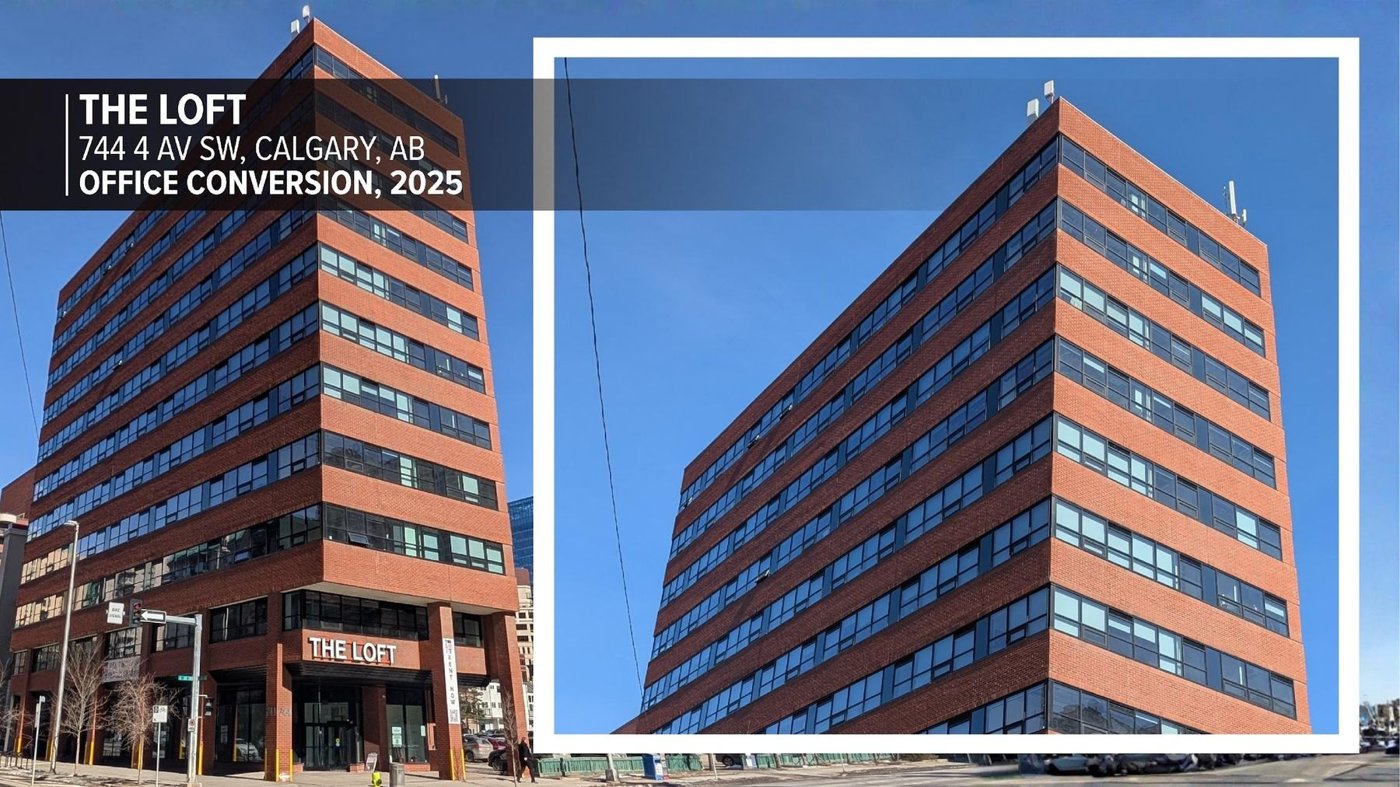
Designation, Zahaluk noted, makes the path clearer: character-defining elements and heritage fabric are already identified, which sets the rules. Undesignated buildings and modern heritage need the same understanding phase to locate where the importance sits. From there the work is to study how old and new perform together and to set a hierarchy, usually with the designated fabric front and centre, without making the new addition secondary. A historical framework is only a starting point, since value accrues after designation and is rarely written down.
Public money brings its own tests. Wirzba's team reviews applications for access to natural light, how the building works at ground level, street activation and amenity space. Rather than iterating with developers over what it liked and did not, the programme now sets clear guidelines up front and asks for the applicant's best version. They stay guidelines, not rules, since downtown projects of this scale can sit outside the permit process altogether.
Leonard showed what that costs. Bringing a balcony inside the envelope of a structure that had never been properly cold meant a pile of extra insulation and, on one project, effectively 200 new roofs, because drainage was needed where none had existed. Daylight got worse, since moving the envelope inboard shaded the balcony, and demonstrating that to the city produced both a better space and a saving. Zahaluk added that heritage materials are typically opaque, at odds with amenity space built around views.
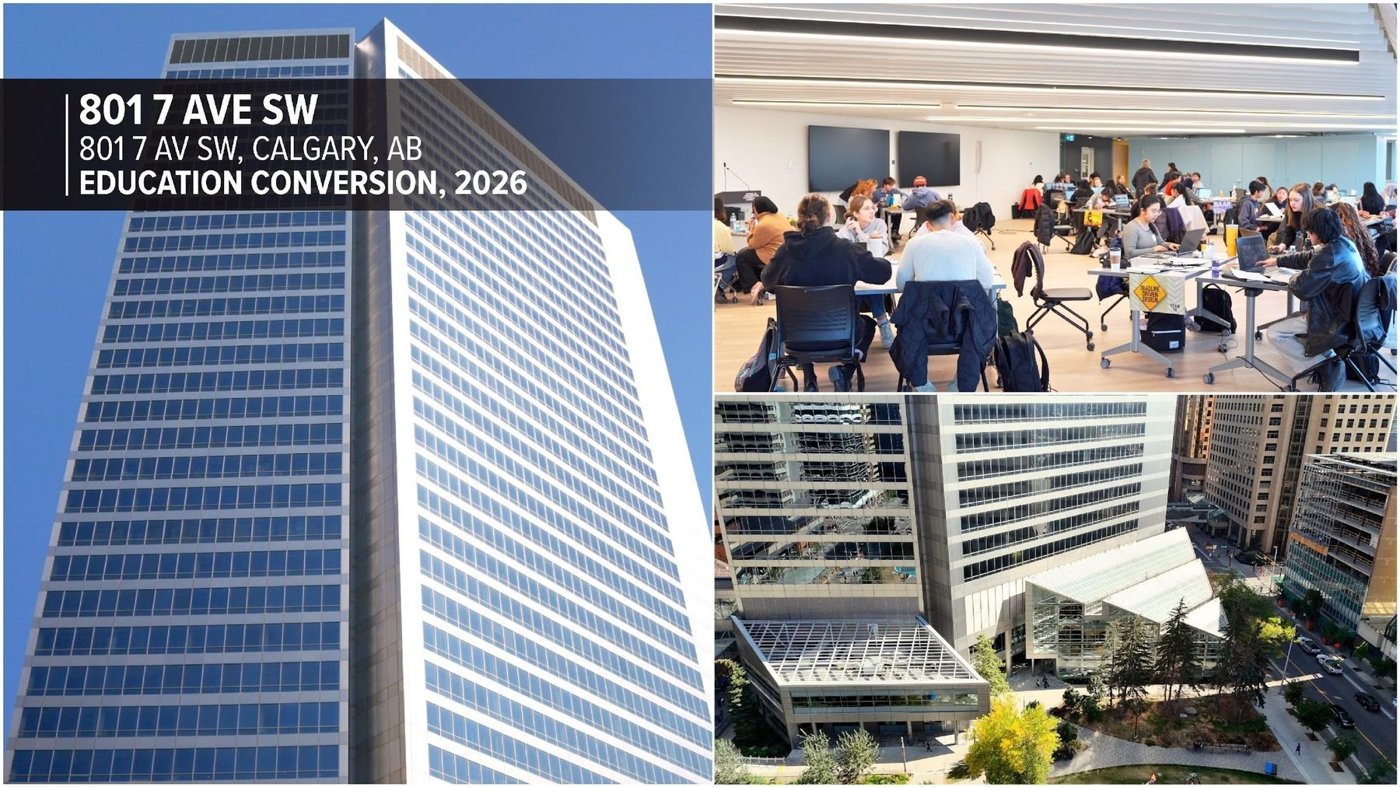
Not every conversion keeps its skin. Wirzba pointed to projects where the entire wall system came off, the Taylor building among them, whose curtain wall went completely and whose replacement is most of the way up. At Petro Fina the opposite held: the building was not designated, and pursuing designation during the conversion let the team keep almost all of the exterior except the windows, which were too old. That proved more cost effective, faster and more sustainable, at the price of a six million dollar glazing package, and mechanical services had to be rerouted to the rear to protect the heritage fabric. Windows, Leonard said, are a good place to put money.
Asked why Calgary leads on conversions, Olshevsky credited policy: incentivise what you want to happen. The redevelopment incentive was one half; process the other, since a change of use in the enterprise area can bypass the development permit and be settled with the city directly. Nothing moves on life safety, but a staircase two centimetres off code can be discussed. That made the risk worth the reward, and delegations soon arrived from Denver and San Francisco.
Closing advice divided neatly. Wirzba: build a relationship with your municipality early and hope for a yes-first attitude, because the timeline sets both budget and quality. Leonard: go slow to go fast, since he cannot say whether the brick stays until he has looked at the brick. Olshevsky doubled down on speed instead, noting that the Cornerstone permit came thirty days after the architectural plans went in, and that two years of carrying costs land in the pro forma. Zahaluk: take stock of what is already there, because the energy and money in an existing building can be reapplied almost without limit.