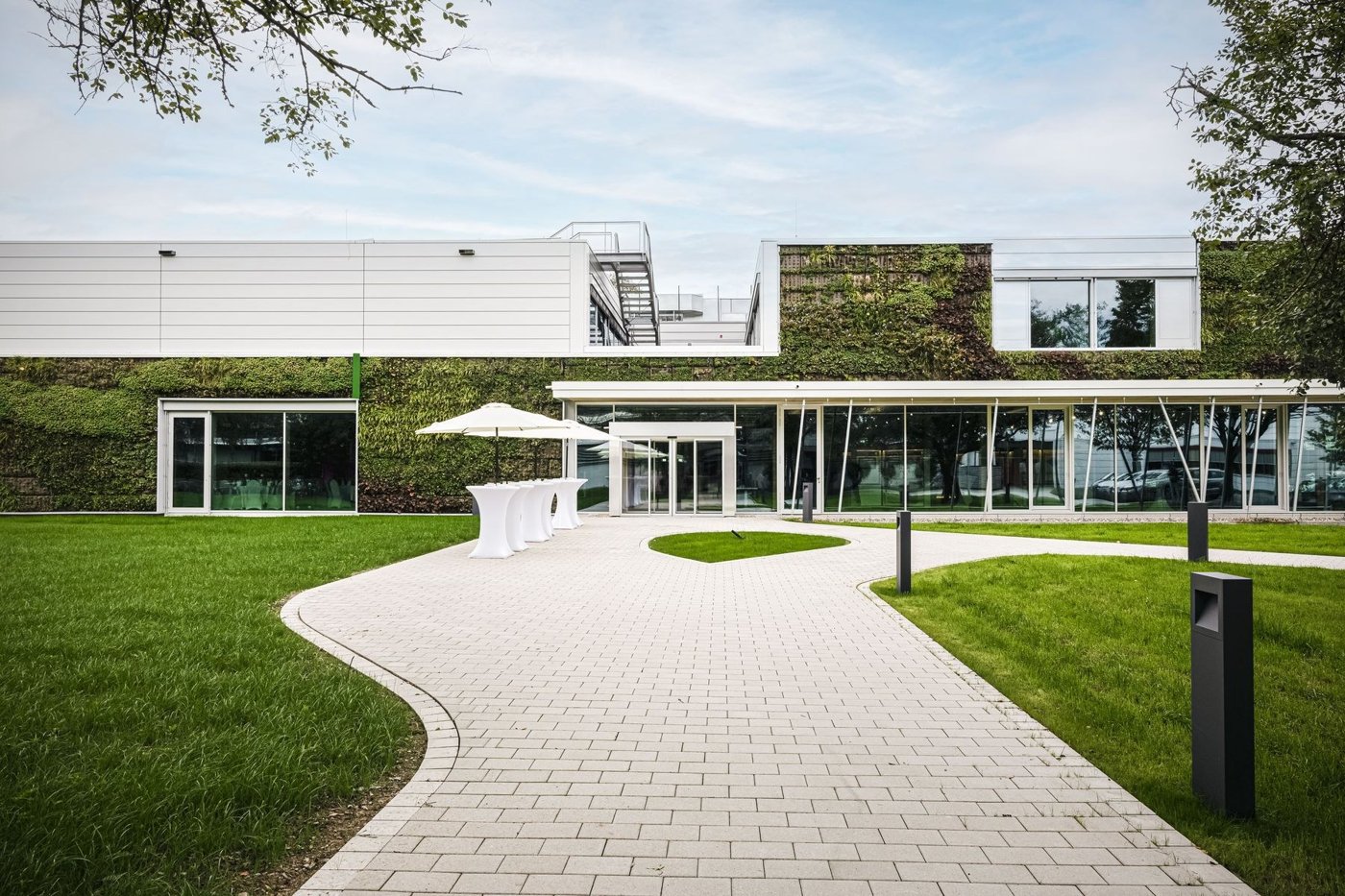
Rainscreen subframing is often hidden after completion, yet it governs load transfer, thermal bridging, fire behaviour and long-term durability. Natasha Appel argues that stainless steel can reduce several of those risks simultaneously when attachment density and alloy selection are designed as a system.
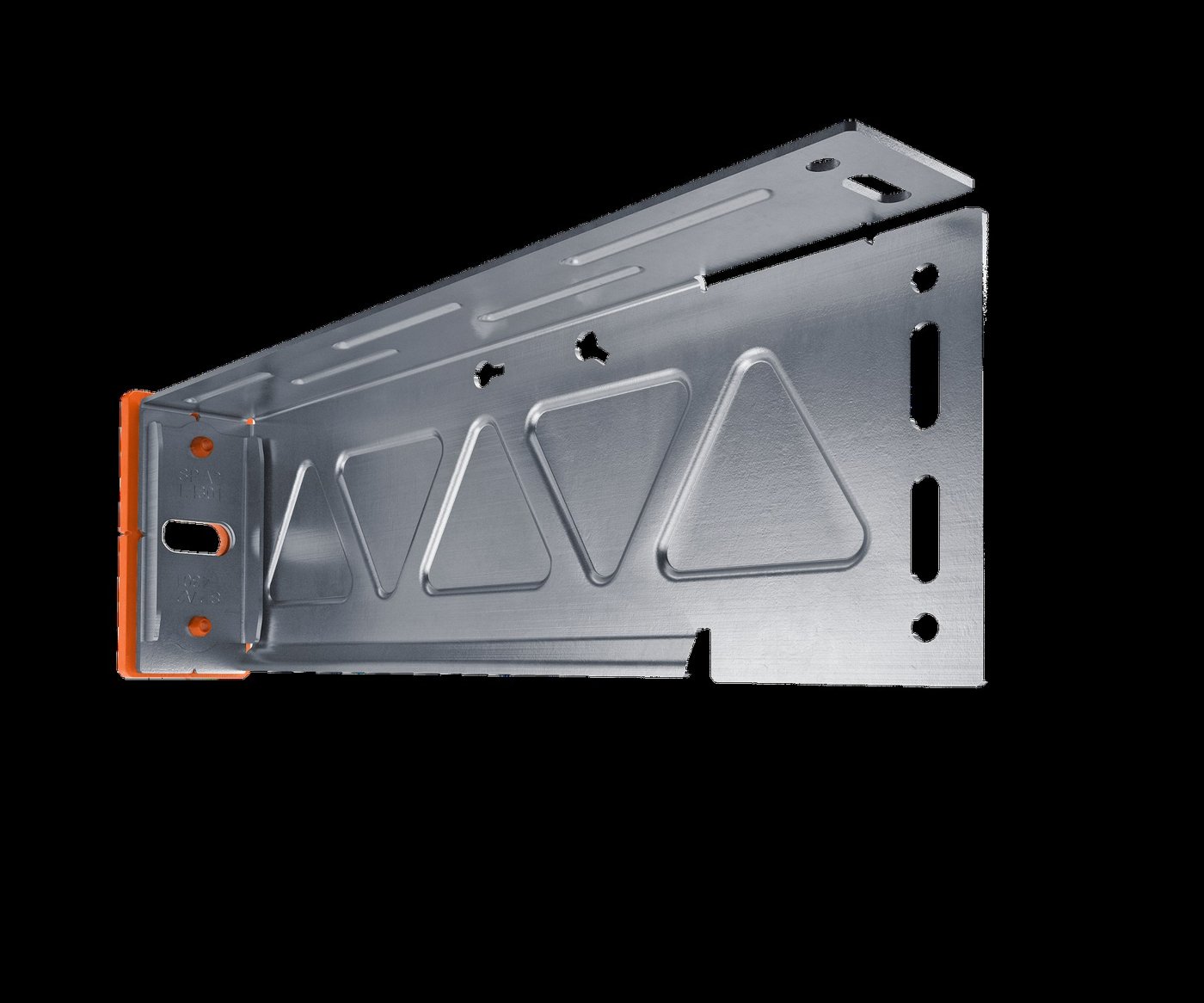
Design attention usually goes to the visible cladding, while the brackets, rails and fasteners behind it are often treated as a commodity package. Appel’s argument is that this reverses the actual responsibility of the system. The subframe transfers dead load, wind and seismic forces to the backup wall, establishes the cavity depth, accommodates construction tolerance and allows thermal movement. Failure in that hidden layer can compromise the entire façade regardless of how durable the outer panel may be.
The subframe is not interchangeable hardware
Material selection for the subframe therefore has consequences across several performance categories at once. Strength affects bracket size and spacing. Thermal conductivity affects heat flow through insulation. Melting point and retained strength matter during fire exposure. Corrosion resistance influences service life in a cavity that can remain damp and difficult to inspect. These factors need to be evaluated together rather than optimised independently.
Thermal bridges multiply across the elevation
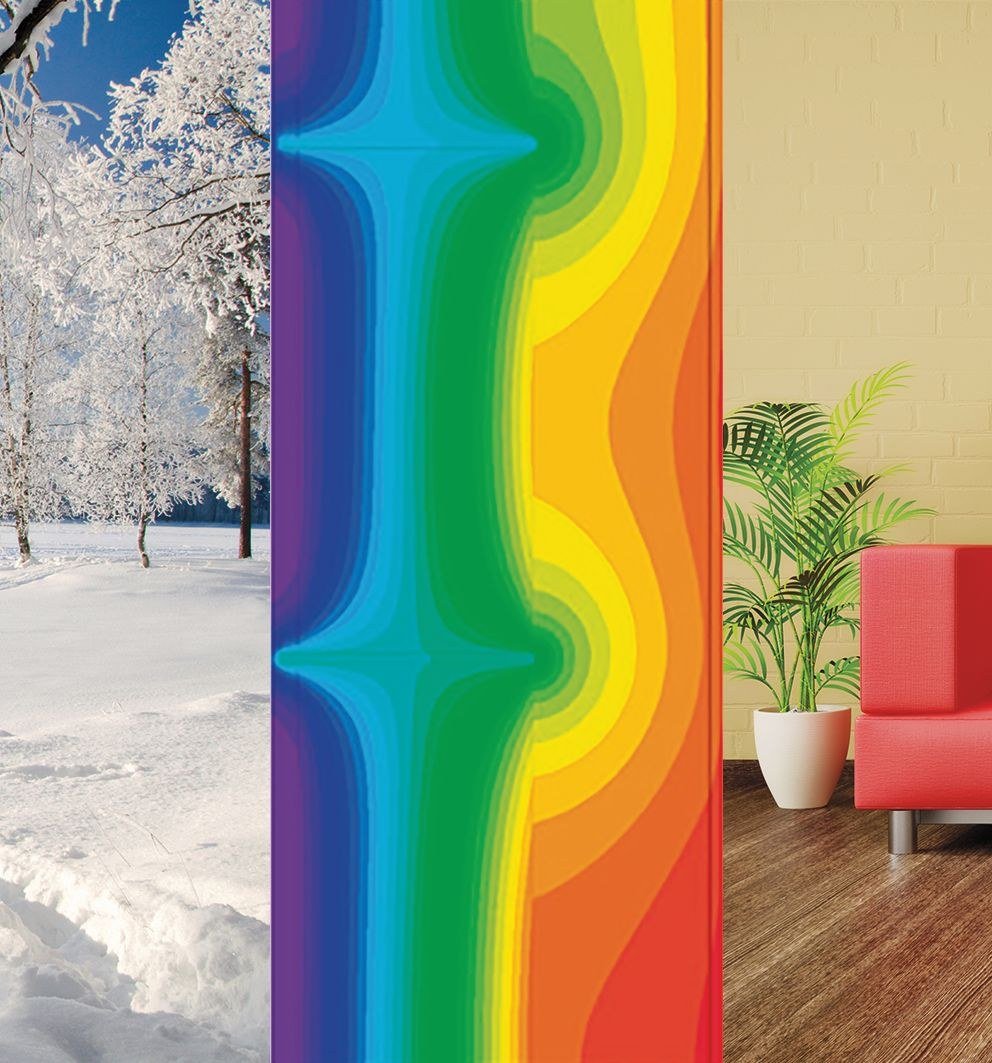
Continuous exterior insulation is intended to reduce heat flow through the wall, but every bracket that penetrates it creates a local bridge. The significance of those bridges depends on both conductivity and density. A highly conductive bracket repeated thousands of times can reduce the effective R-value of an otherwise thick insulation layer. Stainless steel has much lower thermal conductivity than aluminium, which can allow a support system to interrupt the insulation with less heat transfer. Structural strength can also influence bracket count: if fewer or thinner components can carry the required loads, the thermal benefit is compounded. This is why thermal modelling should use the actual proposed attachment geometry and spacing rather than assuming that continuous insulation performs at its nominal material value.
Fire performance includes the support frame
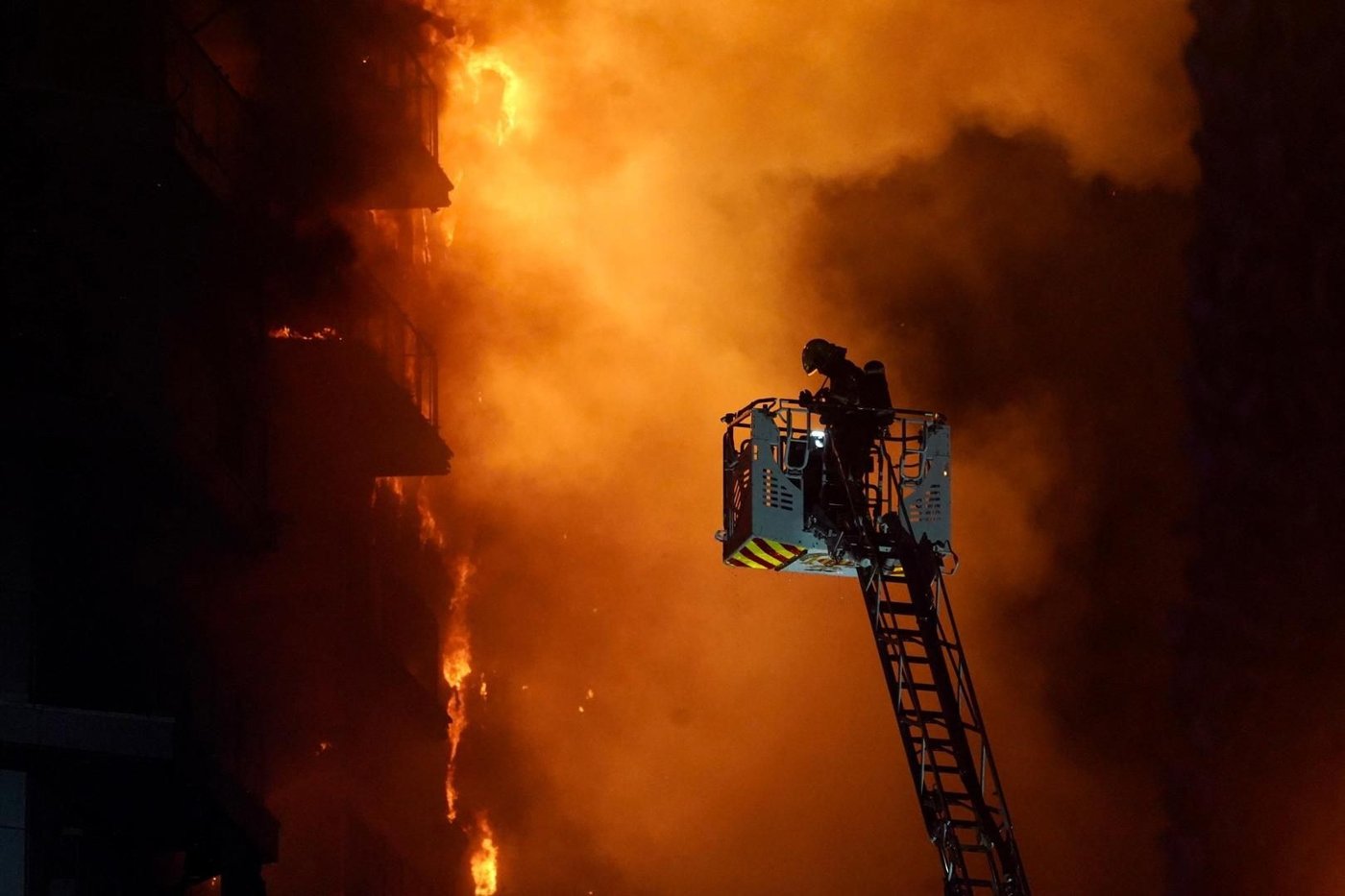
Ventilated rainscreens create a vertical cavity that can support rapid fire movement if combustible materials or missing barriers allow flames to enter it. Cladding, insulation and membranes receive most of the attention, but the subframe also has to remain sufficiently stable for barriers and panels to perform as intended. Appel contrasts the high melting point and elevated-temperature strength of stainless steel with lighter metals that lose capacity earlier under heat. That does not make a stainless-steel bracket a complete fire strategy; tested wall assemblies and cavity barriers remain essential. It does mean that the attachment layer can be selected to avoid becoming the weak link in a system expected to maintain compartmentation and resist falling components during a fire.
Corrosion is a service-life problem
A rainscreen cavity is ventilated, not dry. Driving rain, snow, condensation and local wetting can all reach the support system. Marine and industrial environments add more aggressive exposure. Because the subframe is concealed, deterioration may progress for years before it is visible from the exterior. The smallest components can be the most vulnerable. Anchors and screws have limited cross-section, so corrosion can consume a meaningful share of their capacity long before a larger rail appears distressed. Appropriate stainless-steel grades provide a passive chromium-oxide layer that protects the metal and can support very long service lives with limited maintenance. Alloy selection still needs to reflect exposure; one grade is not equally suitable for every chloride or industrial environment.
Durability can outweigh initial material efficiency
Stainless steel carries an embodied impact at manufacture, but lifecycle assessment has to include service duration, maintenance and end-of-life recovery. A hidden component that survives for the life of the façade avoids the material and labour associated with opening the rainscreen for replacement. Its scrap value and ability to be recycled without substantial loss of quality also improve recovery prospects at demolition. The important design move is to use those properties intelligently. Stainless steel should not be specified simply because it sounds durable. Bracket geometry, spacing, thermal modelling, alloy grade and connection detail should be optimised so that the material’s strength and low conductivity reduce the amount of metal and the number of penetrations. When that happens, fire resistance, energy performance and longevity reinforce each other rather than competing for separate solutions.
Optimisation also means resisting the temptation to compare metals only by kilograms of embodied carbon. A lower-density or lower-impact material can require more brackets, larger thermal pads or earlier replacement, changing the whole-wall result. The relevant unit is not the bracket on its own but the amount of attachment needed to support a square metre of façade for the intended service life. Structural and thermal modelling can reveal whether a stronger, less conductive material allows meaningful reductions in component count.
This is particularly important at interfaces with fire barriers and insulation. Every bracket interrupts otherwise continuous layers, so reducing the number of penetrations can simplify detailing as well as improve performance. Fewer penetrations mean fewer locations where membranes must be sealed and fewer obstacles around cavity barriers. The hidden subframe therefore has disproportionate influence on the reliability of the envelope. Appel’s argument is strongest when stainless steel is treated not as a premium fastener material but as one option within a whole-system optimisation that considers load, heat, fire, corrosion, maintenance and recovery together.
The attachment strategy also needs to accommodate movement without turning durability into restraint. Rainscreen panels, rails, brackets and the backup wall expand at different rates. Fixed and sliding points should be located so that thermal movement is released predictably rather than accumulating stress in fasteners or cladding. Stainless steel’s strength is valuable, but a stronger bracket is not a licence to lock the façade rigidly to the structure. This is another reason the subframe should be engineered rather than selected from a catalogue in isolation. The optimum system balances bracket spacing, rail direction, movement slots, anchor capacity and cavity depth against the chosen panel. If those variables are resolved together, the hidden structure can be materially efficient and easier to inspect. The result is a rainscreen whose visible cladding is supported by a deliberately designed load and movement path rather than by a collection of “standard” accessories.
The specification should also name the intended exposure class and alloy rather than leaving “stainless steel” undefined. Coastal salt, industrial pollutants and sheltered cavities can produce very different corrosion conditions. Matching alloy, fastener and bracket material avoids galvanic and localised corrosion problems that are hard to diagnose once the cladding is closed. That small amount of upfront precision protects the long service life on which the lifecycle case depends.