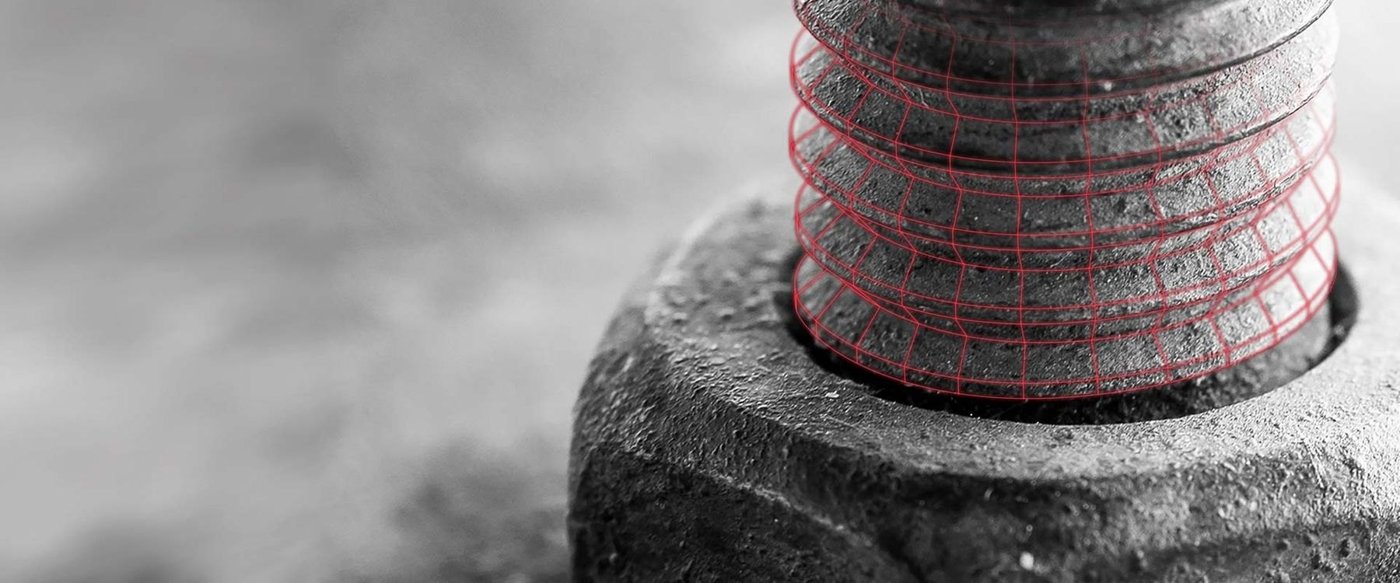
Natasha Appel shifts attention from the visible panel to the rainscreen attachment system, showing how bracket material and connection design influence thermal bridging, fire behaviour, structural capacity, corrosion and long-term façade reliability.
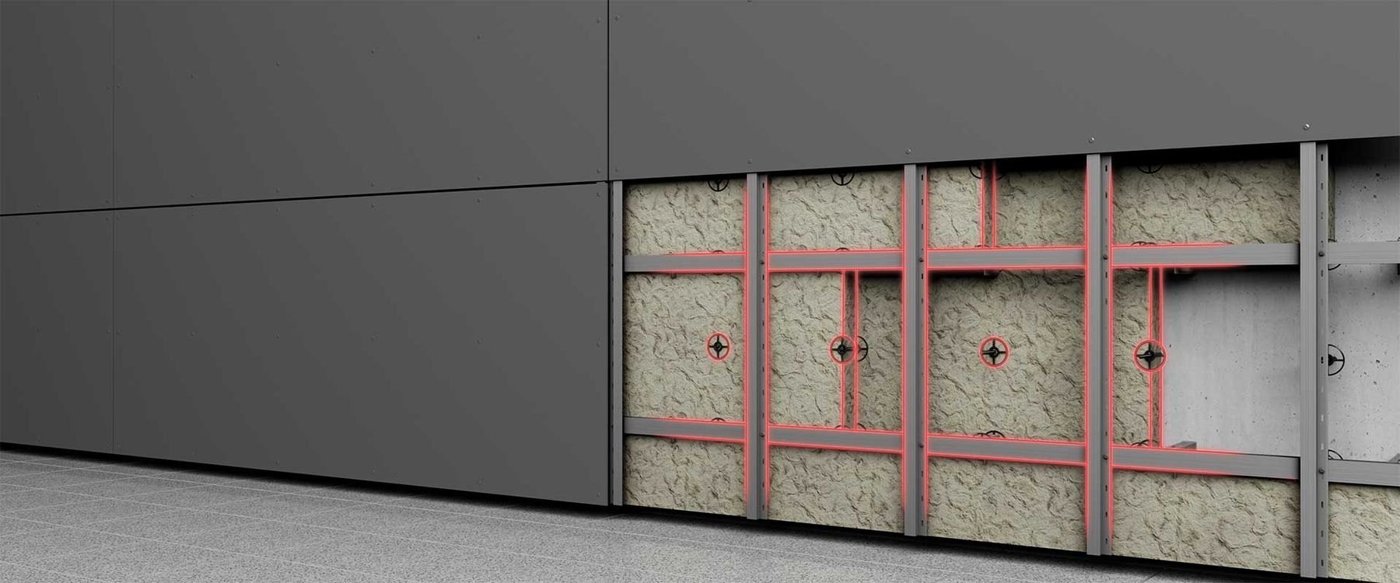
Stainless Steel: Preferred Material for Rainscreen Attachment is approached as a connected façade problem rather than a single material decision. The project logic behind rainscreen performance starts behind the cladding becomes clearest where subframes need engineering is resolved through geometry, performance and buildability.
Subframes need engineering
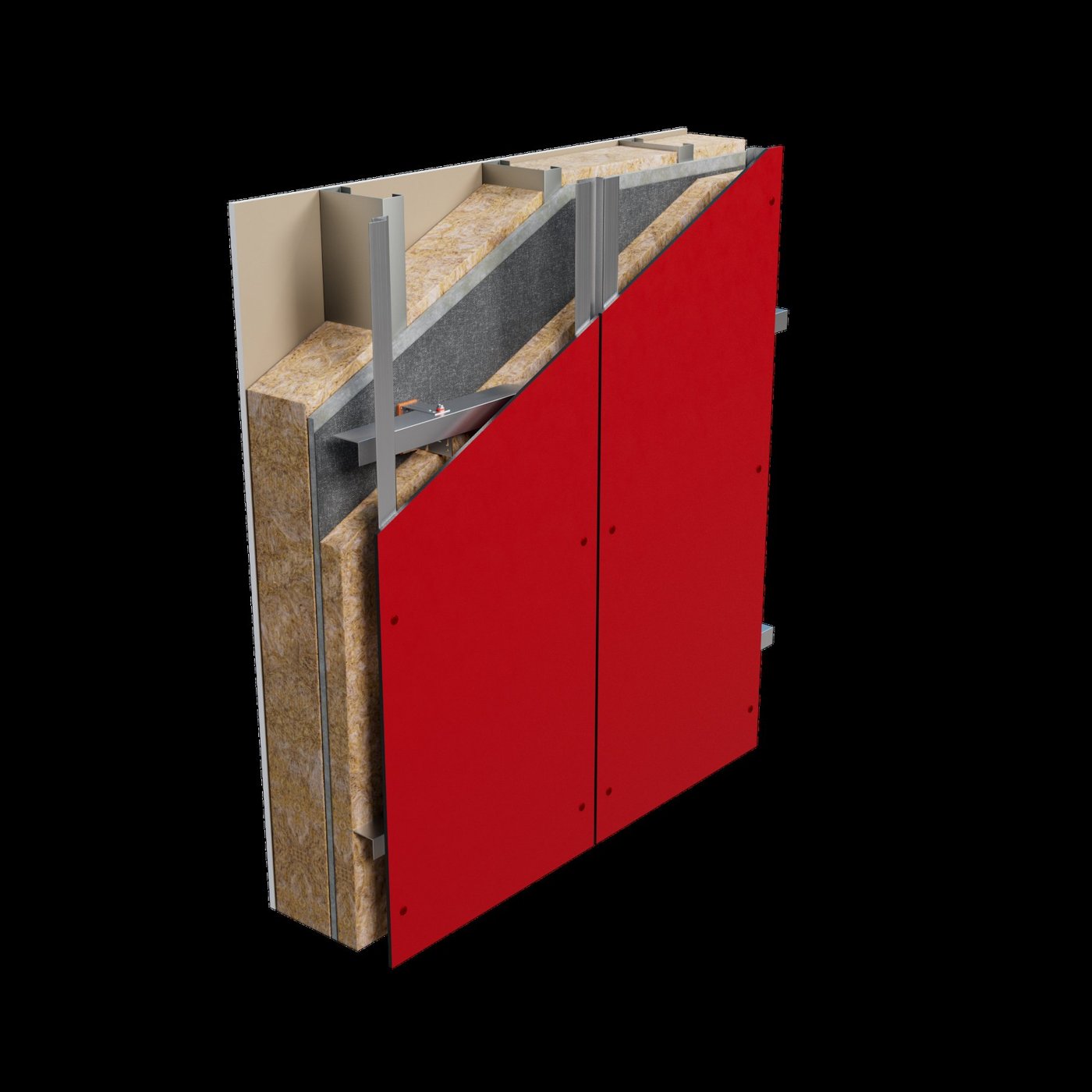
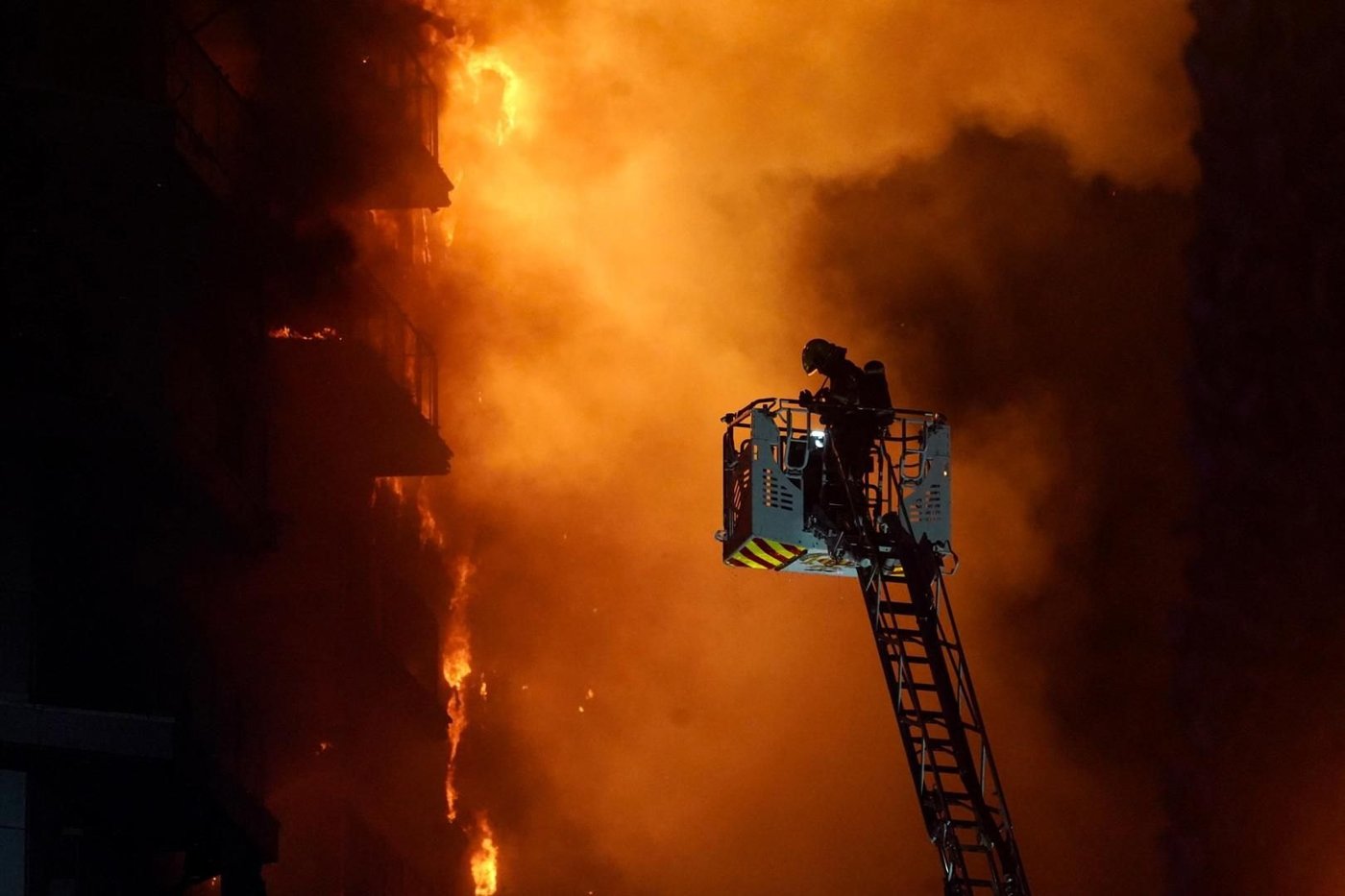
Rainscreens are routinely specified through the cladding material, yet the concealed attachment system controls many of the façade’s most important performance paths. Brackets, rails and fasteners transfer wind loads back to structure, bridge the insulation layer, define cavity depth and create points where fire, moisture and corrosion risks have to be managed. Appel’s premise is simple: when a façade fails, the visible panel is often not the component that initiated the problem.
Bracket material changes behaviour
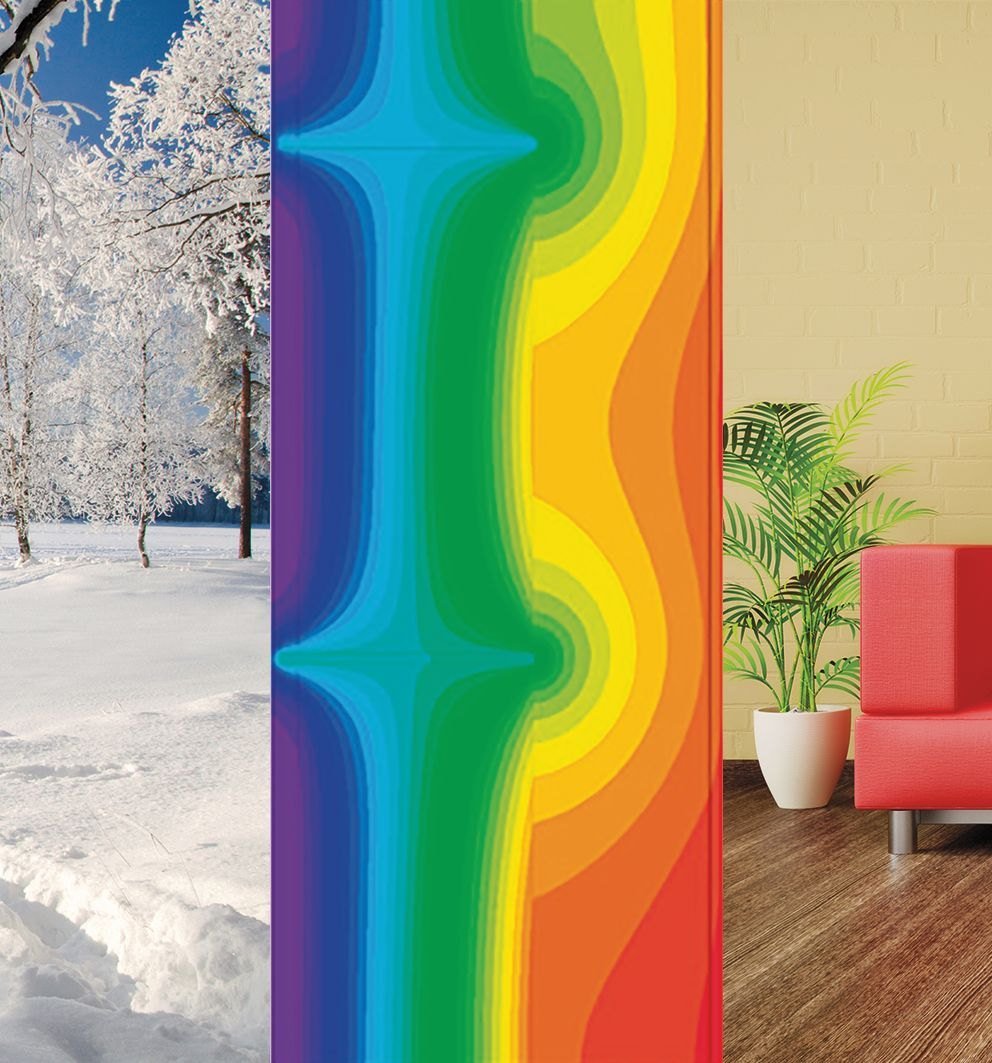
Material selection has consequences beyond strength. Aluminium brackets are highly conductive, so they can create significant thermal bridges through exterior insulation unless geometry or thermal breaks reduce the heat path. Stainless steel has lower thermal conductivity and can therefore reduce point-bridge effects, although the comparison must also consider section size, grade, cost and structural demand.
Small connections deserve attention
Fasteners and clips are easy to overlook because they are physically small, but they are repeated thousands of times. A minor problem in one connection can become a façade-wide issue when multiplied across the elevation. Specifications therefore need clarity on material grade, embedment, edge distance, coating, installation torque and inspection.
Thermal bridges accumulate
A single bracket may look insignificant in a wall section, but a rainscreen façade can contain many of them. The conductive path through each attachment repeats across the elevation, so bracket material, cross-sectional area and spacing can materially affect the effective U-value of the opaque wall. Appel's comparison of attachment options is therefore a reminder that nominal insulation thickness is not the same as whole-wall performance. A highly insulated cavity can be undermined by a dense grid of conductive supports.
Optimising the attachment system involves several variables at once. Increasing bracket spacing can reduce thermal bridging but raises rail loads and may require stronger components. Reducing metal area can improve thermal performance but must preserve structural capacity, installation tolerance and fire behaviour. The correct subframe is the one that balances these requirements rather than maximising any single metric in isolation.
Hidden materials affect durability
Stainless steel is presented as one route to combine strength with lower conductivity than aluminium and strong resistance to corrosion. The benefit is most relevant where the bracket remains exposed to cavity moisture, coastal salts or other aggressive conditions for decades. Corrosion is not merely a cosmetic concern behind a rainscreen: section loss or galvanic interaction can affect the capacity of the attachment that holds the cladding to the building. The hidden position of these components makes design discipline more important, not less. Once the façade is closed, replacement can require removal of panels and disruption of the weather barrier. Fasteners, isolators and rail connections should therefore be selected with the same service-life expectations as the visible cladding. Appel's wider point is that the architecture depends on a concealed structural and thermal network; treating it as a commodity package risks giving away performance that was carefully specified elsewhere in the wall.