


Donel Dippi set out curtain wall fire protection from the point where the frame has stopped existing, and noted that the Philippine code does not ask for the spandrel separation, which the codes he rates most highly all require.
Dippi began with the material everyone designs in and nobody thinks of as temporary. Aluminium loses its structural integrity at around 350 degrees and melts past 600, which on the time-temperature curve every fire test follows means roughly nine minutes in a fire it completely melts away. Glass wool goes at six minutes, single glazing at twenty-five. Stone wool, at five hours and something over a thousand degrees, is still there. So the question a curtain wall has to answer is not how it behaves in a fire but what is left holding the line once the frame that carried it has gone.
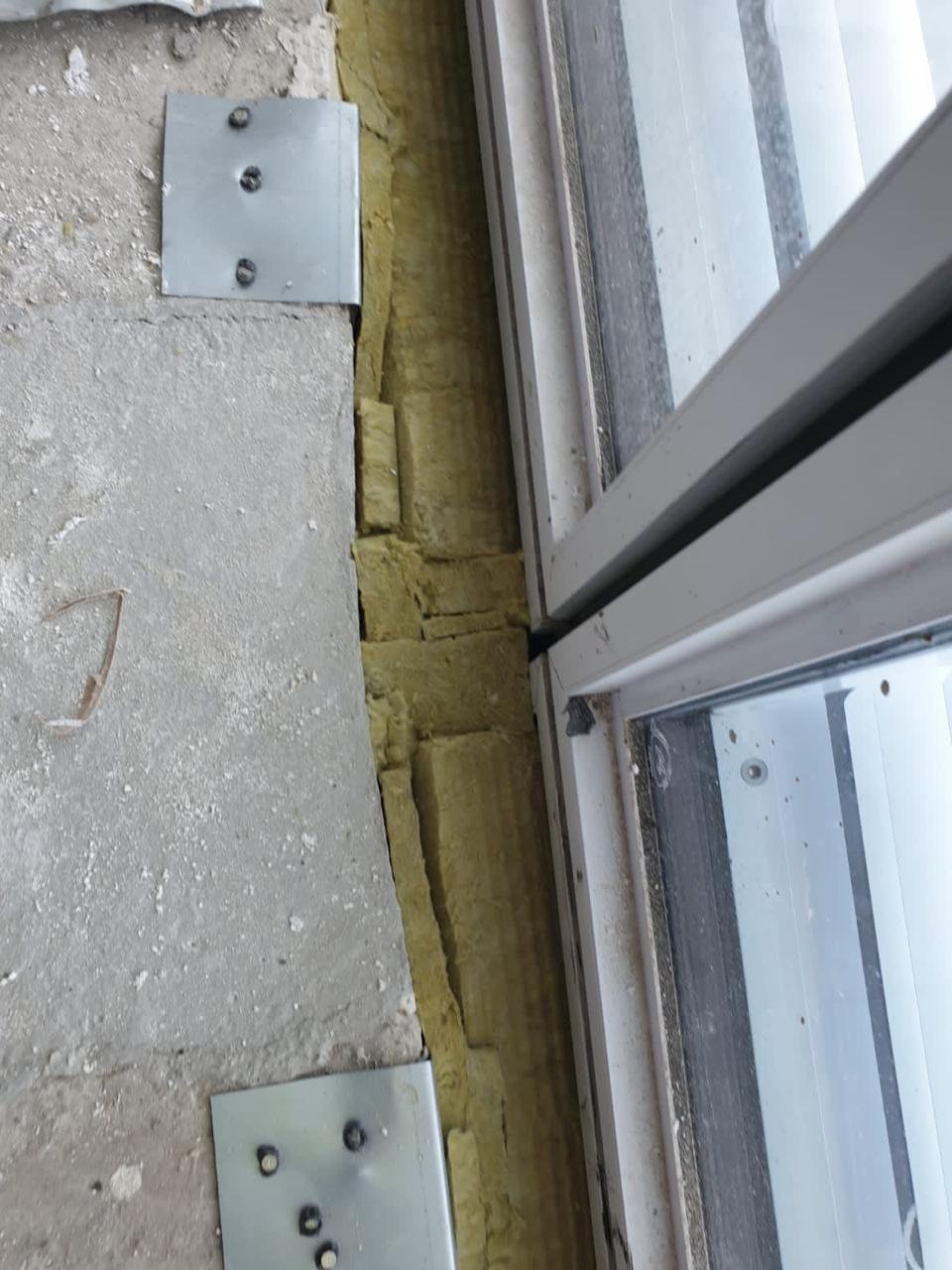
That is what a perimeter firestop is for, and there are two ways the fire gets past it. The first is internal, up through the movement joint between the floor slab and the spandrel, the gap the façade needs in order to move at all. The second he called the leapfrog: the vision panel breaks, flame comes out of the window and back in at the floor above, going around the firestop rather than through it. Neither can be designed out. A fire is going to happen irrespective of whatever you do, he said, and what correct detailing buys is time, to escape the building, to save your property, for your fire services to come to put out the fire and extinguish it.
The number the local code does not ask for
His most pointed slide was about jurisdiction. The Philippines code unfortunately does not really focus on curtain wall fire spread, so he set two others beside it. The UAE fire safety code requires a spandrel separation of 914 millimetres, rated at one hour, and requires the perimeter firestop to carry the same rating as the floor slab it continues: on a two-hour slab, the curtain wall firestop extends that fire performance of the floor out to the façade. The American code asks for the same 914 and for the firestop to be tested to ASTM E2307, with a reduction allowed where there is an automatic sprinkler system. The Philippine code has taken a great deal from the American one. It has not taken this.
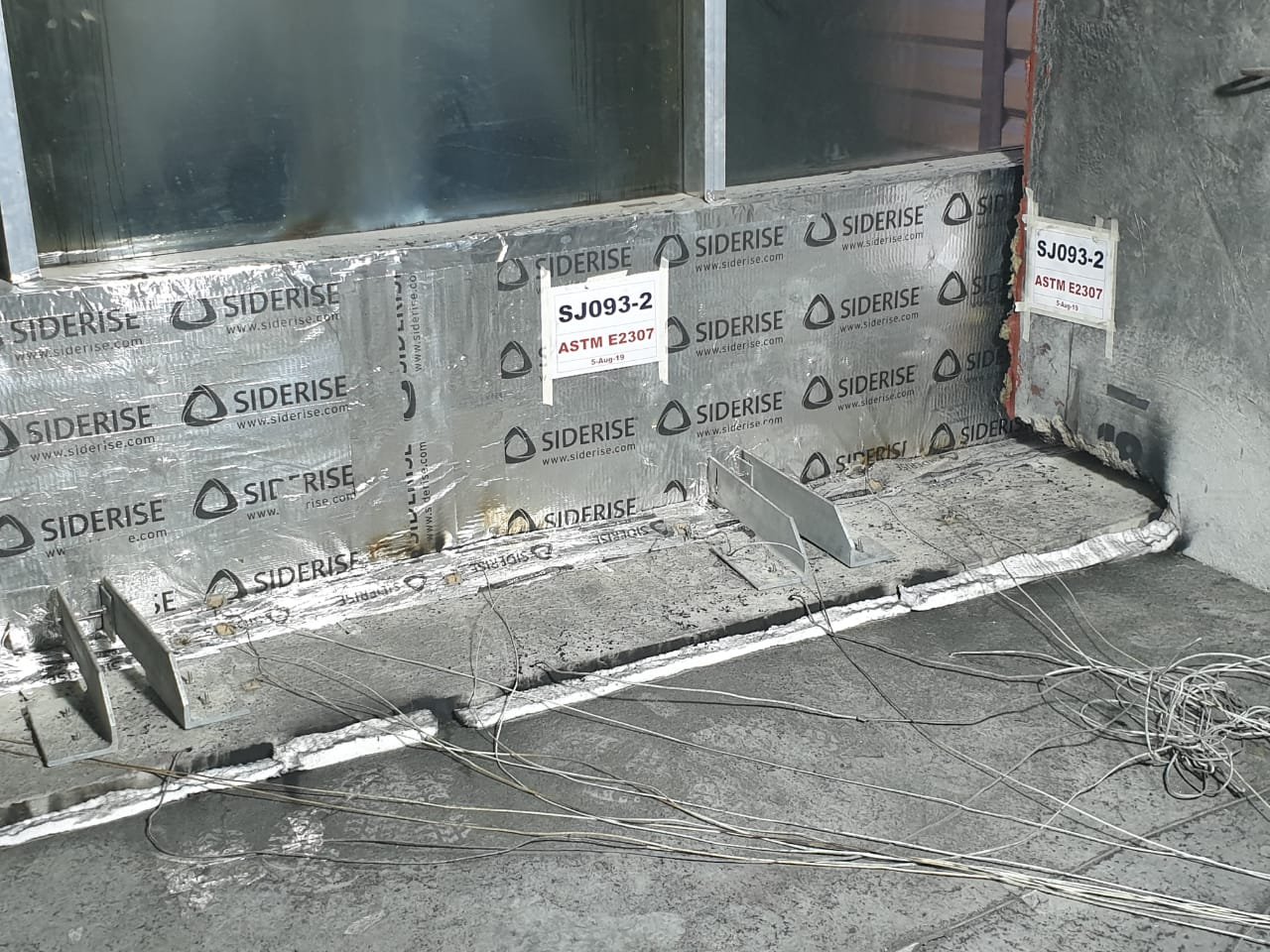
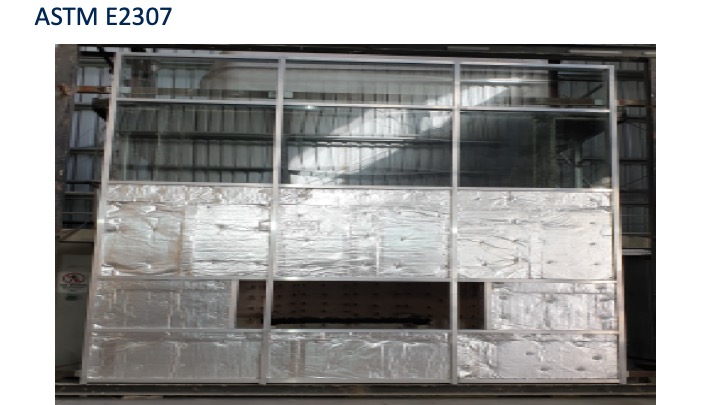
The test itself has two burners, one inside the apparatus and one outside against the curtain wall. He showed the same specimen at five minutes and at twenty-seven, by which point the aluminium has melted out of the assembly entirely, with the required performance being two hours. It is a useful image to hold against a drawing: everything visible in the elevation is gone, and whatever was packed into the slab edge is doing the work.
The cavity that becomes a chimney
Ventilated façades create the opposite problem. A conventional firestop across the cavity would close the ventilation the system exists for, so the answer is an open-state cavity barrier: an intumescent strip along the leading edge that stays open in use and closes when it has to. It reacts to heat rather than flame, at around 130 to 140 degrees, so it is only something that would happen in an actual fire scenario. Codes in the UK, the US, the UAE, Australia and New Zealand all ask for cavity barriers at every floor, around openings, and vertically every 20 metres against lateral spread.
His warning about testing is the part most likely to be misread on a specification. A product test is not enough; you need to have a system assembly test, which in the American system is NFPA 285 on the full cladding assembly. He showed what that distinction costs using terracotta, a material nobody would call combustible. In one test the fire entered into the cavity, ran up it, destroyed the aluminium fixings and brought the tiles down. The second test, same tiles, with cavity barriers fitted, passed: the panels still opened up, but the cavity never became a flue.
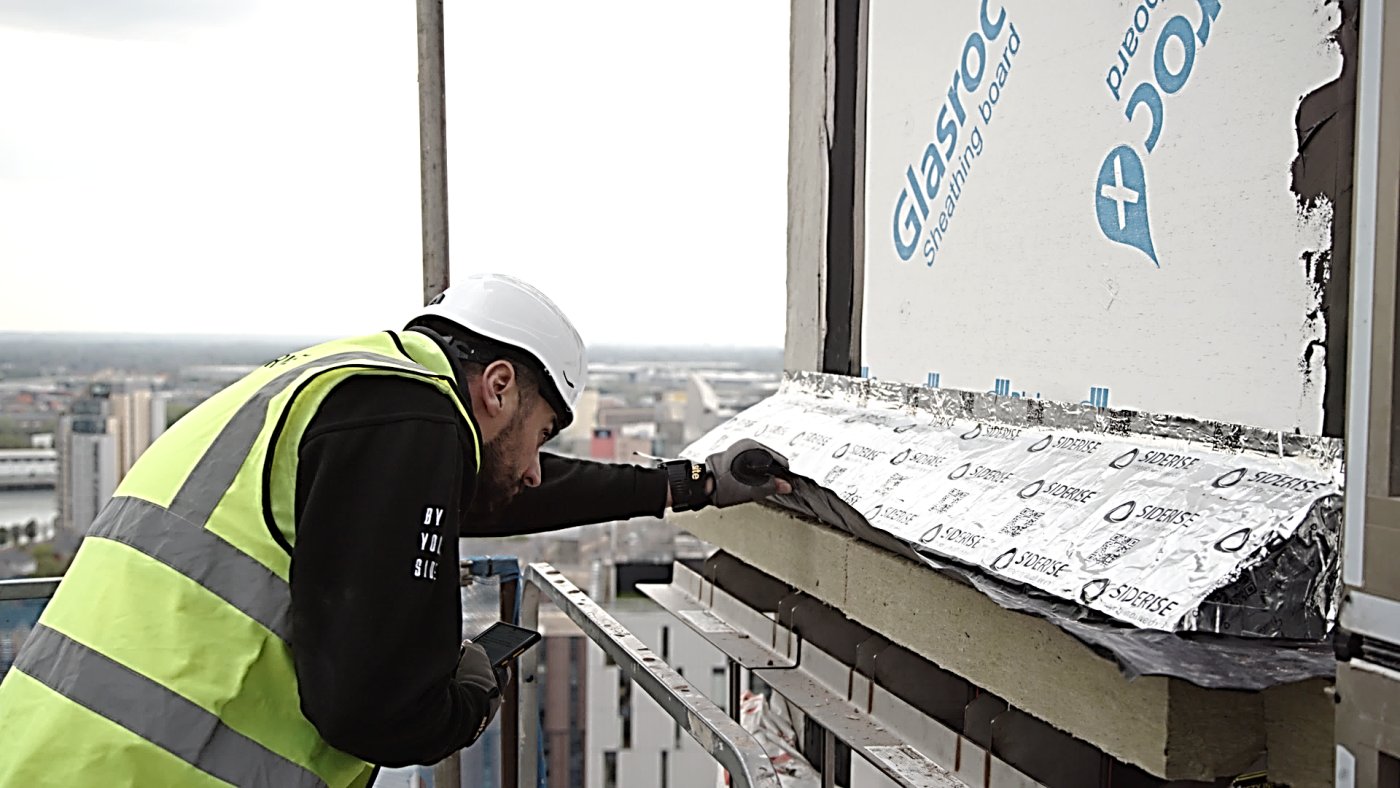
Which leaves installation, and he was blunt that inspections are extremely important, because every one of these details is a site operation carried out by somebody who may never see a fire test. His firm's answer is an inspection app any stakeholder can use to photograph an install and upload it, with a report back within two days. The firm has been in the Philippine market about two years, which is roughly how long the gap he described in the local code has been worth talking about.