


Ravishankar Subramanian made the case that a structural seal is a fifty-year component rather than a consumable, and that reaching that life depends as much on who applies it and how it was detailed as on which product was specified.
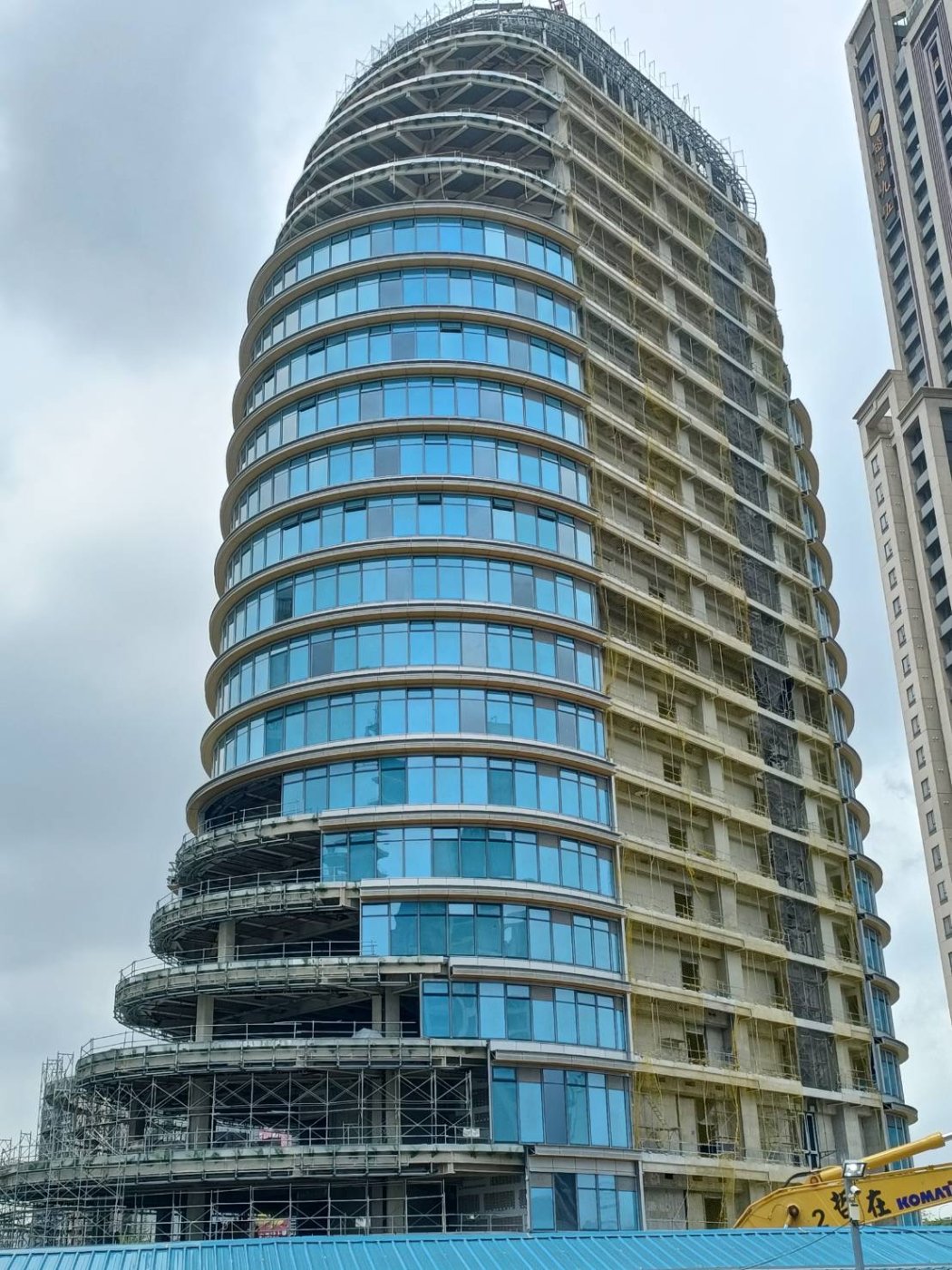
The first building to hold its glass by bonding all four sides went up in 1971, which gives the technique a case history of 55 years. Subramanian's opening point is why silicone took that job. A polyurethane bonding a car windscreen hides behind a black band at the edge, because exposure would finish it; silicone tolerates exposure, and that property is what let architects imagine a façade with nothing visible holding it together. The durability now claimed for it is comparable to cement and concrete, upwards of fifty years.
Fifty years is not a property of the product
The number comes with a condition Subramanian is careful not to bury. Three things have to hold together: the product, the design it is detailed into, and the application. Any one of them missing and the fifty years does not arrive, however good the chemistry. He is blunt about where the risk sits in a fast-growing market: the number of contractors has multiplied, and the compromise shows up in workmanship rather than specification.
What follows from that is a service rather than a sale. Samples from the actual project are tested in a Mumbai laboratory so the recommendation is specific to that job, the joint is calculated at design review so the silicone is sized rather than over-specified, quality control runs through factory and site, and a warranty sits at the end. An audited scheme qualifies fabricators against the same norms. Subramanian's test of a supplier is what happens when a seal does fail, which in his account means working the problem with the contractor instead of allocating the blame.
Non-staining, or not
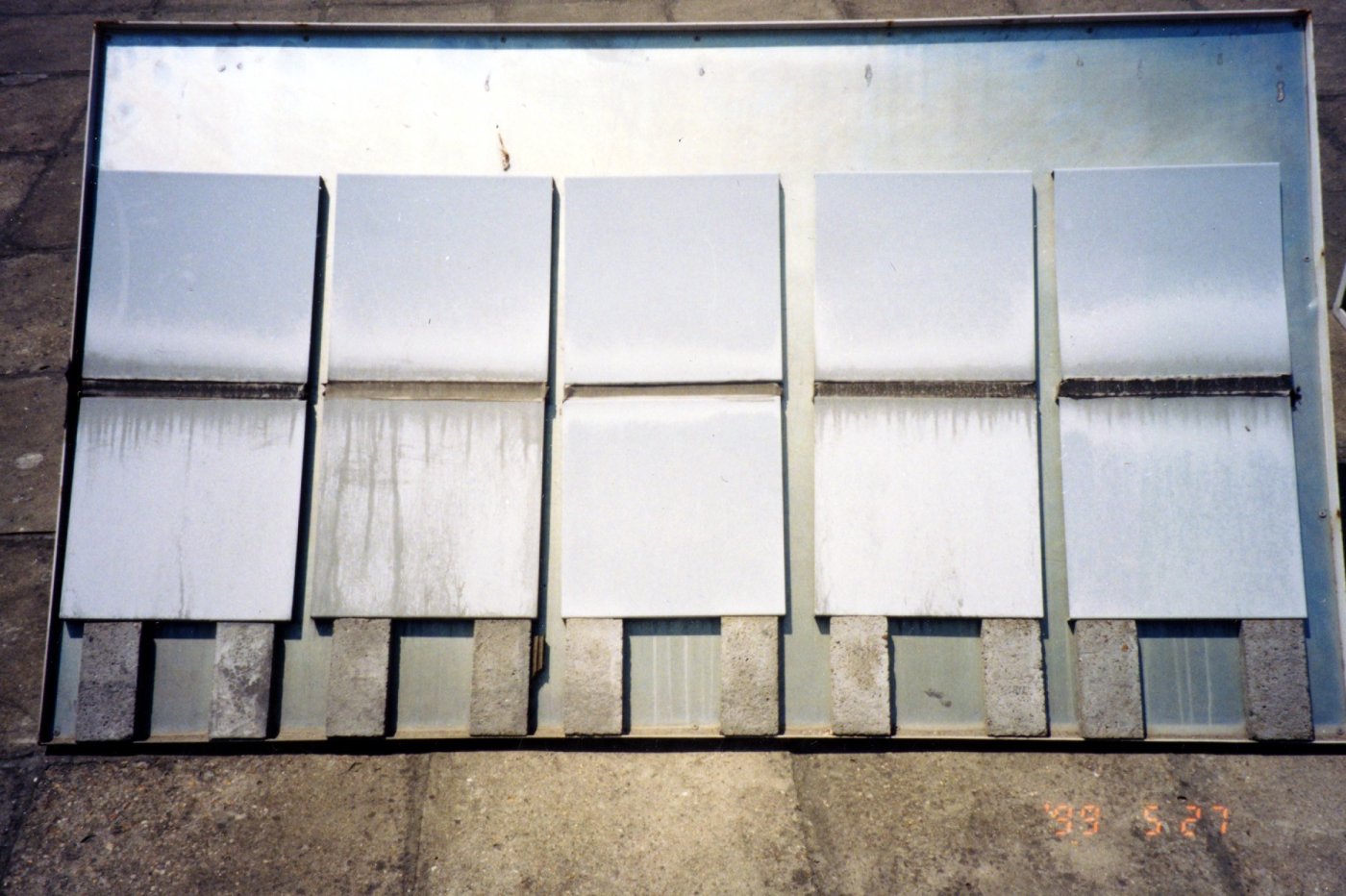
He takes issue with one piece of received wisdom directly. It is commonly claimed that a sealant can be non-staining against glass and aluminium while still being unsuitable against stone, and his position is that this is a distinction the buyer should refuse. A product either does not stain the substrates a façade is actually built from, porous and non-porous alike, or it is not the thing it says it is on the tube.
Bent cold, bonded wet
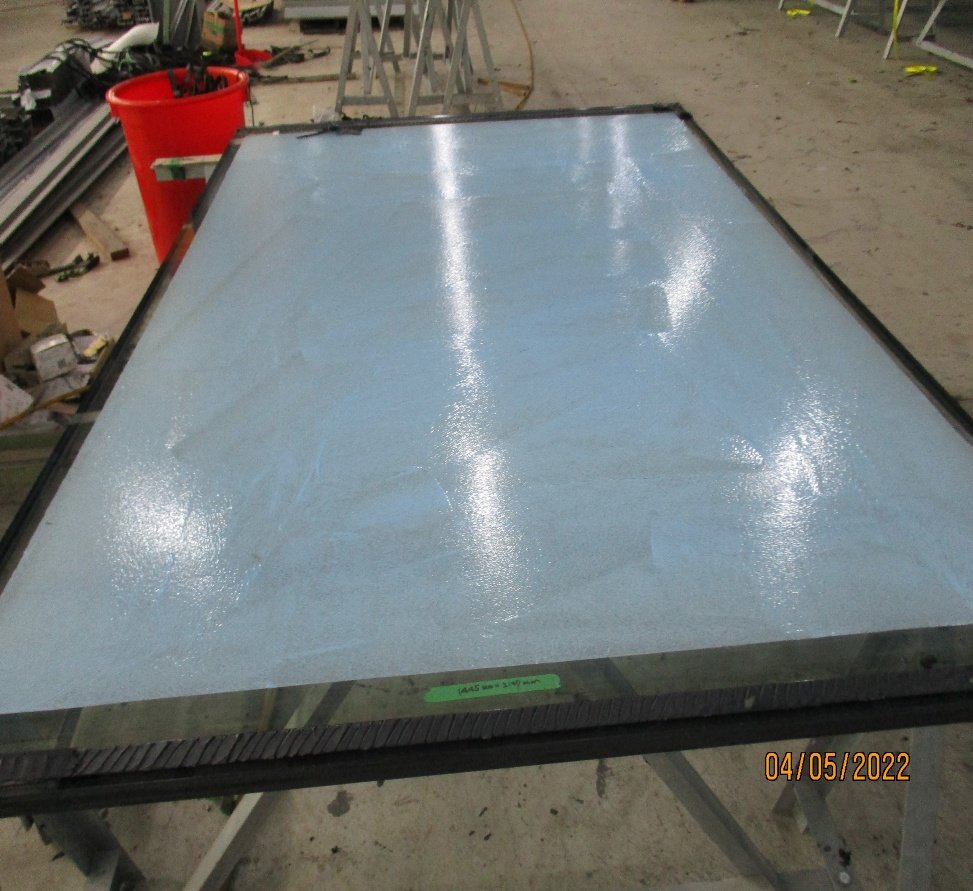
The technique he is keenest on is cold bending. The frame is pre-bent and the glass is bent as it is bonded, so the sealant carries the bending load through installation and then wind and a share of the shear for the life of the building, with the insulating unit's own seal taking its part. Hot-bent glass arrives curved and fixes the geometry with it; bending cold leaves the surface free to vary, which is what a parametric elevation needs. He cites units of 17 metres by 2.8 built this way, one complete in Kuwait and another beginning in Chennai.
What an old seal turns out to be worth
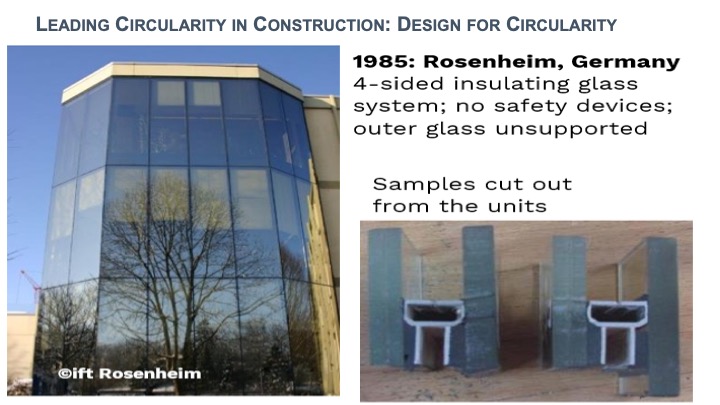
The most useful evidence is destructive. Where an owner wanted to keep existing glass rather than replace it, samples were cut from units already 25 years old and tested: the silicone retained more than 90 per cent of its original strength. A German case in the same vein ran two consecutive 25 year periods and found the material virtually unchanged at fifty. That is what makes refurbishment arguable, and the work becomes adding an internal frame and re-glazing with films for acoustic, thermal and safety performance rather than stripping an elevation.
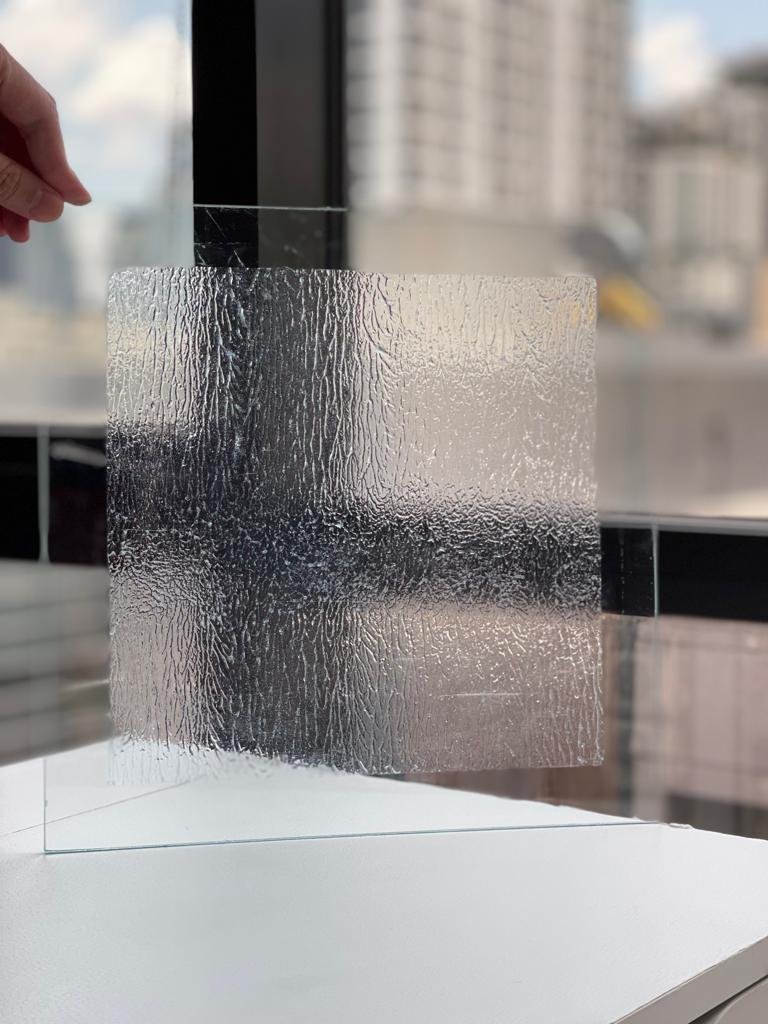
A smaller product makes the same argument at the other end. A peelable coating brushed onto glass and aluminium forms a film against alkaline splash, dirt and staining, and lifts off at completion: 12 to 15 months of protection where the conventional answer manages 45 to 60 days and must be redone four or five times.