


Adrian Betanzos argued that a material is neither good nor bad in itself, and walked through four projects in which carbon, weight, safety, supply chain and the calendar each turned out to be the deciding lever.
Adrian Betanzos took his title from two books on raising children, No Bad Kids and No Bad Parts, and the transfer is not as loose as it sounds. The argument in both is that behaviour read as bad is usually communication, and the work is to understand it rather than suppress it. Applied to materials: there are genuinely bad materials in the world, but not the ones the industry argues about. Aluminium, glass, steel and the rest are not good or bad in themselves – they have properties, and the question is whether those properties suit what is being asked of them here.
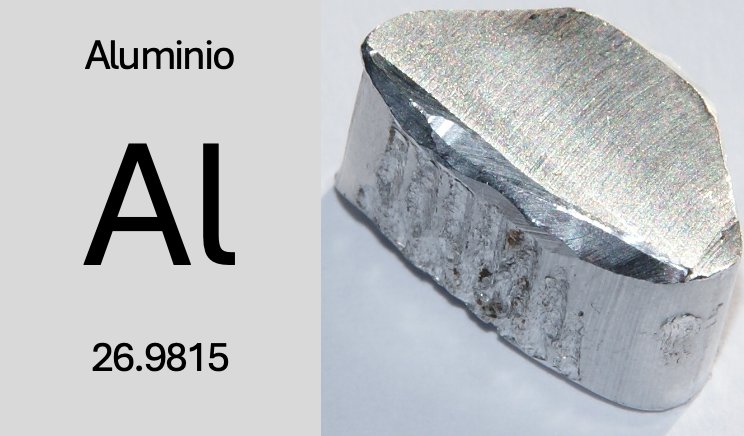
The numbers alone will not settle it, and Betanzos used a deliberately awkward comparison to show why. On carbon footprint, aluminium sits at the top of the construction materials he charted, above acrylic, glass, stainless steel, GFRC and cement. Then he added a material that does not belong on the chart and had to rescale it: beef, at roughly four times aluminium per kilogram. Embodied energy follows a similar shape. But recycling potential inverts the order, and aluminium becomes the best of them, with steel the most reused and recycled in practice. Aluminium is also the most abundant metal in the earth's crust, and the third most abundant element after oxygen and silicon – the silicon that becomes silica sand, which is how glass is made.
The levers that actually decide
What settles a material is a set of levers pulling against each other: design intent, price, the size you need and how few places can make it, supply chain, and safety. Everyone would like the aluminium with fully recycled content made on the cleanest grid and available next day, until the price arrives. Glass is inert and recyclable, but a glass bottle in a shower is a bad idea, and plastic becomes the better material there. Glass sounds weak and will carry a staircase.
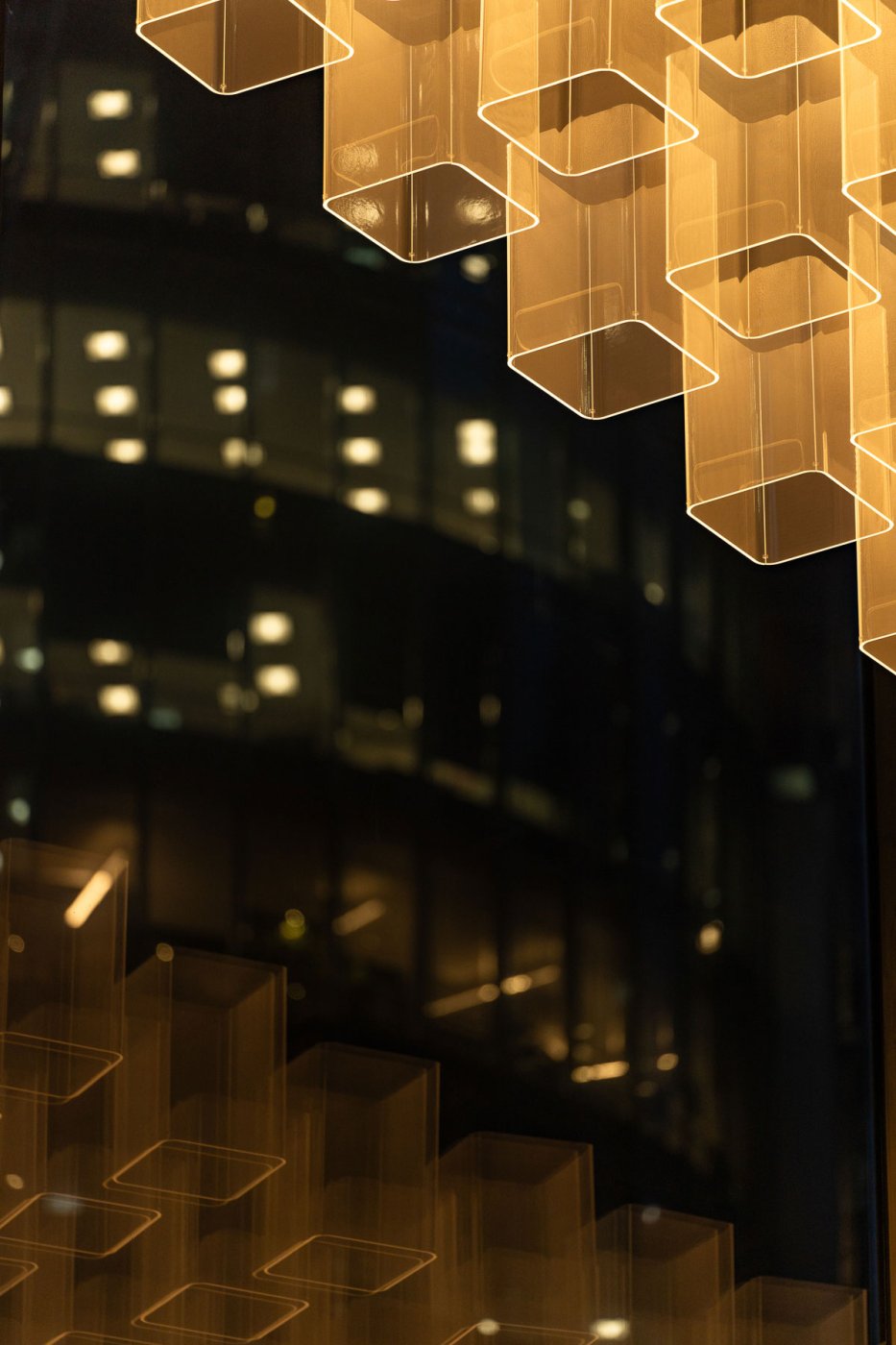
The Sugar Cloud in Hong Kong is the clean case. A light fixture over a monumental lobby, where acrylic carries about six times the carbon footprint of glass – an easy decision until the rest of the constraints arrive. Glass is twice the weight for the same thickness, and this is suspended above people's heads, so it could not be monolithic; it would have to be laminated with a polymer, which is a plastic. The six-to-one comparison stops being six-to-one, and the glass version was not buildable anyway.
When the calendar is the lever
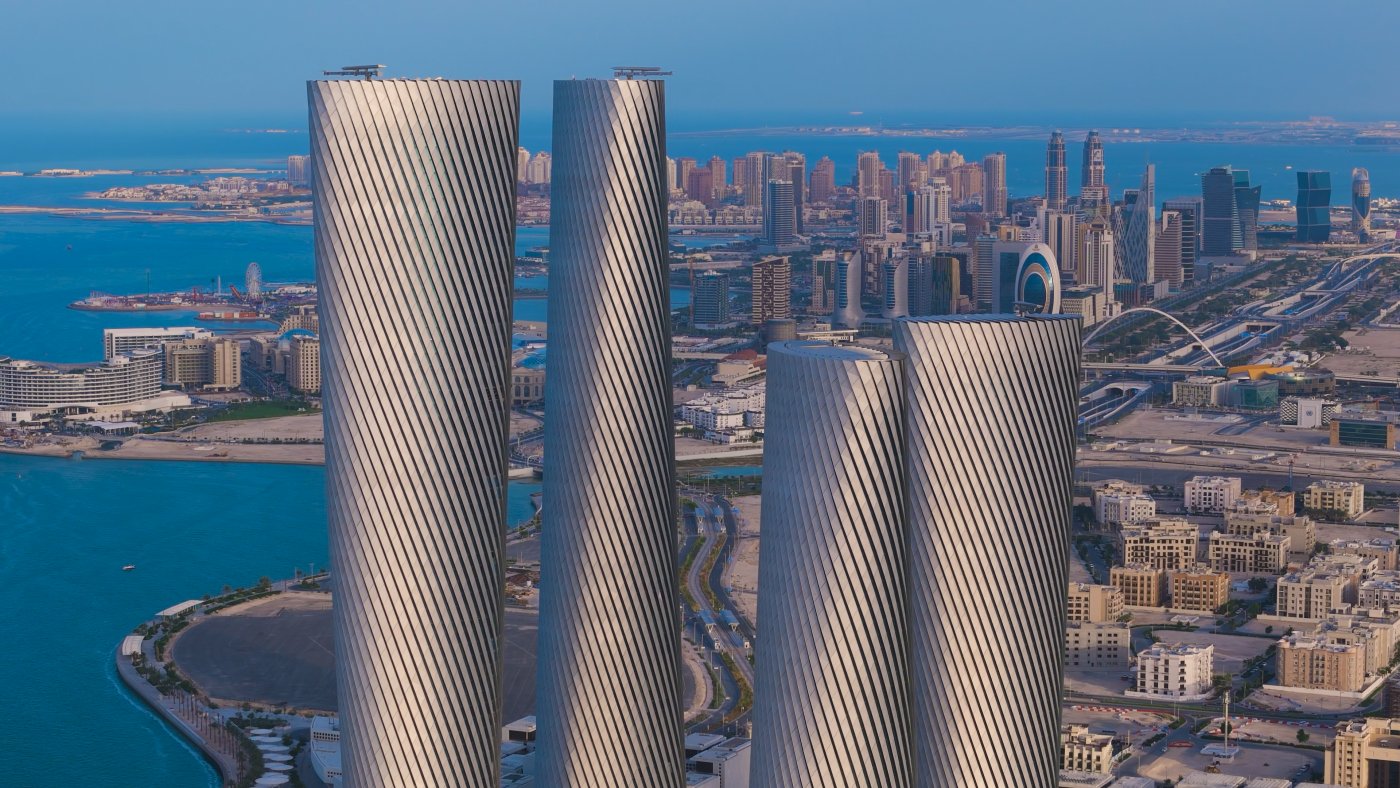
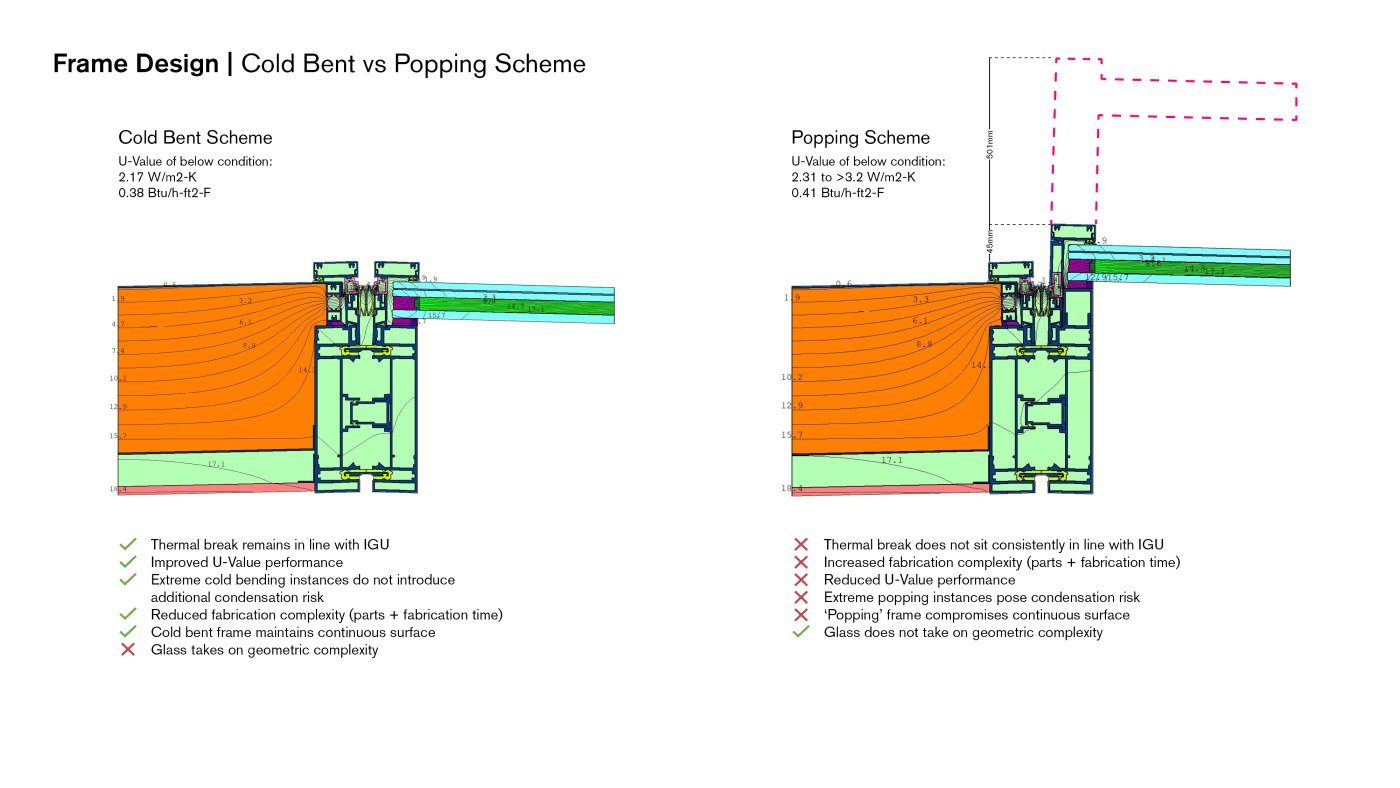
On four towers in Qatar, designed by Foster and running to about 1.1 kilometres of façade between them, the deciding factor was the schedule. Design began at the end of 2018, the contract was awarded in spring 2020, fabrication had to start by the end of that year, and the World Cup the masterplan was built around was not going to move. Stainless steel would have been a fine material and was more expensive, heavier, not available close by and not faster; the towers were built in untreated marine-grade aluminium. The geometry wanted triangles, which the architects rejected, and planar quads lost the effect – so the corner panels were cold-bent, removing material that would otherwise have filled the gaps and ending, Betanzos said, about 30 per cent more efficient thermally.
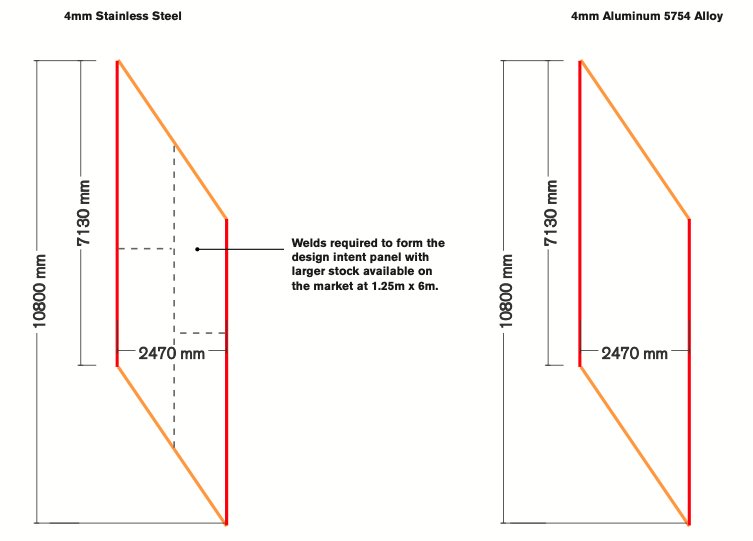
A performing arts centre near Riyadh went the other way. It wanted stainless steel and compared it against aluminium across materials and sizes; stainless stayed, because with the time and the money it is the more durable product. The saving came out of the glass instead: reviewing three- and four-point fixing, thickness and panel size, the sizes were optimised to sit within float production, taking out thickness and around a quarter of the material.
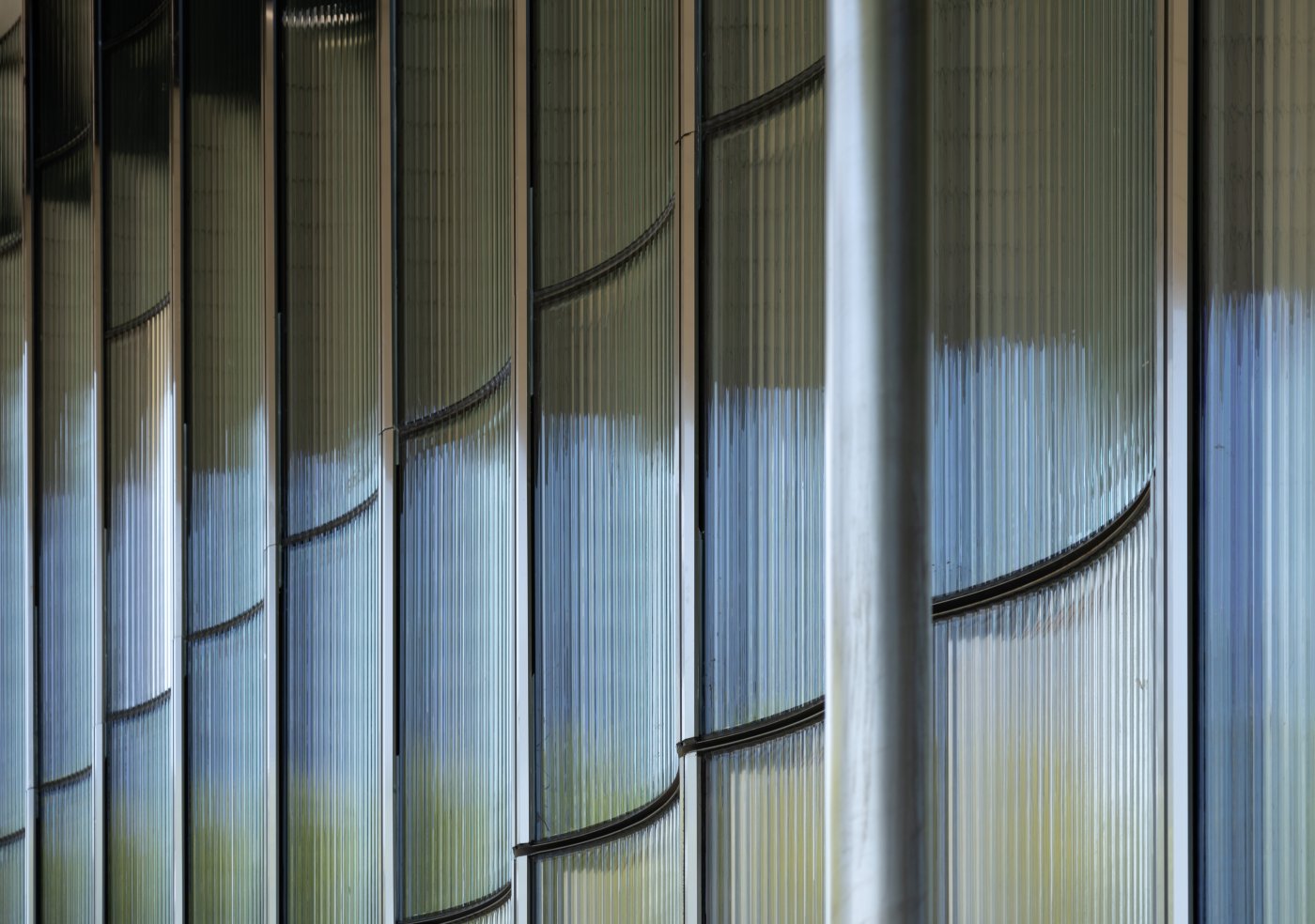
At the Suzhou art centre – twelve pavilions linked by an undulating rippled glass façade under a stainless steel roof – the comparison was not between materials at all but between two ways of getting the ripple: patterned glass, stamped, or glass carved by milling. Milling was ruled out by procurement rather than performance: public funding required that a reasonable number of contractors could bid, and too few could do it that way. Patterned glass it was, then curved, with a check that it could still be lifted to curve.
Which leaves the discipline Betanzos was actually arguing for: whatever the material, be able to say why. Not because a panel should be painted here or wood used there – wood, he noted, is not the right answer for every project – but because the reason has to survive being asked about.