


Jordi Marasse argued that the façade industry’s biggest barrier to decarbonisation is “tunnel vision”, judging sustainability from a single angle. Chasing ever-higher recycled content, he showed, is a zero-sum game; the real work is weighing embodied against operational carbon, project by project, and renovating the ageing stock that dominates emissions.
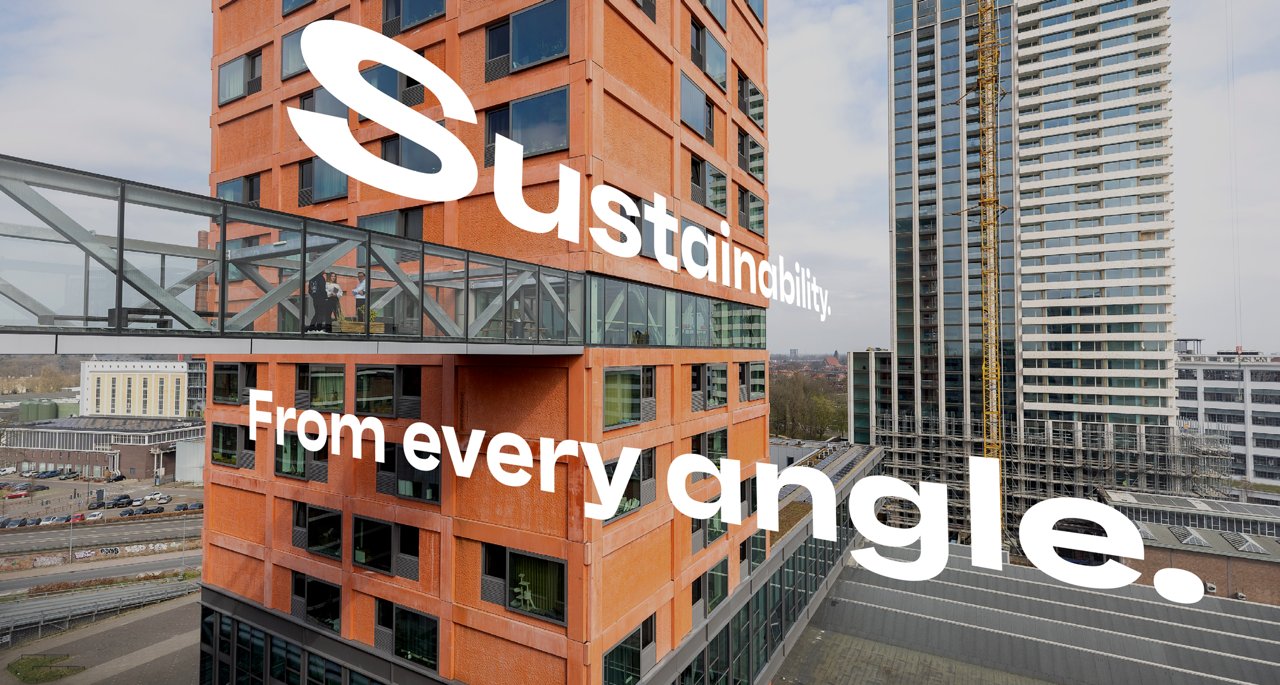
Marasse set Reynaers in context first, a family business founded in 1965 by Jan Reynaers, who developed an aluminium window-and-door system that other fabricators soon wanted to buy, and which, sixty years on, is still family-owned and still built on the values of innovation, excellence, loyalty and respect. Its products are engineered and tested to North American AAMA standards for structural performance and for air and water tightness across environmental conditions. But the substance was an argument about sustainability itself.
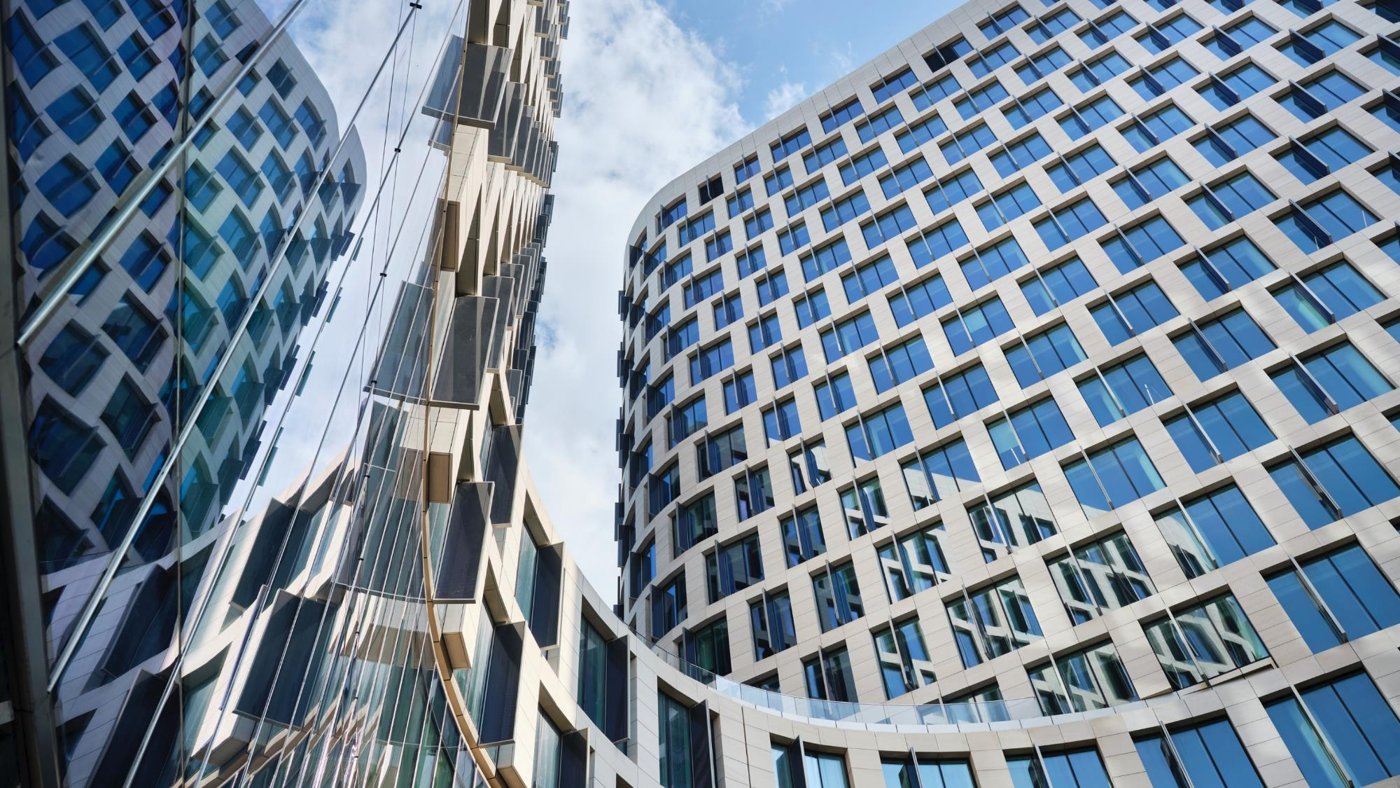
The construction sector’s footprint is large: roughly 50% of the resources we use, 35% of the waste we generate, 50% of the energy we consume and 39% of global greenhouse-gas emissions. Two challenges dominate, limiting the resources used and waste generated, and limiting carbon across the whole lifecycle. A key driver is the energy required to build, use and dismantle buildings, and despite decades of progress in building design, 75% of buildings in Europe remain inefficient.
Two revolutions are pending, Marasse said. The first is a circular economy, design for durability, adaptability and disassembly, material reuse and recycling, circular supply chains, which addresses roughly 30% of the carbon problem. The second is energy efficiency and renovation: getting the whole stock efficient, and above all renovating the 75% of old buildings, which accounts for roughly 70% of the carbon problem.
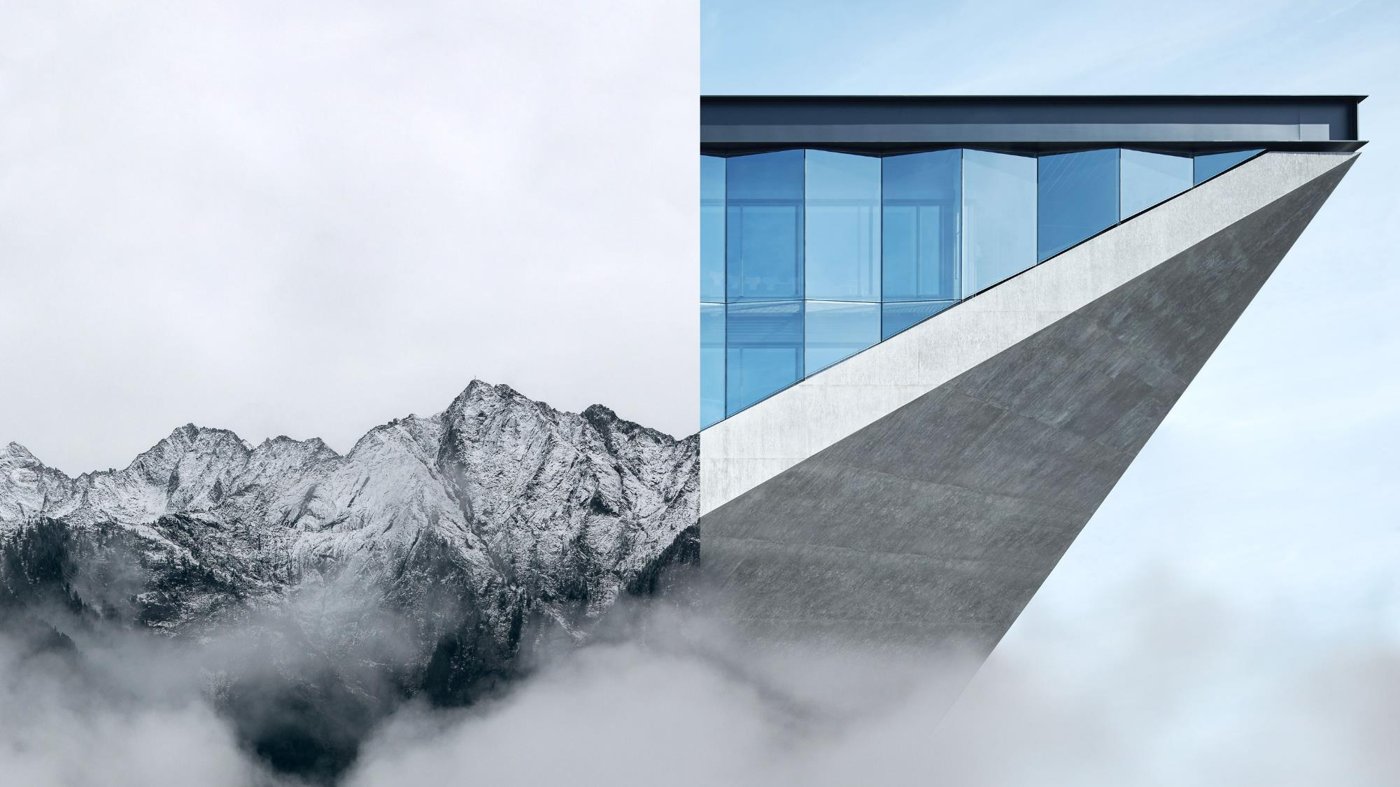
The enemy of progress, he argued, is “tunnel vision”, the habit of taking a narrow view of sustainability, looking at it from just one angle in one particular way and failing to see the bigger picture. At a moment that demands expansive thinking and rapid decarbonisation, that blinkered view is a real brake. So what actually makes a building sustainable?
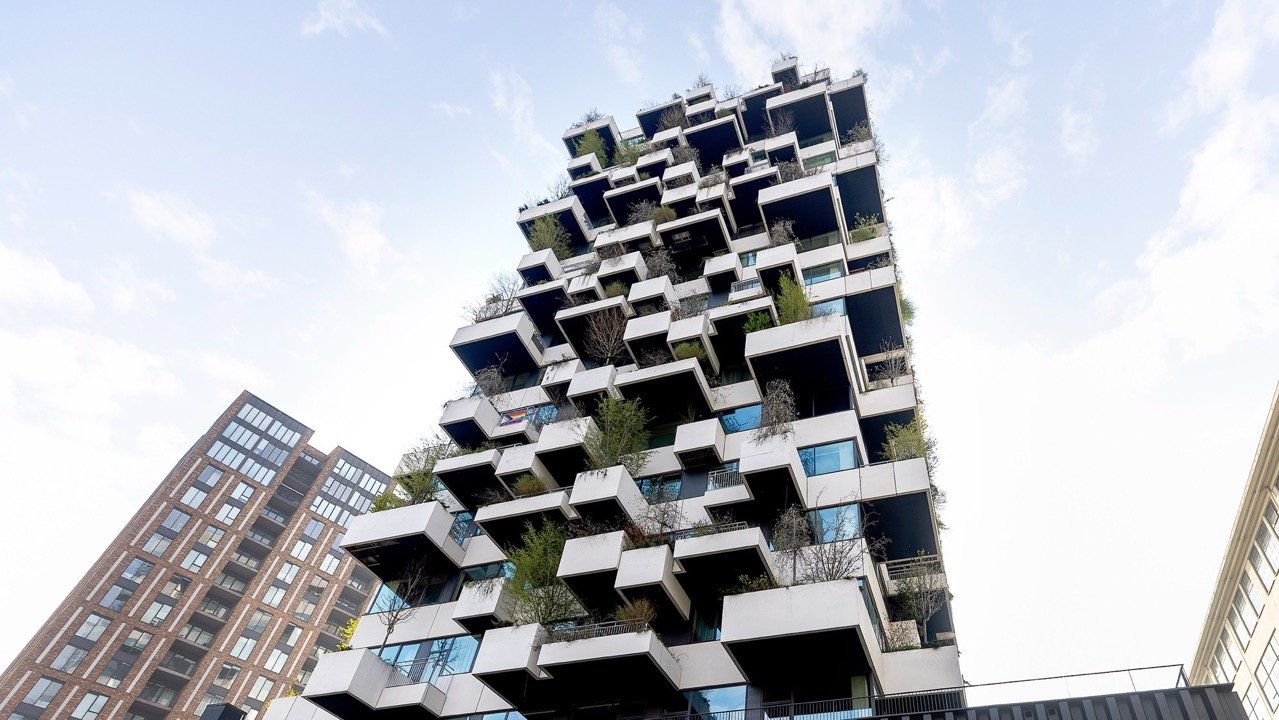
Take the fashionable metric: recycled content. Simply increasing recycled content to lower emissions is not a long-term strategy, Marasse showed, because there is only enough recycled content in the system to meet 36% of demand. Aluminium is a victim of its own success, its lifespan exceeds fifty years, so the inflow of end-of-life scrap is low, since around 75% of all the aluminium ever manufactured is still in use; it is easy to recycle and already collected at a 95% rate. Yet demand is high. Only about 36% of European aluminium demand can be covered by recycled content, which makes chasing the highest recycled-content ratio a zero-sum game: lower over here means higher over there.
The honest frame, he argued, is the total carbon footprint, embodied and operational carbon together. Looking at only one distorts the picture: you might increase embodied carbon to reduce operational carbon, and sometimes you should. For a pre-1990 building with a high operational footprint, the choice between minimising embodied carbon and minimising operational carbon is a genuine trade-off, and the answer is project by project. Historically the pre-1990 stock carries the big operational-carbon problem, so making old buildings energy-efficient should remain target number one, and efficient doors, windows and façades are critical to that, while for new construction the gains are now marginal on both fronts.
Reynaers’ position, Marasse concluded, is to approach sustainability with integrity, depth and a holistic, 360-degree mindset, asking the right questions and seeing the bigger picture rather than optimising a single number. Sustainability from every angle, not just one.