


Peter Dushenski of GlasCurtain used the Red Deer Justice Centre to argue that procurement is a design decision. A triple-glazed, fibreglass-framed curtainwall, made entirely in Canada, hit the building’s net-zero target at under half a percent of budget, added local jobs, avoided thousands of tonnes of carbon, and side-stepped the tariff and supply-chain risk now shadowing every project.
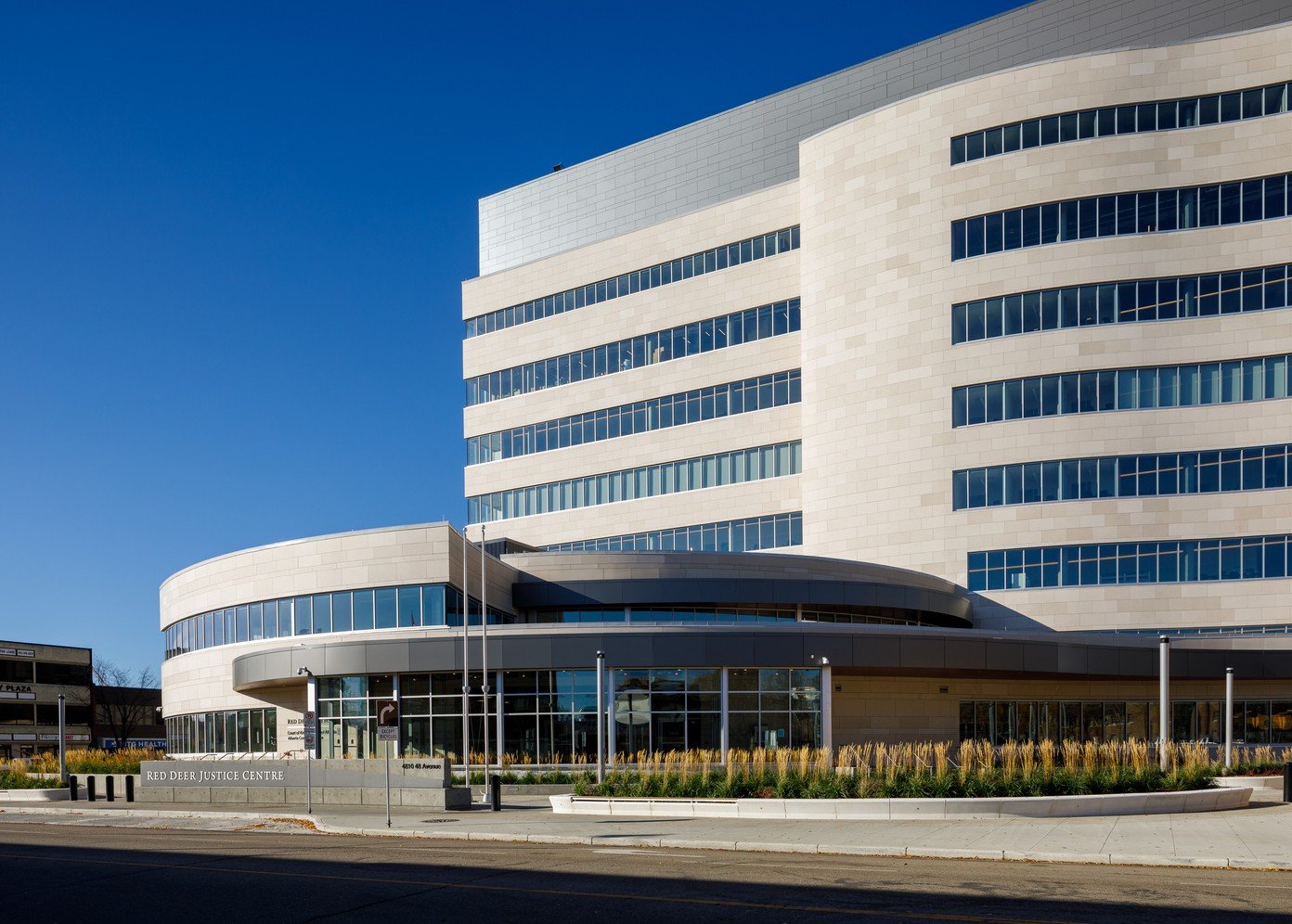
Dushenski of GlasCurtain, a Canadian company and, he noted, the country’s leading manufacturer of fibreglass-framed curtainwall systems, framed his account around the “crazy world of tariffs and supply chains.” His case study was the Red Deer Justice Centre, a recently completed $250-million, eight-storey provincial courthouse (the tallest building in Red Deer, halfway between Edmonton and Calgary), designed by DLR Group with Group2 for Alberta Infrastructure, built by Clark Builders and glazed with installation partner Capilano Glass.
The project arrived at a low point for Alberta’s energy-driven economy, but with performance standards rising the team decided base-code compliance would not cut the mustard, and targeted Canada Green Building Council net-zero standards to lower life-cycle costs and reflect responsible stewardship of public funds. That put the envelope at the centre: it had to be best-in-class on day one, and then consistently for decades to come.
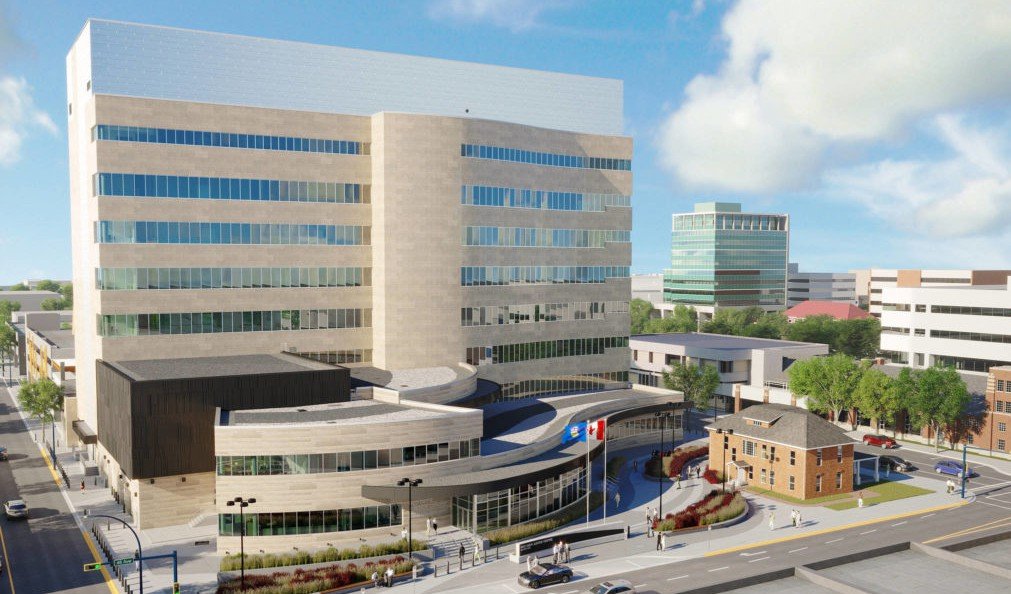
Crucially, Dushenski argued, it also opened up procurement as a design question. Tendered in 2020, before tariffs and data-centre demand sent mechanical-system prices “strapped to SpaceX rockets,” the project still had to manage COVID-era supply-chain dislocations, and the design team’s foresight in specifying locally became built-in insurance against risk. Curtainwall specs once considered only a few narrow metrics, U-value, solar heat gain, condensation resistance, perhaps embodied carbon, but in a less predictable world, he argued, where something comes from, how it is made and who it supports now matter as much as what you buy.
The numbers made the case. Specifying GlasCurtain’s Thermaframe 7 fibreglass-framed system for 22,000 square feet of glazing added less than half a percent to the total project budget, before the significant mechanical savings, while guaranteeing on-time, on-budget delivery, supporting 15 local manufacturing and construction jobs, and avoiding nearly 4,000 tonnes of carbon over the life cycle. Retendered today, he suggested, the passive design might add no budget at all, given how far mechanical pricing has since climbed.
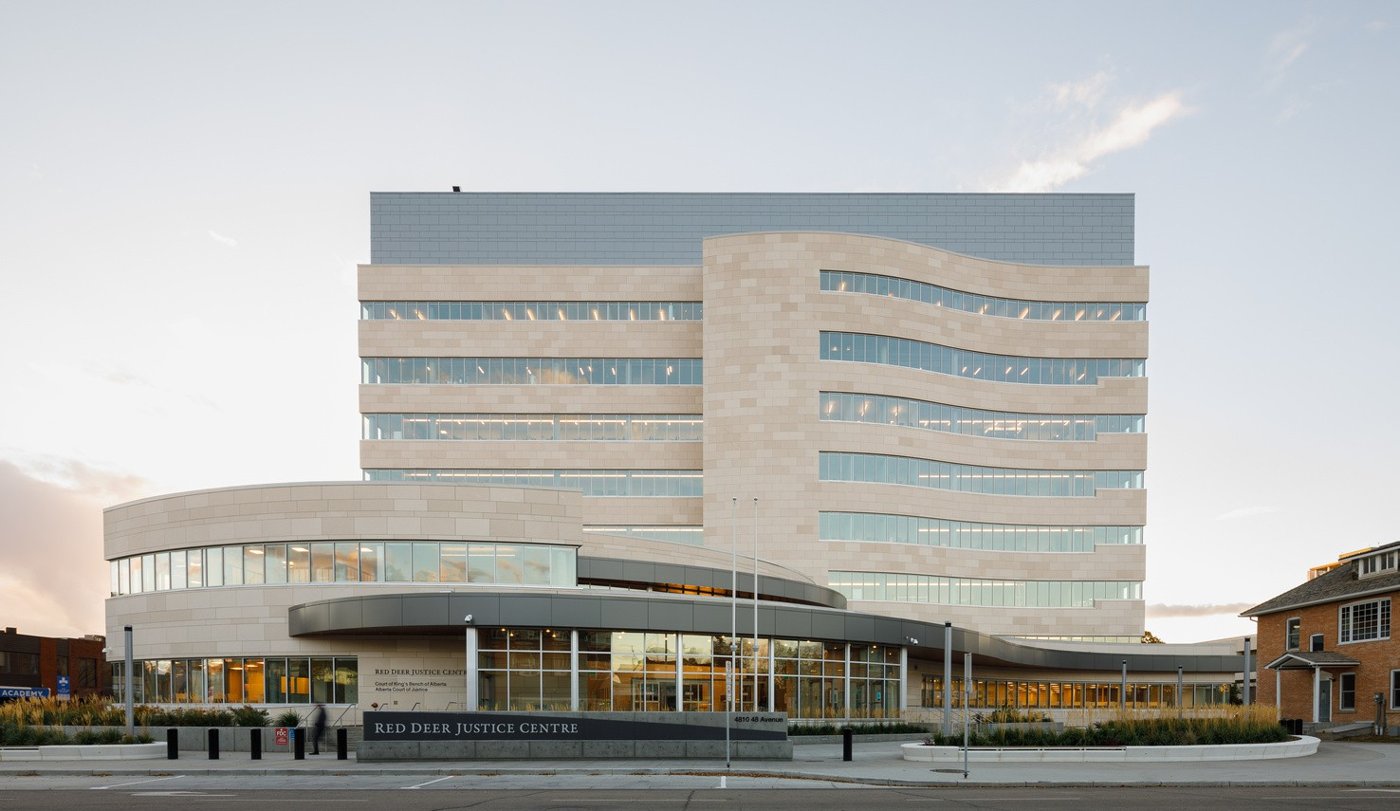
The technical logic is the climate. Even targeting net-zero in a place that swings from minus forty to plus thirty degrees, the team did not retreat from glazing; instead they made the envelope work harder with a triple-glazed, fibreglass-framed curtainwall that limits heat loss, resists condensation and cuts thermal bridging, allowing a relatively high window-to-wall ratio without oversizing the mechanical system. Canadian-made options, he argued, are now world-leading and Passive-House-ready, fire-tested and code-compliant, and offer something imported systems cannot: domestic resilience, with no customs or tariff exposure, no testing standards to translate, and a system purpose-built for the local climate.
The wider point was that procurement is a choice with economic, environmental and social impact, a lever for performance and resilience, not a line item to “value manage.” Red Deer, Dushenski argued, shows that high-performance façades developed and made locally are already succeeding, with the public sector leading and private projects to follow, the start of a shift toward aligning high-performance building standards with domestic manufacturing and climate goals.