


Paul Phillips set out how FRAEW, EWS1 evidence and intrusive investigation are changing the way external-wall risk is assessed, recorded and carried into future decisions.
Paul Phillips described external-wall appraisal as a shift from asking whether a building once appeared to comply towards asking what fire risk the wall presents now, based on evidence. FRAEW assessments, EWS1 information, intrusive inspection and the Building Safety Act are creating a more persistent record of façades that may have been designed, altered and repaired over decades. The useful outcome is not another certificate for the file. It is a reasoned understanding of how the external wall could contribute to fire spread, what is actually installed and which actions should be prioritised.
FRAEW looks beyond a compliance snapshot
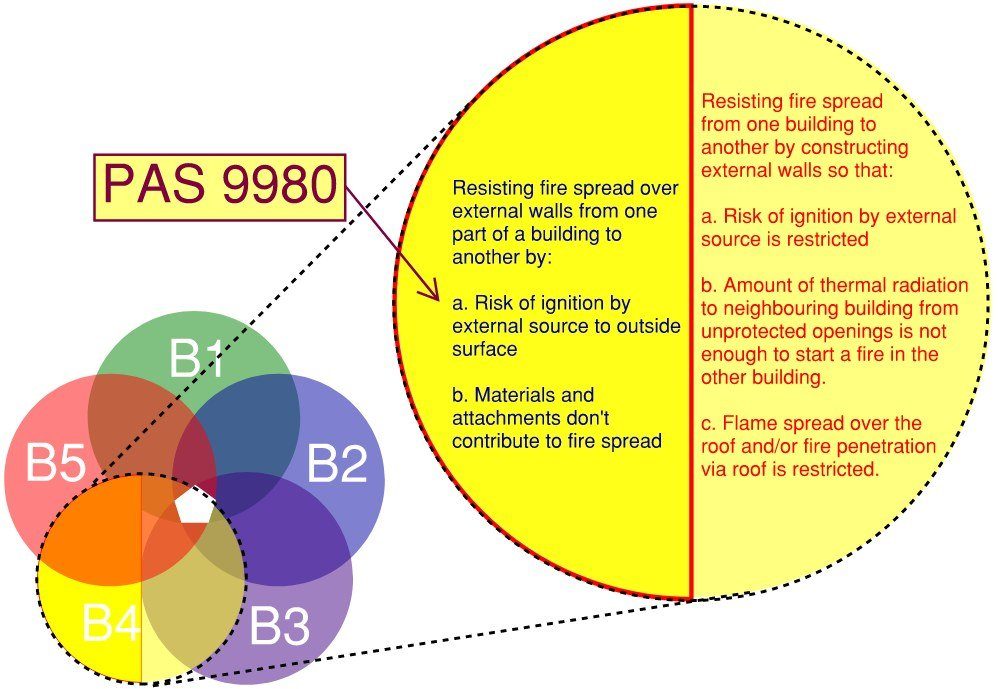
The Fire Risk Appraisal of External Walls process replaced the withdrawn Consolidated Advice Note and is structured around several stages: review available as-built information, inspect the building, carry out intrusive investigation where required and appraise the findings under PAS 9980. Phillips emphasised that Approved Document B and other guidance are routes to satisfying the Building Regulations, not substitutes for thinking about the building's actual risk. A façade can have been considered compliant at the time of construction and still present concerns when its materials, configuration, condition or fire strategy are examined holistically years later.
Intrusive work turns assumptions into evidence
Drawings cannot confirm every cavity barrier, membrane, fixing or fire-stopping condition behind a completed façade. Phillips therefore treated physical investigation as a core part of the appraisal process, not a sign that the desk study has failed. Openings are used to verify what was installed, compare the condition with available records and identify recurring defects. The point is to sample intelligently enough to understand risk without causing unnecessary damage. That evidence then allows the assessor to distinguish a local workmanship issue from a systemic problem likely to repeat across an elevation.
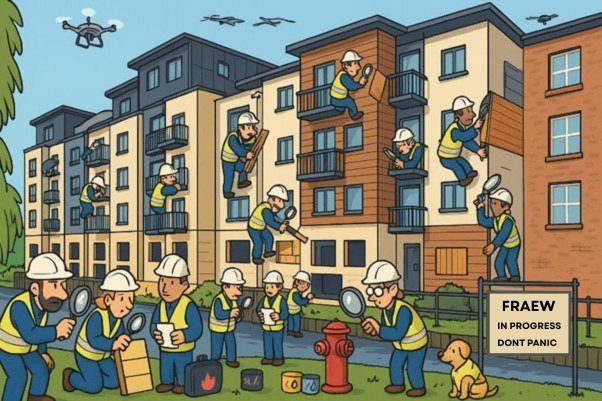
Configuration changes how fire can spread
Phillips argued that combustibility is only one part of the risk picture. Façade shape, balconies, projections, cavities and the relative position of combustible materials influence whether a fire can travel rapidly, create secondary ignition points or affect evacuation routes. PAS 9980's risk factors therefore have to be read together. A material that is concerning in one geometry may behave differently in another, while an apparently modest defect can become more serious if the configuration helps flames or hot gases bypass compartmentation.
Records become part of the asset
For Phillips, the investigation is also an opportunity to improve what future teams know about the building. Accurate QA records can demonstrate what was installed, preserve product traceability, support the golden thread and reduce the need to reopen walls later. Photographic evidence, consistent naming and structured digital platforms make future appraisals, insurance discussions and remedial design less dependent on memory. That record has commercial value because uncertainty about the envelope can affect transactions and liability long after the original project team has gone.
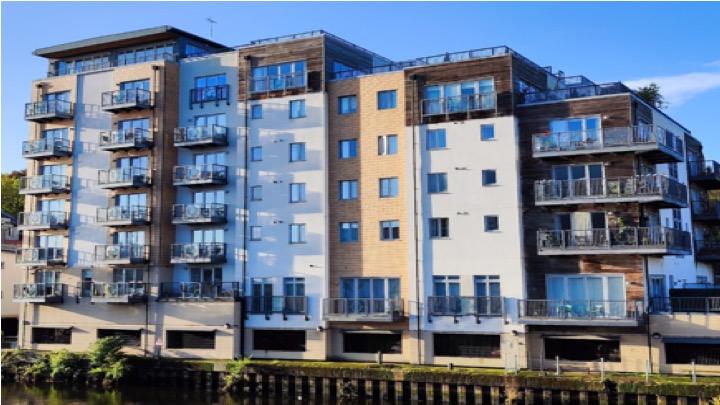
The appraisal therefore becomes part of a building’s permanent evidence base. Intrusive openings, photographs, test results and records of cavity barriers or fire-stopping conditions allow later teams to understand why a risk conclusion was reached. Phillips’ message was that PAS 9980 and the FRAEW process are not substitutes for judgement: the assessor still has to connect material performance, configuration, fire strategy and possible routes for spread. A clear record is what allows that judgement to be revisited when the building, guidance or ownership changes.

Recommendations need a sequence
A good appraisal does not end with a list of defects. It should identify interim measures, remedial priorities and the relative urgency of different actions so owners can manage risk proportionately. That may mean immediate controls in one area, targeted opening-up in another and planned remediation elsewhere. The logic has to connect the observed condition to the fire strategy and explain why each action is recommended. External-wall appraisal is therefore becoming a form of building memory. The better the evidence gathered now, the less uncertainty future teams inherit. For façades shaped by historic standards, later alterations and hidden interfaces, that continuity of information can be as important as the remedial work itself.