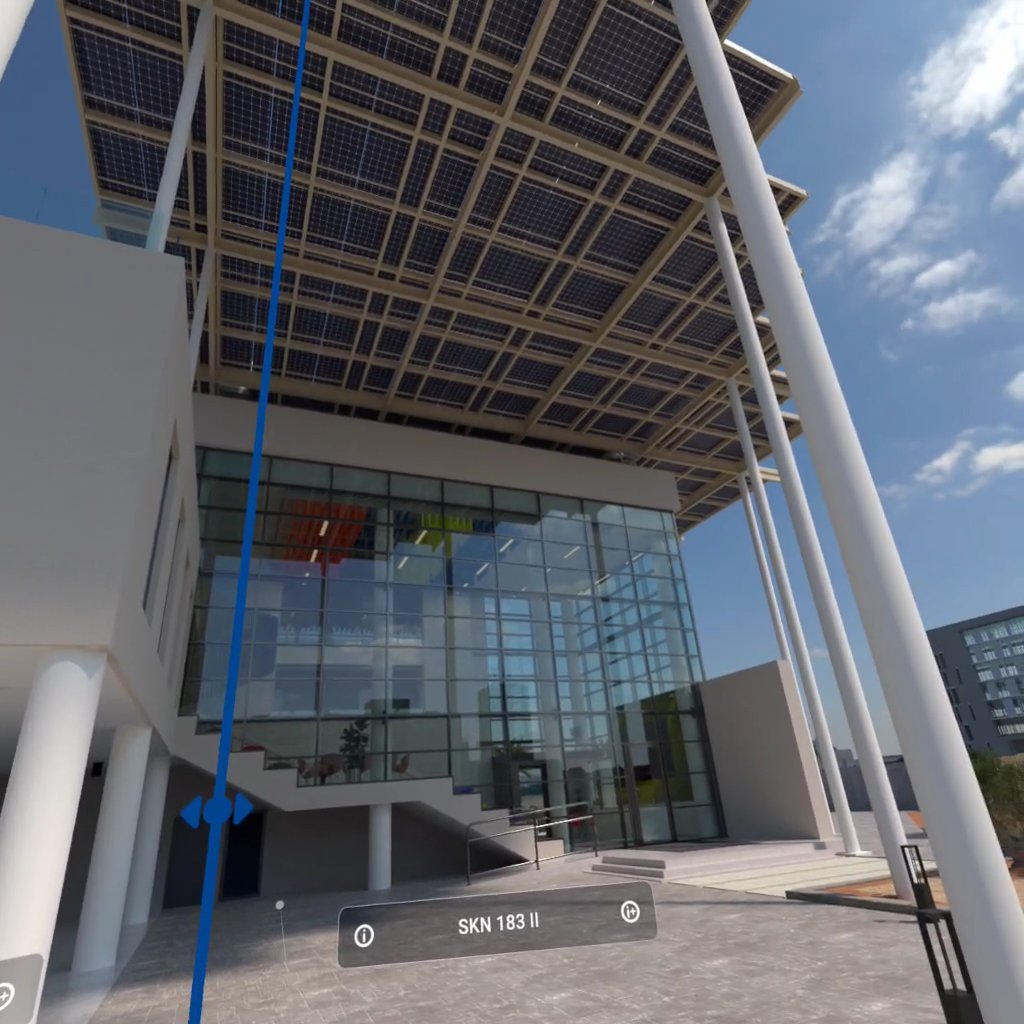
Karim Amrouche and Ahmet Mumcuoğlu argued that a glass façade rarely looks like its render – because glass is optically complex and never static – and made the case for predicting its real appearance with spectral, physics-based simulation, chosen alongside samples and mock-ups rather than instead of them.
Order a Big Mac and the burger in the box never quite matches the picture above the till. Karim Amrouche and Ahmet Mumcuoğlu used that gap to name a problem architects know well: the glass façade that arrives on site rarely looks like the render that sold it. Glass, they argued, is the hardest material of all to draw truthfully – and the case they made was for predicting its real appearance before a single pane is ordered.
Why glass defeats the render
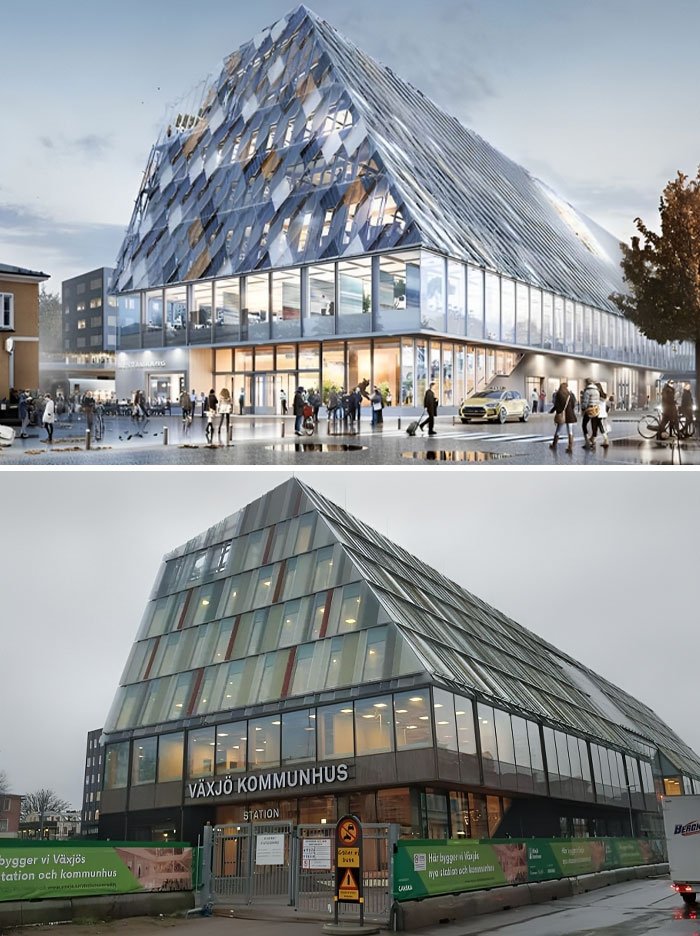
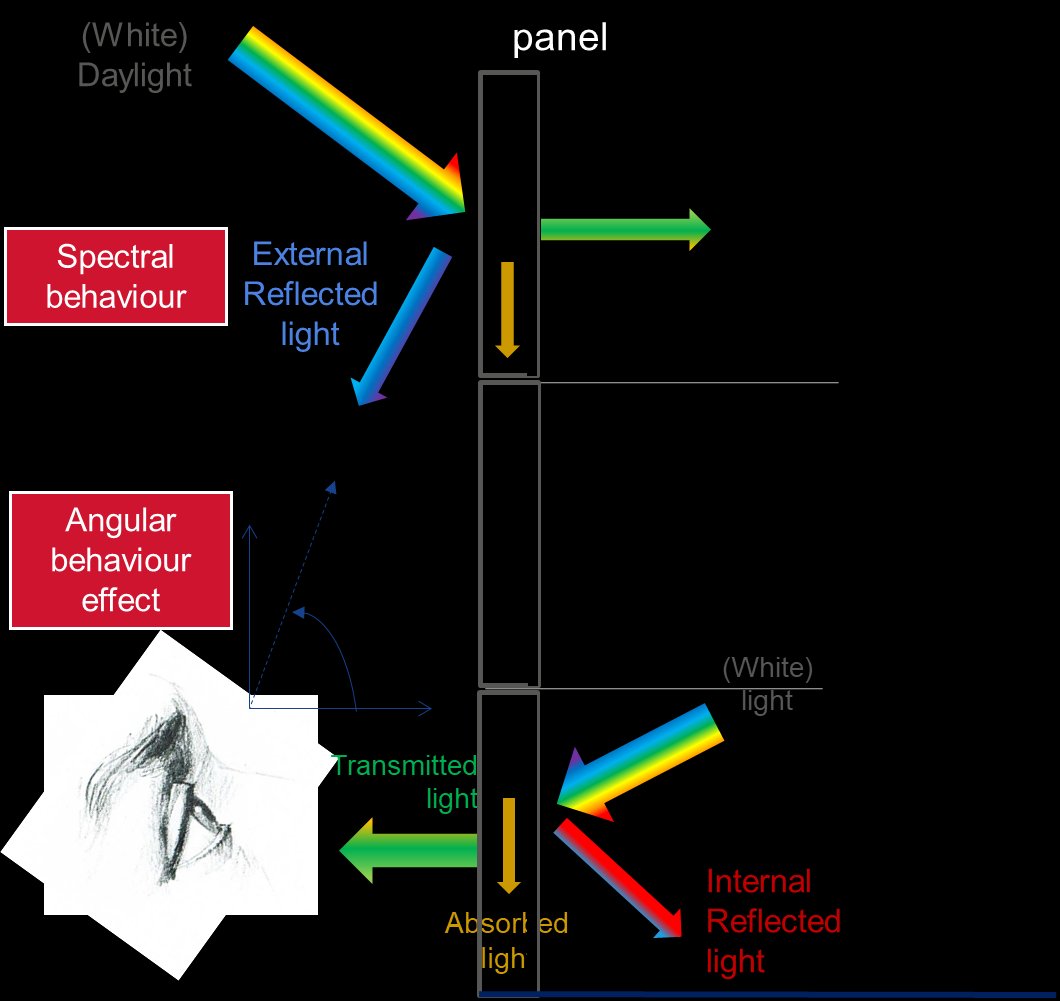
Glass is not a flat colour. It interacts constantly with its surroundings, so the same glazing reads one way at midday and another at sunset, and changes again with the angle you view it from – a product of the spectral behaviour of light, the multiple reflections between coatings, and the absorption within the pane itself. For a competition board that decides a commission, or a specification that commits a budget, that inaccuracy is not cosmetic. Conventional RGB rendering, the kind that fills brochures and competition boards, flattens all of that; the reflections and transparency it produces are, quite simply, wrong. The result is a pretty illustration rather than a truthful one, and for a high-value material that approximation carries real risk – the expectations-versus-reality gap that turned one stunning render of a municipal building and station in Växjö, Sweden, into a merely acceptable building. The firm has been making glass since 1665, when its first commission was the mirrors of the Hall of Mirrors at Versailles – a long familiarity it now sets against a distinctly modern failure.
Predicting, not illustrating
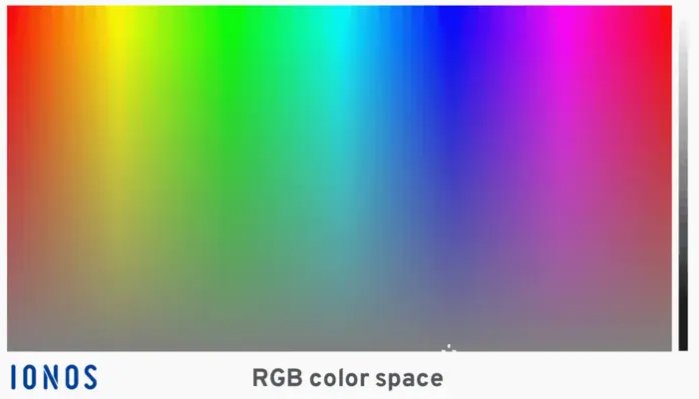
Their alternative is to compute the façade physically rather than paint it. A spectral engine works from glass data measured in the laboratory, integrates the visible-light spectrum in a perceptual colour space, and models how light actually behaves as it passes through the coatings and the glass, simulating what a viewer will see under real conditions. The goal shifts from a beautiful image to a reliable one: a trustworthy prediction that lets architects and clients choose glass during the design phase and avoid unpleasant surprises at installation. It is, as they put it, the difference between showing a façade and scientifically predicting it. The same method can set two coatings side by side, so a choice that looks right on a screen still holds on the building.
Alongside the sample, not instead of it
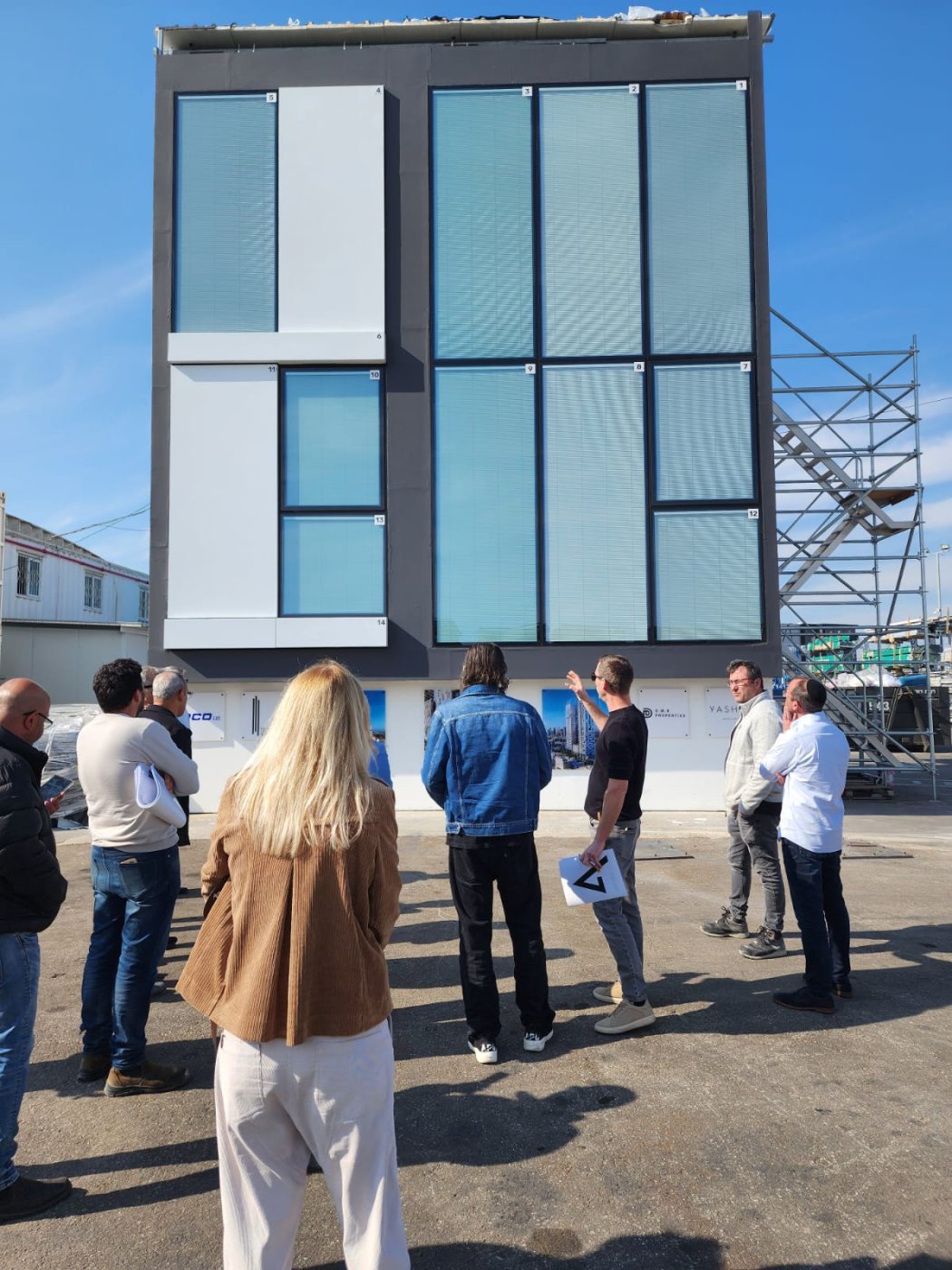
The method is not meant to replace the physical. Glass selection, they argued, now rests on three complementary things – samples, mock-ups and the simulation – because people still want to touch a material, and the prediction is there to sit with samples and mock-ups rather than supplant them. Science is added to the craft, not substituted for it. How close the two can get is striking: shown a photograph and a rendered façade side by side – including a tower in Abu Dhabi and the company’s own Paris head office – most people cannot tell which is real.
Choosing glass in a headset
The prediction now reaches into an immersive step. A 360-degree, virtual-reality version drops a project into a three-dimensional scene where the glass can be swapped, the daylight and viewing angle changed, and the interior walked through, all with the same physically accurate reflections and transparency. Delivered through a tablet app – where a coating can be viewed under a cloudy or a sunny sky, and from inside or outside the building – or, given a client’s own 3D model, applied straight onto their own renderings and viewed from any angle, it moves the decision about how a building will look to the very start of a project – which, Amrouche and Mumcuoğlu argued, is exactly where it belongs.