Gizelle Javidan and Shyam Chand cluster thousands of unique panels into buildable families and put a worker's ergonomics into the same model, because software will generate any geometry now and that leaves the harder questions.
Gizelle Javidan leads WSP's computational design team in building enclosures and Shyam Chand leads its façade access team, and their point is that those are the same problem. Twenty years ago the question was how to generate a complex geometry. The software answered it. What is left is harder: can it be built, can it be afforded, can it be reached, and will it perform?
Her framing of why that is difficult is worth stealing. A façade is not a geometry but an interface, between architecture, engineering, construction, operation and the people who use the building, and each of those wants something different from it. Architects want beauty and freedom in design, engineers want performance and efficiency, contractors want simplicity and buildability, clients want cost efficiency. So a façade is four competing problems that have to converge on one solution, and what computational design is for is optimising all four at once while showing how any one discipline's decision moves the others.
Understand the complexity before optimising it
The first step in their workflow is deliberately not optimisation. Faced with a double-curved, twisted envelope, they do not ask how complex it is; they ask where the complexity sits and what strategy each kind needs. That means dividing the surface into zones and running a curvature analysis to establish which geometry typologies are actually present, so the complexity is quantified before anybody tries to manage it.
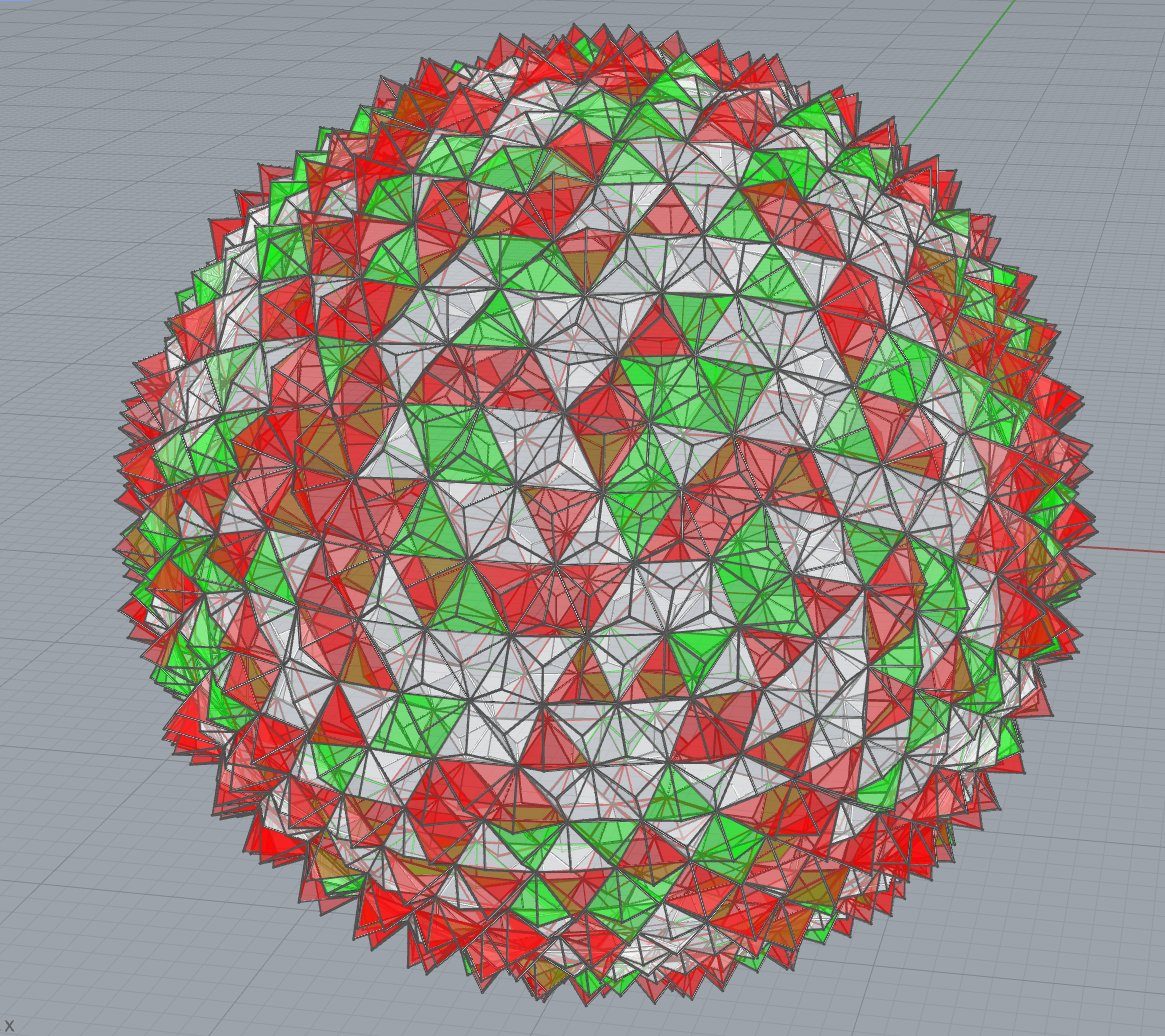
On a surface like that every panel is potentially unique, and unique panels are frequently neither affordable nor fabricable. Rather than solving them one at a time, a Gaussian mixture algorithm clusters them into families that are similar in curvature, area and dimension, and each clustering is an option that balances the design intent against constructability differently. The geometry is not being simplified; it is being interpreted and turned into something a factory can make.
Performance runs in the same workflow rather than after it, because a façade exists to protect the inside from the outside: daylight, visual comfort, radiation and glare are analysed as the geometry is being clustered. Geometry, in her account, is one parameter among several rather than the thing that governs the rest.
And then somebody has to get to it
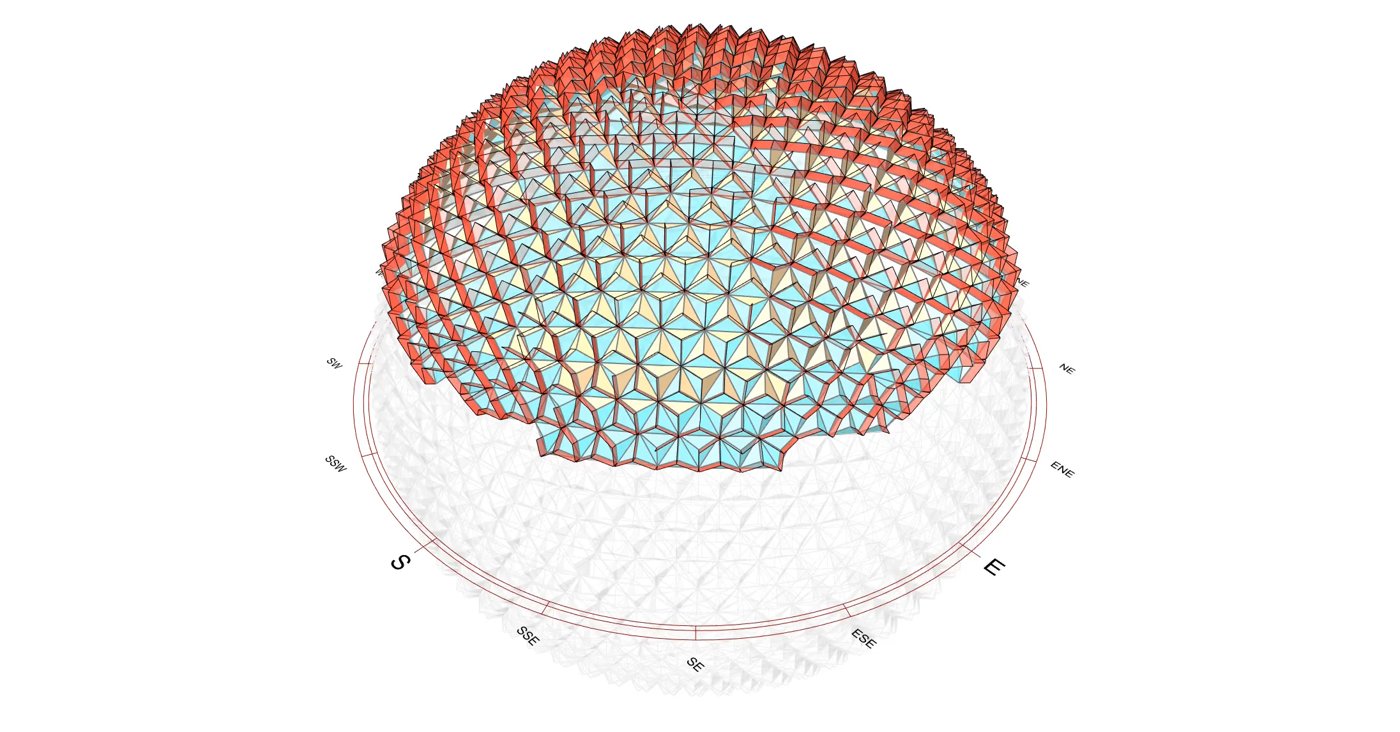
Access is studied in that same model. An algorithm automates the question of whether each point on the envelope can be reached, and returns a colour gradient across the surface: what is accessible, what is not, and where a different strategy will be needed. However well a façade is rationalised and however well it performs, Chand's position is that a building without proper access becomes an operational problem, and worse than that if somebody is asked to reach it anyway.
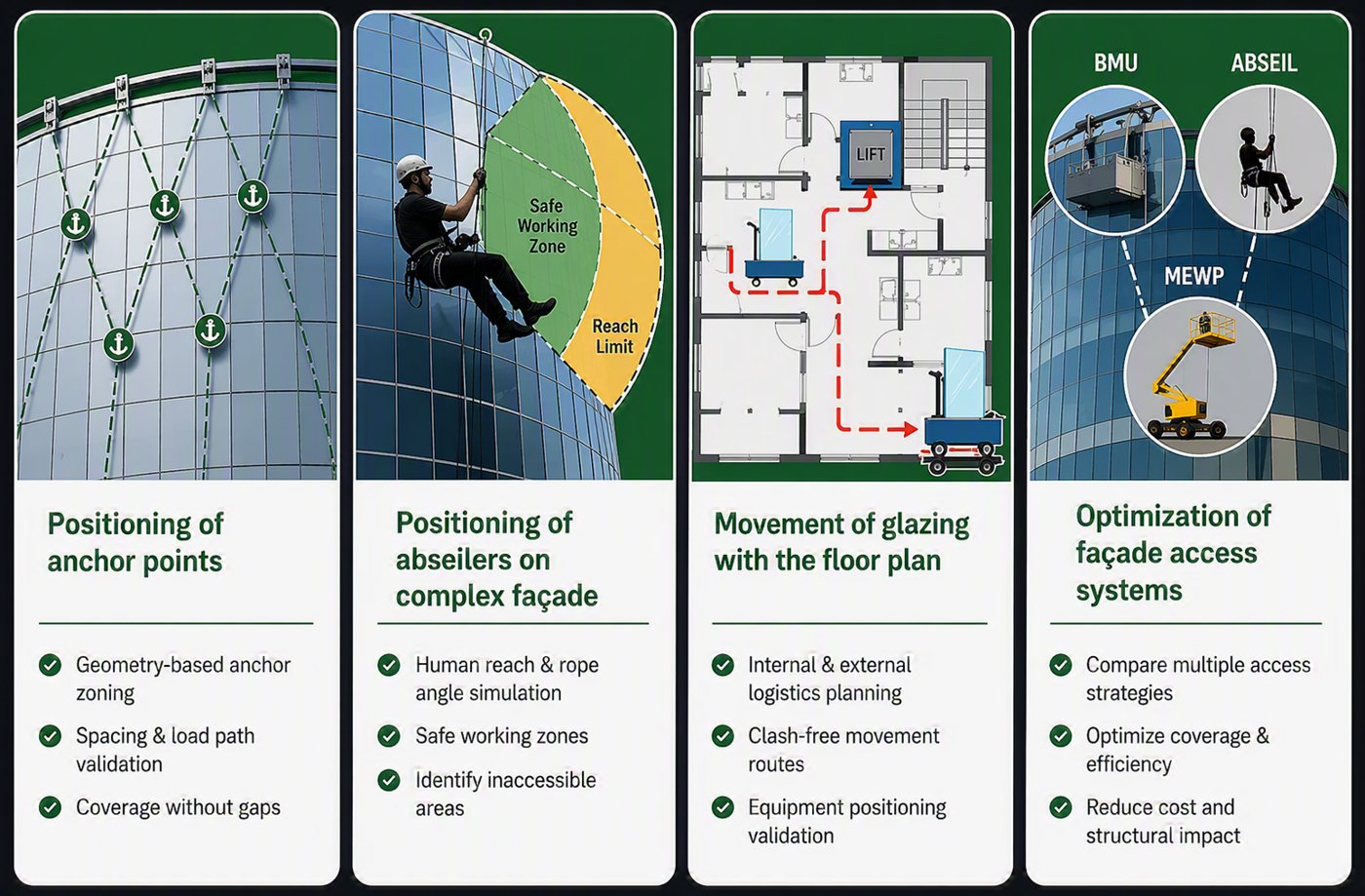
His half is the specifics. Which system belongs where, when a building maintenance unit cannot cover every zone and the gap has to be closed by abseil or a mobile platform. Where anchor points go on a façade that curves to an organic shape, which at 100 or 200 metres cannot be settled by rotating a 3D model or drawing it in 2D. And where the abseilers can physically be.
That last one produced his best line. Drawings routinely note that an area will be reached by abseil, he said, but those people are not supermen: the façade has to be shaped so that a person can put a foot in and rest against it. So the ergonomics went into the model. On a triangulated envelope in Saudi Arabia, where a circular façade would have been simple but the panels project out at varying angles, they defined a person's geometry, how far a foot can move in, how it twists, and established what position a worker would be in at each location. That, rather than the geometry alone, dictated which system goes where, and it showed that permanent anchors would have to be supplemented by temporary systems brought into place.
Written into the plugin, not checked at the end
All of it lives in scripts inside the façade design tools, so an access engineer's parameters are available while the elevation is still moving: the reach required from a cradle, where the codes place an anchor point at a given inclination, the clash-free routes for moving glazing in and out with the floor plan.
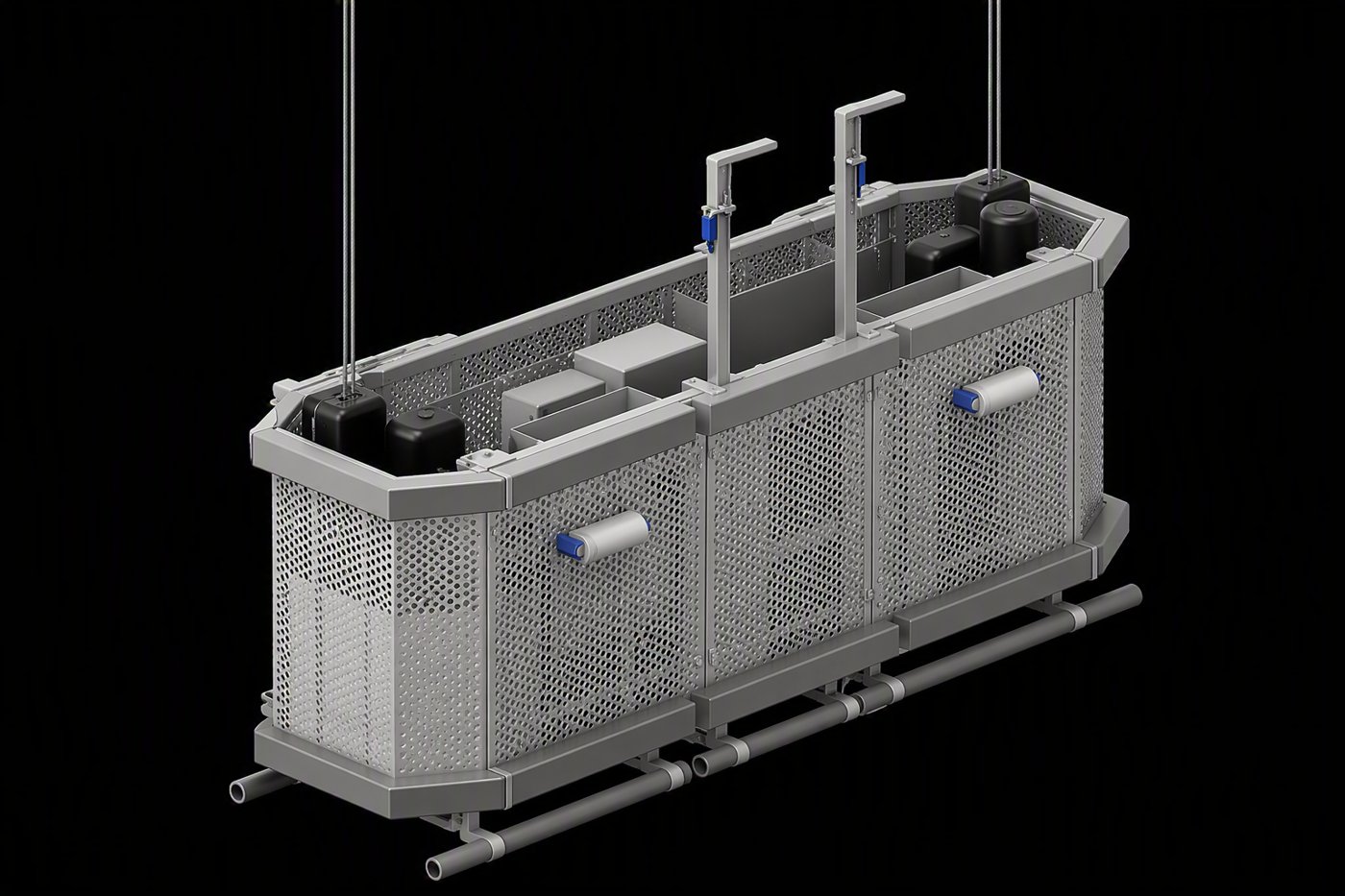
The result, when it works, is invisible. At the Dubai World Trade Centre the cradle system is integrated into the sunshade louvres, and unless it is hanging you would not know the system is there. Chand, who worked on it, said he has been surprised by it himself. Getting there meant plugging the cradle's reach and type, the shading elements and the rest of the façade parameters into one another, which is a computational design problem that belongs at the start of a project rather than at the end of it.