


Chad Patterson took metal composite material apart layer by layer, from the three core types and what each is allowed to do, through the resins in the paint, to the warranty clauses that decide who pays when a panel fails.
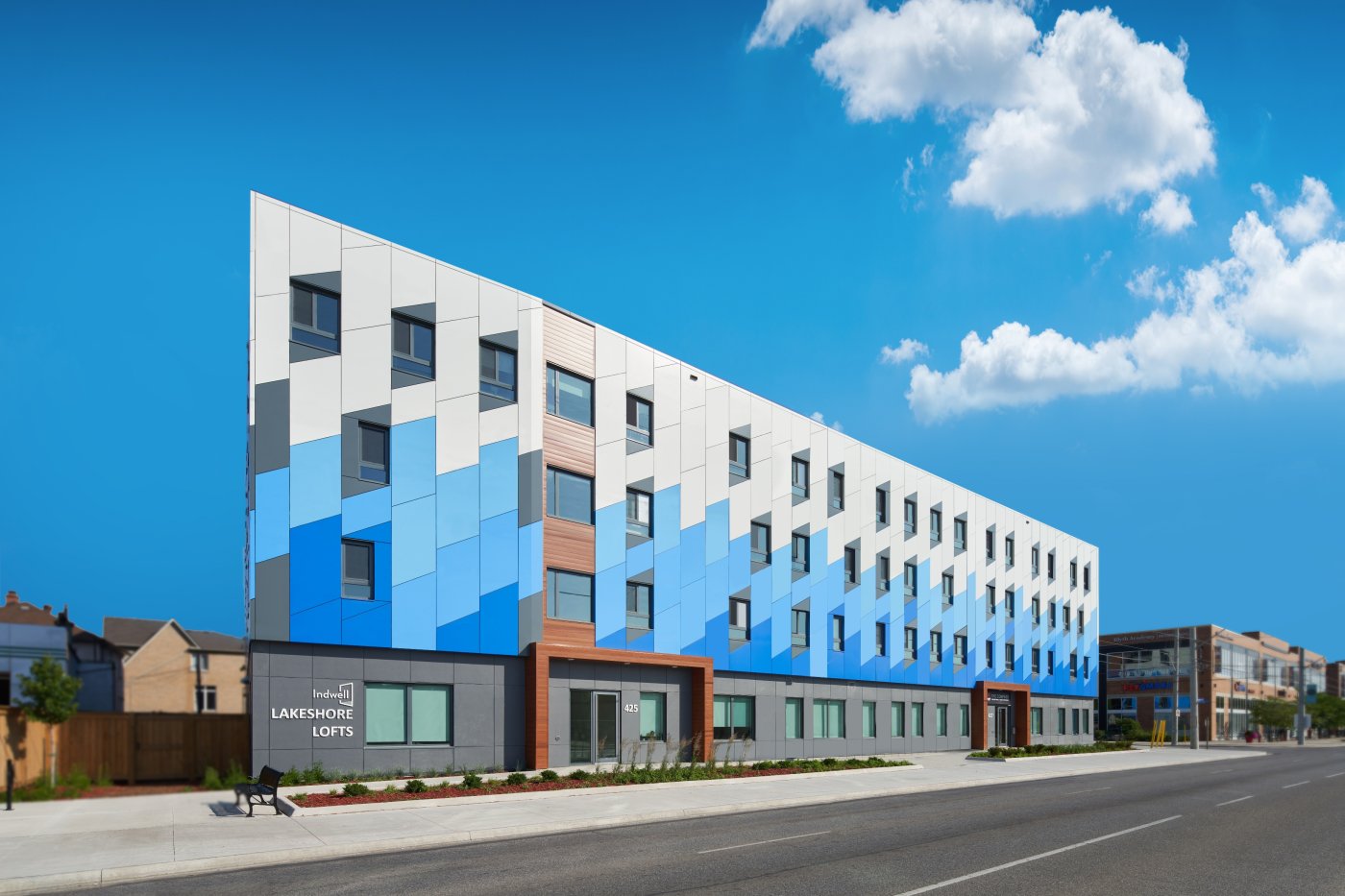
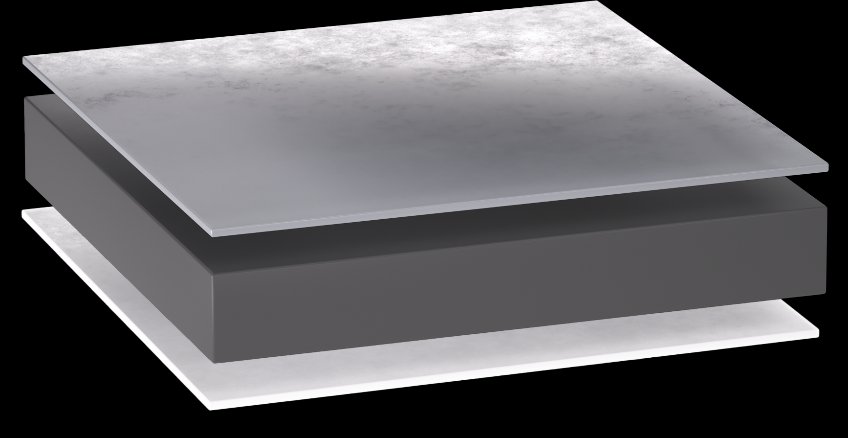
Metal composite material is two skins of metal bonded continuously under tension either side of a thermoplastic core. The outer skin can be painted aluminium or a natural metal: copper that starts like a brand new penny and patinas towards the colour of the Statue of Liberty, or zinc, stainless steel or titanium. Patterson's case for it is that it is rigid and very flat, with the stability of heavy gauge sheet metal and a good strength to weight ratio, while staying light, prefinished and flexible enough for round column covers, beam wraps and a lot of unusual shapes. It goes inside as readily as out, on elevator shrouds, ceilings and column covers.
Thickness sorts the applications. Two millimetre is mostly interior work and signage, three millimetre signage and the petroleum industry, and four and six go on architectural façades. Painted material comes in 40, 48, 50, 51 and 62 inch widths, with 50 and 62 stocked to suit a four or five foot module. Stock lengths run from 146 to 198 inches, and custom lengths from 72 up to 288, though the limit is what the fabricator's tables and equipment can handle, so a drawing can specify a length nobody can make.
Three cores
Polyethylene is the lightest and most flexible, the easiest to fabricate, and under the IBC it is allowed from grade up to 40 feet. Fire-resistant core became prevalent after the fires of the past decade. It is still light but stiffer and harder to bend because of what is in the core, and every FR product has to meet NFPA 285 in the United States or CAN/ULC-S134 in Canada. The third is a non-combustible core engineered for zero flame spread, which meets ASTM E136. It is the least flexible, so it goes on flat rather than rolled, and exists mainly so the material can compete in type 2 construction.
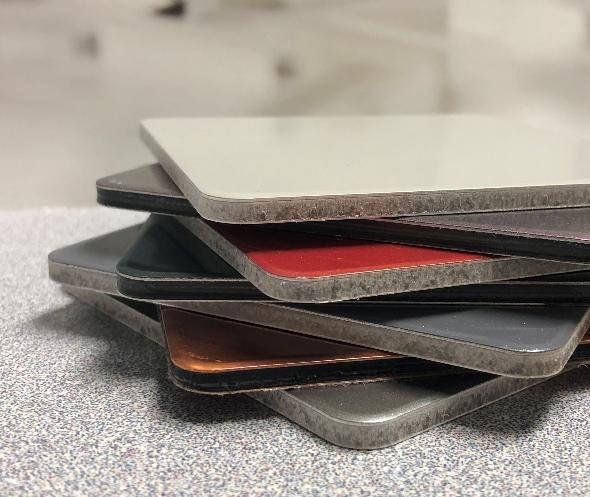
What is in the paint
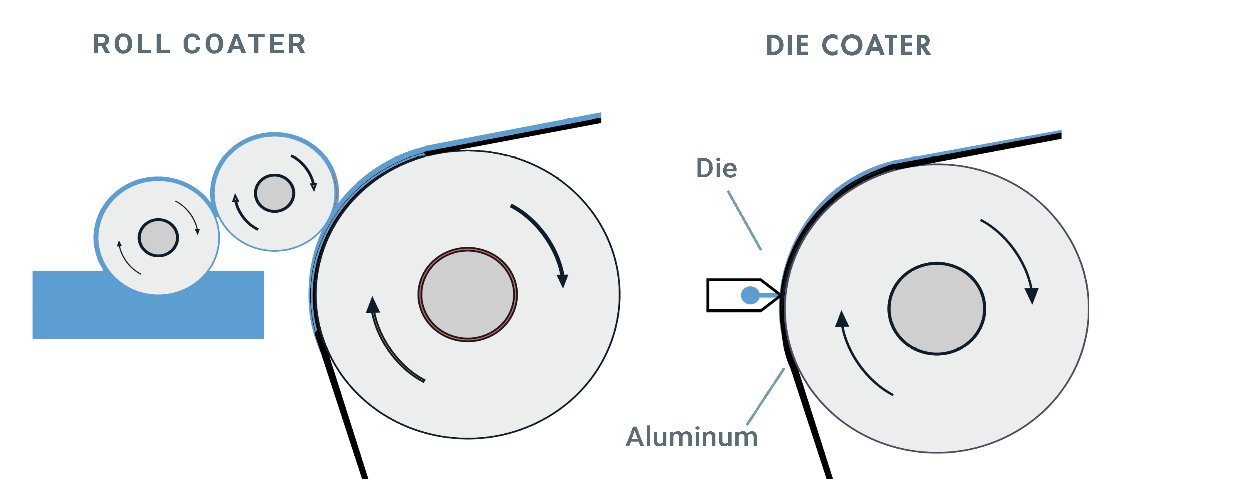
Patterson ranked the resins good, better, best. Polyester is the cheap option for interiors and signage, holding a vibrant colour because UV is not breaking it down indoors. PVDF meets AAMA 2605 provided the paint carries 70 per cent Kynar resin. FEVE has no ratio to worry about, does not remelt under high temperature or pressure, and comes with warranties out to 35 years. The paint reaches the aluminium two ways: reverse roll coat, the more common route, lifts it from a trough and passes it roller to roller onto the substrate, while die coat extrudes it under air pressure. A two coat system is primer and pigment; a metallic or a coastal job adds a clear coat. Prismatic finishes stay three coat because the colour-changing effect lives in the clear.
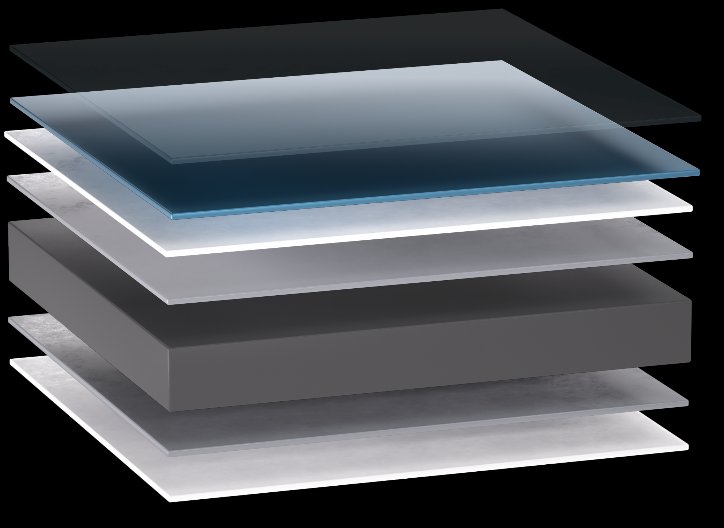
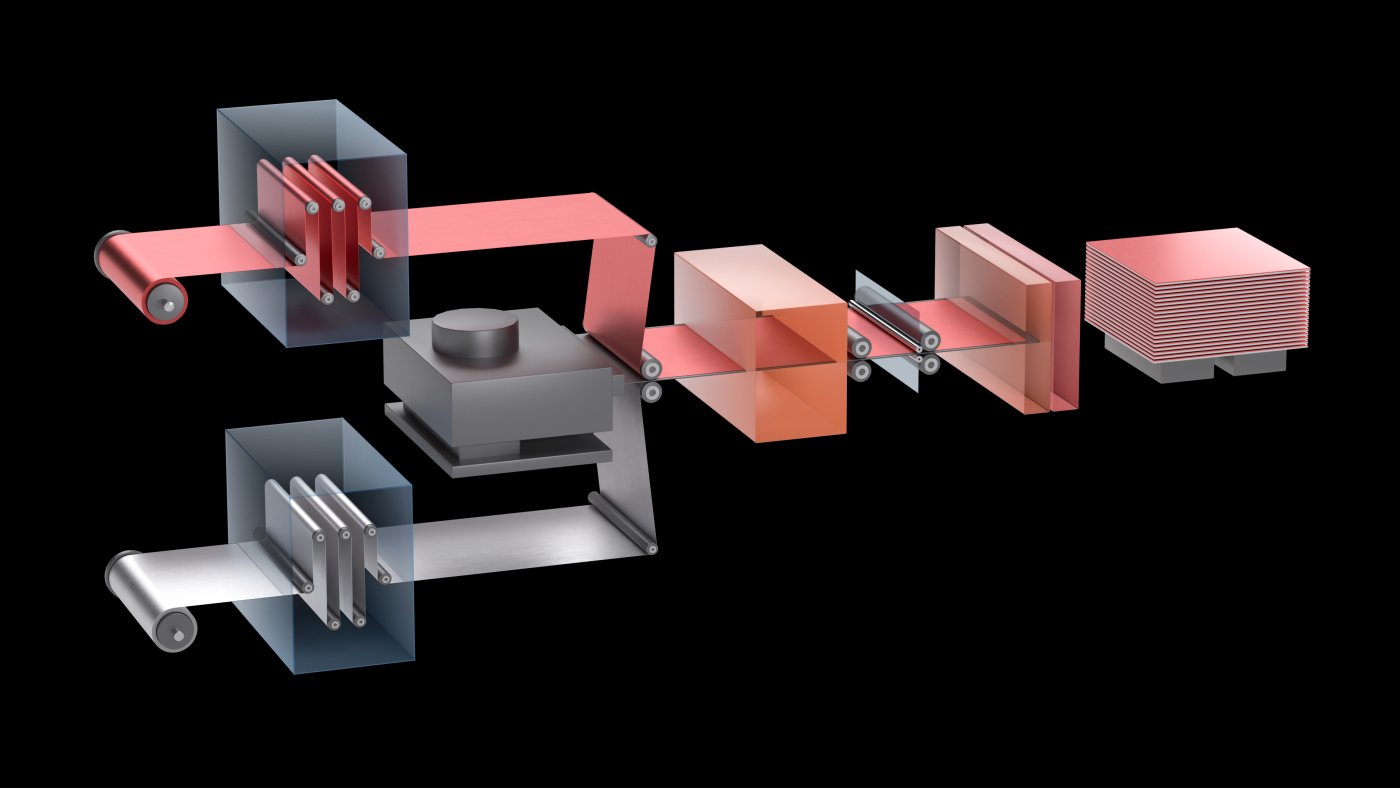
The line that does all this is continuous and about the length of a football field over two storeys. Accumulators hold the timing and keep the strip moving when a long run needs several coils fed in behind each other. At the pinch roller the skins are bonded to the core, which is what the ten year bond warranty covers. After that come cooling chambers, protective film, sheeting and palletising.
Patterson's specification advice is three lines. Name AAMA 2605 if a particular finish matters, so the right resin goes in whichever the supplier chooses. Call for a tested system meeting AAMA 508 or 509, so the assembly behind the panel can breathe. And read the warranty: one manufacturer may cover the material alone, while another will repair and replace outright on a manufacturing defect.