


Nathan Seaman explained why an image that reads from two hundred feet can vanish at twenty, why perforating the subject sometimes ruins it, and how an ink turns to gas at four hundred degrees and joins the powder coat.
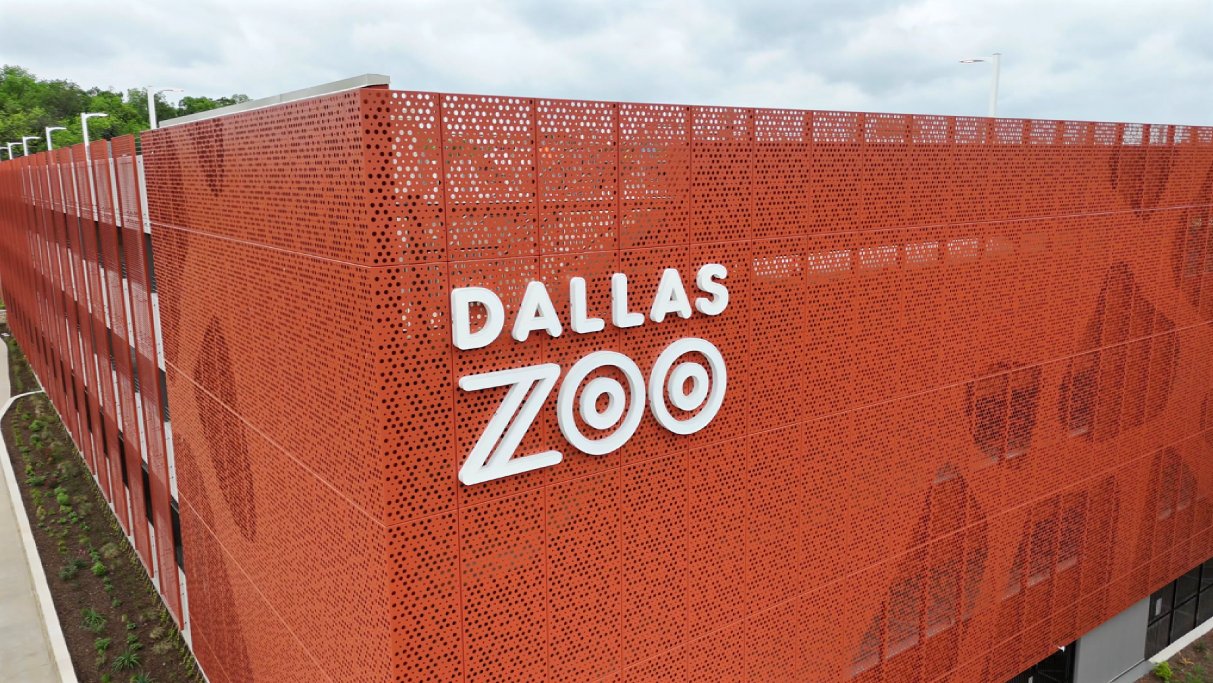
The Dallas Zoo carries a giraffe-inspired pattern perforated into its façade, and Nathan Seaman used it to make a point about everything that sits behind the holes. The precast was painted to match the orange and the subframing was painted too, both deliberate. Across the elevation you are looking through to different things: a dimly lit but open parking garage in places, a solid wall in others, open sky or direct sun elsewhere. Each changes how the image comes across, which is why none of it was left to chance.
Begin with the end in mind
What reads at two hundred feet may disappear at twenty. Seaman's test is a mock-up in the shop: architects standing in front of it nine times out of ten cannot say what the pattern is, and then recognise it immediately when they turn back from a distance. So the first questions are the primary viewing distance and the primary viewing angle. The second is what the image is read against, including whether it is meant to be seen from outside in or inside out. After that the arithmetic is simple. The hole punched in the metal is the pixel, and the number of holes is the definition. Panel joints are the last of it, and they are a design decision rather than a consequence: you do not want the corner of two panels meeting on an eye.
Subject or background
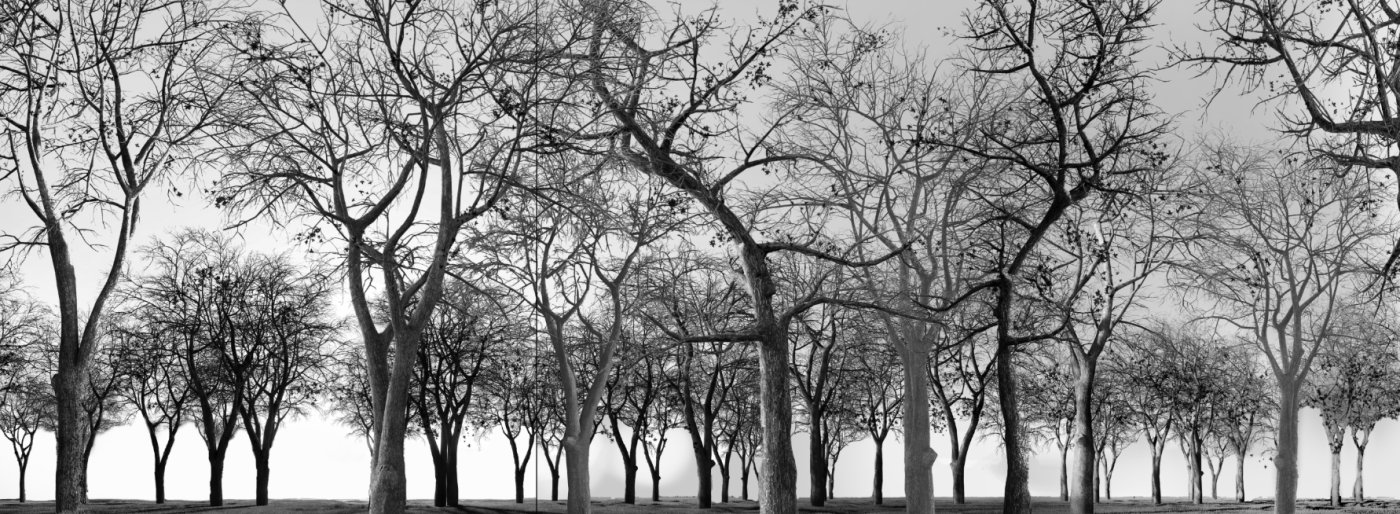
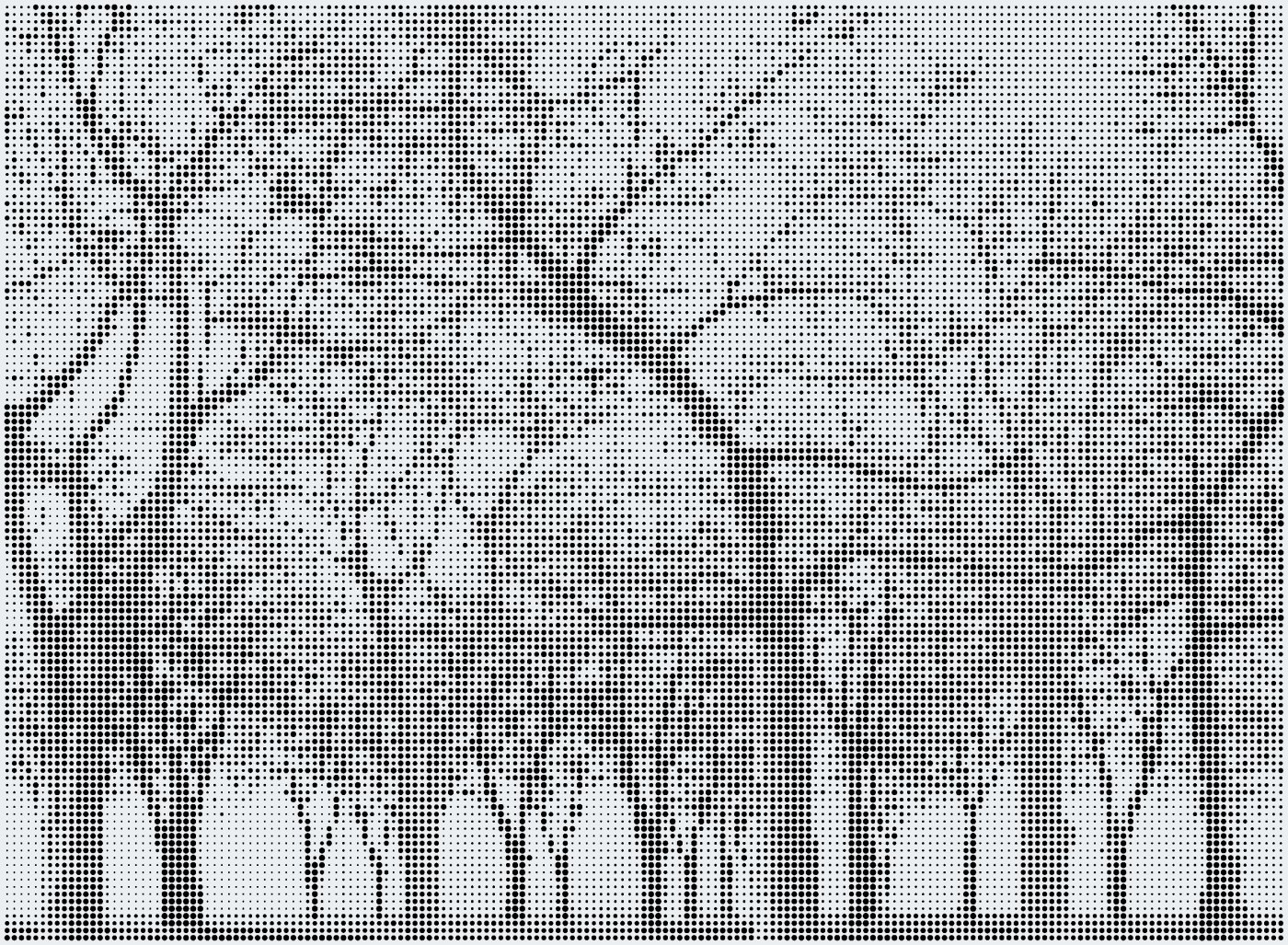
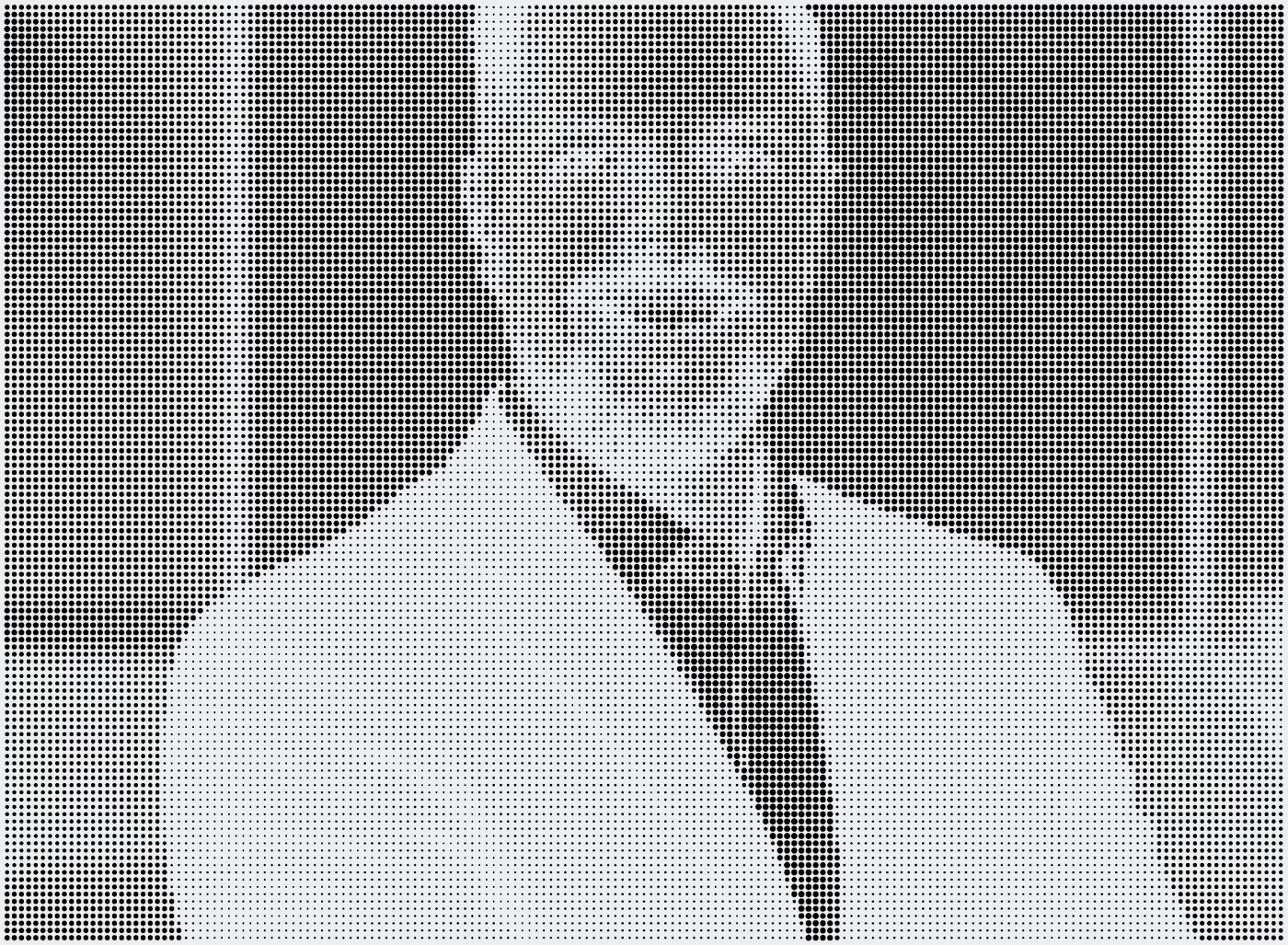
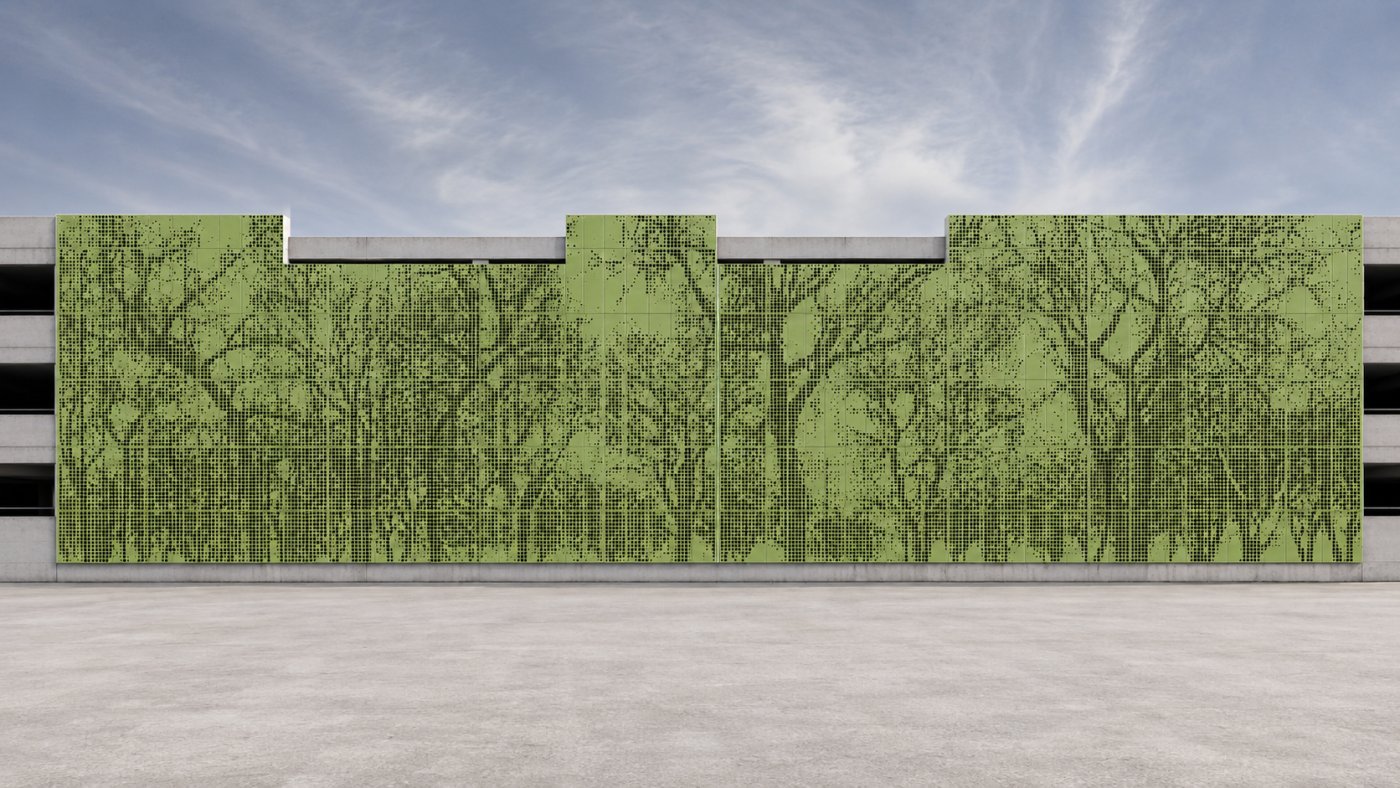
A project in Oklahoma brings a forest to a parking garage, with defined trees and limbs in front of foliage behind. The workflow starts with a clean photograph, because detail becomes noise at distance, then simplification, then contrast. The decision that follows matters most: whether to perforate the subject or the background. It is not one size fits all. On the forest, one version reads like a photo negative and the other is clear. On a portrait, perforating the subject looks terrible, and the answer is to take the background out around it instead. Then comes panelisation, the joint layout, and prototyping, both the whole elevation in the drawings and a physical mock-up read at the distance it will actually be seen from.

Ink that becomes gas
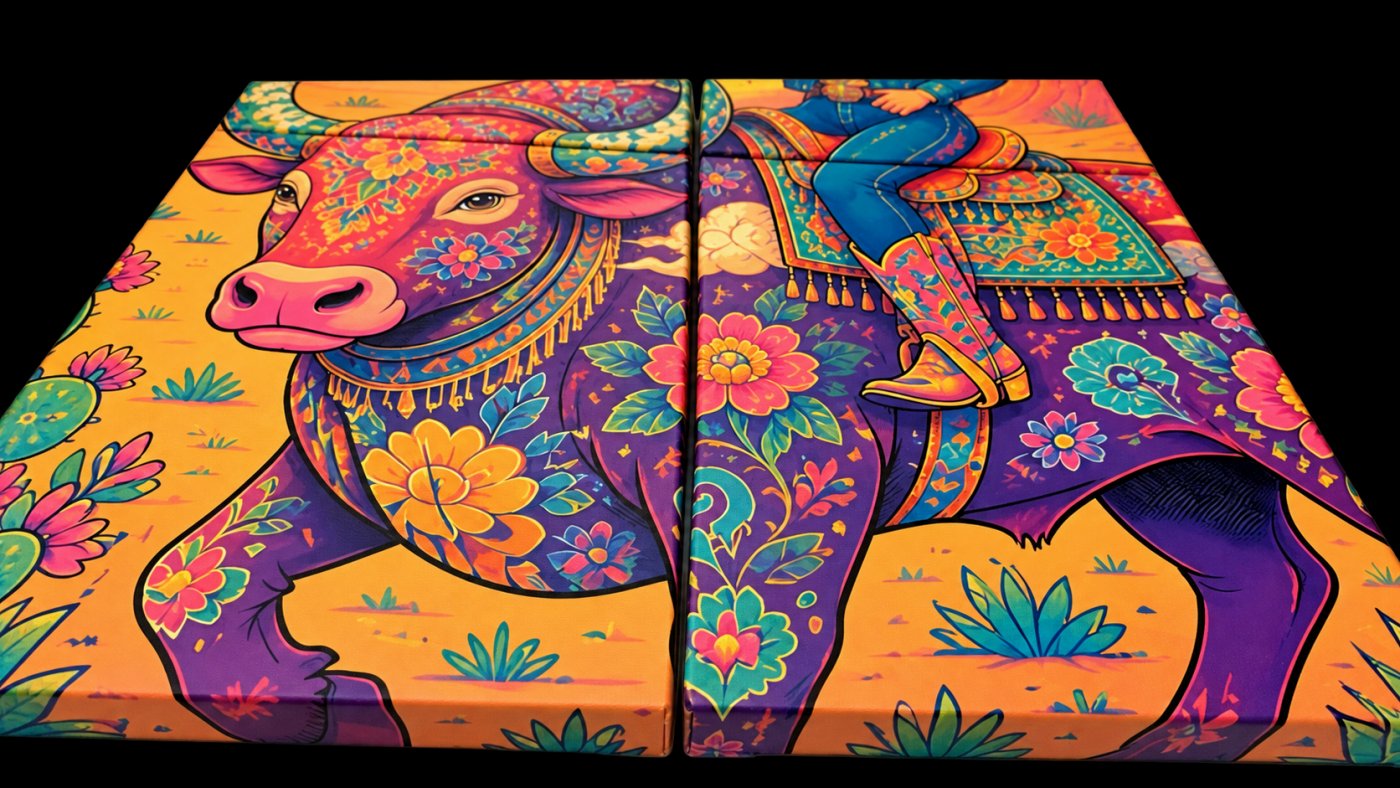
The Austin Convention Center carries perforated images and sublimated powder coat together, which is unusual, because sublimation is normally used on its own. It is the process behind wood grain, corten and terracotta powder coat finishes. Artwork is cleaned up, printed onto a special paper with a special ink, and wrapped to an aluminium part that has already been powder coated. In the oven, when the metal reaches 400 degrees, the ink sublimates to a gas and permeates the coating. Peel the paper away and the image is within the surface rather than applied over it, and it satisfies an AAMA 2604 warranty. Because it does not depend on hole size or spacing, it adds both colour and definition that perforation alone cannot.
Seaman's list of what goes wrong is short. Too much detail, which stops the image reading. The wrong background behind it. Joints nobody thought about. Engineering left too late, because open area requirements on a garage and wind loads on the panel have to shape the hole pattern rather than be checked against it afterwards. And no control sample: on a screen the parts look nothing like they do in the hand.