


Uday V Shetty argued that a panel maker should hold itself above the standard it is judged by, making the case for A2 as a minimum on tall buildings, for declarations chosen by application rather than by marketing, and for pre-coated sheet on programme grounds.
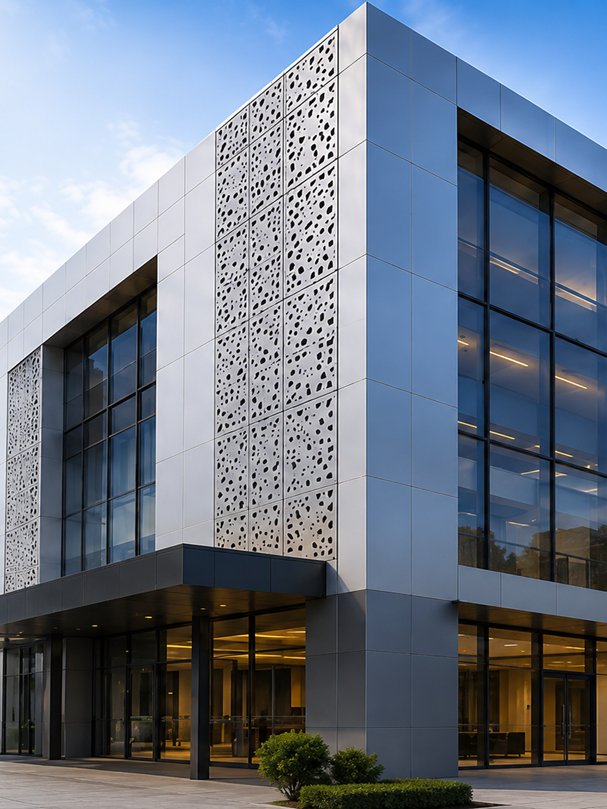
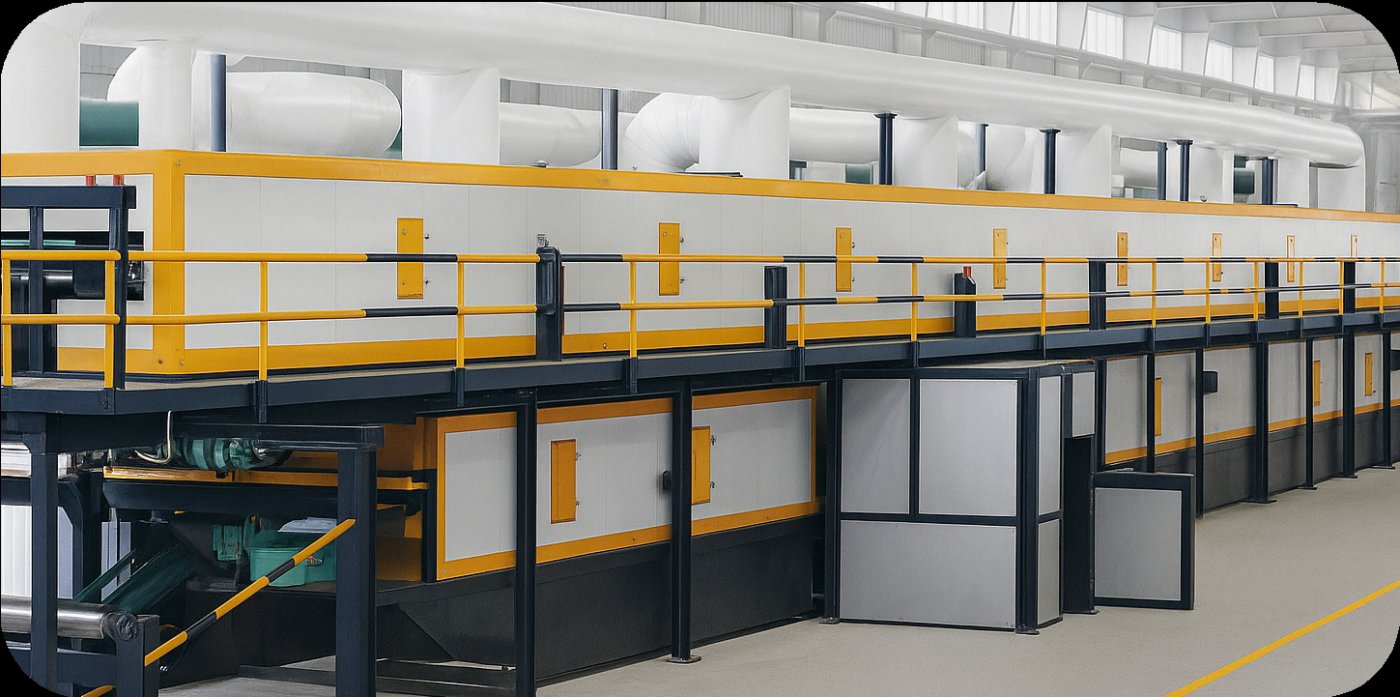
Metal cladding carries a reputation for being the unsustainable option, and Shetty spent his time arguing the opposite from a manufacturer's side of the table. The case he makes for the material is unglamorous and mostly about time: aluminium is light, recyclable, thermally efficient and long lived, and a good coating means it is not being maintained or replaced on a short cycle. The company behind the argument is substantial enough for it to carry weight, seven composite panel lines running around 1,500 tonnes of metal a month out of Vapi, and active in more than thirty countries, which is where Shetty says the discipline of compliance was learned before India asked for it.
Arguing above your own code
The interesting position in the talk is the one that costs him something. NBCS asks for a minimum 70 per cent mineral core in composite panels, tested to ISO 13785, and Shetty is careful to distinguish the two parts of that standard: the first is a material test, the second a system test. His own view is that the code's floor is not where a tall building should sit. A2 should be the minimum on a high rise, in his account, with A1 increasingly the expectation in western markets. He also backs the system approach outright, on the reasoning that construction assembles many materials and a certificate for one of them proves very little about the assembly.
What a declaration is, and is not
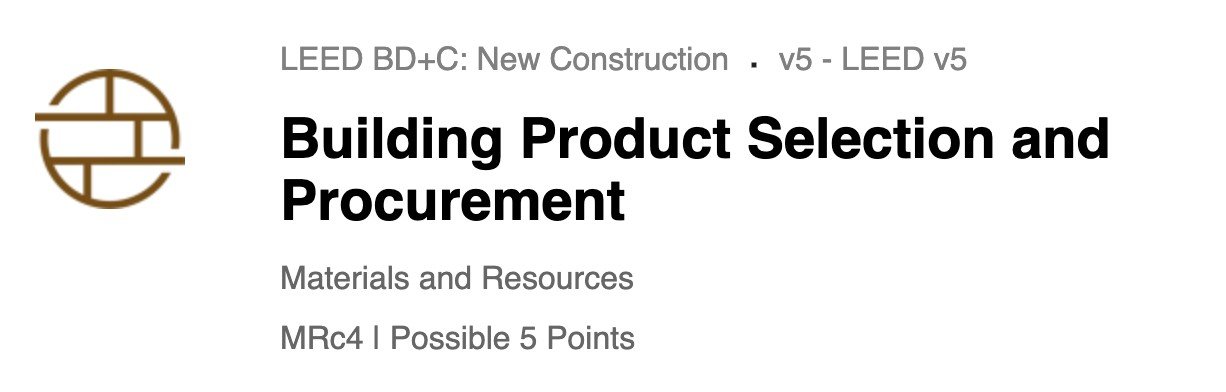
Environmental product declarations are the other half of his argument, and here Shetty is blunter than the marketing usually allows. A declaration is an assessment of a product's life cycle, recognised by IGBC and GRIHA, and it supports a green rating, evidences embodied carbon and gives a buyer something to check. It is not a sustainability claim in itself. Products are declared cradle to gate or cradle to grave and the two are not interchangeable, so the honest sequence is to establish the application first and then choose a material against it, rather than picking a product because it holds a certificate and working backwards. Metal cladding, on his figures, contributes something in the order of three to five points to a rating, which is worth having and is not a substitute for the rest.
Where the programme time actually goes
The commercial argument is about sequence rather than carbon. Coating a panel after fabrication and coating the sheet before it are different programmes, and Shetty's team compared the two across roughly 10,000 square metres of cladding in India and the UAE. Pre-coated sheet, on that study, turned the work around about twice as fast, which on a large envelope is a meaningful share of a project's life cycle. The coatings themselves are held to AAMA 2605, which he notes runs to some seventeen separate criteria and is audited rather than self-declared.
Thin stone on a honeycomb
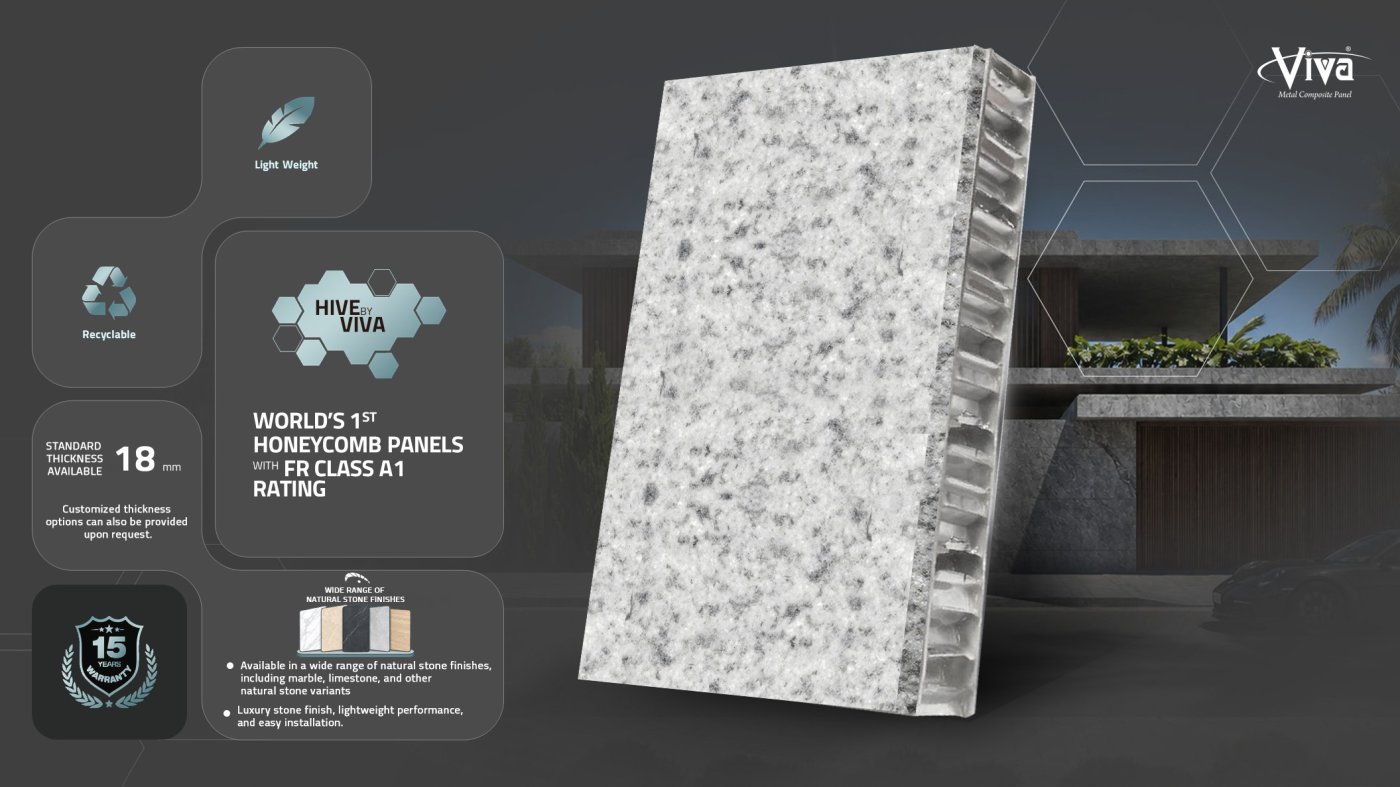
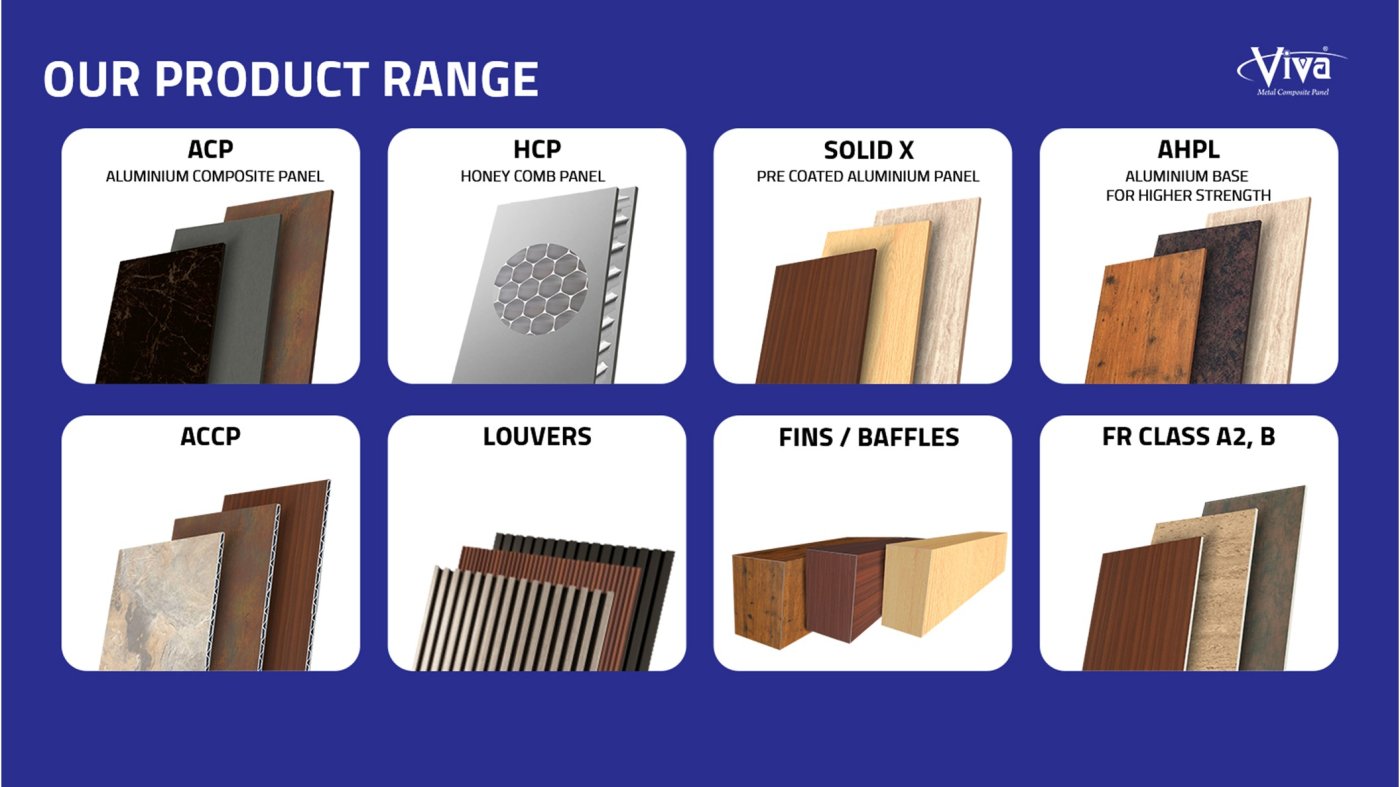
The newest product is aimed squarely at the slowest trade on a façade. Natural stone is heavy to move, slow to cut and slower to install; the panel Shetty described takes a stone the client has chosen, cuts it to six millimetres and bonds it to a honeycomb core, so the elevation reads as stone while the programme behaves like cladding. It was still in testing when he spoke, with a launch expected within months, alongside chequered panels and metal ceilings on the same bench. The applications he has in mind are the ones where panel counts are large and the programme is unforgiving: airports, metro stations and commercial work.