


Bob Zhang showed how far curved architectural glass has come, from a Cartier flagship where every panel carries multiple radii, to Zaha Hadid’s OPPO headquarters with more than 20,000 uniquely shaped curved panels, and how a new furnace generation is cutting the optical distortion that has always dogged curved glass.
Zhang introduced North Glass as both the world’s biggest tempering-furnace manufacturer, 31 years of building furnaces, and, less well known, a glass fabricator in China for nearly 30 years. He covered two things: reference projects in multi-curved, or 3D-curved, glass, and the next generation of quality in curved glass.
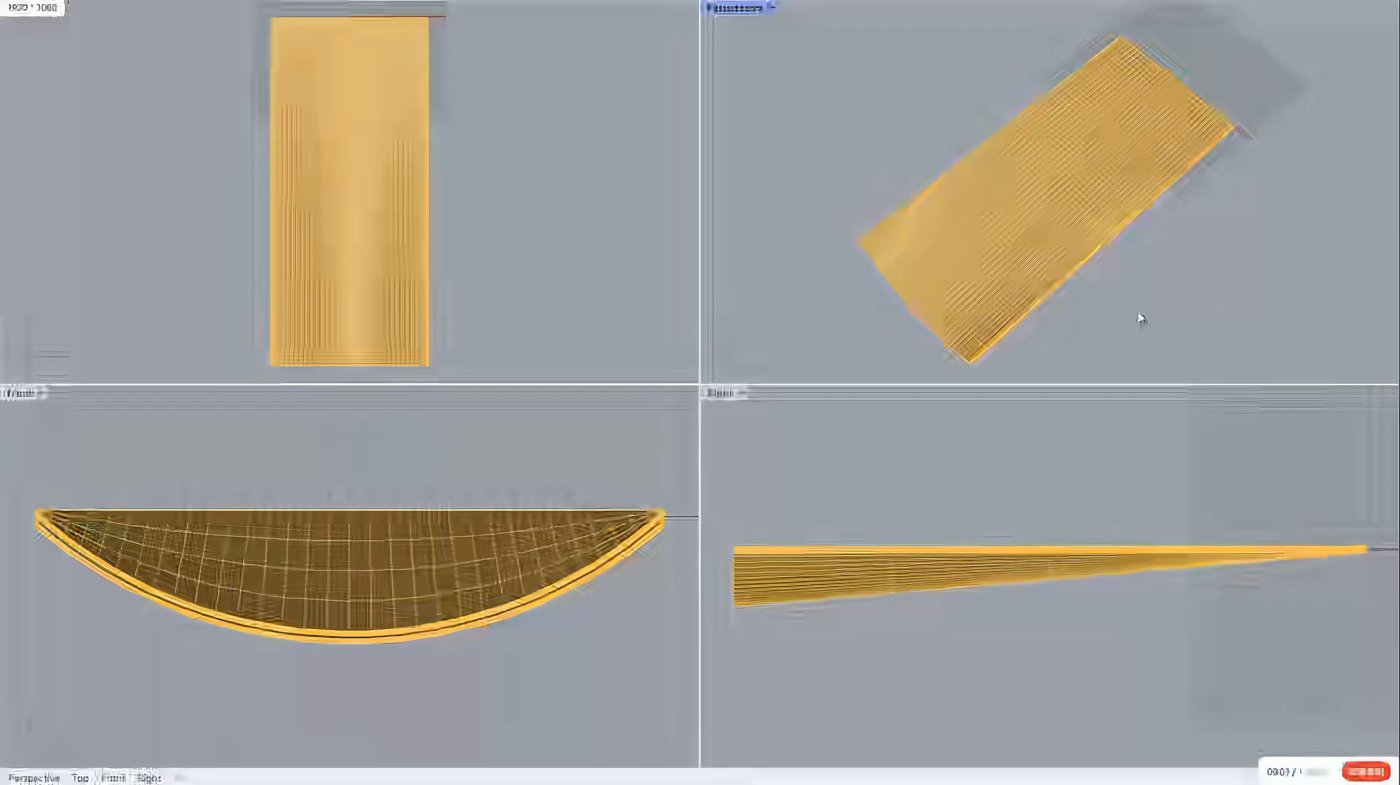
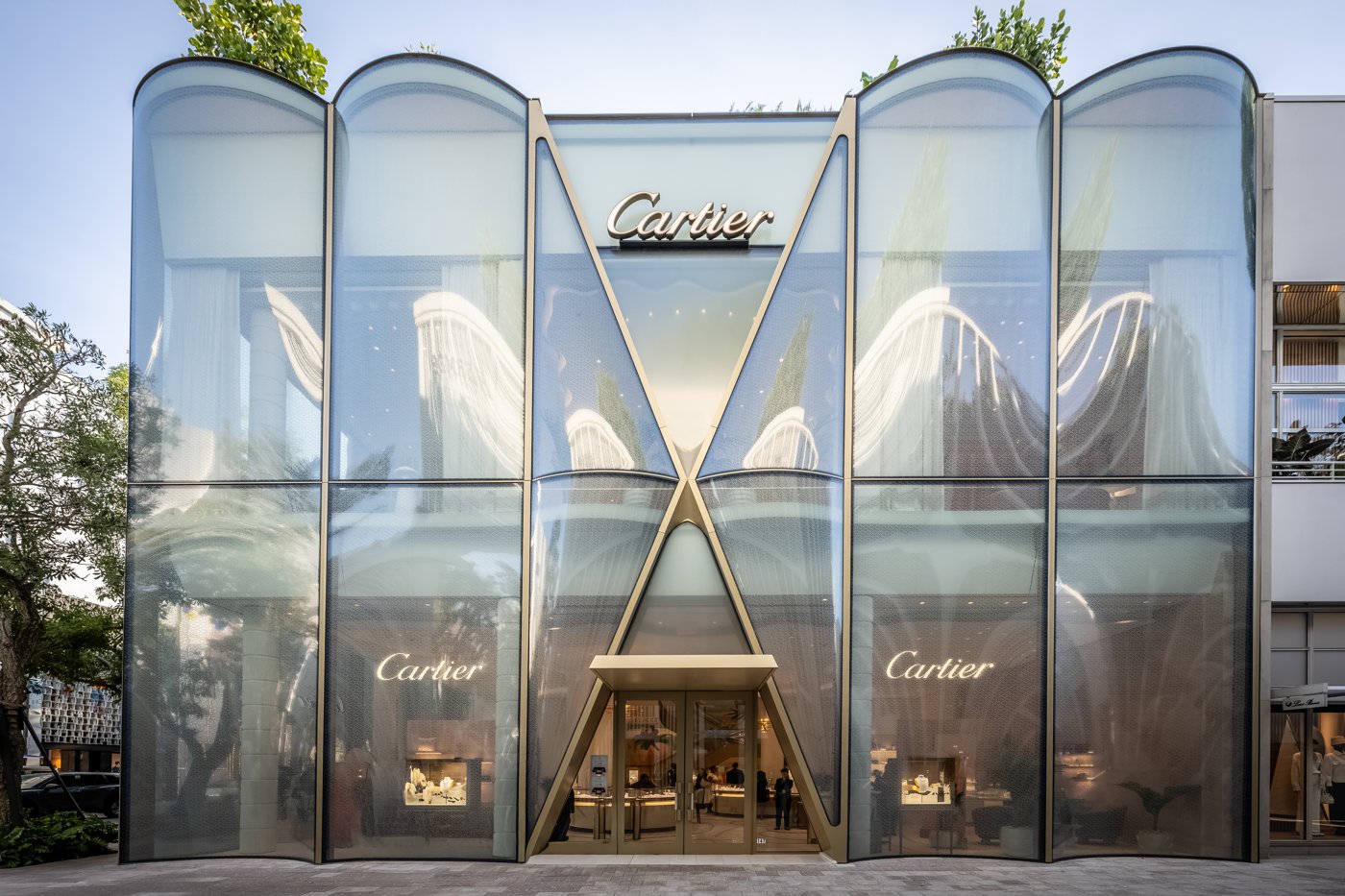
The first was the Cartier flagship store in Miami, designed by Diller Scofidio + Renfro with Front as façade consultant. Every panel is multi-curved, and the building carries both concave and convex surfaces made to read as one continuous appearance under a low-e coating. “Multi-curved,” Zhang explained, means a single piece of glass carries multiple radii across different areas of the same panel, curved at the top and bottom, flat at a joint edge. It is a small project, just 24 pieces – ten of them concave and ten convex – but a complex make-up: four layers of glass, a ceramic frit print of the Cartier logos, and a triple-silver coating on the fourth surface for the best U-value and solar control. The panels stand just over 20 feet tall and 10 feet 4 inches, over three metres, wide, near the very limit for the glass, and they are curved tempered rather than slumped; North Glass believes it is still the only fabricator able to temper-bend that geometry.
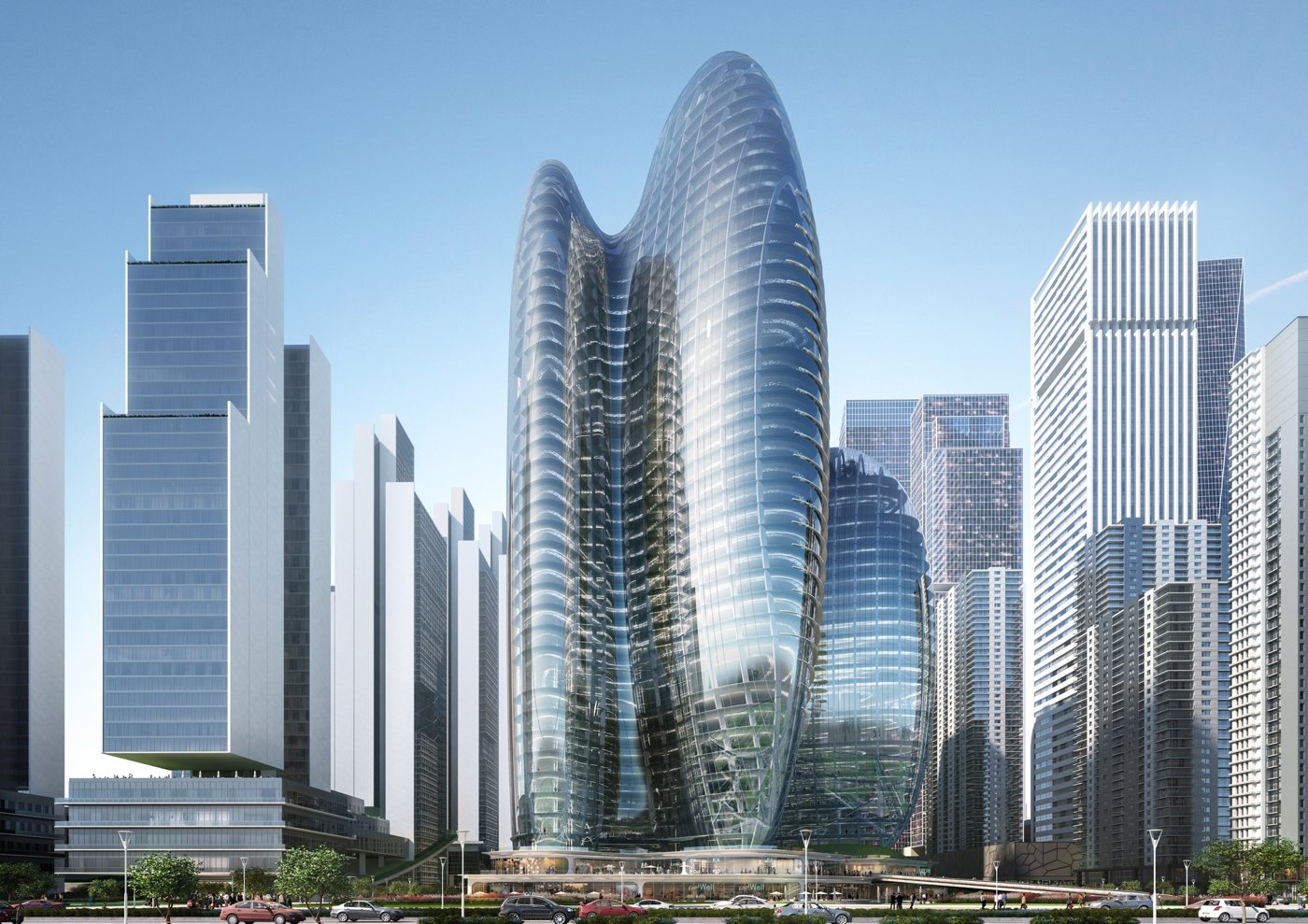
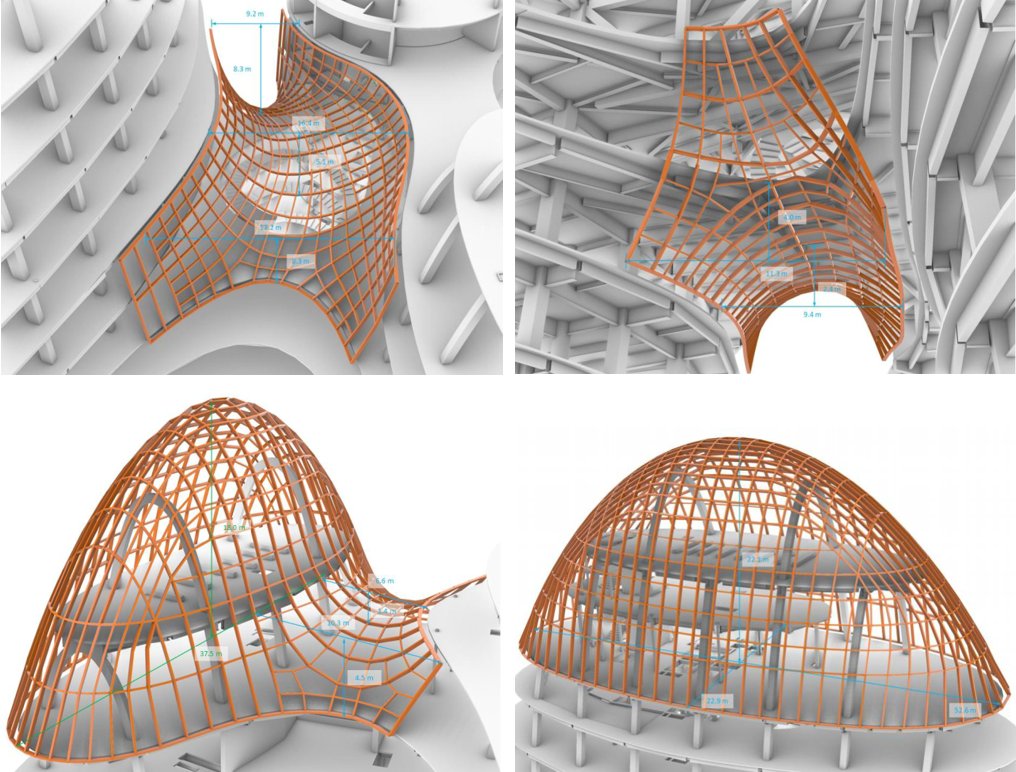
The second was a different order of magnitude: the OPPO headquarters in Shenzhen, designed by Zaha Hadid Architects. The façade runs to more than 800,000 square feet of glass across more than 20,000 pieces, each with a unique shape, in four small towers reading as one project, with a dome and “city” area that is the most complicated part. Winning approval on a project like that, Zhang said, comes down to quality, and to two problems in particular: minimising the distortion seen from outside, and controlling the dizziness people feel looking through curved glass from inside. North Glass’s own technology guarantees the low-e coating stays on the same surface whether the glass is concave or convex, so the whole façade holds one colour and appearance.
Quality control is hands-on. Before a project starts, the biggest panel becomes a control sample approved by the client and design team; during production the client visits the factory, often weekly, pulls glass from the store and compares it side by side with the approved sample to accept or reject it.
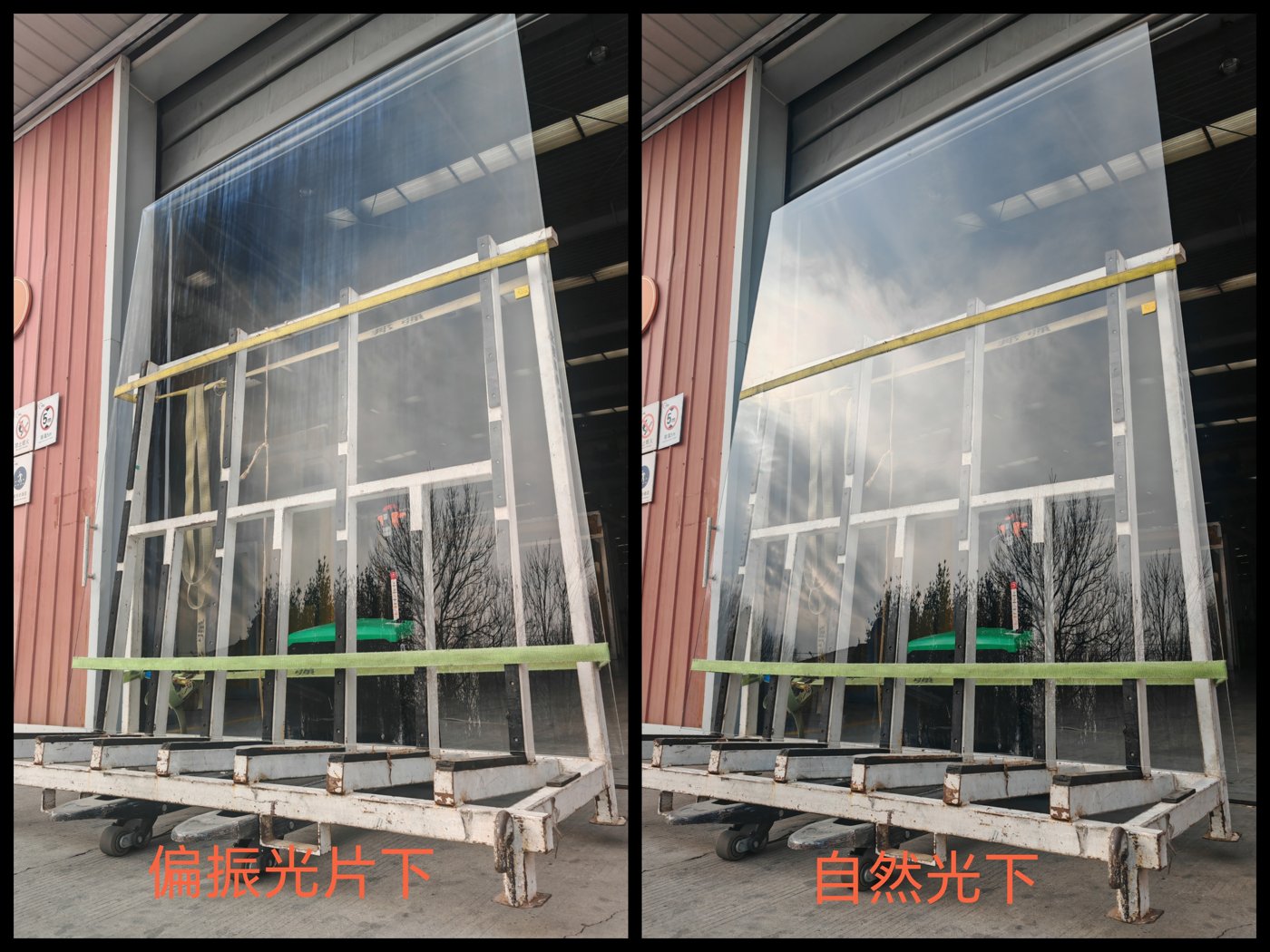
Zhang closed on the two things that actually define curved-glass quality, not dimensions or radius tolerance, which a tape measure can check, but distortion and anisotropy. Roller wave, the distortion worst at a panel’s edges where the glass overheats, is measurably reduced by North Glass’s newest furnace, released last year and improving distortion by at least 30% over the previous generation. And anisotropy, the pattern of stripes visible at critical angles and under polarised light, is far less pronounced on the new furnace than the old. With more than ten curved tempering lines producing single-, double- and 3D-curved glass at sizes up to 24 by 3.6 metres, his closing point was simple: if you can dream the geometry, the technology now exists to build it.