


Ravneet Saini and Martin Durivage of Saint-Gobain argued that glass is the one building material with no single appearance, it shifts with light, angle, weather and viewpoint, and showed GlassPro Live, a physically-based spectral engine built to predict, rather than merely render, how a façade will actually look on installation day.
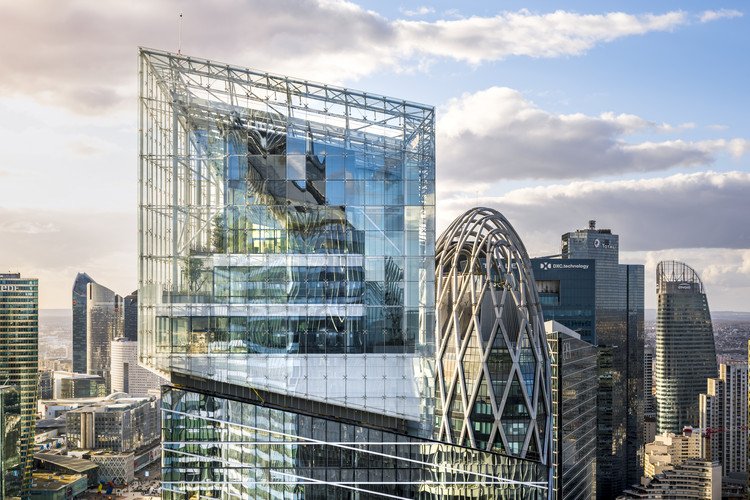
Saini opened with history: in 1671, under Colbert, France founded the Royal Academy of Architecture, and for the first time buildings were visualised, codified and standardised through rigorous drawing. Tools like GlassPro Live extend that legacy, he argued, with a shift in purpose, “we no longer draw to imagine, we render to predict.” Durivage traced the arc of architectural visualisation from ancient drawings and Renaissance perspective through physical models, CAD in the 1960s, 3D modelling and rendering, to today’s CGI, BIM, immersive VR and AR, and now AI.

Then the problem, in Saini’s memorable framing: the McDonald’s ad. You dream a project in 3D, beautiful, flawless, then reality shows up, the building gets built, and it isn’t what you imagined; sometimes you feel you have lost all control over the outcome. Why do these gaps between expectation and reality happen so often? Material complexity, the unpredictable effects of light, the compromises made during construction.
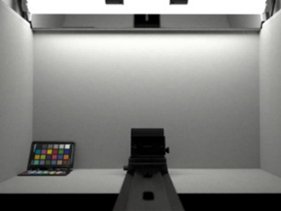
The root cause is glass itself. Unlike any other building material, glass changes constantly, its appearance depends on time, weather, background and point of view. You don’t install a colour, Saini said; you install a dynamic visual behaviour. What you see is a mix of spectral light behaviour, multiple reflections across layers and internal absorption, so the same glass looks completely different at noon under cloud, at sunset, or from inside versus outside. GlassPro Live meets that with a cutting-edge, physically-based spectral engine that simulates light, reflection and perception rather than just reporting numbers.
The contrast Durivage drew was with traditional RGB rendering, the beautiful images in brochures and competitions, which many architects have used masterfully for decades, but which do not account for glass’s real physical properties: no spectral simulation, no variation with angle or sky, often inconsistent reflections. It looks beautiful, but it is an artistic illustration, not a prediction, and when you are selling high-value glass, approximations lead to surprises and mistrust. GlassPro instead works from spectral data measured in the lab, transmission and reflection profiles and the CIE Lab colour space, simulating what end users will actually see under real conditions. The goal is no longer a pretty image but a reliable, trustworthy, even contractual, one.
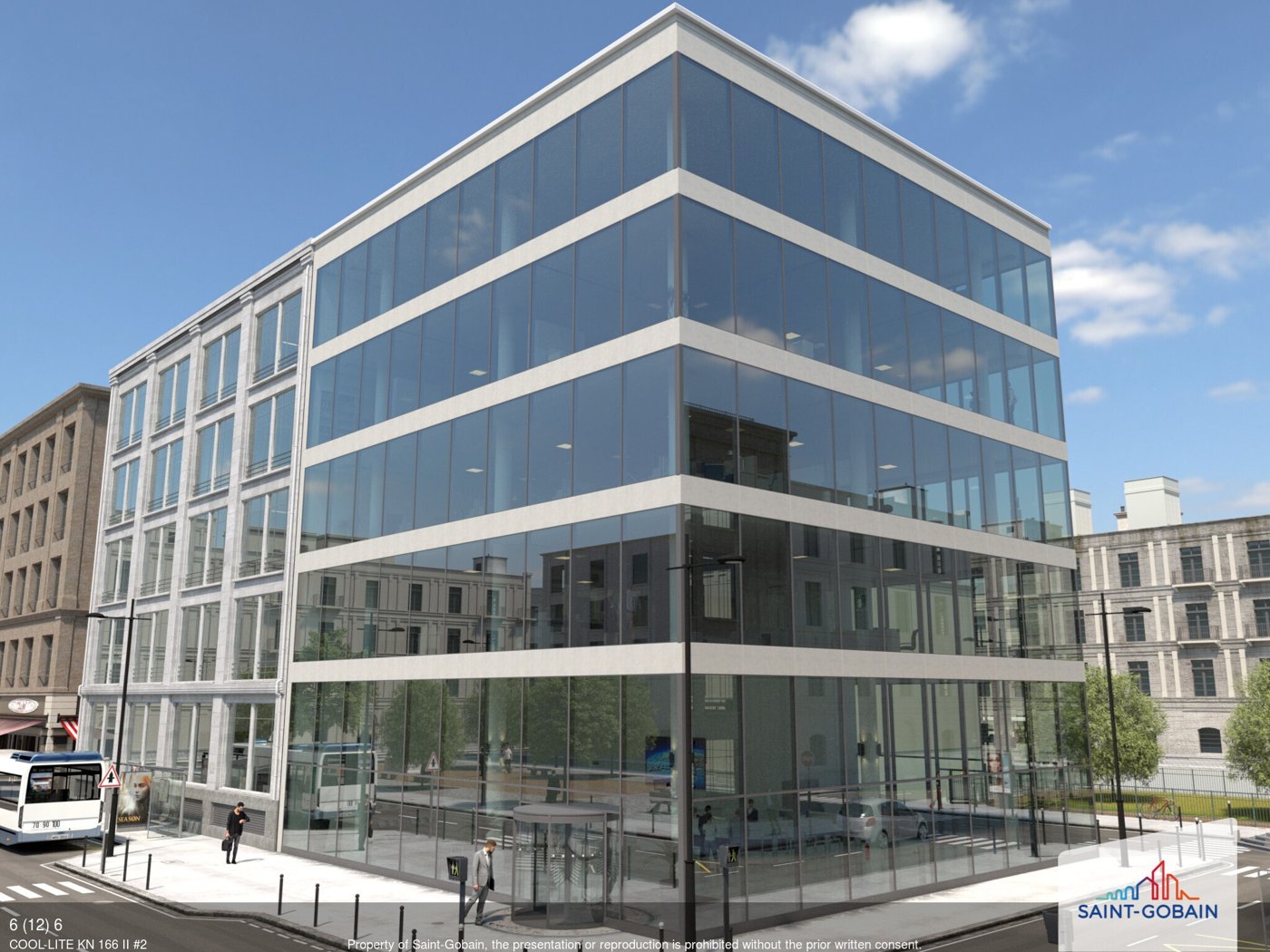
In practice, Saini positioned it alongside the tools architects already use. Choosing glass rests on three complementary steps, samples, mock-ups and now GlassPro. Samples compare tints but are small, artificially lit and give no sense of the final façade; mock-ups are better but costly, slow and fixed to a single lighting context; GlassPro adds predictive digital visualisation, adaptable to the project’s geometry, weather and viewpoints, an agile way to decide faster and with more confidence from the design phase. It does not replace samples, he stressed; it enriches the choice.
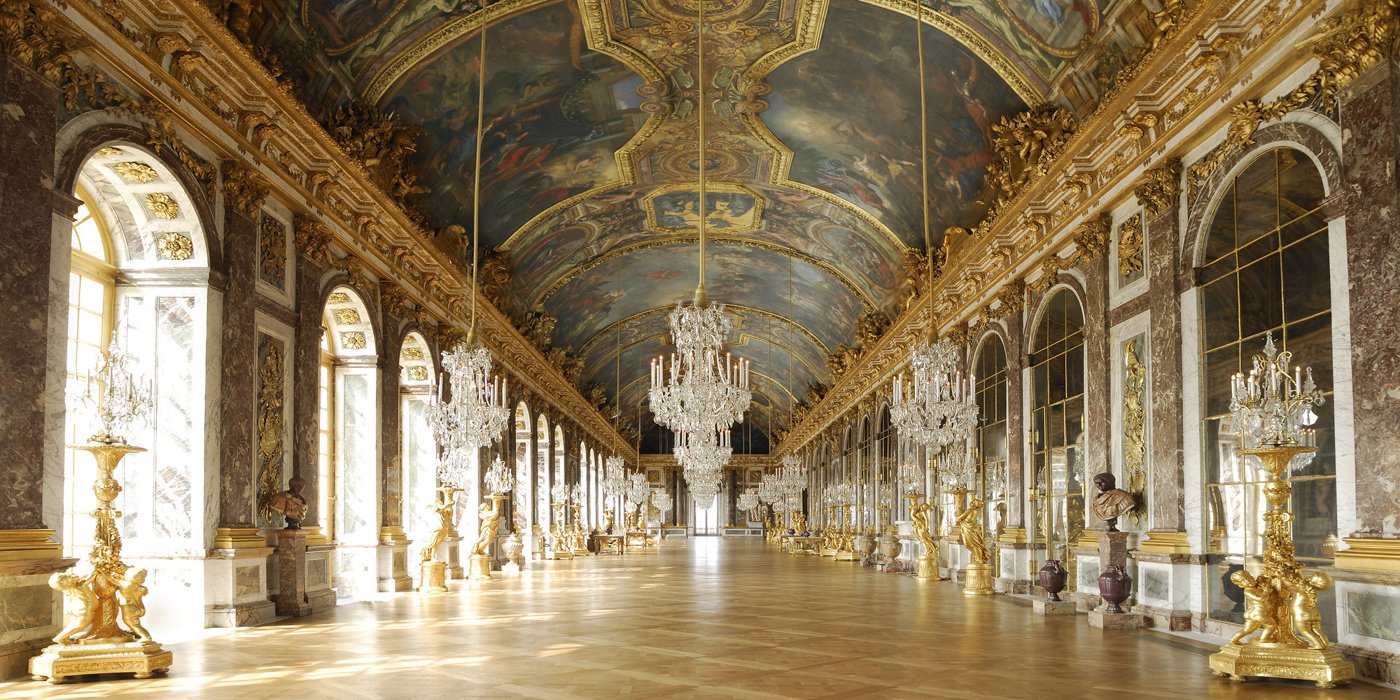
The summary was a balance of three things, art, science and reality. Artistic rendering captures the vision and emotion; science brings accuracy and prediction through data and physical models; reality is what gets built, always complex and sometimes imperfect. The aim is to bridge all three, delivering images that are beautiful and reliable and true to what will be constructed, and, with GPL360, to take that prediction into a fully interactive 360-degree virtual-reality environment where reflections, transparency and colour shifts can be explored as they would be seen in real life.