


Façade fire performance depends on more than a single combustibility rating. Angelos Zografos argues for a multiparametric view that connects material selection, cavity behaviour, geometry, fixings and tested assemblies so that the envelope is evaluated as a system.
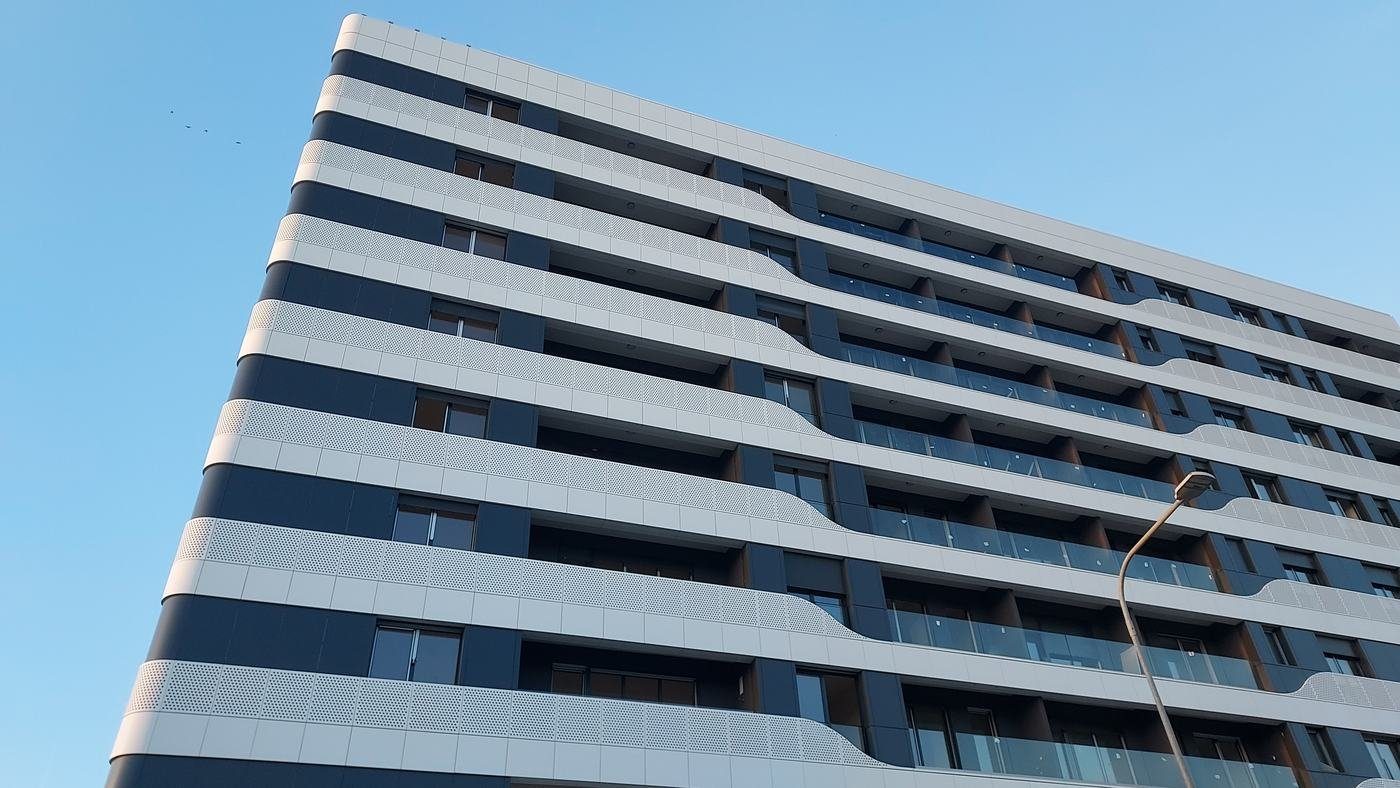
Angelos Zografos argues that façade fire safety becomes unreliable when the project looks for a single reassuring label. An external wall is a combination of face material, core, insulation, membranes, cavity, fixings, joints, fire barriers and geometry. Each part can influence the others, so the relevant question is not simply whether one product is "non-combustible" but how the complete assembly behaves under the fire scenario it may actually face.
Reaction-to-fire ratings are only one layer of evidence
Zografos distinguishes simple surface-spread thinking from classifications that also consider heat release, smoke and burning droplets. He gives particular weight to smoke production because a façade fire is a life-safety problem long before every material has been consumed. The applicable material class may also change with context, including distance to a site boundary and sensitive uses such as hospitals or kindergartens. These classifications provide better information about an individual material, but they still do not reproduce the scale and geometry of a real façade. A panel tested alone is not the same object once it is installed over insulation with an air cavity and connected to window openings, corners and floor lines.
The cavity can change the fire path
Ventilated rainscreens illustrate the problem clearly. The air gap is useful for moisture management, yet it also creates a vertical route behind the cladding. Cavity dimensions, openings and barriers therefore become part of the fire strategy. Zografos also points to insulation, anchoring and architectural projections: the more complicated the envelope geometry becomes, the more carefully the designer has to ask where flame and hot gases can travel.
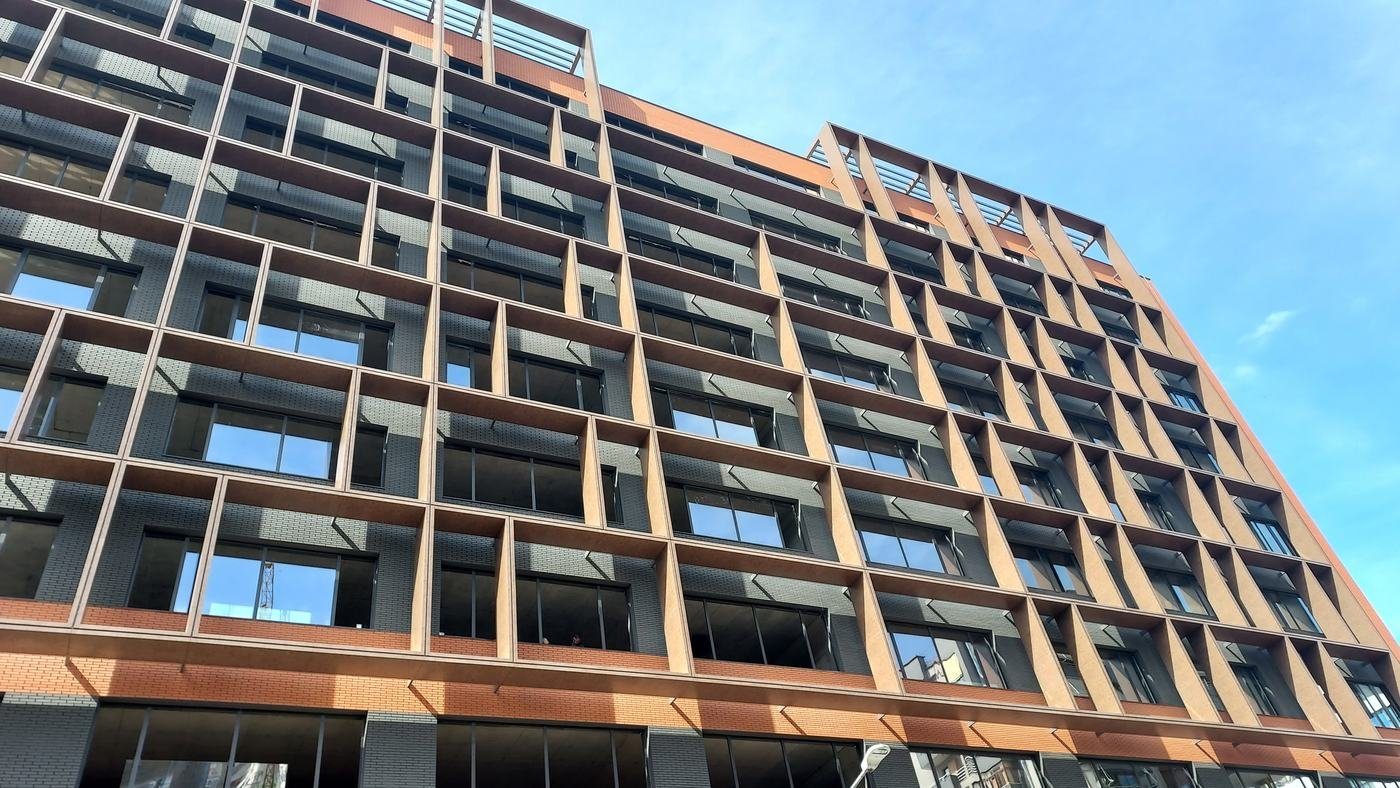
This is why different countries have developed large-scale façade tests. They vary in geometry, fuel and assessment criteria, but share one purpose: to observe propagation in an assembly rather than infer it from isolated coupons. Zografos stresses that the façade question is often control of fire propagation through and around the wall, not simply the resistance rating of one component. Post-Grenfell testing, he notes, has shown that assemblies can fail even when the visible cladding itself is non-combustible because insulation, cavity barriers, joints or detailing create another route. A single unified European large-scale approach is still not the simple endpoint designers might want.
Evidence has to survive procurement
Fire performance is also a supply-chain issue. Rapid construction, value engineering and disrupted material availability create pressure to substitute products or change build-ups. The paper trail may grow, but documentation is useful only if the delivered material is actually the one represented by the certificates and tests.
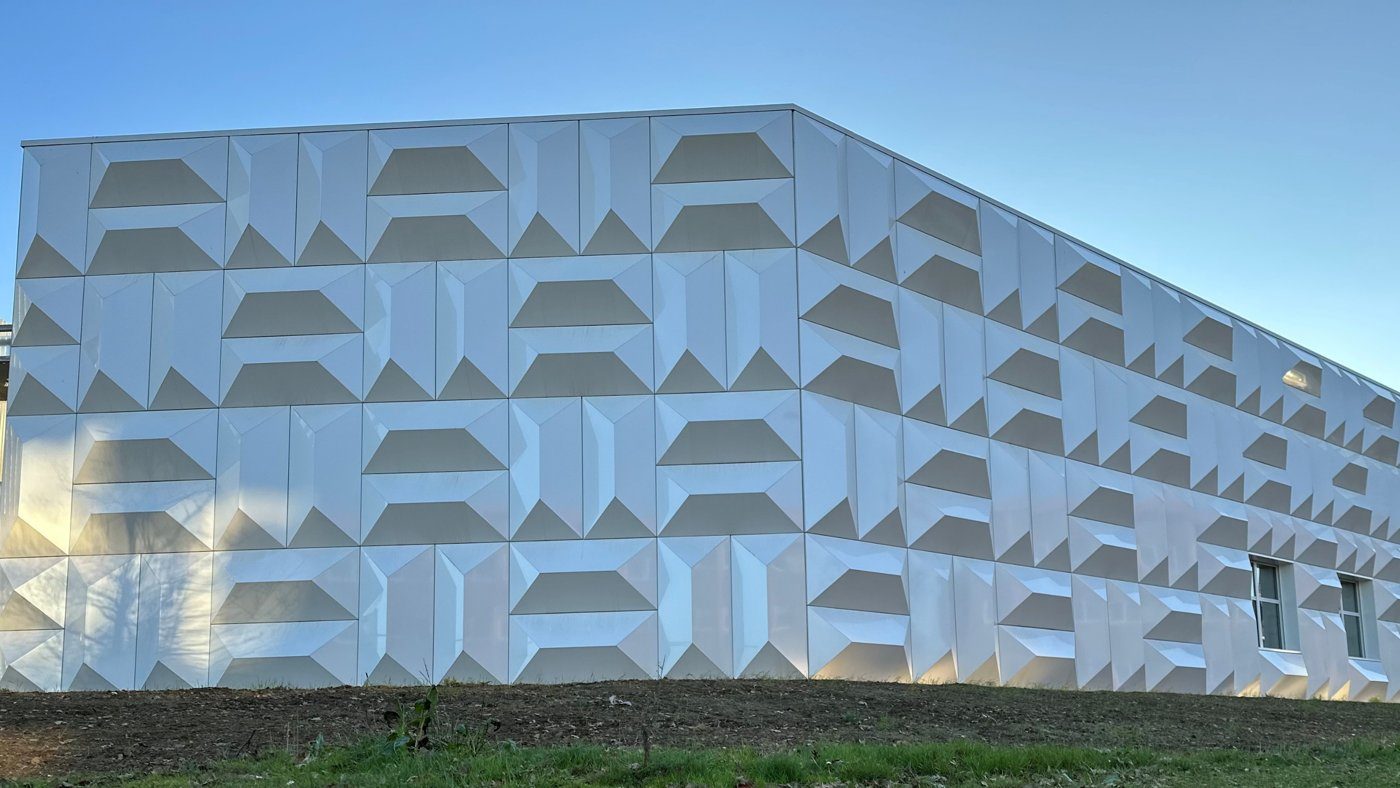
Zografos is sceptical of treating digital documentation as a complete solution: software cannot visit a factory, inspect a batch or verify that site modifications match the tested configuration. Responsibility therefore remains distributed among manufacturers, designers, contractors, regulators and inspectors.
Ageing and environment matter too
The finished façade does not remain in laboratory condition. Coatings age, components weather and environmental conditions alter exposure. Zografos points to wind and topography as variables capable of changing flame behaviour around a building. Future façade technologies add further questions: new materials, photovoltaic layers or unfamiliar composites may sit outside the experience on which older regulations were written.

A multiparametric strategy is a responsibility map
The practical value of a multiparametric approach is not that every project becomes an academic fire study. It is that the team knows which parameters need evidence and who owns each decision. Material selection should be connected to system testing; design geometry to cavity strategy; procurement to traceability; and site work to inspection.

For Zografos, better façades require better education and clearer accountability across the entire chain. Investors, consultants, resellers, authorities, fire services, manufacturers and users all encounter different parts of the risk. Fire safety becomes more robust when the project acknowledges that complexity instead of trying to compress it into one classification on a data sheet.