


Double anodising allows aluminium to carry pattern, depth and changing reflections without applied paint. Bart Mispelblom Beyer uses the technique as an architectural storytelling tool, showing how controlled electrochemical finishes can create durable façades whose appearance changes with light and viewpoint.
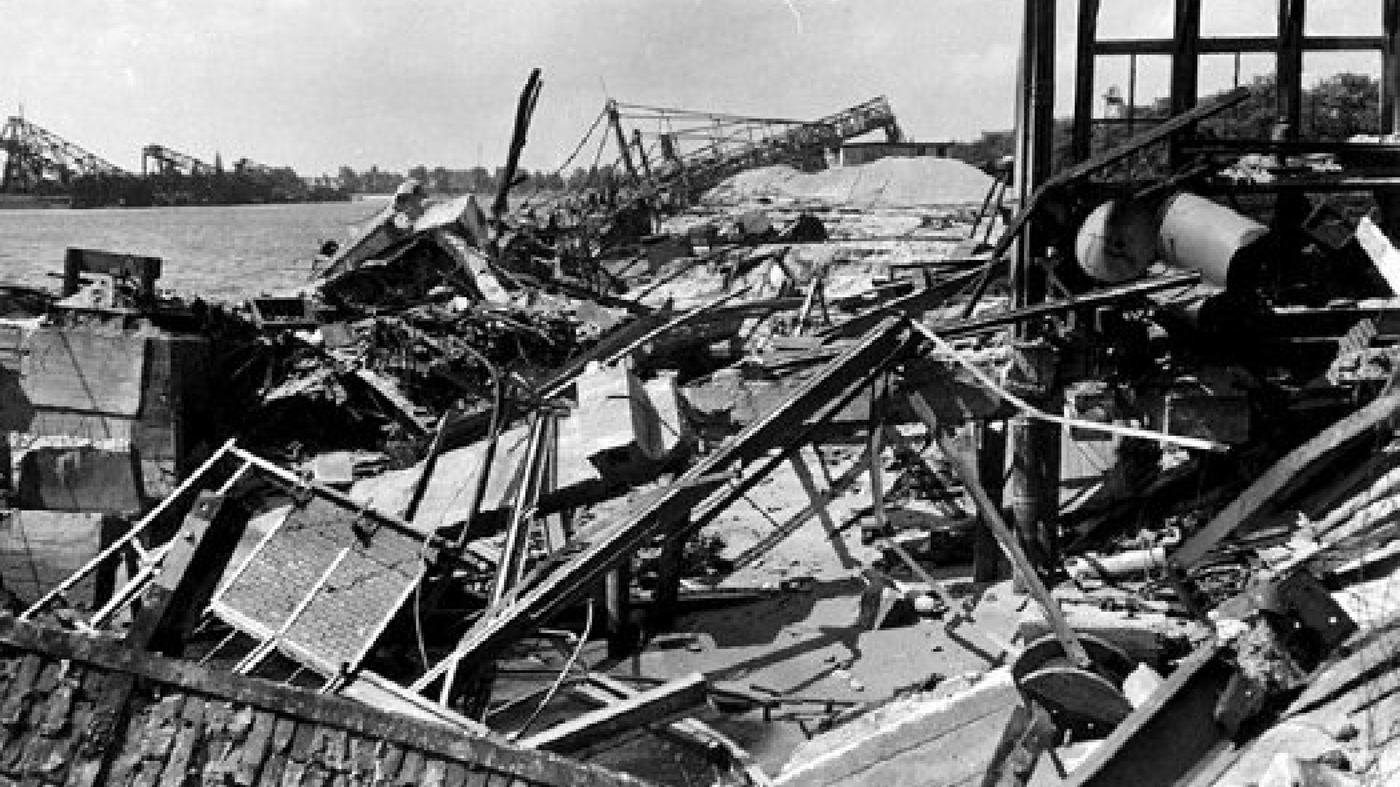
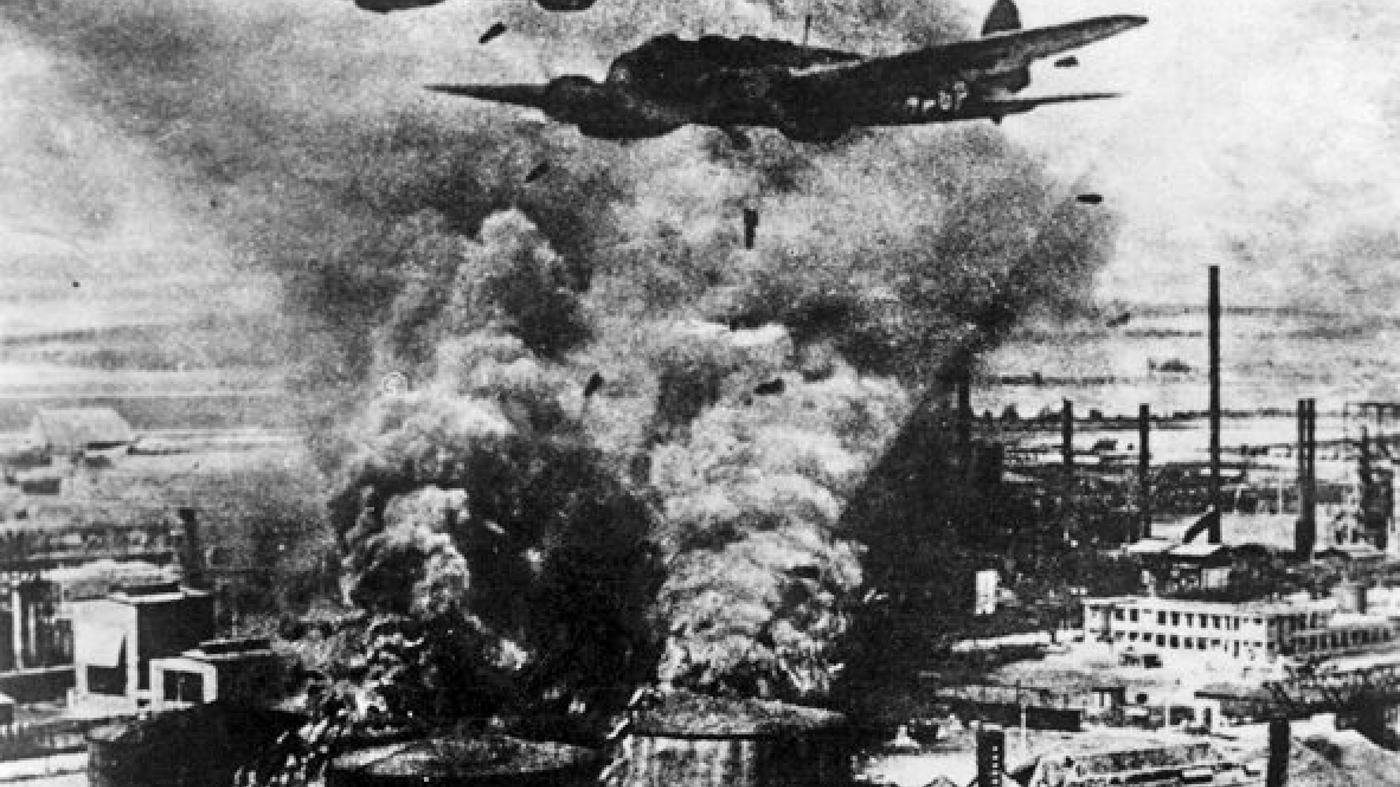
Mispelblom Beyer uses anodised aluminium to demonstrate how a façade can carry memory without becoming a literal memorial. The Adagio residential building in Rotterdam occupies a small but historically charged site within the area destroyed by the bombing of May 1940. The architectural task was therefore not only to fit a dense contemporary programme onto an awkward plot, but to acknowledge a scar in the city that had remained visible for decades.
The site gives the surface a responsibility
The building contains roughly 600 apartments for students, short-stay residents and expatriates, together with shared rooms, services and a roof terrace intended to help a highly international community meet. Its massing negotiates the different levels around the Willemsbrug and Wijnhaven, while an open ground floor adds active uses back to the street. Yet the most specific connection to the site is carried by the aluminium cladding. A photograph taken immediately after the bombardment at this location was selected from the city archive. Instead of printing it directly, the design team cropped and pixelated the image until the destruction remained perceptible as atmosphere rather than illustration.
Double anodising moves the image into the metal
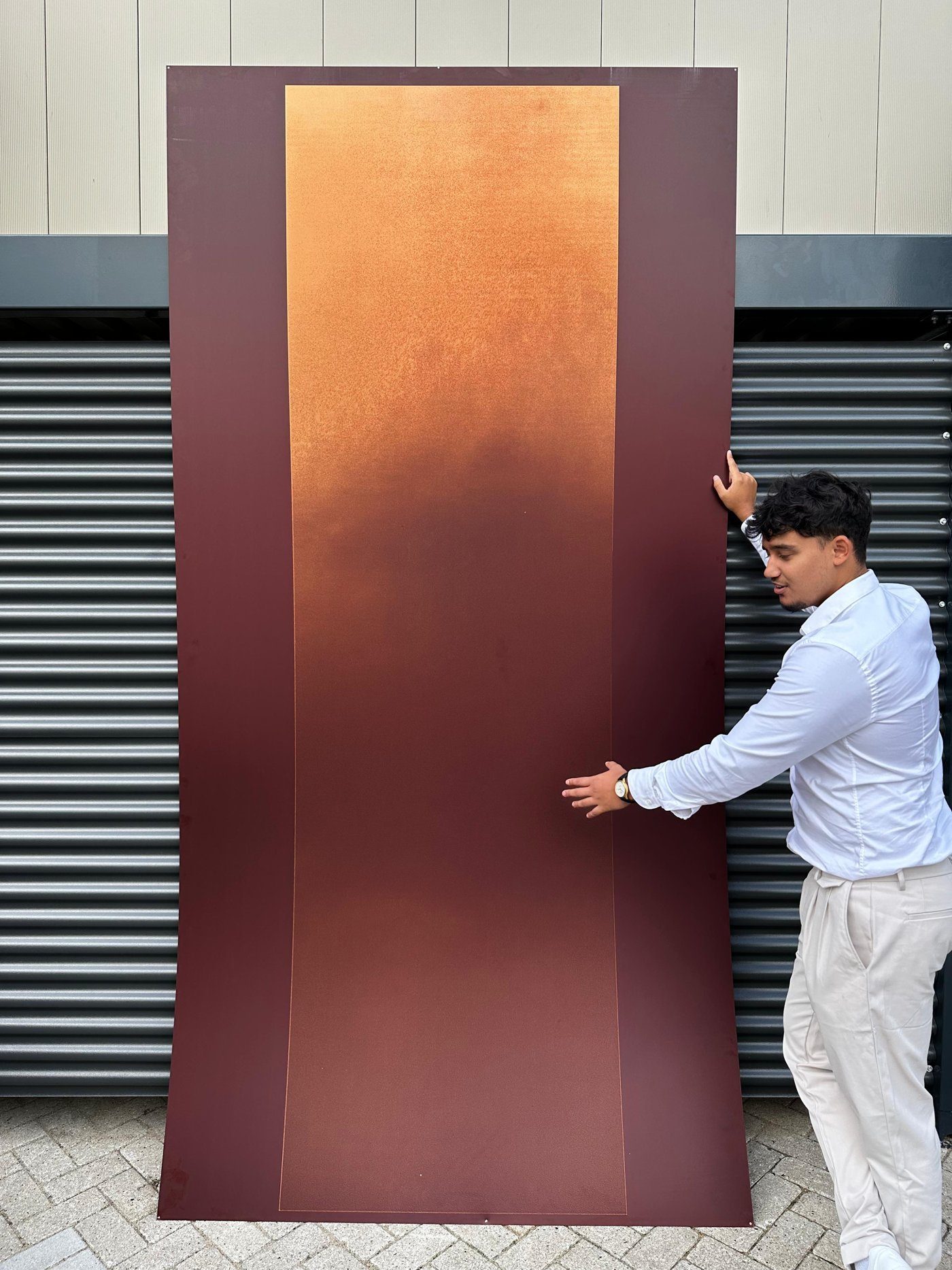
Working with Alumet, the graphic was translated through etching and double anodising into bronze-toned aluminium. The process creates the visual contrast within the metal surface rather than adding a printed film or paint layer. That makes the pattern integral to the material and allows it to respond to daylight in the same way as the surrounding anodised finish.
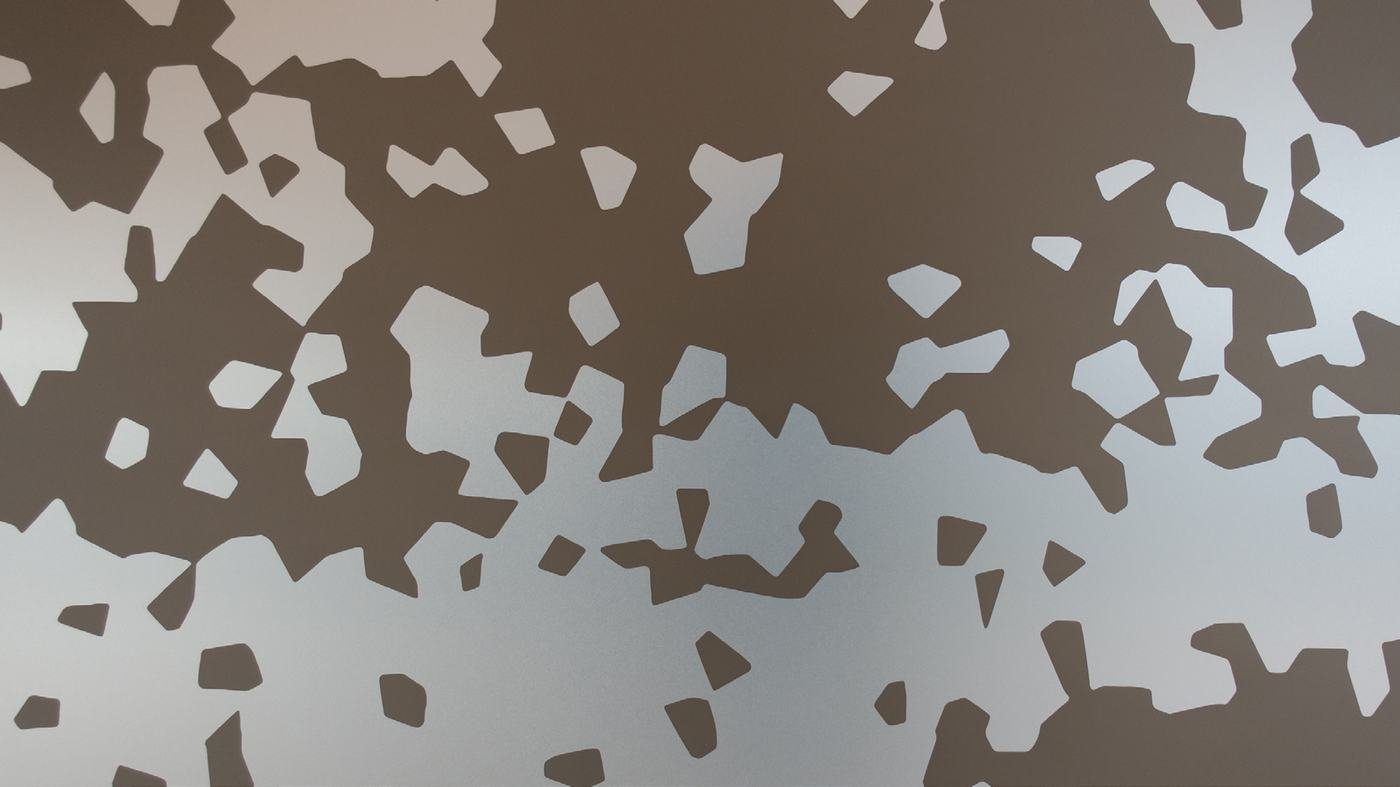
The large motif was divided into four components designed to reconnect seamlessly in different arrangements. That turns a fixed historical photograph into a façade-scale field whose repetition is difficult to read. From a distance the building appears as a bronze urban volume; from closer positions, the pattern emerges.
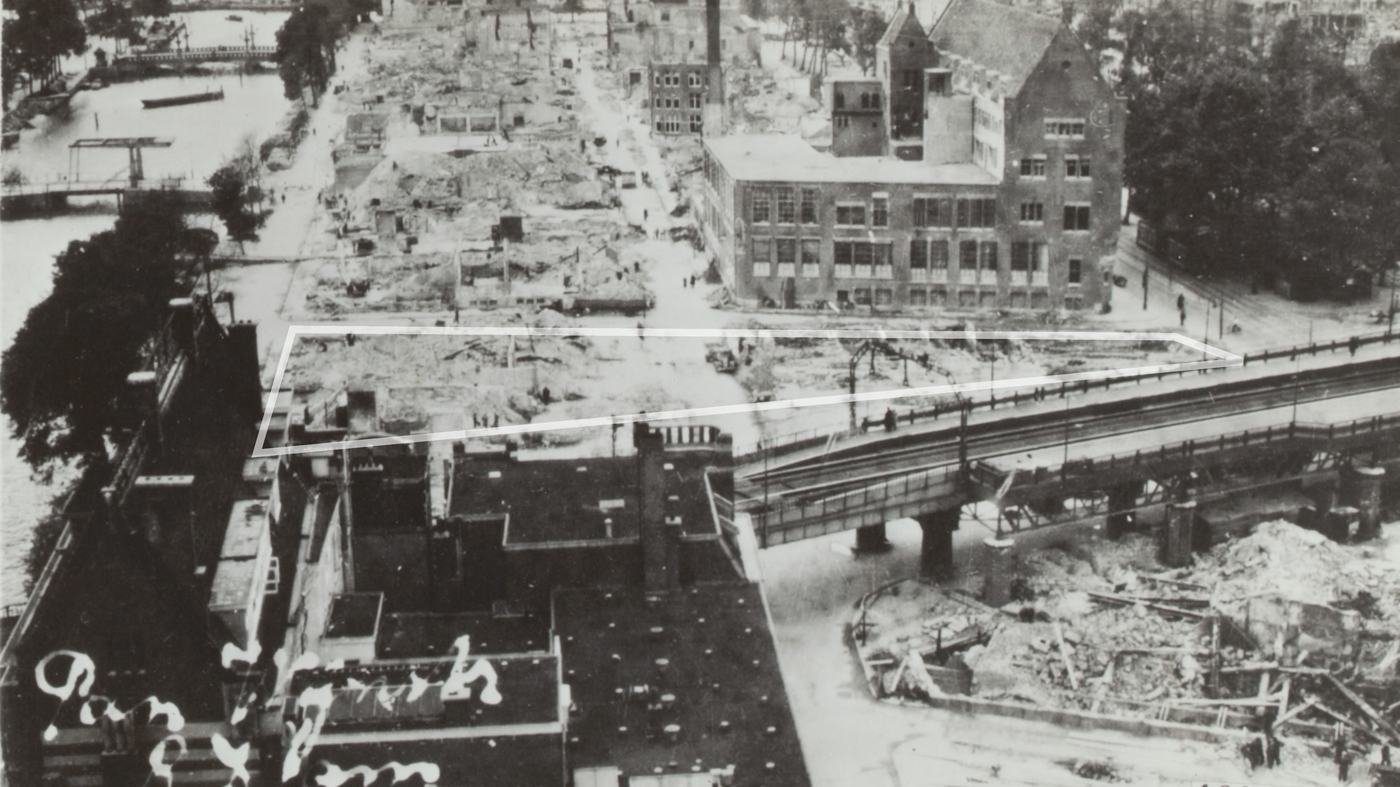
Weather makes the memorial change through the day
Anodised aluminium is especially suited to this ambiguity because reflected light is never constant. Sun, cloud and viewing angle alter the bronze surface and the contrast of the etched image. Mispelblom Beyer describes the building as changing with the weather rather than presenting one fixed graphic.
Once a year, on 14 May, the connection becomes explicit when the names of more than 800 people who died in the raid are projected onto the building. For the rest of the year, the memorial is quieter and is discovered through the material itself.
The project shows how surface technology can support architectural storytelling when it is tied to a precise place and source. The innovation is not double anodising on its own; it is the use of that process to make a dense new piece of city acknowledge what stood, and disappeared, before it.
The image only works because it is treated as façade material
The archival photograph was not copied onto the building as a poster. Mispelblom Beyer’s team cropped it, enlarged it and translated its tones into a pixel field that could survive panel joints, window openings and the repetition of a residential elevation. Etching and double anodising on bronze-coloured aluminium create a surface that shifts with sun, rain and viewing angle, so the historic image is sometimes obvious and sometimes dissolves back into the architecture. That restraint is important on a site associated with the bombing of Rotterdam in May 1940. On 14 May, the façade becomes part of a more explicit act of remembrance when the names of more than 800 victims are projected onto the building. The everyday skin carries memory quietly; the annual projection makes it legible. Together they show how commemoration can be embedded in construction rather than added as a separate monument.
The result avoids a false choice between abstraction and history: the elevation remains a contemporary residential façade, while its colour, image logic and annual projection keep the specific Rotterdam event present in public space.