


Carmelo Arancon put five architects on the word belonging and got it split three ways, along with an argument that context is a baseline to build experiments on rather than a look any new building is obliged to match.
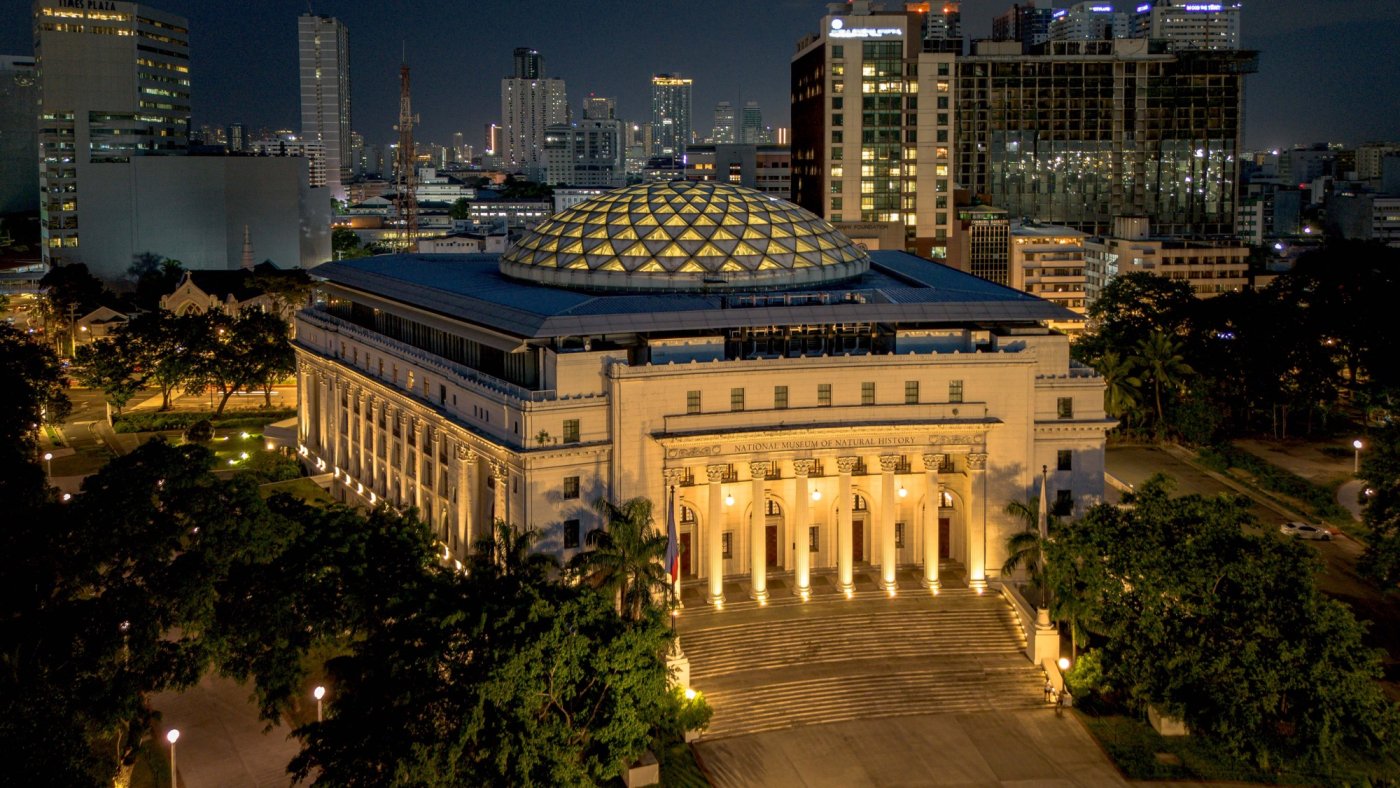
Arancon opened with the plainest question available and got no agreement. What does belong actually mean? For Dominic Galicia it begins as a relationship to context expressed through architecture and through culture: an archipelago produces its own climate, its own vegetation and its own attitude of the people, and belonging is a sensitivity and a response to that. Whether an idea is homegrown or arrives from outside matters less than what happens next: the moment the transition towards adapting and responding occurs is the beginning of belonging. John Patrick Anthony L. Buensalido then split the word in three.
Looking like it belongs he called the most superficial, the surface-oriented way to fit in. Performing like it belongs asks whether the building answers the climate, or blocks a pedestrian route that was already there. Feeling like it belongs cannot be measured, and turns on whether the new building took from the spirit of a place or added to it. Then he pushed past the word: fitting in is passive, and the real test is whether architecture contributed something the place lacked. Cathy Saldaña anchors her own three at the brand, the culture and the site, against buildings that read like Ortigas but sit in El Nido. Ian Fulgar warned about over-categorising, because a Batanes structure dropped into Metro Manila is no more contextual than an imported one.
A baseline, not something to match
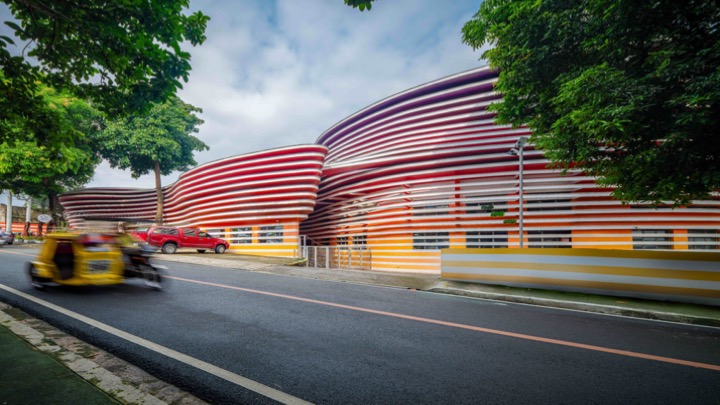
Asked when responding to context becomes an excuse for architectural conservatism, Buensalido refused the premise: designing to context does not equate to an architecture that is not a statement. Treat context as something to match and that is the end of invention and of architectural excellence; treat it as a baseline, a condition on which you build different experiments, and novelty becomes possible. Galicia made the same move from the other side: an existing structure carries a depth and variety of narrative, and a green field carries one too.
There doesn't have to be something on the site for the site to tell story
Dominic Galicia, Dominic Galicia Architects
The mall is the public park
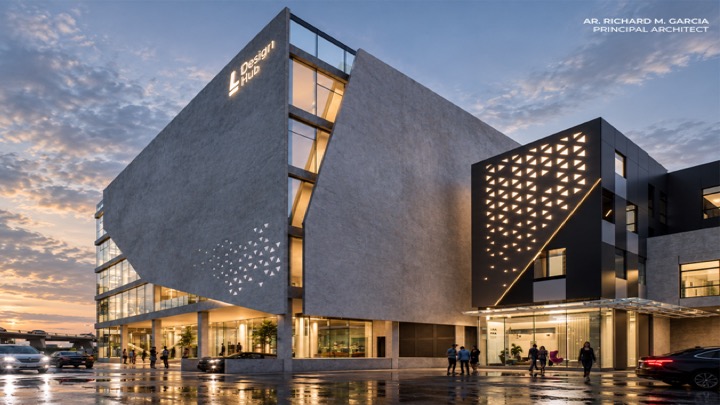
Richard M. Garcia has worked with the country's three biggest mall developers across thirty years, and was asked whether the mall is the least climate-responsive building type there is. His answer was that the standards exist but stay invisible, written into each developer's brief alongside the budget and the target market. Location decides how much of it shows: an urban centre is mostly enclosed and controlled, while a regional mall gets the alfresco dining, the courtyards and the open space. The type also took on work nothing else does, because the country lacks public parks, so the malls became them: cinemas, chapels, schools, and now sport on roofs whose gardens answer the heat gain of the slab.
That visibility equates to the identity and eventually to the brand
Richard M. Garcia, GALA Architecture
What gets engineered out
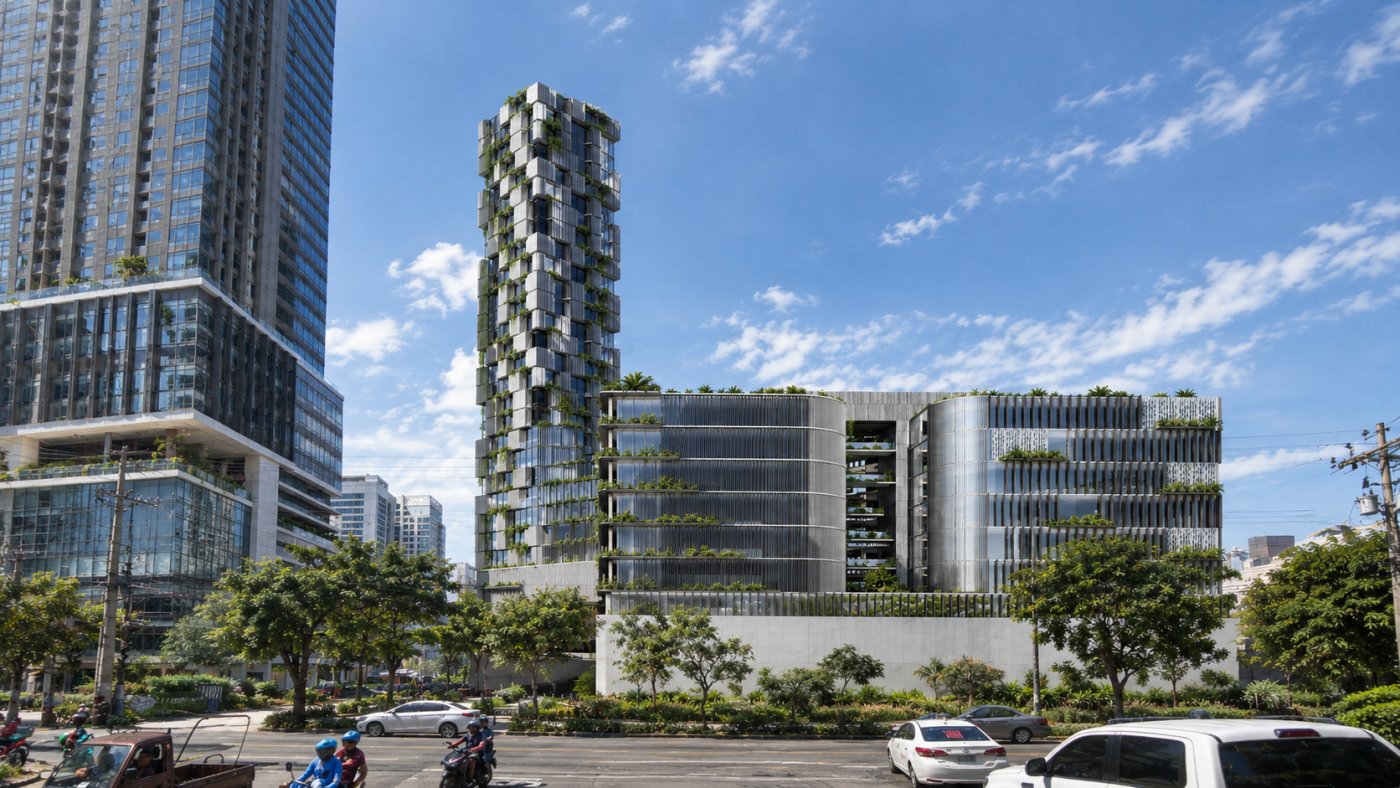
Saldaña rates the Philippine Green Building Council's framework above the foreign certification she also holds, because it goes into the details; her practice has just taken the first five-star rating for a neighbourhood district here. Asked what to do when a client proposes three stars instead of five, she answered procedurally: draw up a list of priorities, let the client decide with you, and point the value engineering elsewhere. She then widened it to the country's flood control projects, where the built work is a tenth of the contract amount and people get sick, lose homes and die.
That's value engineering at a very grand scale
Cathy Saldaña, PDP Architects
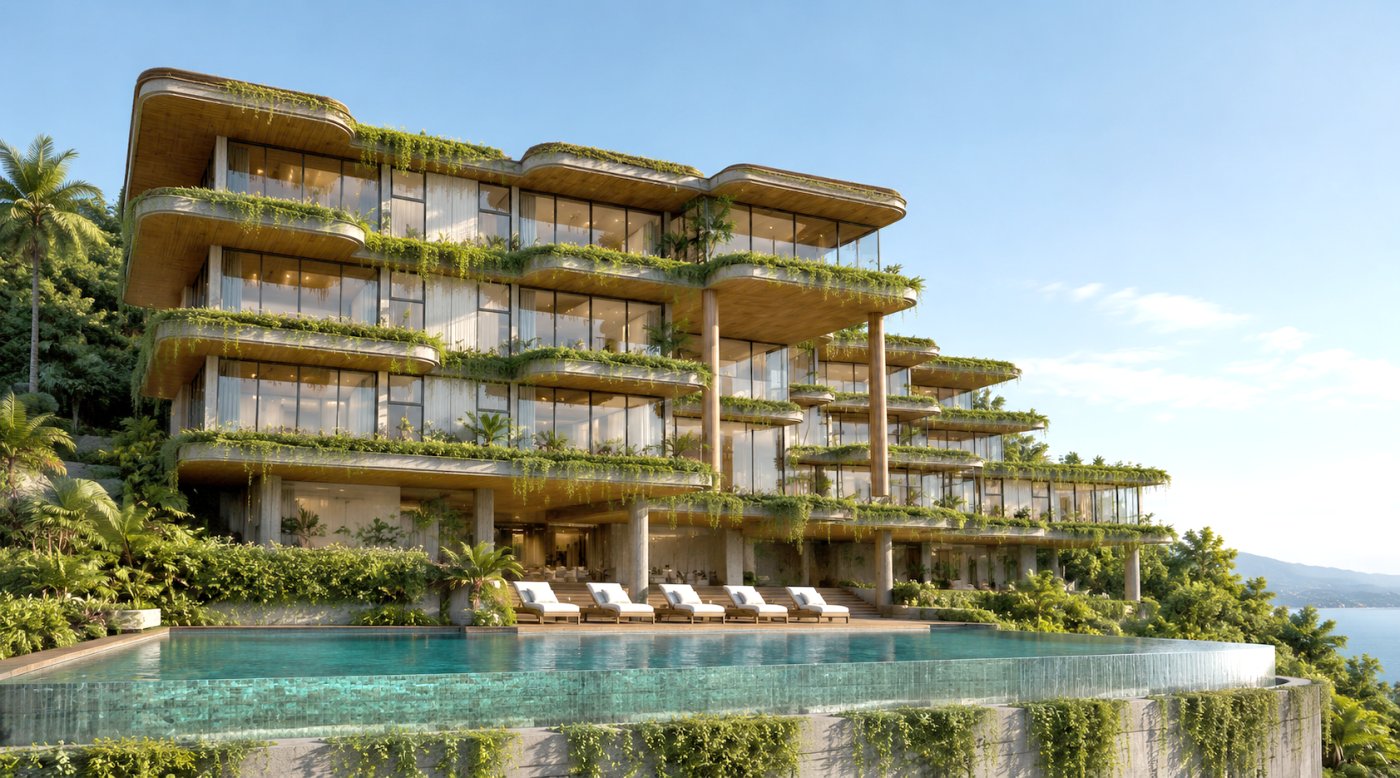
Her second argument was about timing. Materials belong in schematic design rather than the construction documents, because a coastline defeats some of them whatever an architect wants: stainless steel that rusts is the ordinary example, and even the water quality differs island to island, down to the bathroom fixtures.
Borrow, but translate the whole way
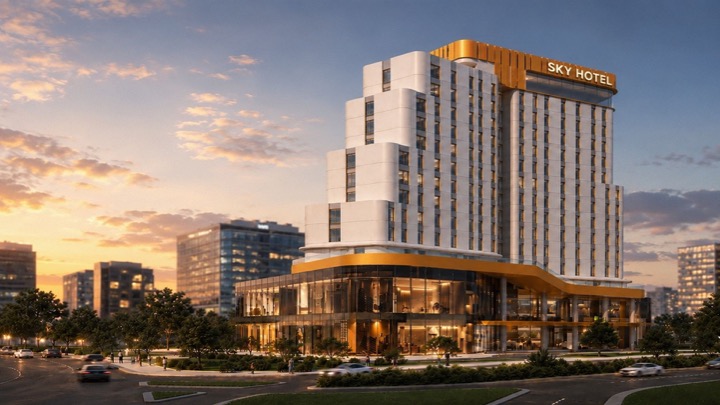
Fulgar designs resorts, hotels and gaming projects for a market that often asks outright for a foreign look, and does not think borrowing is the problem; countries have always borrowed from one another. The failure is not translating it into a local context: climate, orientation, economics, rituals, and the plain fact that Filipinos use space differently. Foreign investors arrive wanting everything closed up and air conditioned to a set temperature, while here we want the breeze, and even the light differs, offering multiple gradients of greys rather than a stark contrast between sunlight and shadow.
If it's halfway it will just become decorative
Ian Fulgar, Fulgar Architects
The one thing to get right
On demolition Galicia was blunt. Demolishing a building of cultural significance is a failure of imagination, a scope of vision narrowed to profit and expediency against the narratives a structure carries; his term for the alternative was building whisperers. Garcia, who does the evaluation work, set out the sequence: structural stability first, then whether the building still suits the intended use, where the obstacle is usually a ceiling height set when the climate was kinder. Asked finally for the one thing an architect must get right, Saldaña said knowledge of the site, meaning light, breeze, and water both coming in and going out. Fulgar said conviction, lost since architects were master builders. Buensalido said humility, and put it as an instruction.
You have to leave your ego behind and really listen to the site
John Patrick Anthony L. Buensalido, Barchan Architecture