Stephen Tanno and Peter Goff closed the day with practitioners who are already working through Gateway 2, remediation and principal-designer duties, focusing on what teams must change in daily project delivery.

The Building Safety Act is no longer an abstract change waiting to affect future projects. Aaron Dehara, Alasdair Mealey, Anna Dziekonska-Ramage, Anri Doda, Lesley Lawson, Peter Goff and Stephen Tanno brought experience from live Gateway applications, remediation work, principal-designer services and façade contracting to describe what the regime is changing in practice. The strongest message was not that teams need more paperwork. They need earlier technical resolution, clearer allocation of responsibility and evidence that explains how the design complies rather than simply showing what has been drawn.
The Building Regulations remain the starting point
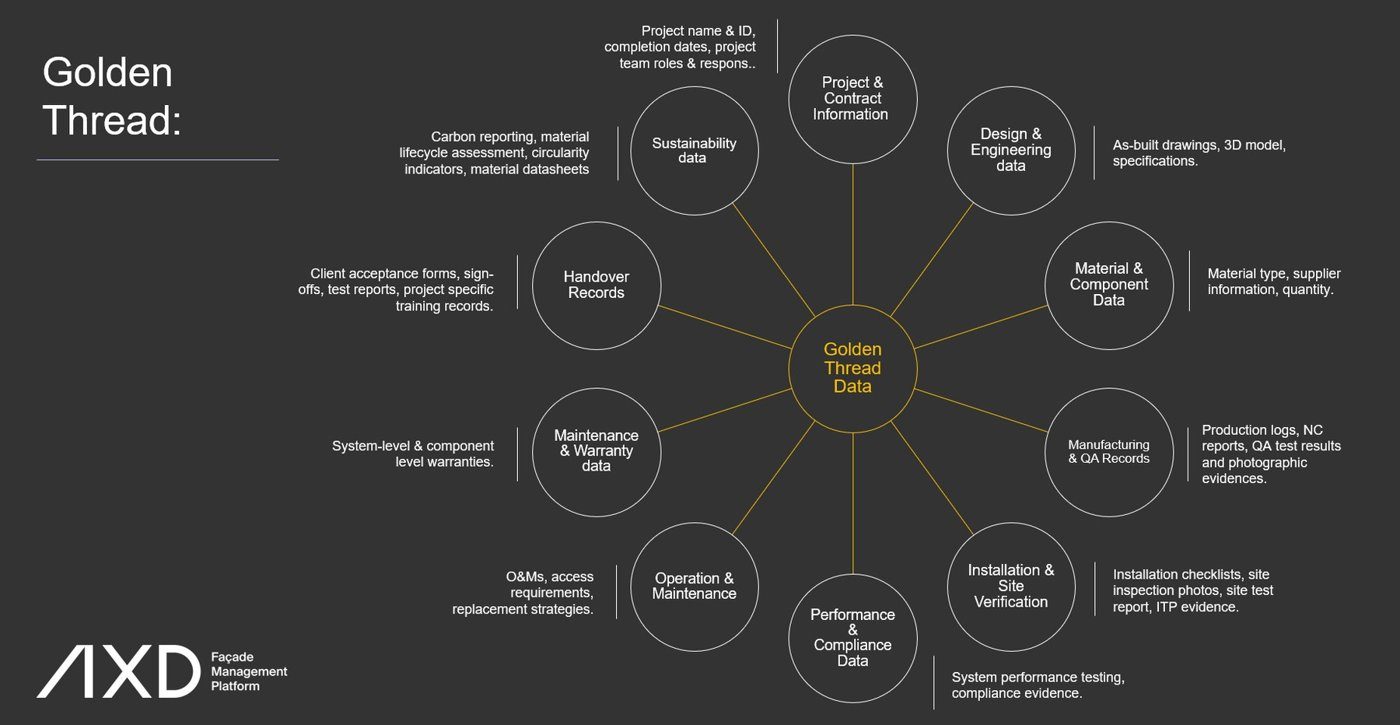
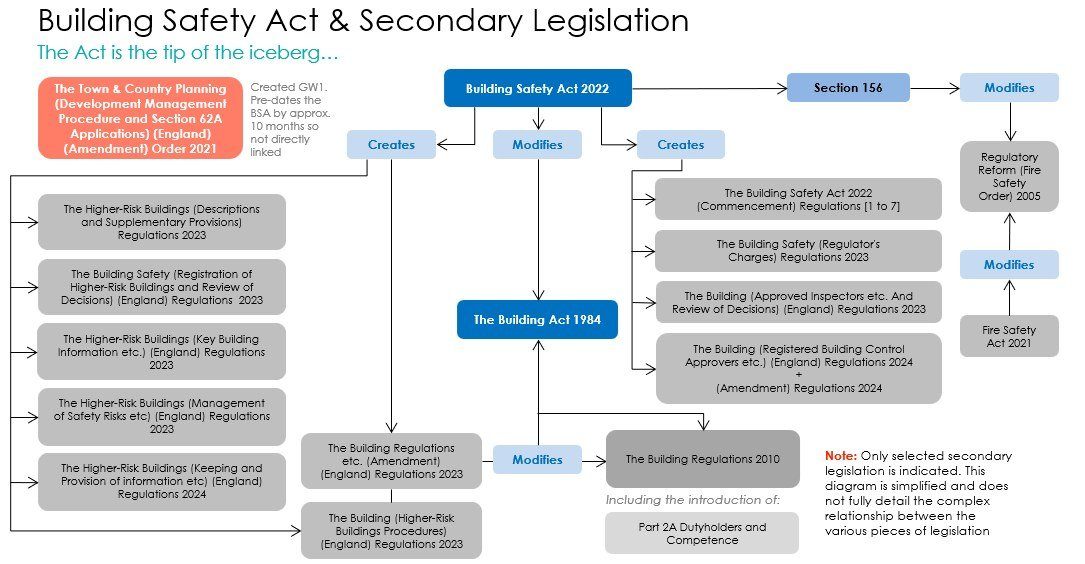
The panel repeatedly separated the Building Safety Act from the Building Regulations themselves. Dutyholder and competence requirements apply much more widely than the high-rise gateway process, while the statutory “golden thread” is specific to higher-risk buildings. Good information management, however, is useful on every project because every building still has to demonstrate regulatory compliance. Mealey noted how rarely project teams begin by reading the functional requirements of the Regulations rather than jumping immediately to Approved Documents and other guidance. Guidance is a route, not the requirement itself. Designers must either follow an appropriate route or explain and evidence why an alternative solution meets the underlying regulation.
Gateway 2 requires a narrative, not a document dump
Dziekonska-Ramage described a methodical approach built around information management: define responsibilities, identify the relevant requirements, record the selected guidance and assemble evidence in language that is easy to navigate. The regulator is not there to design the solution or tell the team how to comply. The applicant has to make that case. Several speakers warned against overcomplicating submissions. Construction-level detail is often needed, but more information is not automatically better. The useful material is the information that shows what is being built, which requirement applies and why the proposed solution satisfies it.
Design is arriving closer to construction issue
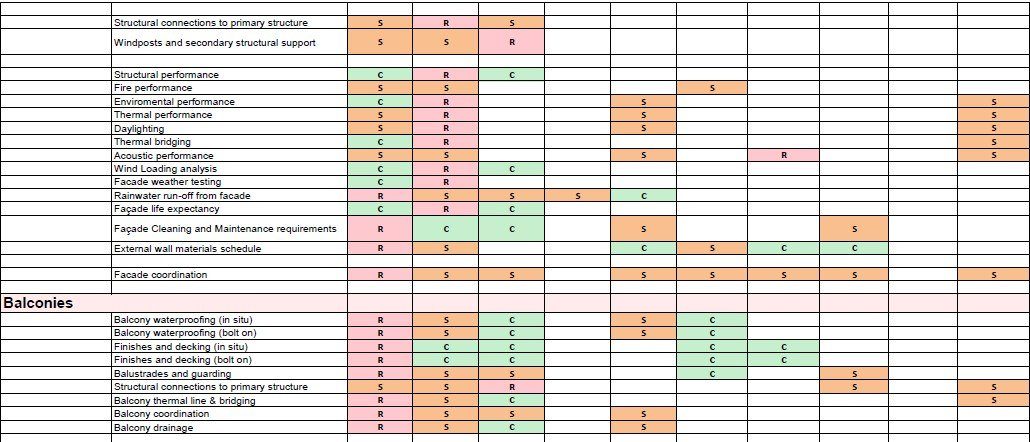
The panel’s practical point was that Gateway 2 demands a more developed design than a traditional RIBA Stage 4. On existing buildings, full certainty may be impossible until cladding is opened, but Lawson’s experience pointed to resolving as much of the design as possible at construction-issue level and preparing credible scenarios for the conditions that may be revealed later. That requires earlier specialist and contractor involvement. Dehara described the importance of pre-construction agreements and of using the first design-team conversations to establish the rules of engagement: who owns each interface, who produces what evidence and how changes will be controlled once the approved design becomes the reference point.
Change control has to be designed into remediation
Recladding rarely reveals exactly what historical records predict. Once the existing façade is stripped, teams may find different substrates, interfaces or fire-stopping conditions. The panel accepted that change control is unavoidable; the challenge is to anticipate likely scenarios, define how decisions will be reviewed and preserve evidence of what was finally installed. Lawson also discussed alternative application strategies being explored with the regulator, including breaking complex programmes into manageable packages and the prospect of rolling approaches for repetitive replacement work such as windows or doors. The wider point was that industry experience needs to feed back into regulatory process rather than treating every blockage as immutable.
Competence has to be demonstrable, not assumed
The discussion ended where many of the day’s sessions had begun: with people. Strong teams need breadth and depth of experience, but they also need to show it through competence statements, internal procedures, training and clear communication. Façade consultants and specialist contractors cannot simply inherit poorly defined design responsibility because they are the people who usually solve the detail. The new regime is forcing project teams to make their working method explicit. That can feel slower at the start, especially while Gateway backlogs and regulator expectations evolve. But the panel’s collective experience points toward a more durable practice: understand the regulation, resolve the design earlier, explain the logic plainly, control changes and keep enough evidence for the building’s next custodian to understand what was actually built.
The panel was equally clear that the regulator is learning alongside the industry. Backlogs and changing review approaches create real programme pressure, but participants described signs of adaptation, including wider use of independent building-control capacity and discussion of competent-person or rolling arrangements for repetitive low-risk work. That makes constructive feedback important. Applicants still carry responsibility for a compliant design, yet practical experience from remediation contractors, designers and façade specialists can help shape processes that distinguish genuinely high-risk change from routine work without weakening the evidence standard.
For façade teams, the consequence is a shift from late package design toward documented collaboration. The contractor’s system knowledge, the consultant’s compliance reasoning and the architect’s coordination all have to meet before approval, with clear boundaries around who is responsible for each output. That can expose gaps earlier than traditional procurement did, but it also gives the project a chance to close them before they become regulator comments, site changes or incomplete handover evidence.