Andrew Lu set out why the lowest tender price for an aluminium façade rarely survives contact with the building's service life, and how genuine value engineering, rather than material substitution, takes cost out without importing risk.
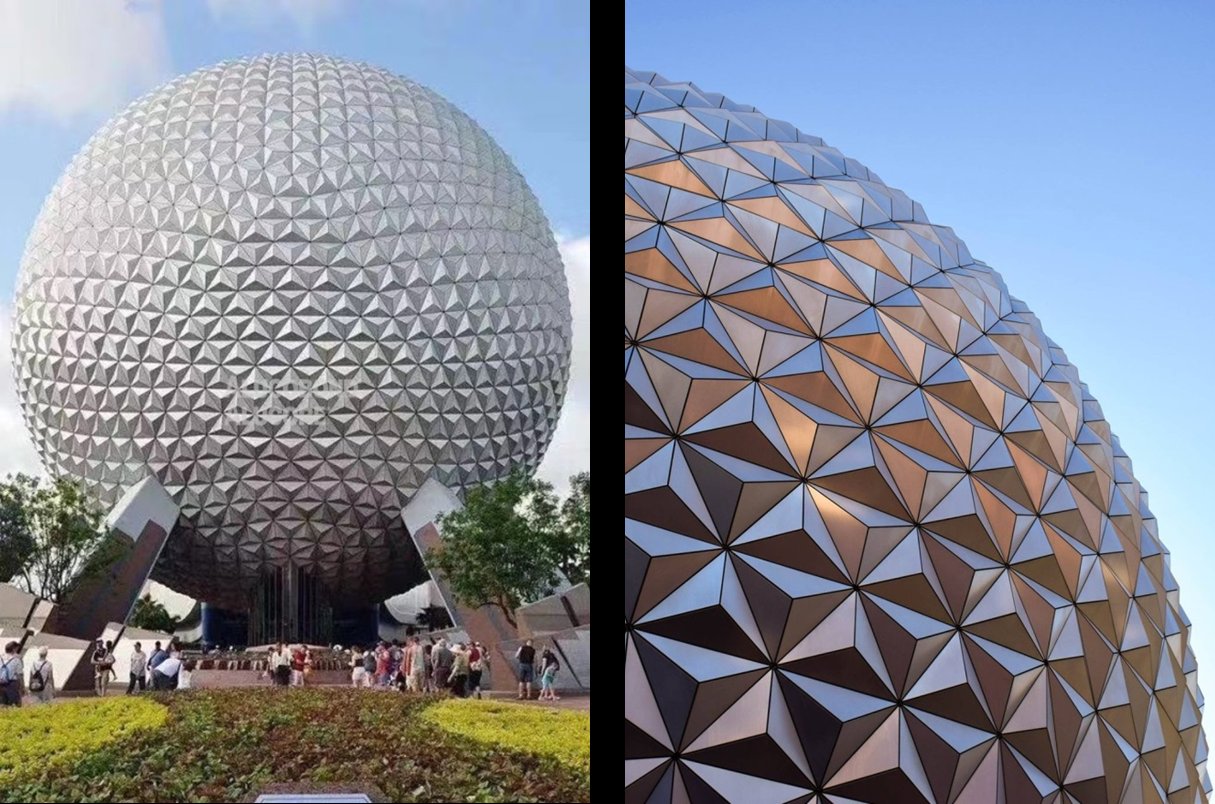
Aluminium composite panels succeeded, Lu argued, for three reasons that have not changed in half a century: they are light enough for lightweight construction, flexible enough to follow almost any geometry, and durable enough to stay looking as intended for decades. He used an eighteen-storey attraction at Disney World in Orlando to make the point, a façade installed in 1981 and photographed recently, which still reads as sharp as it did on completion. That combination of properties is also what makes the material vulnerable to being cheapened, because the qualities that deliver the long life are not visible at the point of purchase and do not appear on the tender comparison.
The information the buyer does not have
Lu framed the problem in the language of economics, as asymmetric information: the seller knows more about the product than the buyer does. Electronics manufacturers know the real durability of what they sell, freelancers know the quality of their own work, and used-car dealers know the condition of the cars on their forecourt. He told the story against his own family. His sister bought a six-year-old BMW in Singapore at eight per cent below a market price of around 3.2 million Thai baht. By month three the spark plug and ignition coil had failed, at 19,000 baht; by month eight the gearbox needed an overhaul, at 200,000; then the air conditioning, then the head unit. Total spend after a year came to roughly 3.3 million baht, before counting the time the car spent off the road.
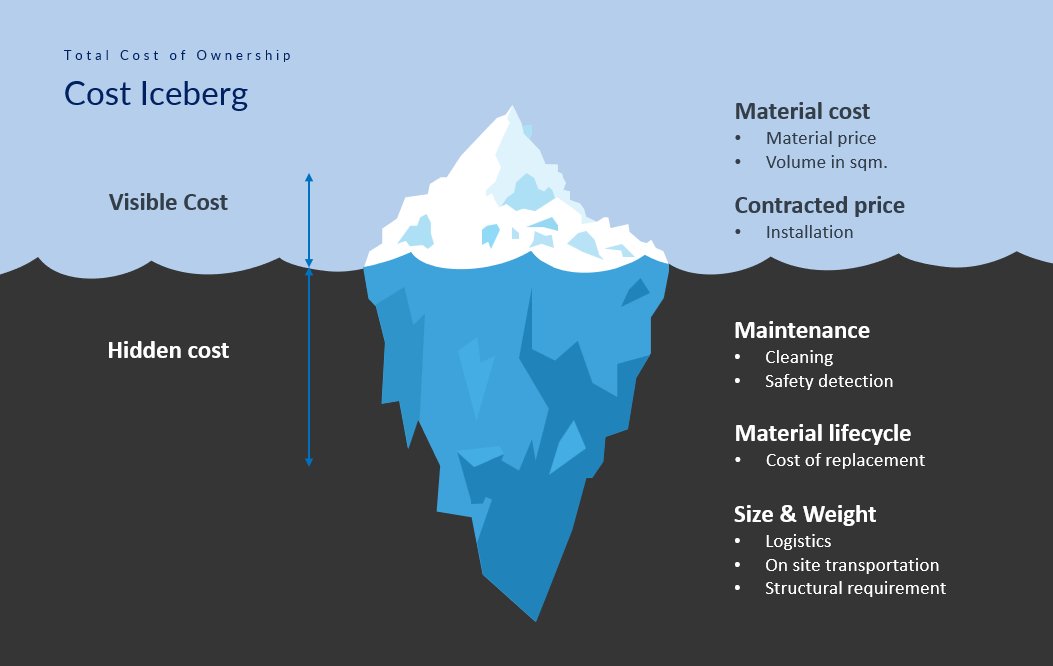
The same conditioning, Lu said, applies to façades: buyers focus on what they pay today rather than what they pay over the life of a building. Material cost and contracted installation price sit above the waterline. Maintenance and cleaning, the material's life cycle and eventual replacement, and the logistics, site handling and structural consequences of size and weight all sit below it.
Where the money is taken out
Lu was blunt about his own market: aluminium composite is now fully commoditised, prices are transparent, and no premium brand can claim a hidden margin. Every layer in the panel can be priced individually, which means that when the price drops, something in the build-up has changed. He listed four places where it usually happens. Aluminium thickness, whether of a solid panel or of the skin on a composite, can be trimmed by as little as five to ten per cent before oil canning starts to show. Coating quality is downgraded and fading follows. Core composition is adjusted, because everyone can claim fire-retardant or A2 grades, but the mineral percentage has to sit within a defined range. Adhesive quantity is reduced, when in fact the amount is tied by formula to core softness to pass the lamination test.
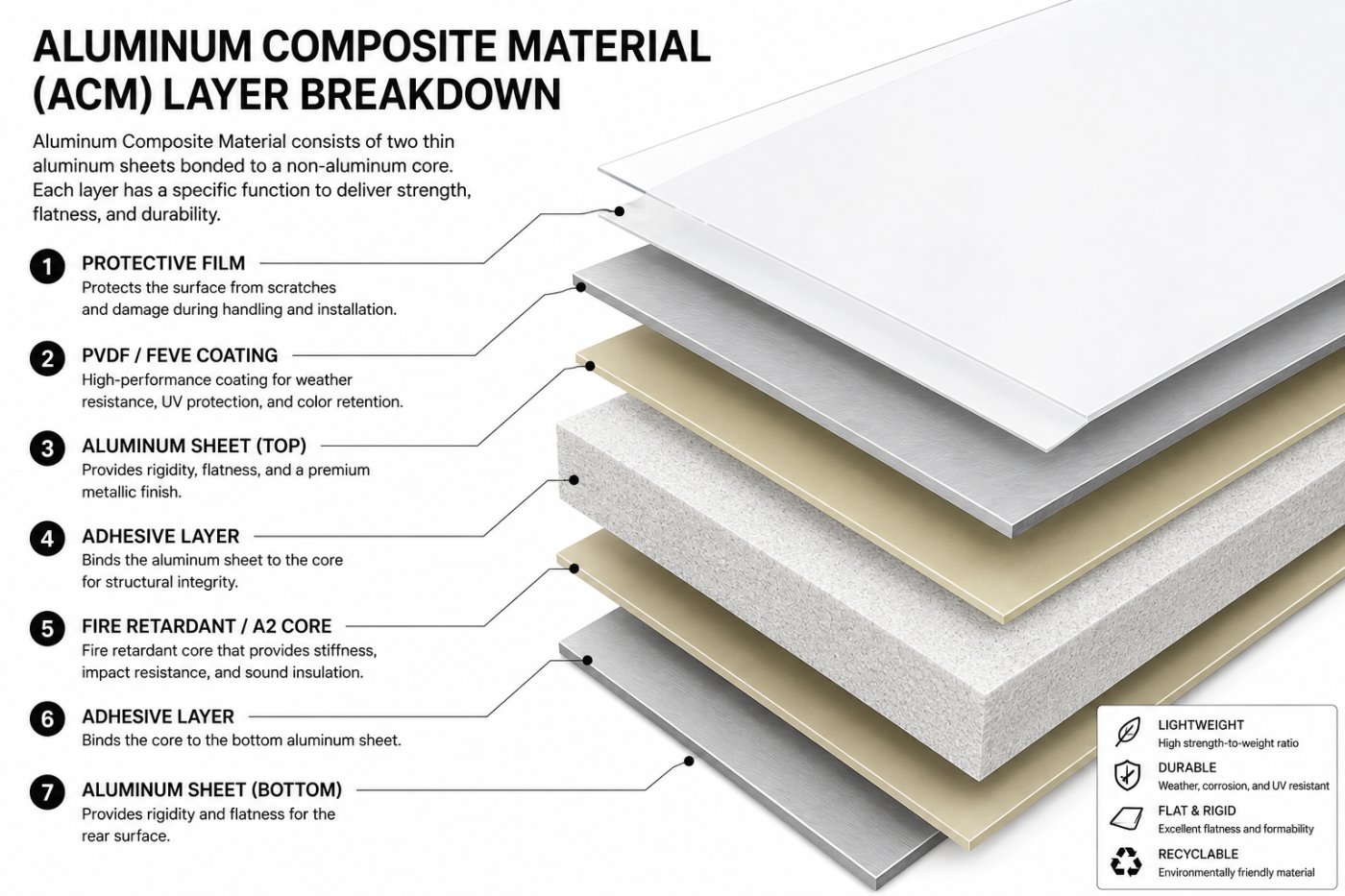
Each of those trade-offs redistributes risk rather than removing cost, Lu argued: to the owner as total cost of ownership, to the architect as loss of design intent, and to the contractor as warranty exposure. Real value engineering, by contrast, achieves the same outcome at a lower price through engineering rather than substitution. He cited panel optimisation, where panel sizes are planned against the building's design to cut production waste, reporting eight to ten per cent savings on one Indonesian project using the company's optimisation software. System solutions shorten installation sequences and reduce maintenance; engineering support that removes fixings can save more than swapping the material; ready-to-install modular panels move work offsite, speeding installation and lowering quality risk. A cheaper panel reduces the budget, he concluded; a quality panel reduces the total cost of ownership.