


João Daniel made the case that flat glass has a circularity problem, Europe recycles barely 5% of its end-of-life glass, and almost none back into new float, and showed how low-carbon ORAÉ glass and a “Circular Windows” recovery scheme are beginning to close the loop, with Portuguese projects cutting façade embodied carbon by more than a third.
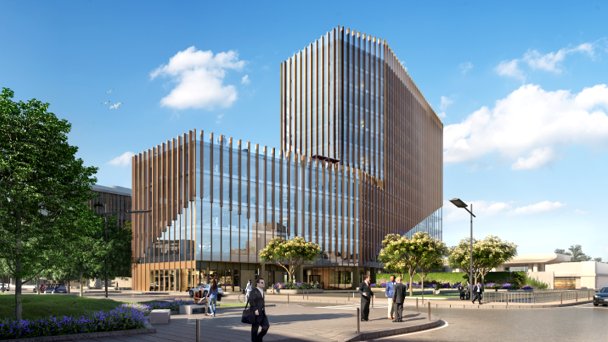
Daniel at Saint-Gobain Portugal, part of the worldwide leader in flat glass for buildings, with 30 float lines, framed the talk around what sustainable construction actually means: performance and sustainability together, better economic value, and better outcomes for the people who use the building. Buildings, he noted, account for 39% of global greenhouse-gas emissions, split increasingly evenly between operational and embodied carbon, which puts the carbon in the glass itself squarely in view.
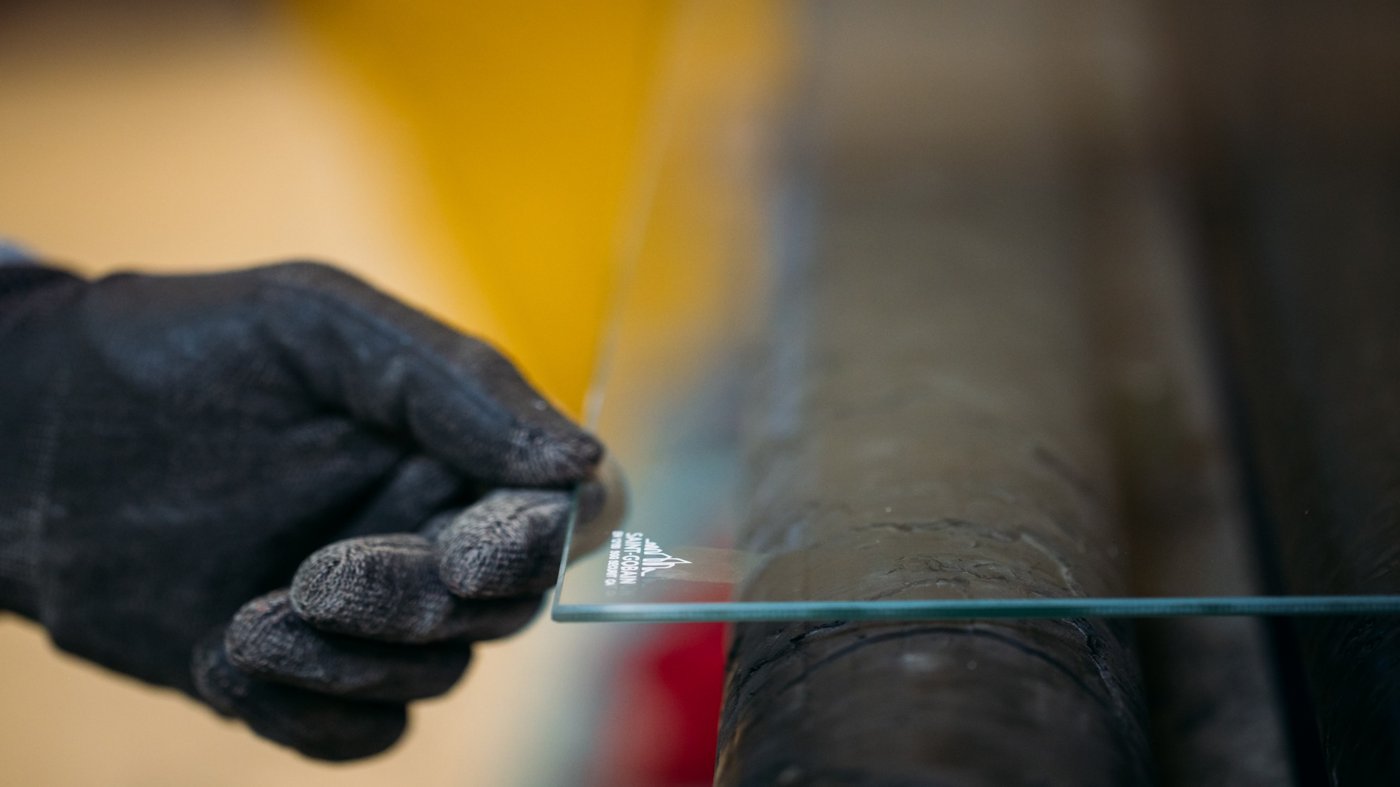
Saint-Gobain’s answer on the product side is ORAÉ®, its low-carbon glass, made with 64% renewable electricity through the process and a high proportion of external cullet, giving a carbon footprint around 42% lower than standard PLANICLEAR at the same performance, with EPDs published on the Environdec database.
The Portuguese examples put numbers on it. Switching the glass in real façade build-ups from PLANICLEAR to ORAÉ cut embodied carbon by 36–38% across projects, on one 12,000 m² façade, from 88 to 56 kg CO2e per square metre, a saving of some 384 tonnes; on a 10,000 m² project, 300 tonnes; on a 7,000 m² project, 329 tonnes, the same solar-control and acoustic performance, at a third less carbon. ORAÉ is now specified from Sweden’s Habitat 7 and France’s Carré Invalides to projects in the UAE, Brazil, India and Canada.
But the bigger problem, Daniel argued, is circularity. Europe produces about 10 million tonnes of flat glass a year, mostly for buildings, and generates around 1.5 million tonnes of end-of-life flat glass, yet only 5% is recycled, and barely 1% of that returns as closed-loop cullet in float production. It is a large, largely untapped opportunity: introduce one tonne of cullet, and you cut virgin raw-material use by 1.2 tonnes and CO2 emissions by around 700 kilograms.
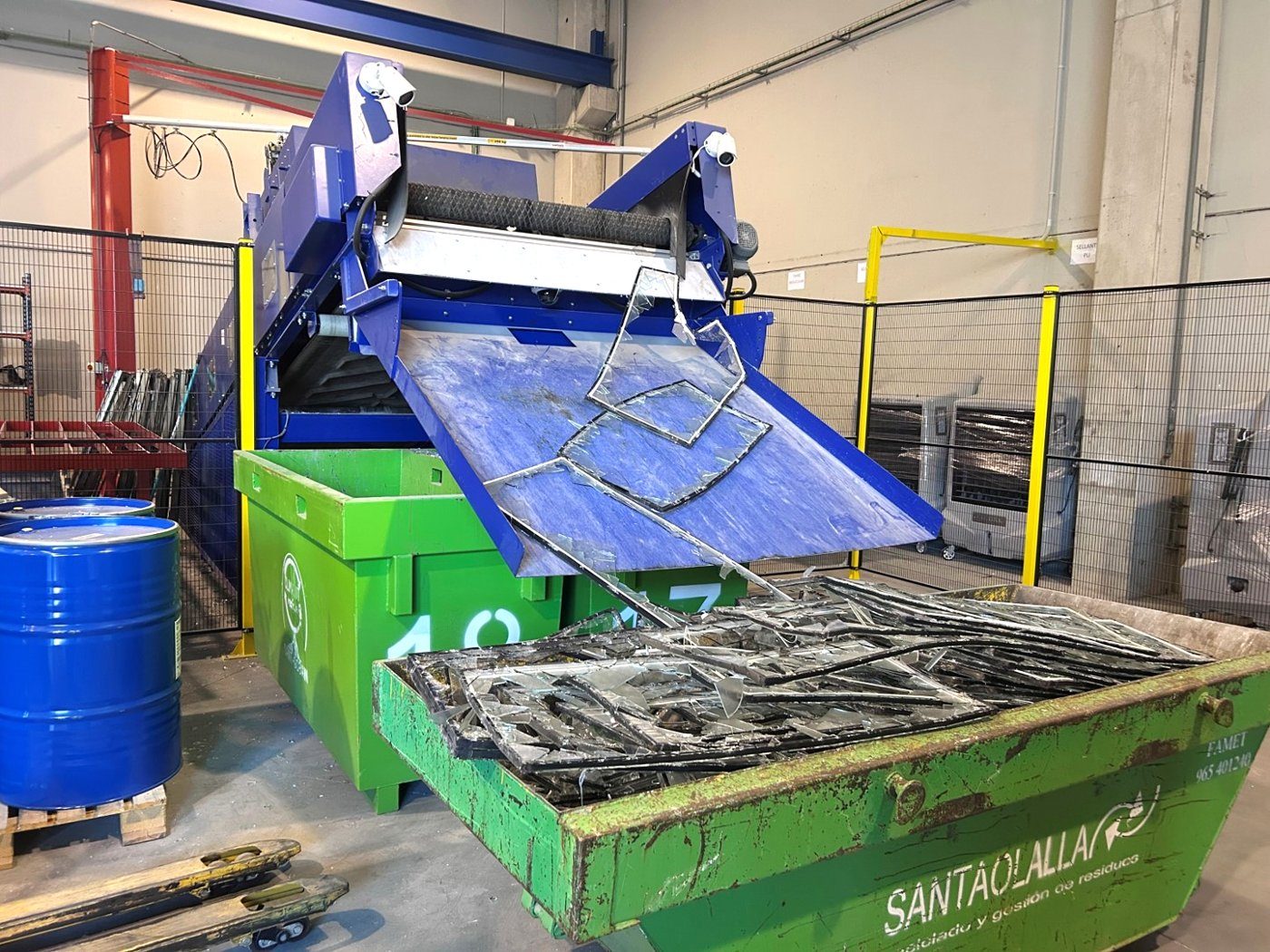
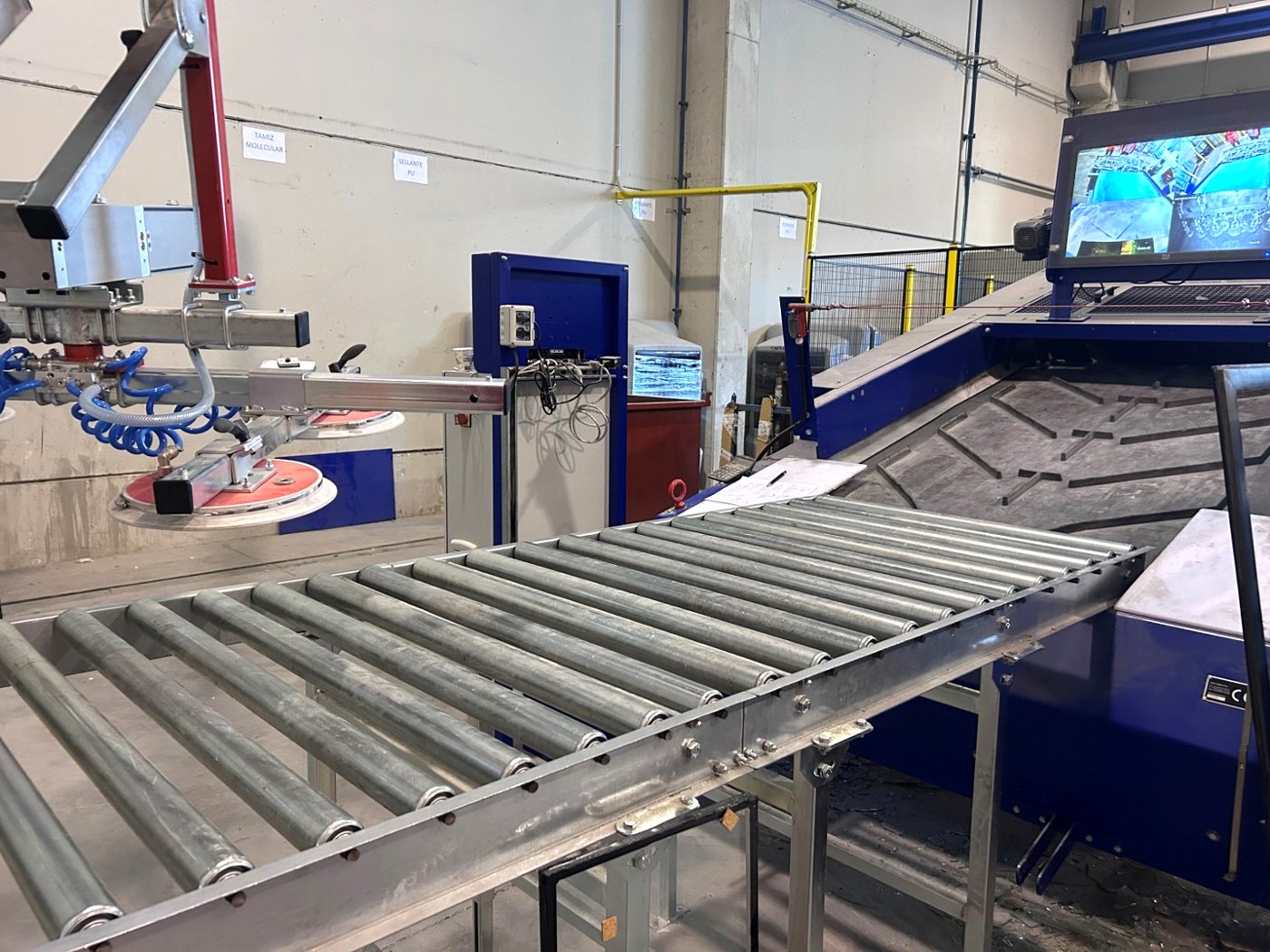
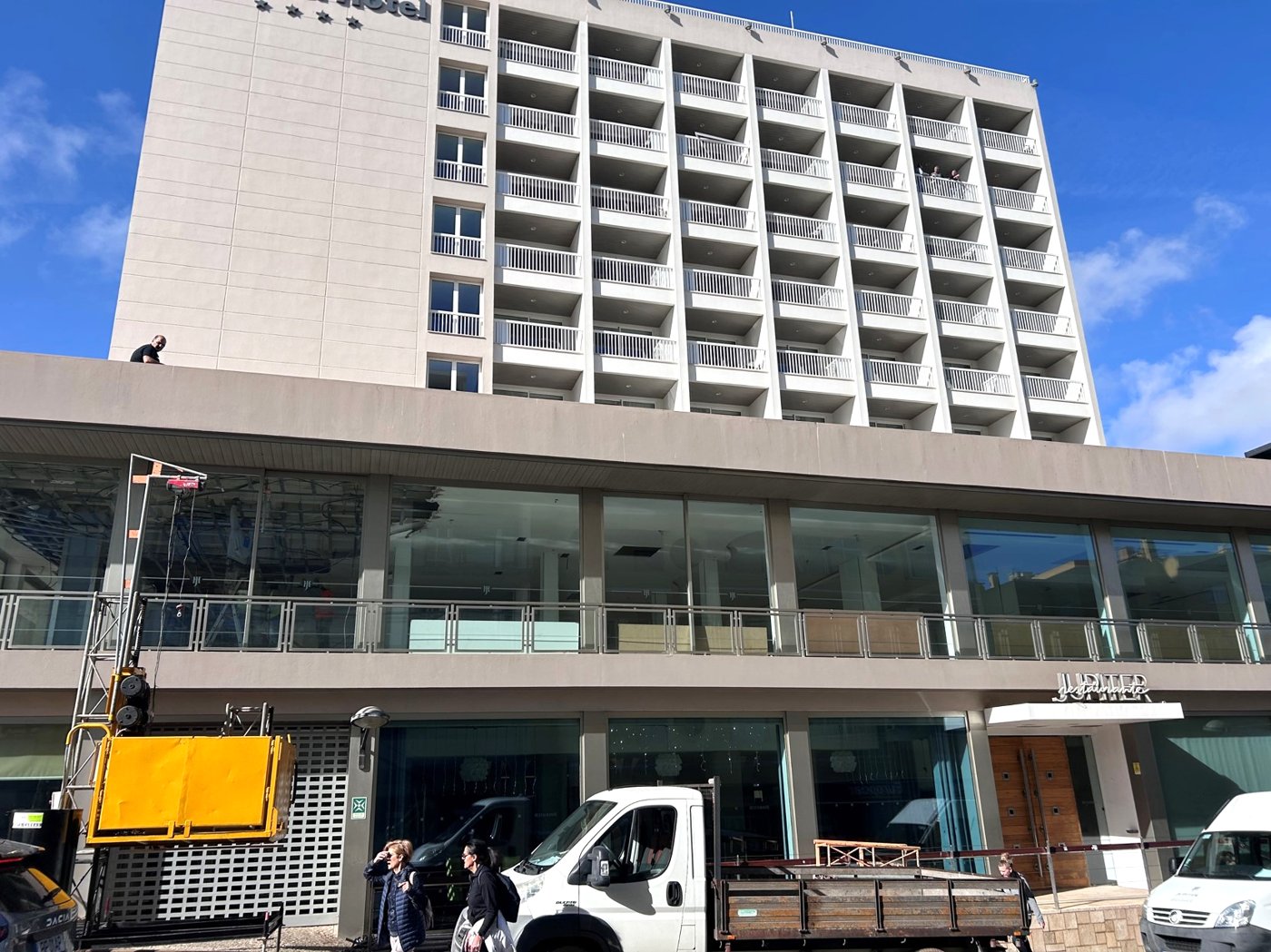
Hence Circular Windows, Saint-Gobain’s recovery scheme run from Anadia: collecting end-of-life windows from projects and installers and treating them through a Back2Glass line, equipment that automatically breaks insulated glass units, with a manual station for large formats, to segregate clean glass cullet from the other materials. Real recoveries are already adding up: around 30 tonnes from a building at the Expo site, through a partnership with Expert Climalit, and around 18 tonnes of cullet from roughly 120 windows at the Hotel Jupiter in Portimão.
The message, in the end, was Saint-Gobain’s own line about building better for people and the planet, made concrete in glass that carries less carbon in, and comes back out as cullet rather than waste.