


Carlo Scissura set out New York's construction outlook for the year ahead, a record three-year cycle of roughly $219 billion spread across offices, housing and a run of transit megaprojects, and made the case that recurring, inspection-driven work keeps the façade at its centre.
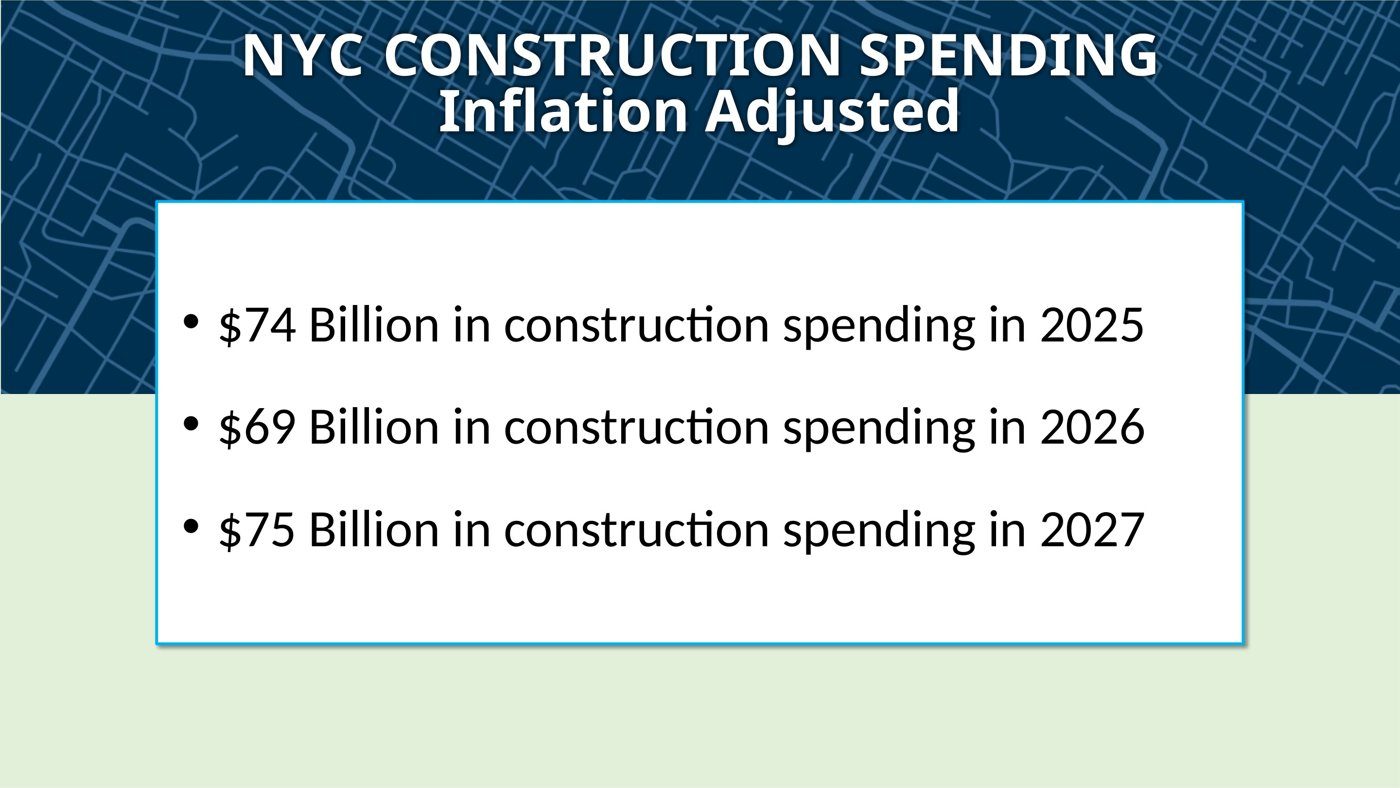
The story usually told about American downtowns, hollowed-out offices, stalled towers, capital waiting on the sidelines, does not hold in New York. Office construction is on track to roughly double its spend, residential is climbing by close to half year on year, and the city is heading into one of the highest three-year building cycles it has ever recorded. For anyone who clads those buildings, that trajectory is the real headline.
Where the money lands
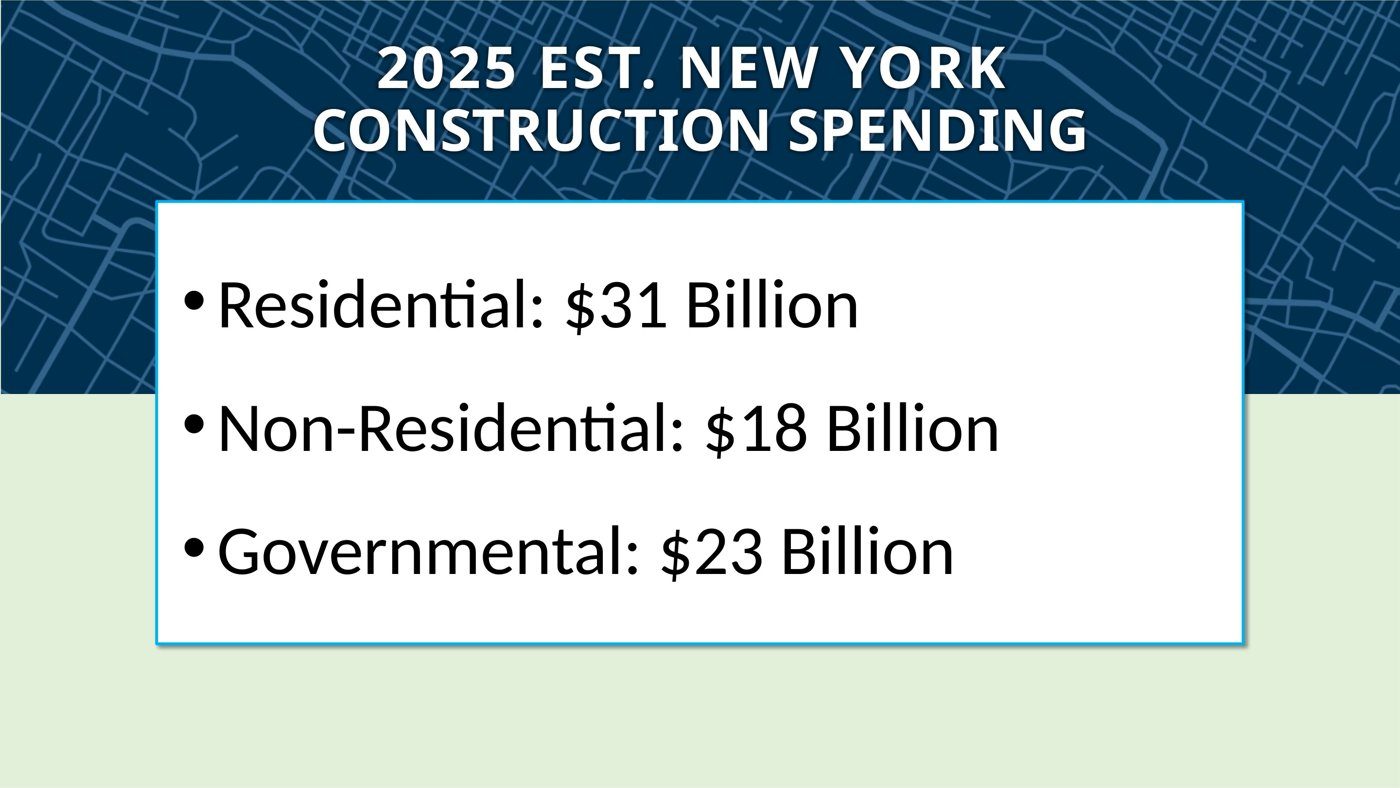
The three-year picture is the striking one: roughly $219 billion of construction spending across 2025 to 2027, described as one of the highest periods on record. The 2025 slice breaks down into about $31 billion of residential work, $23 billion governmental and $18 billion non-residential. Two lines stand out against the prevailing gloom. Offices, so often written off, are tracking to more than double last year to over $9 billion; residential is up close to 50 per cent year on year, reaching around $32 billion. More total spend, the argument runs, means more money flowing to the envelope.
Why it reaches the façade
Scissura framed the façade as the first thing anyone reads of a city, the initial impression of the built environment, and one people remember. He described building fronts as a timeline of New York's history: brownstones across Brooklyn, the terra-cotta of the Flatiron and Woolworth, and the glass and stainless steel of One World Trade Center, often standing within a block of one another. Blending those eras well, he suggested, is part of what makes the city distinctive. Beneath the imagery sits a steady commercial engine. New York has over 1.1 million buildings, and Local Law 11 inspections drive recurring façade projects across them, with the Department of Buildings processing roughly 3,000 to 3,500 façade-inspection reports a year. Recent scaffolding reforms, he noted, now push owners to finish façade work rather than leave sheds up indefinitely, turning a compliance regime into a reliable pipeline of remedial and re-cladding work.
A generation of megaprojects
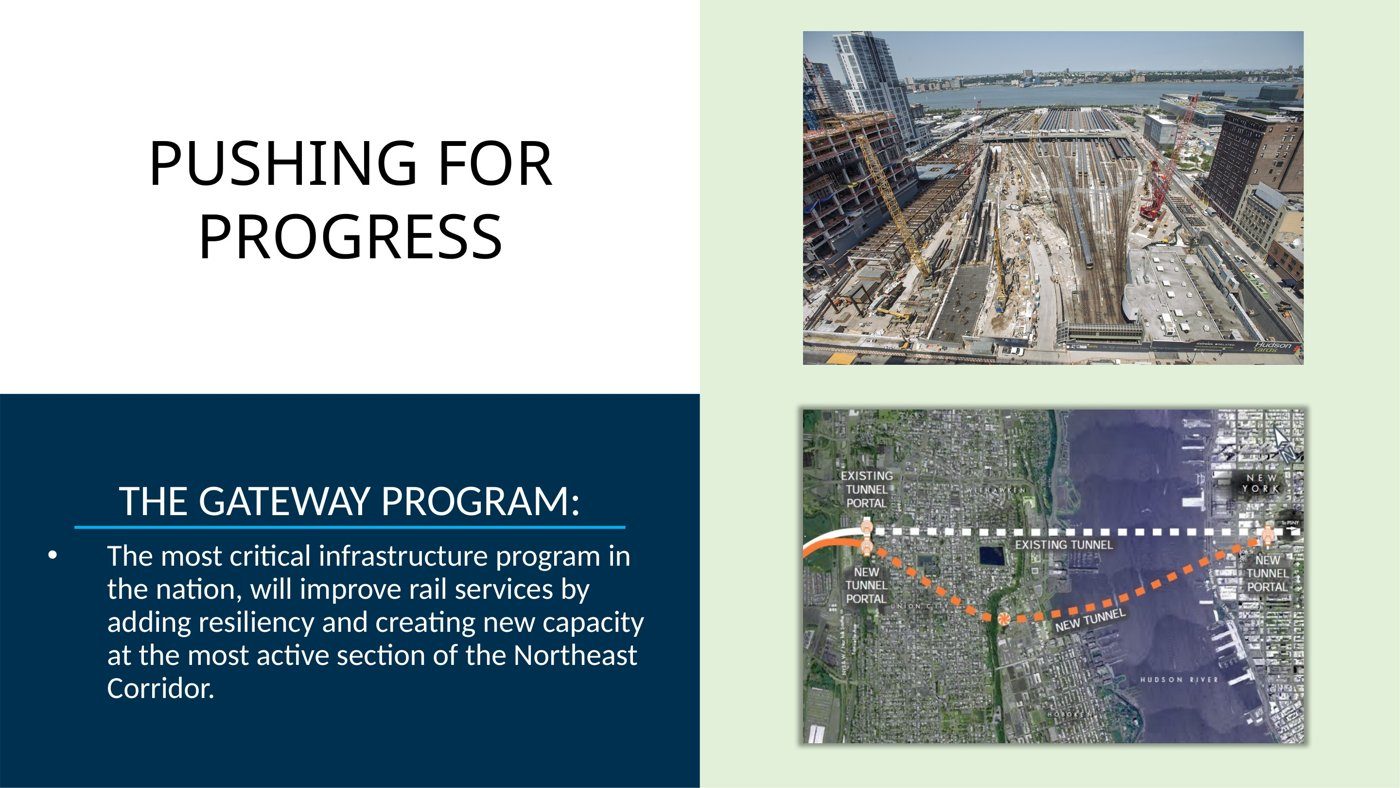
Much of the spending is concentrated in infrastructure that will reshape whole districts. The Gateway Program, the trans-Hudson rail rebuild along the Boston–Washington corridor, was described as the most critical infrastructure project underway in North America, a $70-billion-plus effort already in construction. Alongside it, a full rebuild of Penn Station is finally moving: a request for proposals is imminent, a master developer is due to be selected by the spring, and construction could begin in late 2026 or early 2027, connecting seamlessly to Moynihan Train Hall.
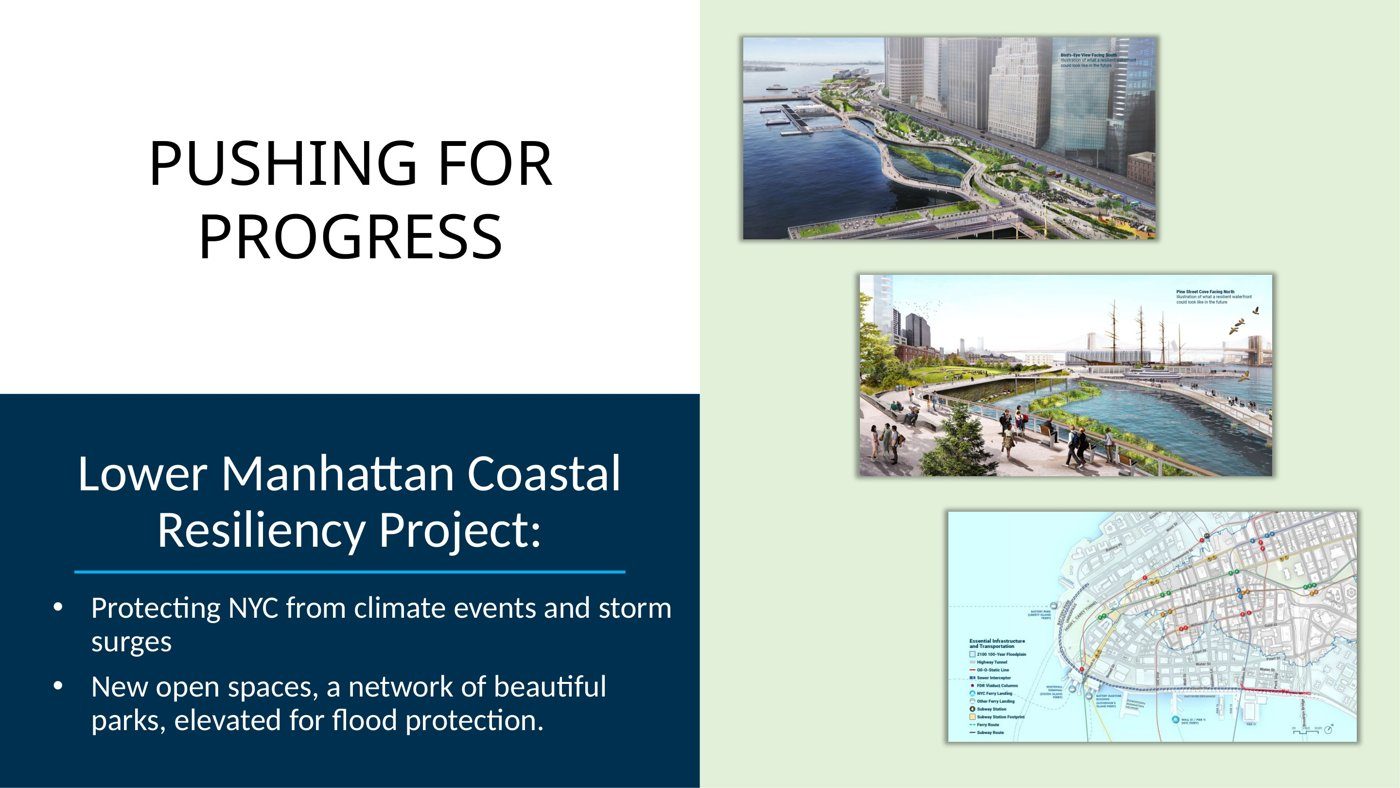
The list runs long: a $10 billion Port Authority Bus Terminal with contracts signed; a reimagining of the Brooklyn–Queens Expressway; the Interborough Express light-rail line linking Brooklyn and Queens without routing through Manhattan; and Second Avenue Subway Phase 2, carrying three new stops up to 125th Street. Climate sits inside the programme too, through the Lower Manhattan Coastal Resiliency project, which pairs storm-surge protection with elevated parkland and new public space.
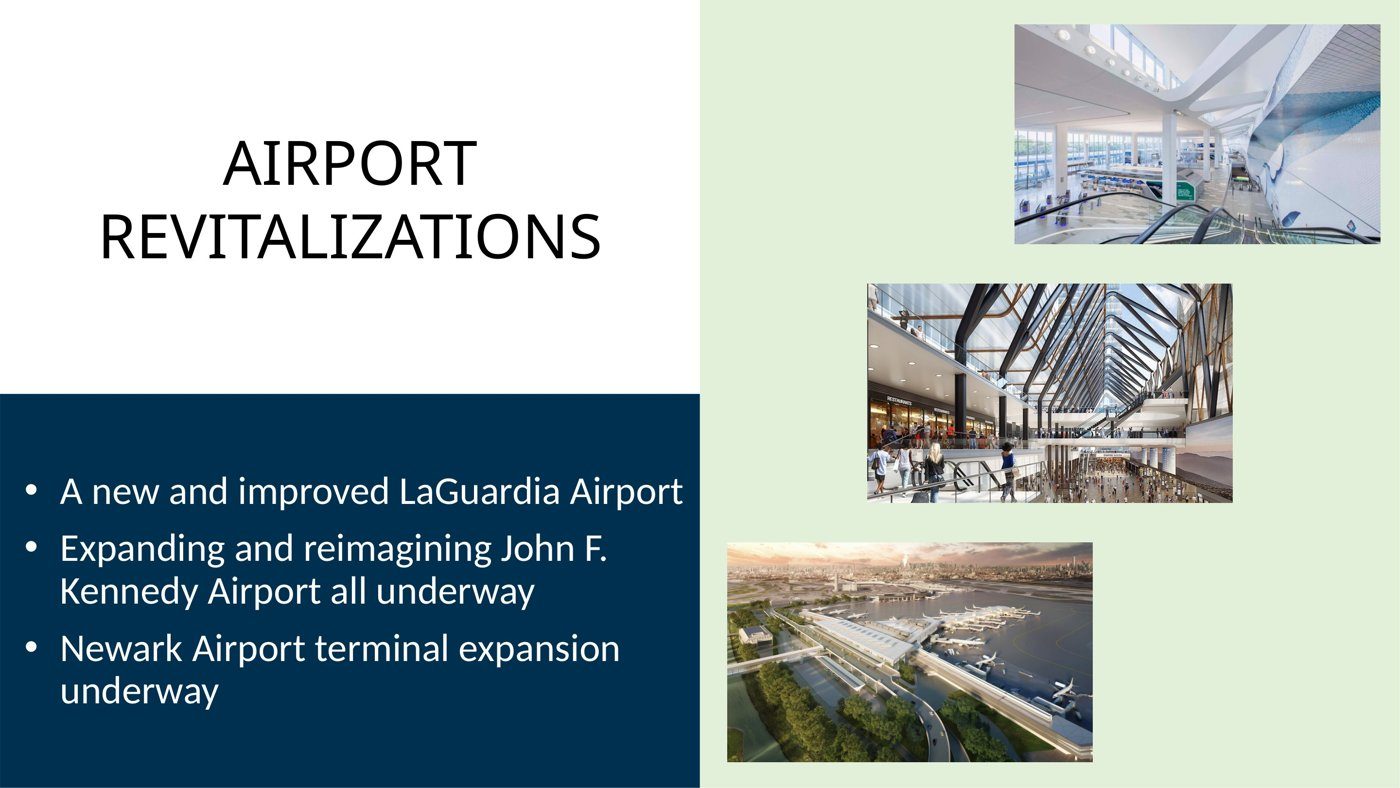
The airports capture the pace. LaGuardia, once ranked the worst in the country, now sits at the top; JFK is mid-way through a roughly $20 billion expansion; and Newark's terminal is expanding too, effectively three rebuilt airports for the region inside a decade.
The workforce question
The constraint on all of it is people. More than 247,000 work in construction occupations across the five boroughs, 139,000 of them on private payrolls, with 77 per cent of the industry in the private sector. It is a heavily blue-collar workforce, about 78 per cent, against 19 per cent white-collar, and a diverse one, with 66 per cent non-white and 60 per cent reporting that English is not their first language. The age profile skews mid-career: 48 per cent between 25 and 45, 34 per cent over 50, and just 6 per cent under 25.
One figure has not moved in a decade: women make up only 9 per cent of the construction workforce. Scissura tied that stubborn flatness to practical barriers, child care chief among them, and argued the industry has to do better if it wants to staff the cycle ahead. His closing pitch was a recruitment one, that architecture, engineering and façade work offer the kind of durable careers young people are too rarely pointed toward.