


Robert Moisy set out façade design as an act of imagination held in check by competence, tracing a line from bird-proofing details and colour rendering in hospitals to the safety factors that history has only ever produced after a disaster.
What exactly is design, and what is not? Moisy began with the difficulty of pinning the word down, noting that the New South Wales government has attempted a definition through the Design and Building Practitioners Act, and that various groups and societies have tried the same. His conclusion was that the question is not easy to answer or to quantify. The design of an envelope, he argued, is not envelope engineering: it goes above and beyond a calculation pad, and can be considered to incorporate anything that has a consequence. It involves learning and researching, being proactive and reactive, creating, imagining, improvising, interrogating, collaborating, sharing and communicating, together with empathy for the impact a building has on people and the environment.
Much of the work, on Moisy's account, is being asked to solve a problem you had not thought of, or finding problems to solve that nobody had realised existed. Designers are expected to hold a crystal ball and a fountain of knowledge, when in reality the answer often does not arrive straight away, or ever. That gap, he suggested, is where the challenge sits, and the enjoyment with it.
Birds, colour and the questions nobody expects
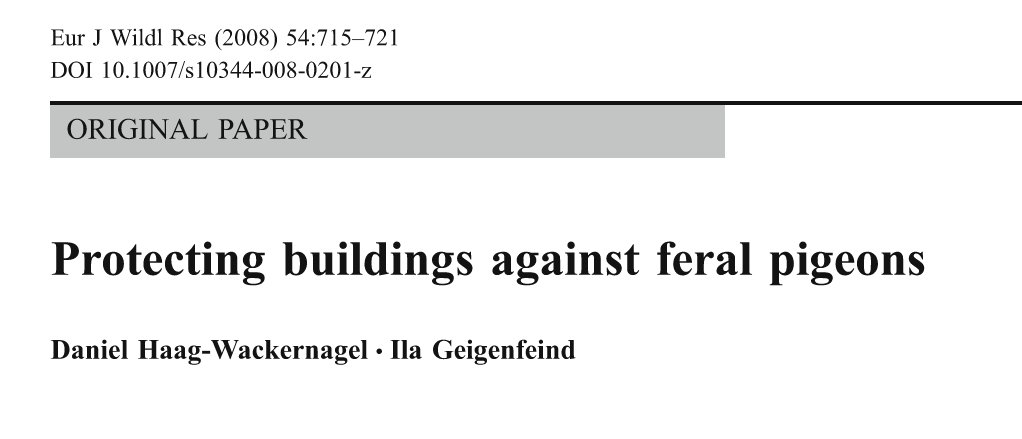
His first illustration was a question façade engineers are asked surprisingly often: how do I stop birds roosting on my façade? The folklore answers range from the man in the park with a sheet of metal who established the angle at which birds slide off, to electrocution and the introduction of hunting falcons. Moisy said he has referred repeatedly, as a façade engineer, to a research paper on feral pigeons and their squeeze and slide factors. The more interesting inversion, he added, is the reverse question: not the impact of birds on façades, but the impact of façades on birds. That question now appears in specific approval processes in Australia and overseas, and behind it sits a whole community devoted to bird safety, including glass products chosen to reduce collisions.
The same widening applies to light and colour. Moisy pointed out that colour rendering and glass selection carry physiological and emotional consequences: a design that calls for coloured glass raises the question of how the interior will feel, and whether a neutral colour can be achieved inside while the outside reads as coloured. In a hospital the stakes rise sharply, because colour rendering may bear on the diagnosis and the wellbeing of a patient. It is, he said, a very serious problem once you get into it, and one he has had the privilege of working on.

Imagination as method
Faced with an unfamiliar question, the honest first reaction is panic, but Moisy described what follows as the point at which the work becomes enjoyable, if you let it. Designers delve into imagination, improvise scenarios, research, read, watch, listen and write things down, crossing into something closer to inventor or artist. He drew on the guitarist Tommy Emmanuel on improvisation, on Marco Pierre White's insistence on accepting imperfection as the precondition for creating perfection, and on writing about imaginative thinking that describes crossing from one domain to another, and Einstein's combinatory play preceding the logical analysis rather than following it.
Technology drew a more cautious reading. Moisy took the web designer's ideal, a product used without a manual, and applied it to a façade component: how would a blind system open and close at exactly the right time without the tenant's judgment, and what volume of data would machine learning need to make that reliable? Other industries claim to be applying artificial intelligence to design, but he judged it a long step from dentures to a unique building or a shop façade that has never been done before. He described the crowd-sourced image capture behind augmented reality games, uploaded to build better three-dimensional maps, as powerful, fun and frightening at once, while allowing it might one day serve reflection or overshadowing assessments.

Safety factors are written after the fact
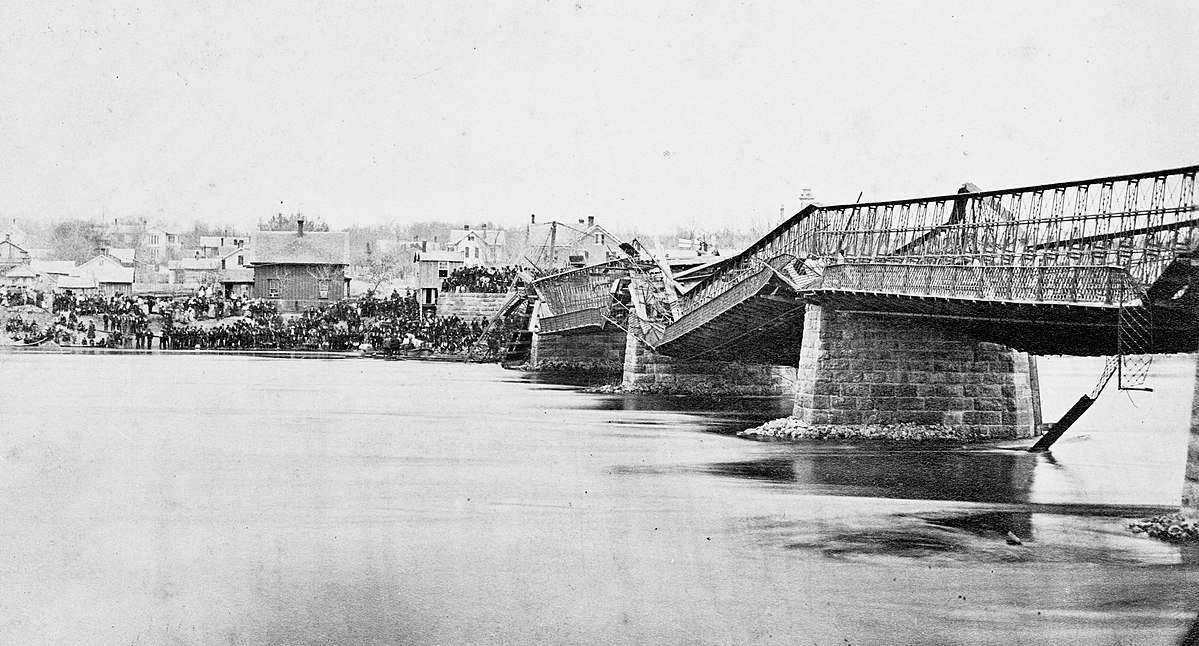
Moisy closed on the observation that factors of safety have come, without exception, from some sort of disaster. Citing accounts of what has been described as the worst road bridge disaster in American history, he noted that the engineering community of the time lacked formal education and that accredited engineering input was not required for public projects; the causes identified were incompetent builders, neglect during construction and excessive loads. The pattern recurs, he argued, in the Grenfell report of last September, with its findings of decades of government failure and of deliberate, sustained strategies to mislead the market, leading to the UK Building Safety Act. The response is levels of safety in design, and trusting those with the qualifications and competencies to deliver them, which is why he encouraged engagement with the Society of Façade Engineering and the work under way with Engineers Australia to formalise a façade engineering qualification.