


Brian Hubbs uses forensic failures to show where high-performance façades can become fragile: structural movement, wet timber, spontaneous glass breakage, concentrated solar reflections and insulating-glass edge seals operating beyond the conditions assumed by standard tests.
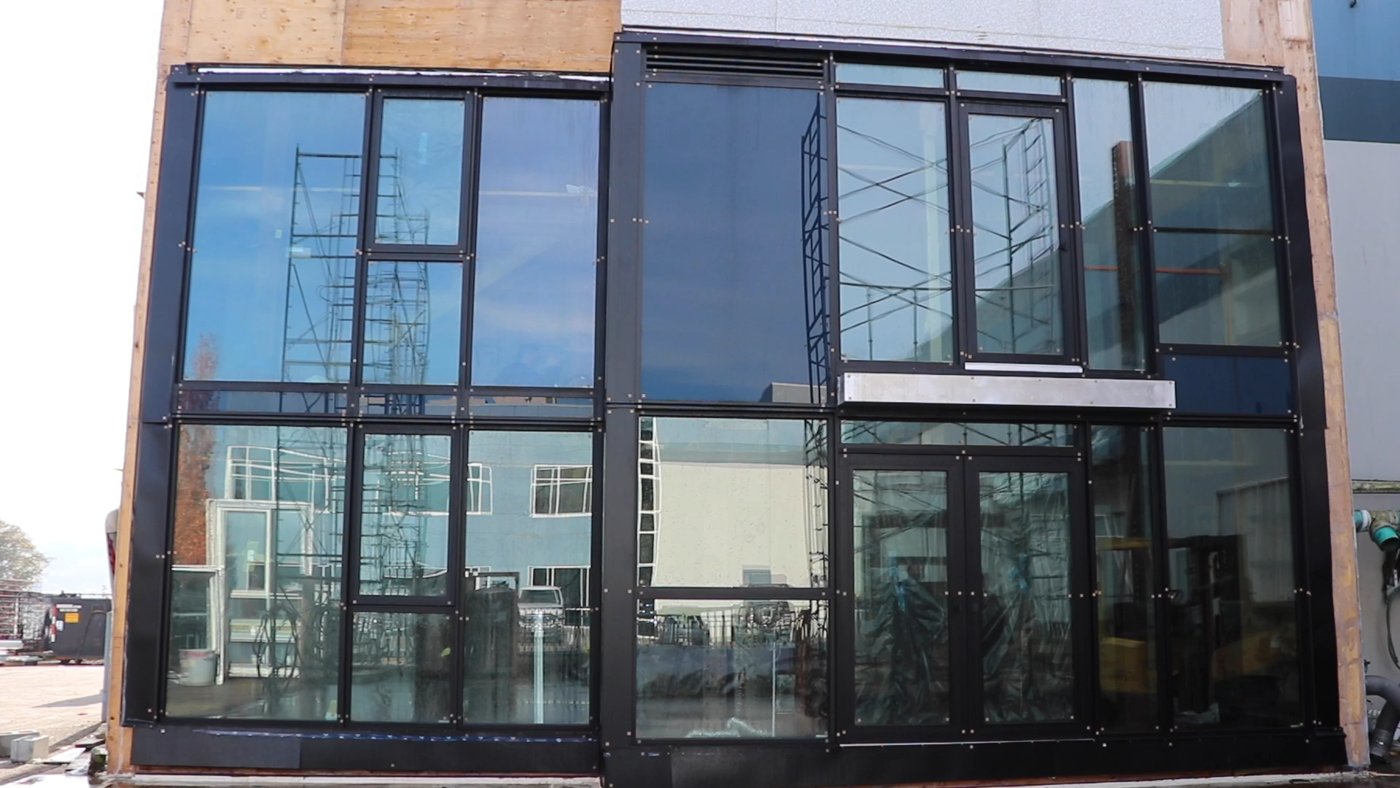
High-performance façades contain more specialised materials, tighter environmental targets and more complicated interfaces than their predecessors. Hubbs’ forensic examples show the paradox that follows: systems can become more efficient while also becoming less forgiving of assumptions. A glass unit may meet a durability standard but operate at much higher temperatures in a shadow box. Timber may be structurally capable yet decay when exposed long enough to wetting. A curtain wall may perform under pressure but fail when the structure racks, rotates or translates. The risk is rarely a single bad product. It is the condition that was not represented by the standard test, the detail or the procurement check.
Hubbs begins with movement because every façade has to follow the building. Unitised curtain wall, window wall, site-built systems and large panelised façades respond differently to inter-storey drift, but none can ignore it. He distinguishes elastic service movement from the much larger inelastic drift associated with a major earthquake and also points to differential vertical shortening. In practice, panels may rack, rotate or translate, sometimes shifting between behaviours as friction or fasteners engage. Brittle materials such as glass and precast concrete need enough clearance and connection freedom to move without being crushed or dislodged.
Mass timber changes the moisture boundary
The growth of mass-timber construction makes the movement and weathering problem more complicated. Hubbs shows cases where timber is brought close to the exterior control layers, including interfaces between glazing systems and nail-laminated or cross-laminated timber. Wood can crack and check as it dries and wets, creating paths that were not present in the original surface. If sealants or façade components trap water against that timber, a local leak can become a durability problem inside a structural element rather than a replaceable cladding defect.
His preferred hierarchy is to keep primary structural wood safely inside the environmental control layers wherever possible, then connect membrane and insulation continuously outside it. If timber expression is required externally, sacrificial or replaceable wood can sit beyond that protected structure. Hubbs repeatedly returns to “time of wetness”: there is no simple façade test that captures every exposure duration, orientation and drying condition for wood. A detail that survives a short spray test can still be vulnerable if small amounts of water remain trapped for months.

Glass can fail without an external load
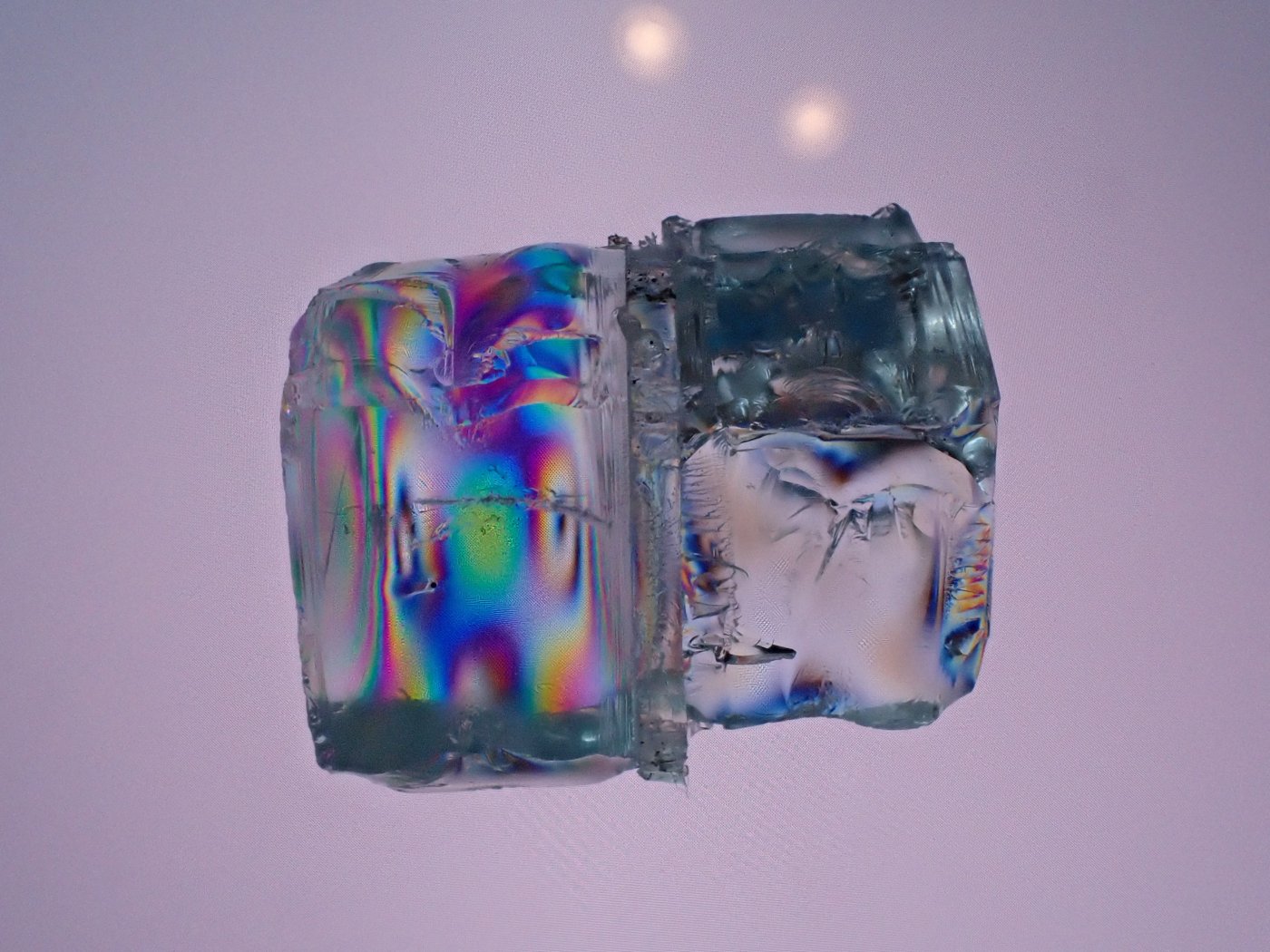
Spontaneous breakage of tempered glass is another risk that may appear long after handover. Hubbs describes several high-rise residential buildings where multiple units broke without impact, including cases in which fragments fell towards occupied areas. Nickel sulphide inclusions are one recognised cause. His point is less about the chemistry than about the consequences of treating a low-probability defect as negligible when thousands of large panes sit above streets, beds or terraces. Mitigation can involve temporary hoarding, frequent inspections and replacement programmes while the source and population of risk are assessed.
Heat-soak testing is one method intended to reduce the risk of critical inclusions in tempered glass, but Hubbs warns against assuming that an etched mark proves the required process was actually performed or that every test regime offers the same confidence. Procurement therefore has a traceability problem as well as a specification problem. For high-risk glass, the designer needs evidence of the exact make-up, manufacturing route and testing rather than simply accepting a generic supplier statement. The more consequential the location, the more important it becomes to connect a certificate to the actual units installed.
Hubbs also shows that glass can create risks without breaking. In one concave façade, reflected sunlight concentrated enough heat onto the landscape to scorch material below. Measurements reached roughly 270 degrees Celsius in the case he describes. A diffusion film was considered, but its own temperature limit was lower than the exposure being measured, so the final response relied on changes to the affected landscape and separation from the focal zone. The example is deliberately unusual, but it makes a useful point: curved reflective surfaces can create microclimates that are not captured by conventional façade checks for U-value, solar heat gain or structural pressure.
The edge of the IGU is a chemical system
Insulating-glass failures form the largest group of Hubbs’ examples. Fogging, low-e corrosion and seal failure frequently begin at the perimeter where glass, spacer, primary seal, secondary seal, gaskets and setting blocks interact. The primary polyisobutylene seal is the critical vapour barrier, while silicone secondary seals are much more permeable to water vapour. Small gaps in edge deletion or primary-seal continuity can expose sensitive low-e coatings to moisture. The problem may remain hidden for years until corrosion or condensation becomes visible inside the sealed cavity.
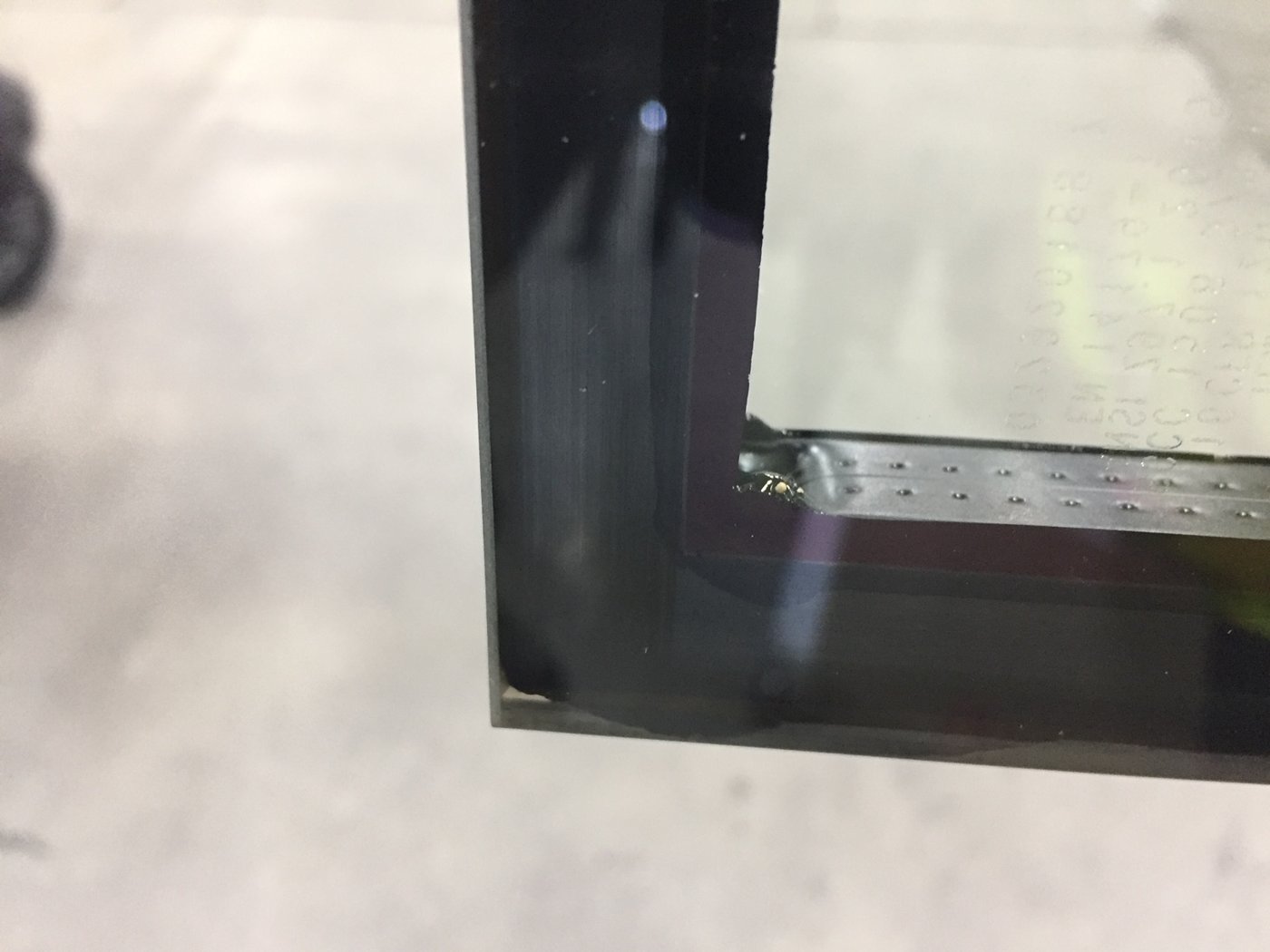
Material compatibility adds another failure path. Hubbs describes units removed after only a few years where components with different thermal expansion had moved, opening gaps and contributing to seal deterioration. Gaskets, setting blocks and sealants can also interact chemically, leading to plasticiser migration or loss of adhesion. These mechanisms are difficult to diagnose from the outside because the unit may appear dry and intact until the internal coating begins to corrode. Fabrication quality control, compatibility testing and careful review of edge details are therefore as important as the centre-of-glass thermal specification.
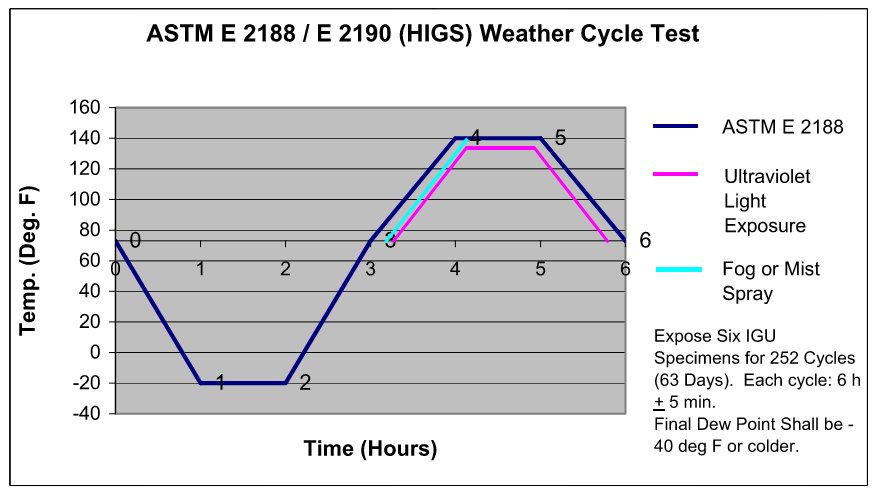
The standard durability test itself has limits. Hubbs notes that ASTM E2190 cycles insulating glass through temperatures up to about 60 degrees Celsius, while spandrel and shadow-box cavities on real buildings can drive hermetic seals above 80 degrees for sustained periods. The exact acceleration of chemical reactions varies, but his warning is clear: a pass to a minimum standard does not prove equal durability under every façade microclimate. High-performance spandrels, dark cavities and reflective surfaces can create exposures that deserve project-specific thermal modelling or additional testing.
Hubbs’ case studies are deliberately varied, but they converge on the same design habit: ask what condition the normal test or detail has left out. The answer may be drift at a corner, trapped water in timber, an internal glass inclusion, a reflected solar focal point or a hot edge seal. Risk mitigation then becomes less about adding conservatism everywhere and more about identifying where the consequence of an assumption is high. Standards remain essential, but they are starting points. The façade engineer’s value is often in recognising the project-specific exposure that sits just beyond them.