


Gautam Bhasin put a fire chief, two architects, a façade consultant and a developer's fire safety head to the same question: why compliant intent so often arrives on site as a painted metal sheet, and what would change if the specialist joined at concept stage.
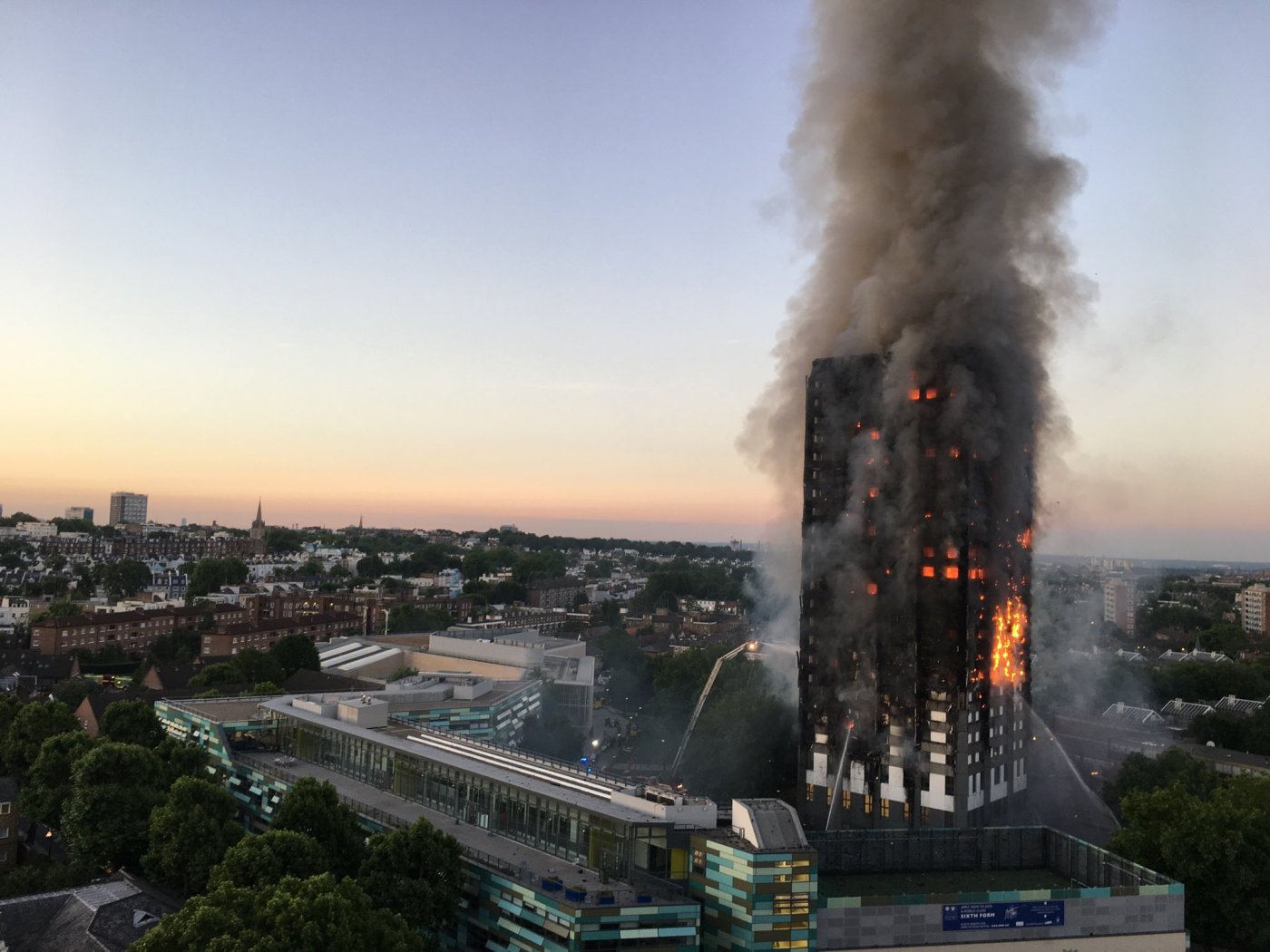
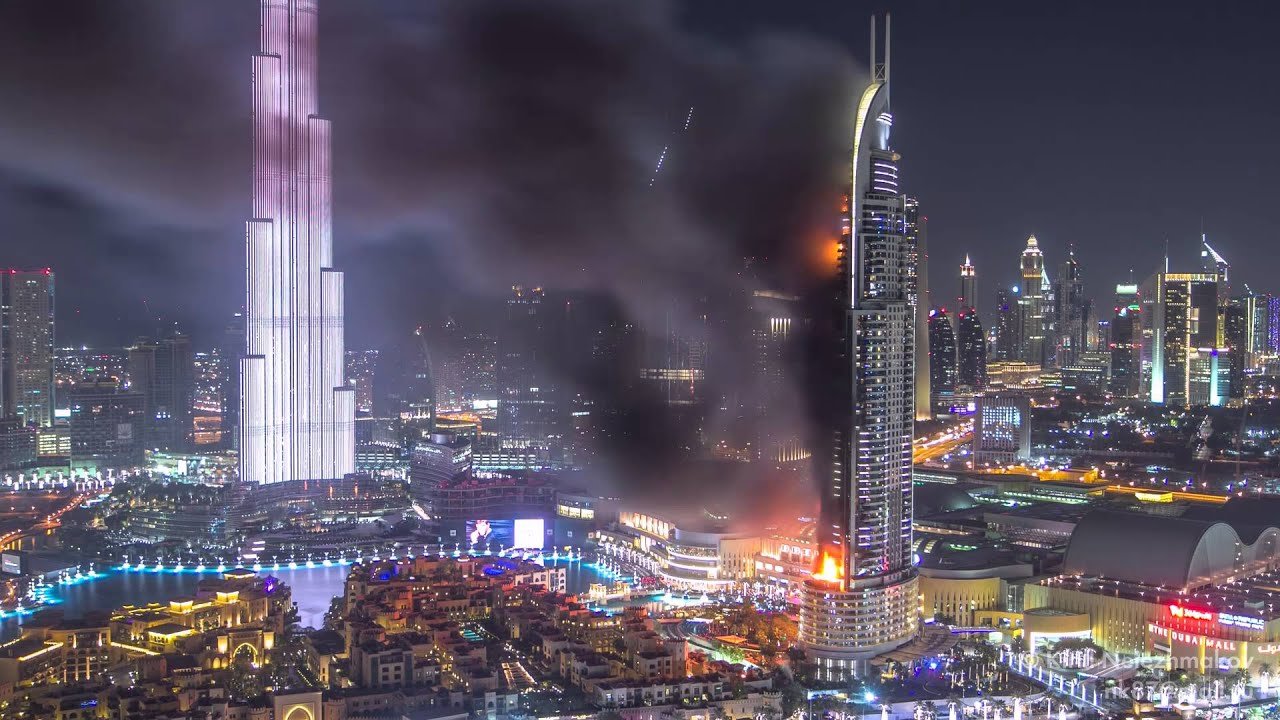
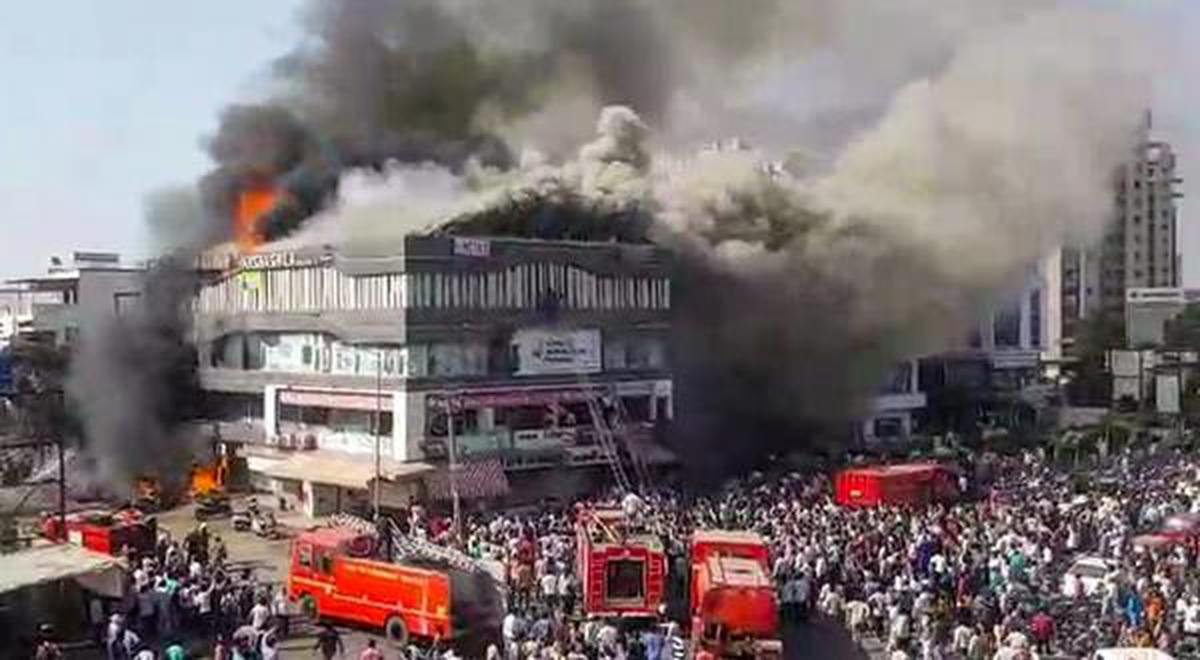
Fire is the one failure mode in which the façade becomes the public face of everything else that went wrong. Bhasin framed the discussion with the incidents that shaped the discipline: CCTV in Beijing, set alight by Chinese New Year fireworks in 2009; Lacrosse Docklands in Australia; Grenfell Tower, still the standard example of how not to choose materials; and Address Downtown in Dubai. India's list is no shorter, from Kamala Mills to a coaching centre in a Surat commercial complex, a gaming zone in Rajkot and a fire at FIFC. Recorded incidents in Mumbai rose steadily between 2020 and 2024, he said, with electrical equipment, faulty wiring and short circuits behind a large share of them.
> We talk about building for safety, but façade also ends up being the most visible element when a building is on fire. -- Gautam Bhasin, Mirai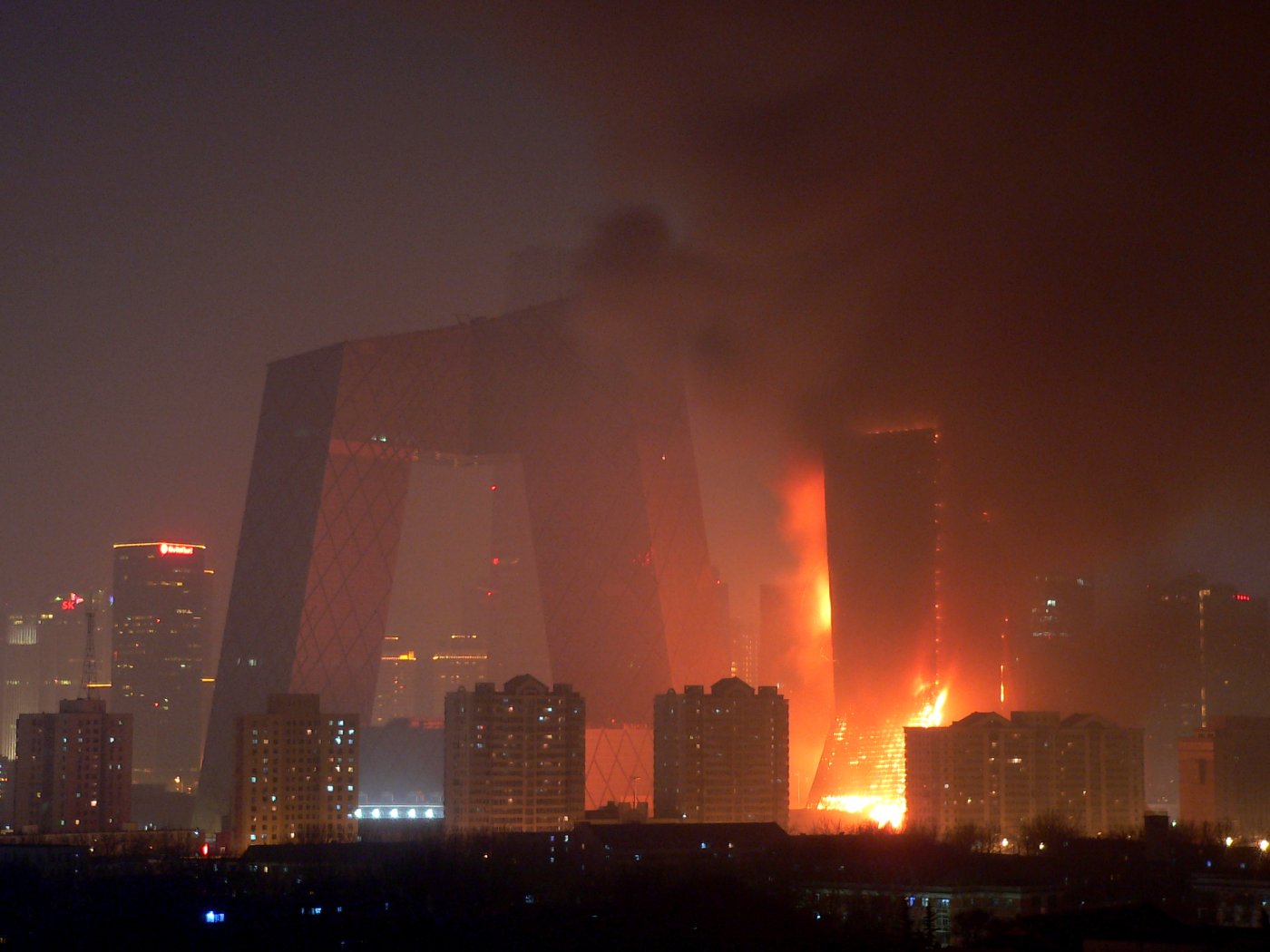
Bhasin noted that the United Kingdom turned 180 degrees after Grenfell towards material specification and prevention, with legal responsibility falling on designers as well as those selling or leasing, penalties extending to imprisonment and insurance voided if the wrong system is specified. Singapore, he suggested, benefits from a civil defence force that writes the codes it will have to fight under, and the UAE tightened after Address. India borrows: NBC 2016 parts four and six, and IS 18190 of July 2023 for perimeter barrier systems, but no robust national test for materials, so a compliant façade is stitched together from British, European and American documents while buildings remain a state subject.
What happens when the alarm sounds
Warick set out the sequence a resident should follow: out of the burning room, into the flat's common path with the door closed behind, then into the protected staircase behind a fire door, and down to ground level. The theory is sound; attendance is not. Sunday evacuation drills, he said, are attended by house helps and drivers rather than owners. Anyone untrained should show their back to the fire and get out, and only those confident with an extinguisher or a hose reel should engage. The deeper problem he framed culturally, saying the "chalta hai attitude" is what has to change, and that the change begins in schools and engineering colleges.
The designers agreed that occupants habitually assume an alarm is a mistake. Decruz recounted visiting a flat that had burned above a colleague's: not the outline of a sofa or the frame of a fridge, but nothing at all, everything evaporated. Agnihotri argued that signage, maps and escape routes must be genuinely accessible to occupants and equally usable by the firefighting team, without design being compromised to achieve it. Maity said the outcome swings on whether building management actually trains people and communicates, and Vora pressed for fire wardens appointed wing by wing and floor by floor.
A game of Chinese whispers
Bhasin's own complaint was the chain of intermediaries: designers rarely deal with the fire authority directly, and requirements reach the drawing board through the licensing architect as clauses whose logic has been lost. Decruz accepted that the national code and the IS documents are clear on systems, but said how architecture should respond to firefighting, internally and in the way a tender approaches the building, is far less so, partly because equipment differs from city to city. Both architects had found the authorities more approachable than expected, and preferred sitting down with drawings to a licensing consultant's blanket points lifted from another project. Vora added the 1.5 m by 1.5 m openable, which lands after an elevation has been frozen and has to be absorbed into the composition rather than bolted on.
> We actually refer to them as the fire gods, because it depends on what breakfast they had in the morning. -- Alok Decruz, Morphogenesis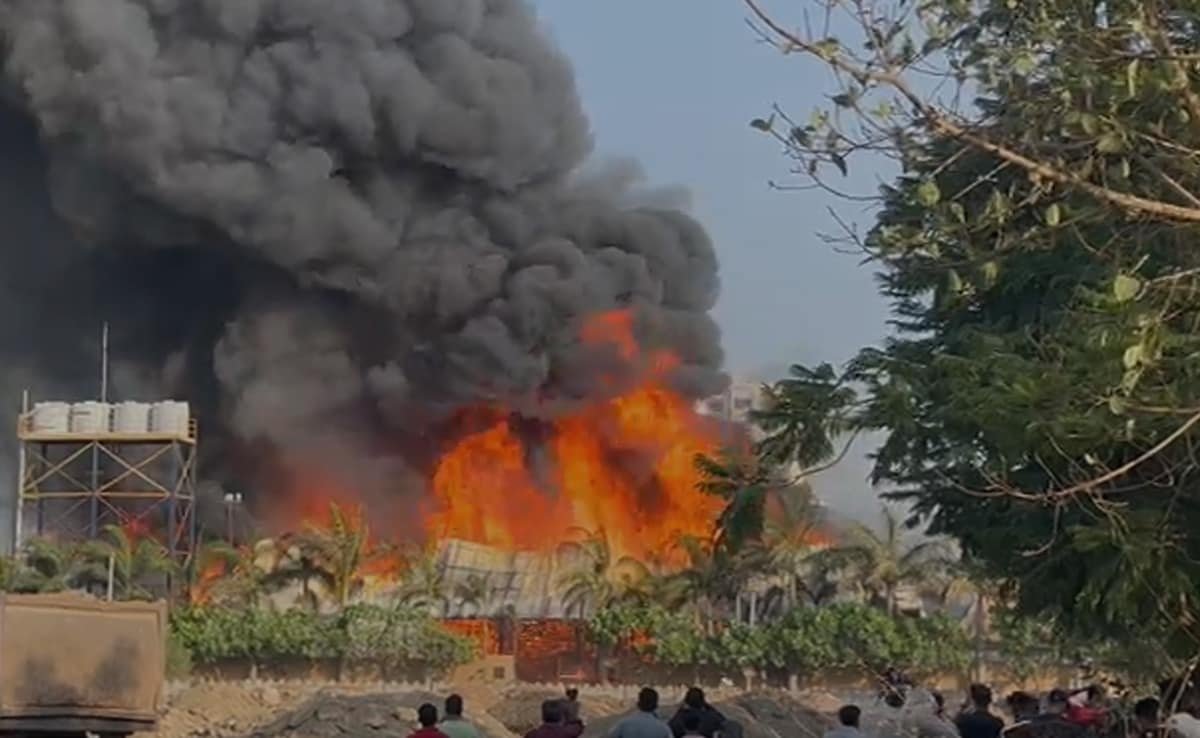
From render to tested assembly
Vora described the clock starting the moment the render arrives: aesthetics and available finishes first, then fire performance, with developers and architects now asking whether a material carries BS 476 or EN 13501 certification and whether the system has been tested to NFPA 285. Perimeter barriers to ASTM E2307 and EN 1364 have replaced improvised rockwool and intumescent sealant, cavity barriers are appearing behind dry cladding, and refuge areas are treated to at least EW 120. Maity put the difference between codal compliance and performance-based design in a tested solution certified for integrity, insulation and movement in one, and insisted passive and active systems cannot stand in isolation.
> The third part, which is the toughest of all of these, is execution verification. -- Apurba Maity, Phoenix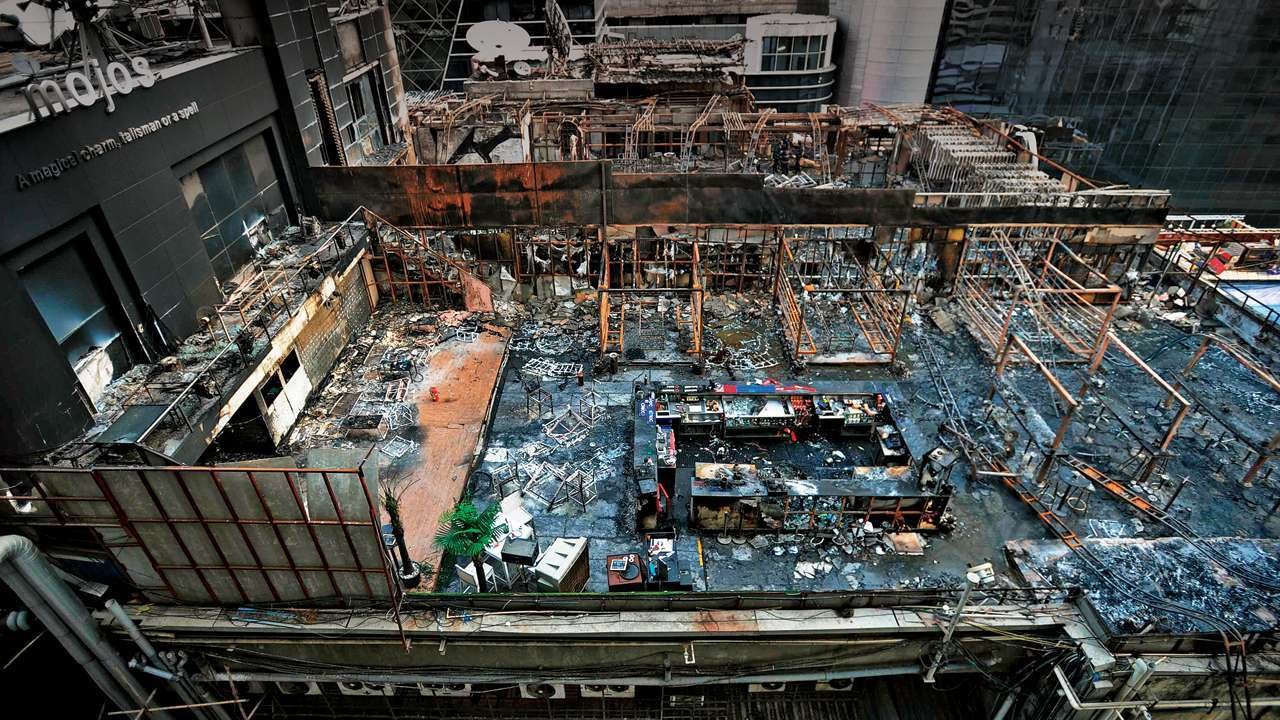
Asked where inspection finds the gaps, Warick was blunt. Multinationals, branded hotels and hospitals comply fully because their insurers demand NFPA or FM standards above the national code; first-generation IT parks and business buildings cut corners. Fire stopping is the usual casualty: a metal sheet, some concrete and a coat of fire retardant paint presented as a fire seal, which in a two-hour walk through a whole building is next to impossible to open up and verify. Shafts are another, since at occupation certificate stage the services are not yet laid, ducts stay unsealed, and the leapfrog effect carries heat and smoke upwards.
> Mumbai is a place where we are giving approval up to 70 m residential buildings with a single staircase. -- Santosh S. Warick, MIDC > Zero spandrel definitely makes the façade look more beautiful, but that could be the most unsafe practice in terms of fire. -- Vicky Vora, V3 Facade Design StudioReach will not compensate. Warick cited the Thirteenth Finance Commission's finding of a gap of more than 80 per cent in fire stations, trained manpower and appliances nationally; against a norm of five to seven minutes, response in Mumbai or Pune is rarely under 15 to 20, and while Mumbai has a 90 m ladder and Pune 70 m, much of Maharashtra has nothing above 30 m. The remedies offered were procedural rather than technical: Maity wanted the fire and life safety consultant engaged at the first design meeting and occupant feedback fed into the next scheme, Agnihotri wanted awareness enforced in law and taught in schools and colleges, Vora wanted uniform national norms because Mumbai and Pune compliances do not tally, and Warick wanted an explanatory manual behind every NBC provision, of the kind NFPA 101 carries.