


G Subham made the case for the material most fire-rated façade systems are quietly built around, stonewool, spun from volcanic rock, non-combustible to A1 and stable past 1,100°C. His sharper point was about how fire ratings actually work: no single product carries an hourly rating, only the tested assembly does, so what protects a building is not the label on the insulation but whether the exact certified system was the one installed.
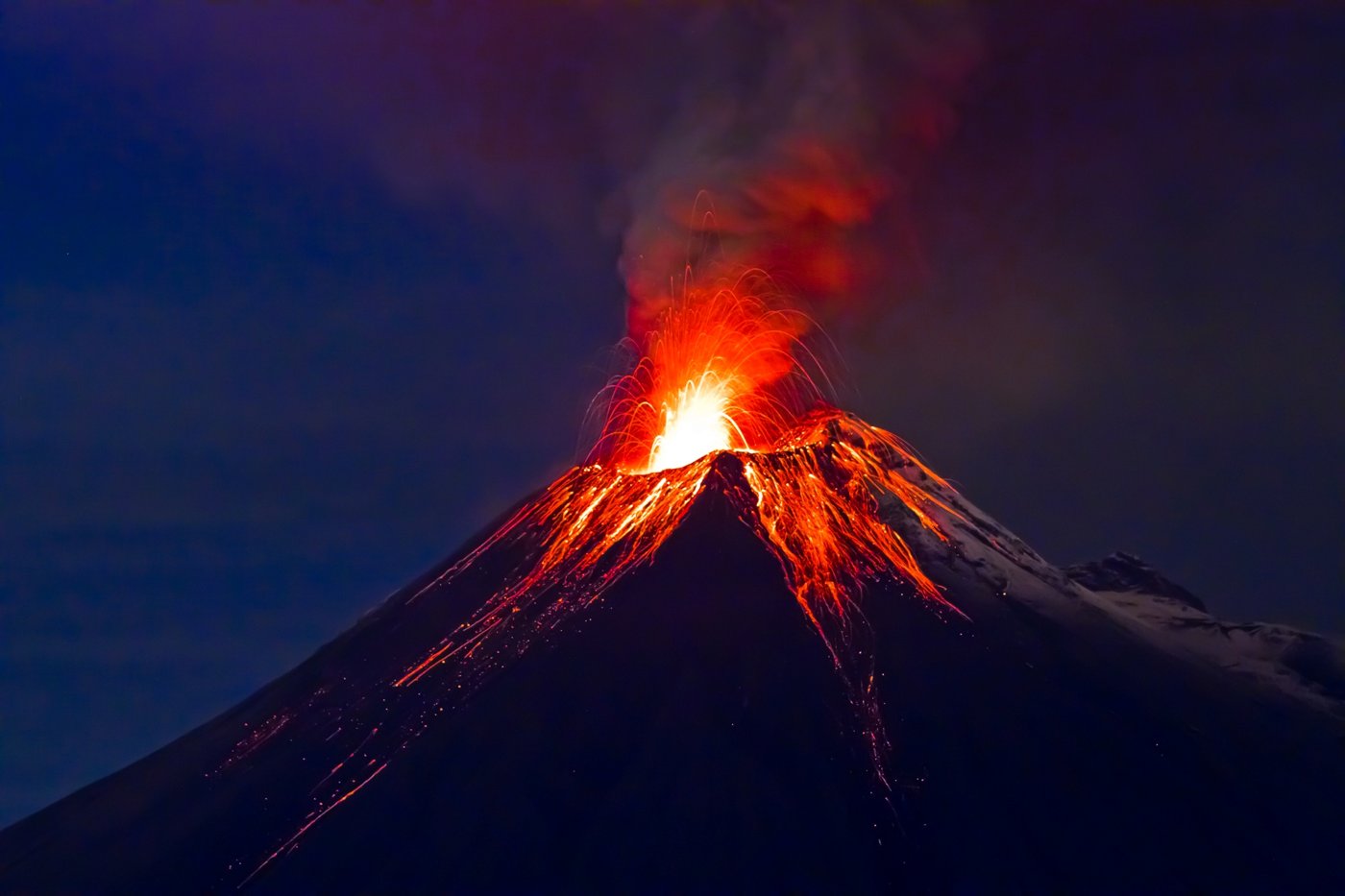
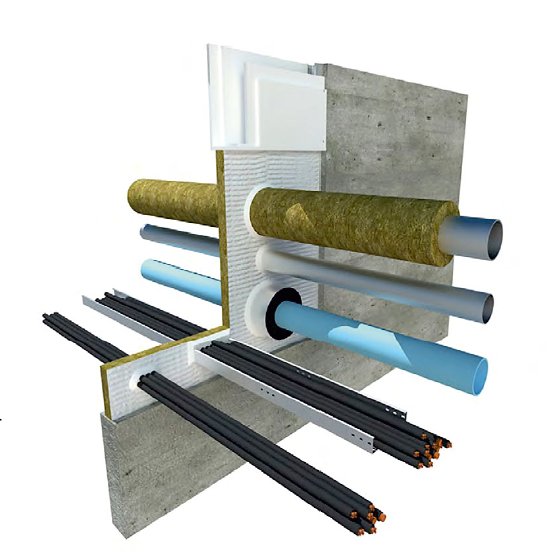
Subham opened with a question rather than a claim: what do fire-rated ducts, perimeter firestopping, fire-rated drywall, metal sandwich panels, floor and wall penetrations and fire doors all have in common? The answer, he said, is stonewool, the backing material that runs quietly through almost every passive fire protection system, the thing that lets an assembly reach its required integrity and insulation rating. As the business development lead for South India at Roxul Rockwool, he first cleared up a confusion the Indian market lives with: ROCKWOOL is a brand, not a generic; stonewool is the product, made by melting volcanic basalt rock and spinning it into fibre; and in India the company trades as Roxul Rockwool precisely to separate the original from everything else sold as “rock wool.” The group runs some forty factories across more than 120 countries, and is about to open a second Indian plant, at Cheyyar in Tamil Nadu, to serve the south.
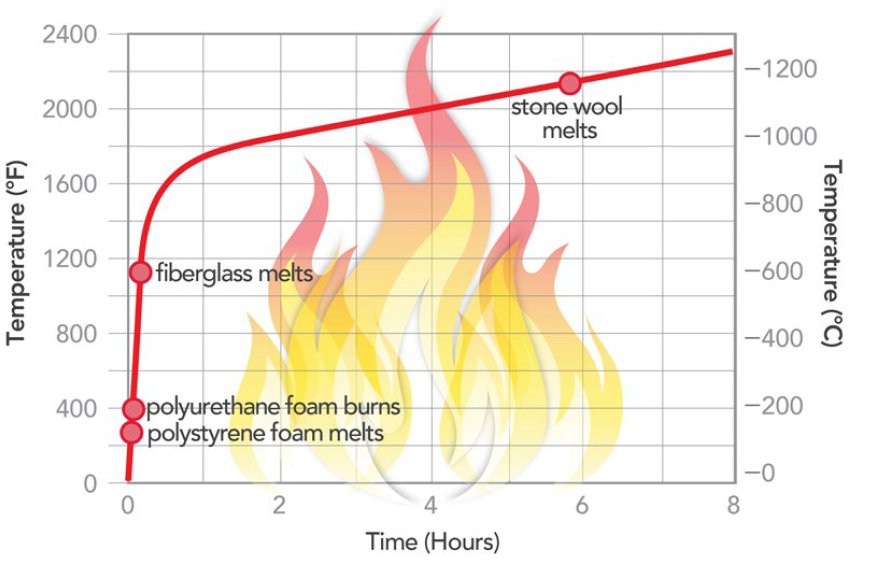
Stone brings a set of properties for free, thermal and acoustic performance, moisture resistance, durability for the life of the building, full recyclability, but Subham’s focus was fire. Stonewool is non-combustible, classified A1 under EN 13501-1, and melts only above 1,100°C; that headroom is what lets it contribute to a system rating of two or three hours under test. Glass wool and polymer-based insulations, by contrast, have far lower melting points and fail within five to ten minutes of fire exposure. The consequence is simple and human: a non-combustible insulation slows the spread of fire, which buys time for occupants to evacuate and for fire services to arrive, and in doing so reduces both the loss of life and the cost of the damage.
The regulatory turning point, he noted, was Grenfell. After the 2017 fire, the United Kingdom banned combustible materials on high-rise buildings, disallowing B, C and D class products above eleven metres and permitting only A1-certified materials on tall structures. It is the clearest statement anywhere that, above a certain height, combustibility is not a trade-off to be managed but a line not to be crossed, and it is steadily reshaping how the rest of the world specifies insulation.
From there Subham made the argument that mattered most, and it is one the industry keeps getting wrong. A fire rating has components, R for load-bearing stability, E for integrity, and I for insulation, and a proper fire-rated system needs both integrity and insulation to let people out safely. But no single product carries an hourly rating. “Fire-rated rockwool” is a category error: it is the collective assembly that is tested and rated for two or three hours, not the insulation on its own. Ask for a fire-rated product and you have misunderstood how the protection works.
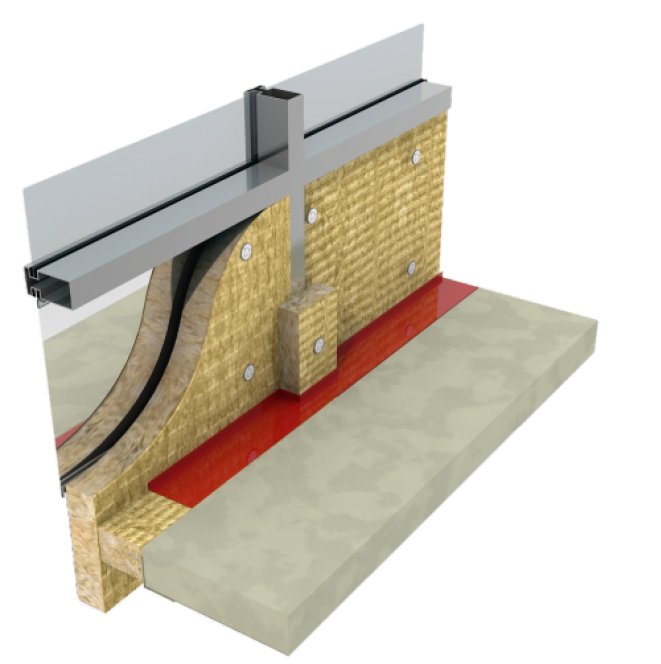
What follows from that is a discipline for the site. Perimeter firestopping is a collaboration: the system owners, firms such as Hilti, Fischer and STI, test complete assemblies together with specific insulation products, and the certification, issued by a body like UL or Intertek, names those exact products, down to a particular curtain-wall spandrel and smoke-seal combination. The protection is only real if the same products, from the same manufacturers, are the ones that actually go into the building. Checking that on site, Subham argued, is not paperwork, it is the only thing that gives anyone confidence the passive fire protection will behave in a fire the way it did in the lab.
He closed the loop on sustainability and health. Stonewool adheres to most of the green-building schemes, LEED, IGBC GreenPro, GRIHA, WELL, by contributing points; it is fully recyclable, with recycling services now offered on the ground in India, and it comes with environmental product declarations and life-cycle assessments for clients who want to see the whole cradle-to-grave picture. He singled out one certificate in particular, the EUCEB mark, which confirms that a factory’s mineral wool is biosoluble and non-carcinogenic, a reassurance that matters when the material is handled at scale.
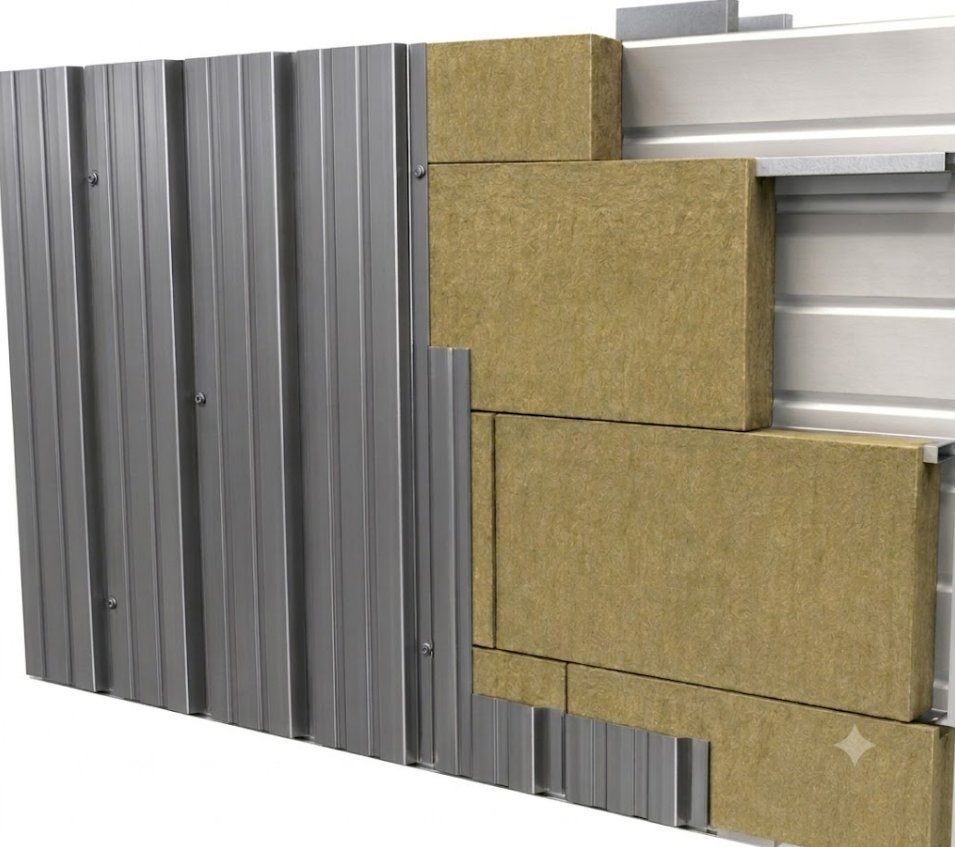
The same stonewool, he showed, sits behind an entire catalogue of walls: curtain walls, metal and precast concrete sandwich panels, cavity walls, ETICS and EIFS renders, double-skin metal walls and ventilated rainscreens, doing fire, thermal and acoustic duty in each. And he ended where he began, with a warning aimed squarely at a market full of look-alikes: not every “rock wool” on sale in India is the original, and on a fire-rated system, the difference is not academic.