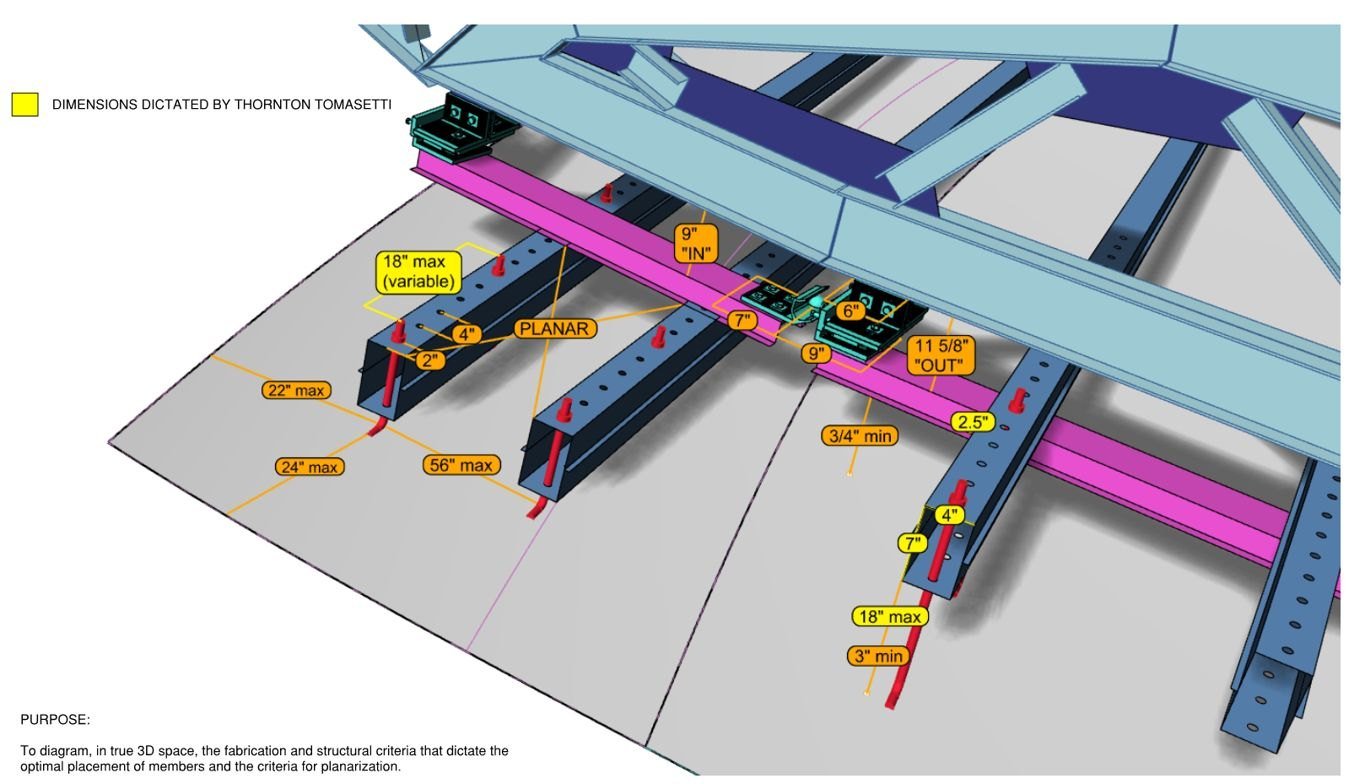
Gijs Libourel argues that falling grid carbon and more efficient building services change the façade engineer’s priorities: operational energy still matters, but embodied carbon, peak loads, durability and resilience increasingly determine the value of enclosure decisions.
Operational carbon is shifting
Decades of energy regulation have pushed envelopes towards better insulation, tighter air barriers and higher-performance glazing. Libourel’s point is that this success changes the next question. As electrical grids decarbonise and mechanical systems electrify, the carbon saved by each additional increment of insulation can diminish, while the carbon invested in materials is emitted at the start of the building’s life. A façade strategy that is optimised only for annual operational energy can therefore miss a growing part of the climate impact.
Peak loads still matter
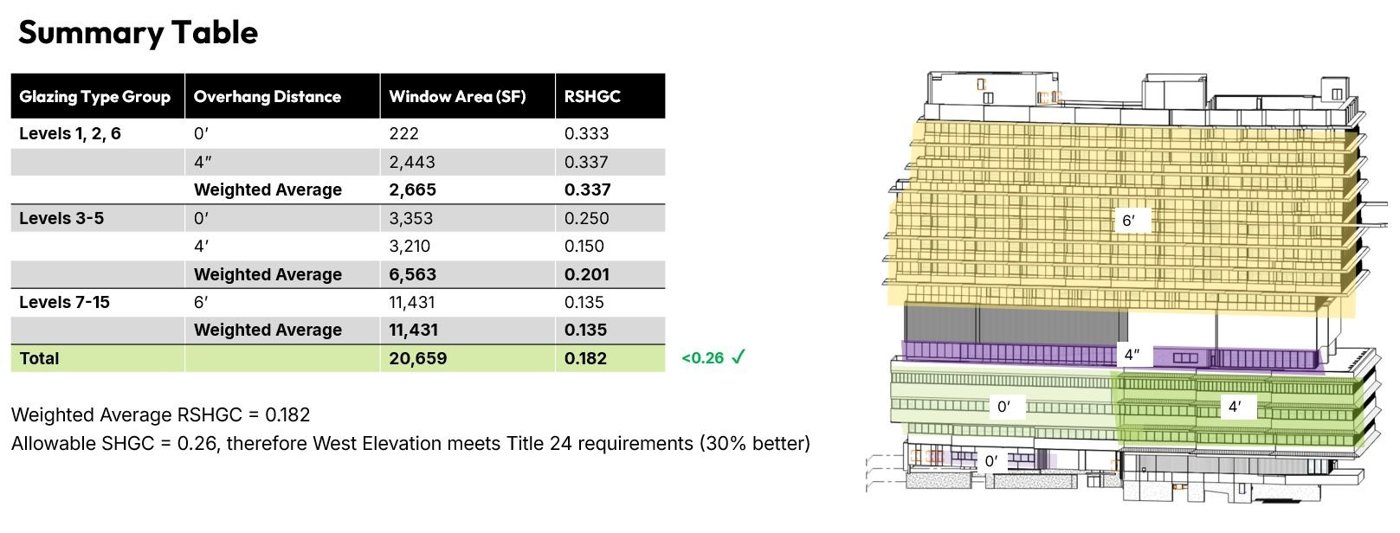
The façade’s influence on mechanical capacity becomes especially clear at peak conditions. Energy compliance models often focus on annual or code-defined metrics, while MEP engineers have to size equipment for the hottest hours. Shading that clips a severe afternoon solar peak can reduce the capacity required from chillers, ducts and other systems even if its annual energy effect appears modest. Libourel therefore distinguishes code compliance from the calculations needed to understand real equipment sizing and thermal resilience.
Durability changes carbon
Whole-life carbon also depends on service life. A low-carbon material that needs early replacement can perform worse over decades than a somewhat more carbon-intensive component that remains functional for much longer. Façade choices therefore need realistic assumptions about coatings, sealants, glazing units, insulation, attachment systems and maintenance cycles. The initial environmental product declaration is only the beginning of the calculation.
Codes and peaks diverge
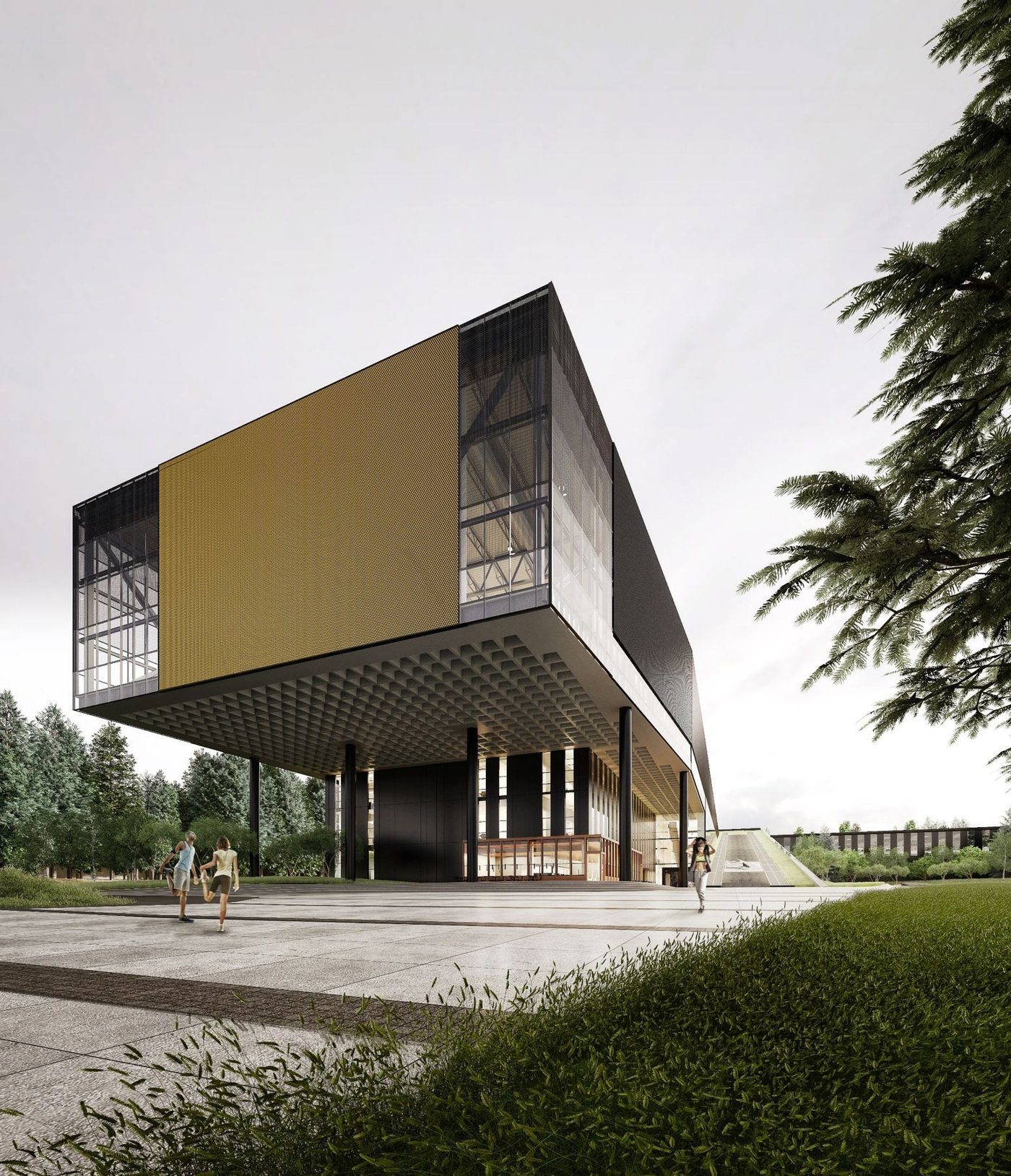
Libourel makes a useful distinction between an annual compliance model and the calculations used to size real mechanical equipment. In California, Title 24 provides a structured route for assessing energy compliance and recognises exterior overhangs through projection factors, but a code model is not automatically a peak-load model. Mechanical engineers still need to understand the maximum solar and conductive load that occurs during the most demanding hours. A façade that trims that peak can change the capacity of chillers, air distribution and other plant even when the annual energy percentage looks modest.
That distinction also changes how shading is valued. Interior blinds may be treated differently by different modelling frameworks and, in practice, depend on occupant behaviour. Exterior geometry is more predictable because it intercepts solar gain before it reaches the glass. The question for the façade engineer is therefore not only whether a shading device earns an energy-model credit, but whether it reliably reduces the load the building has to survive. This is one reason Libourel argues for conversations with MEP teams before the envelope is frozen: the value of a façade move may appear in avoided plant as much as in annual kilowatt-hours.
Whole-life needs a horizon
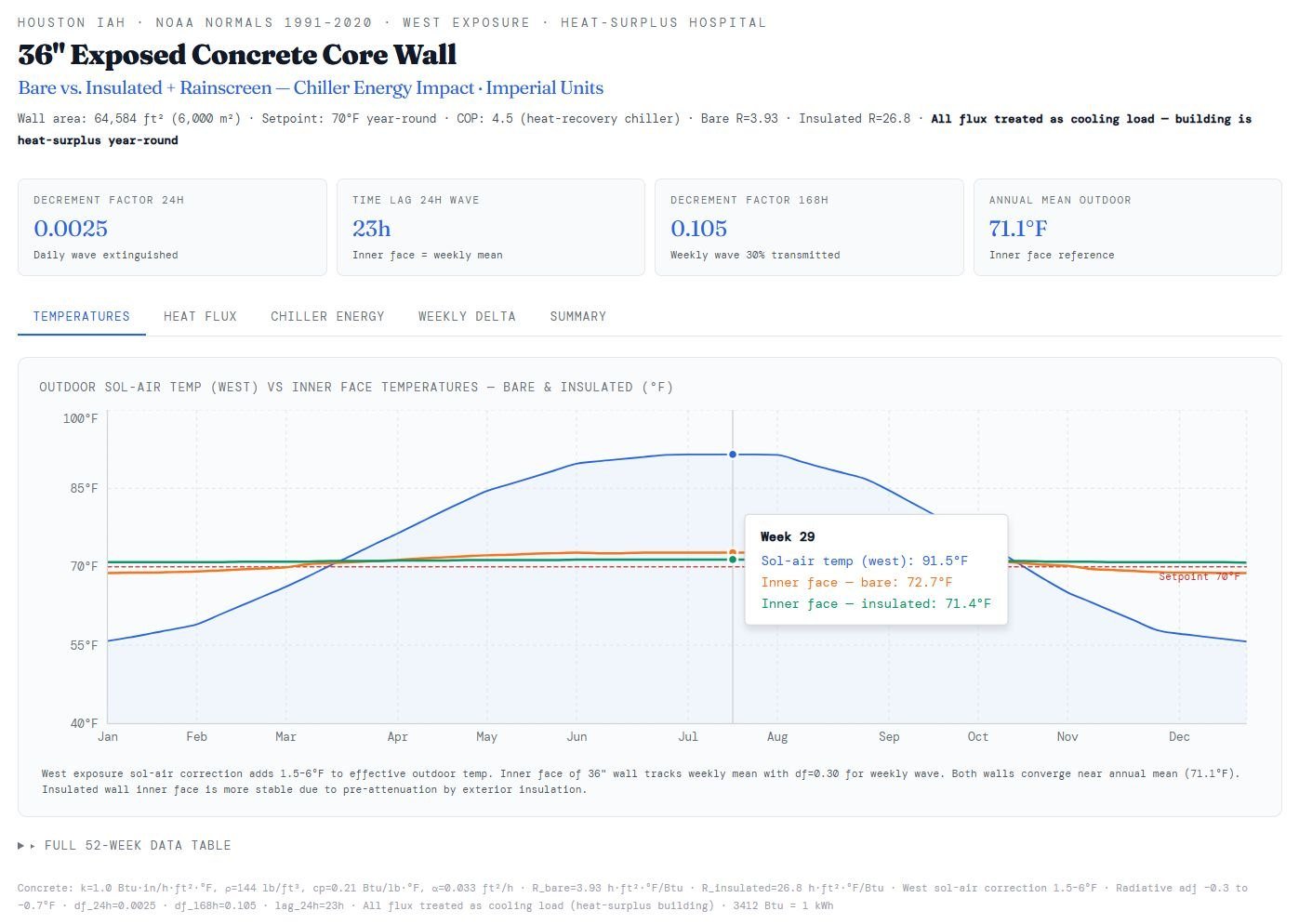
The same systems thinking applies to embodied carbon. Initial material impact is immediate, whereas operational savings accumulate over time and depend on future grid carbon. As electricity becomes cleaner, the balance between those two curves changes. Adding material indefinitely to chase smaller reductions in heat flow can therefore reach a point of diminishing carbon return, particularly when the added layers have short replacement cycles or complex end-of-life pathways. The appropriate threshold is project-specific, but the need to ask the question is universal.
Durability is the bridge between those calculations and real buildings. Sealants, coatings, glazing units, insulation and attachment systems do not all share the same service life, and a façade's carbon story changes when one component forces premature replacement of another. Libourel's argument is ultimately for a broader definition of optimisation: reduce demand first, size active systems intelligently, protect comfort in extreme conditions, and then test whether the material invested in the envelope will remain useful long enough to justify its impact.