Werner Jager argues that very large glazed openings are successful only when the desire for visual continuity is matched by careful control of thermal comfort, structural loading, hardware, installation and long-term usability.
Transparency starts inside
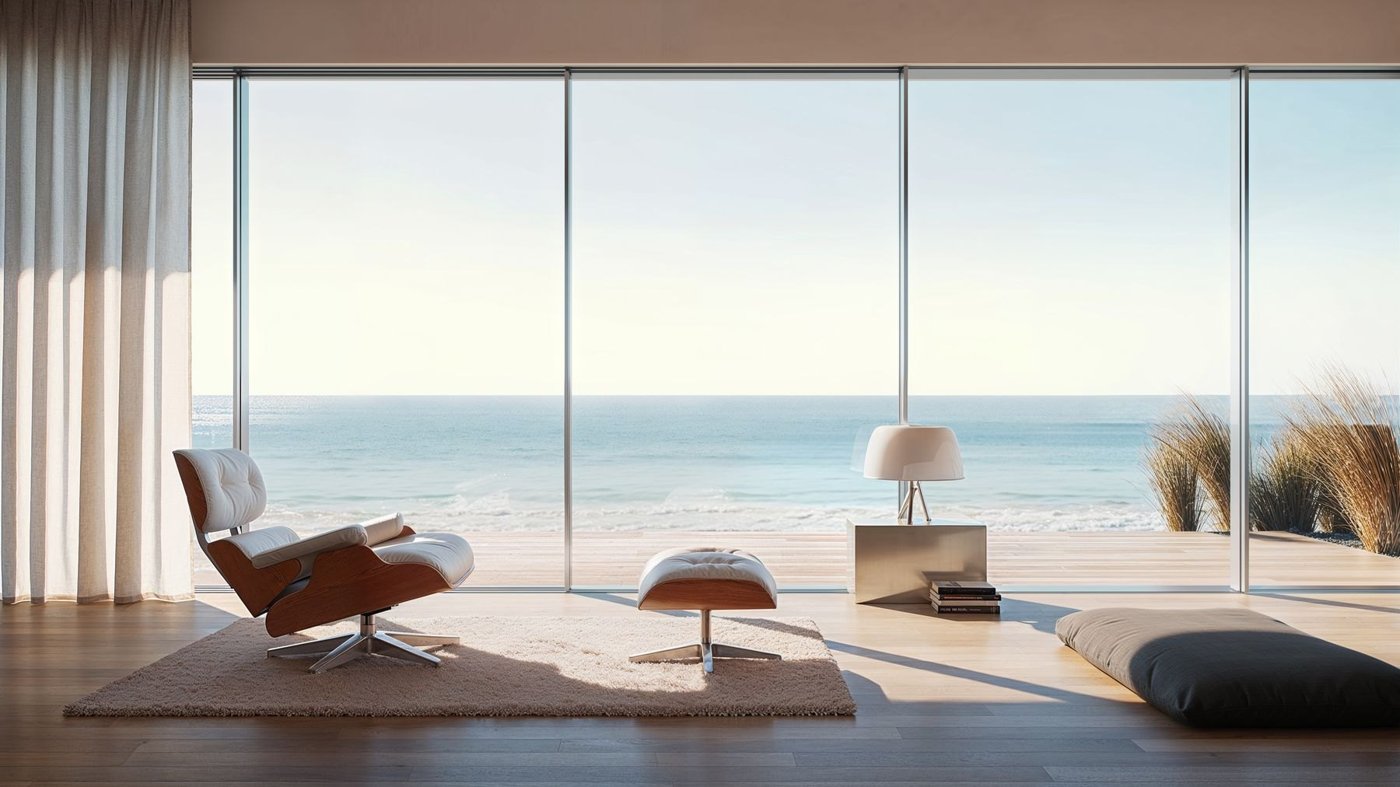
Jager approaches façade design from the interior experience outward. Minimal frames are intended to disappear from normal view so that several glazed panels read as one continuous boundary between room and landscape. That effect is psychological as well as architectural: large openings can strengthen visual connection to sky, vegetation and city, and corner conditions can provide multiple views that make an interior feel less enclosed.
Jumbo glass changes logistics
The scale of the glass changes how the façade is fabricated and installed. The examples include panels weighing roughly 2,200 pounds that can still be positioned with compact lifting equipment, as well as large test specimens subjected to demanding wind pressures. At this scale, deflection, edge support, drainage, hardware capacity and tolerances become visible architectural issues. Small errors that would disappear in a conventional window can prevent a large sliding panel from operating correctly.
Longevity supports sustainability
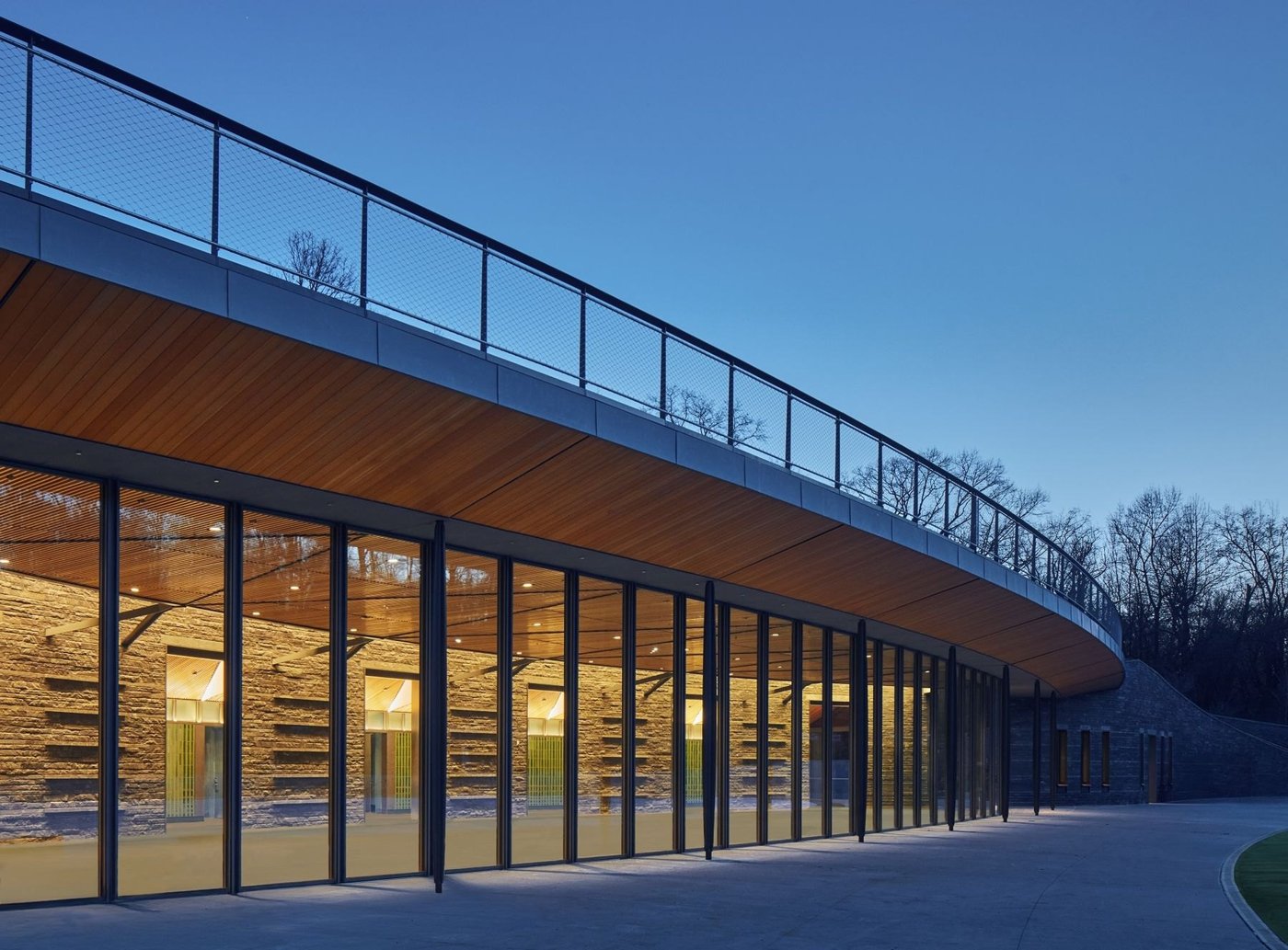
Jager also links sustainability to service life. A system that remains operational for decades can justify a different material and fabrication investment from one expected to be replaced after a short cycle. This shifts attention towards hardware durability, replaceable components, weather seals and maintenance access rather than carbon at manufacture alone.
Handling drives jumbo engineering
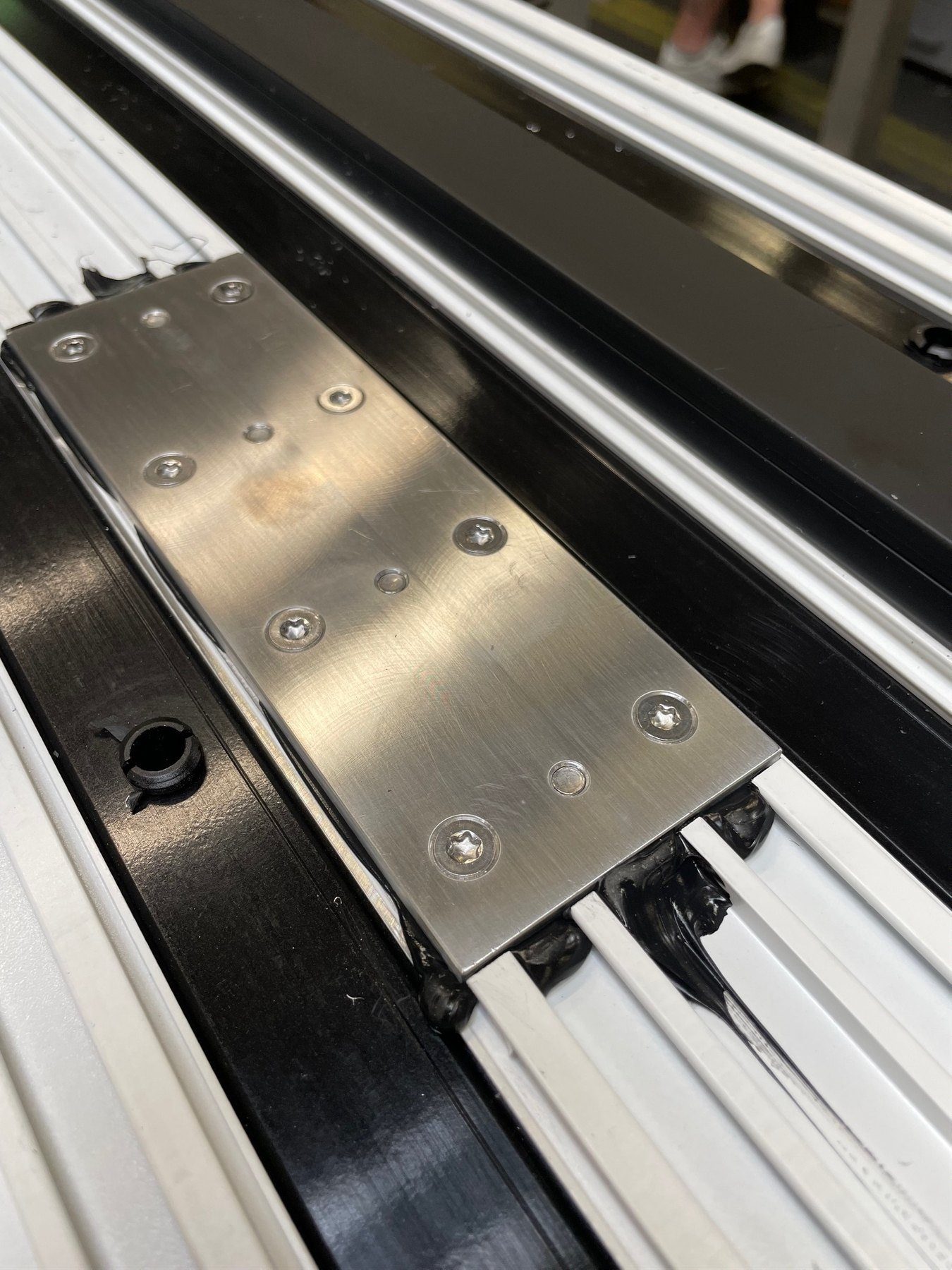
Minimal framing changes the scale at which the entire opening has to be considered. As glass panels become larger and sliding leaves become heavier, the loads that once belonged to a series of small mullions are concentrated into fewer supports, rollers, tracks and anchors. Jager shows examples of panels weighing around a tonne that can still be installed with relatively modest lifting equipment when access and sequence are planned. That apparent simplicity depends on accurate structural calculation, controlled deflection and hardware capable of carrying the leaf repeatedly over its service life.
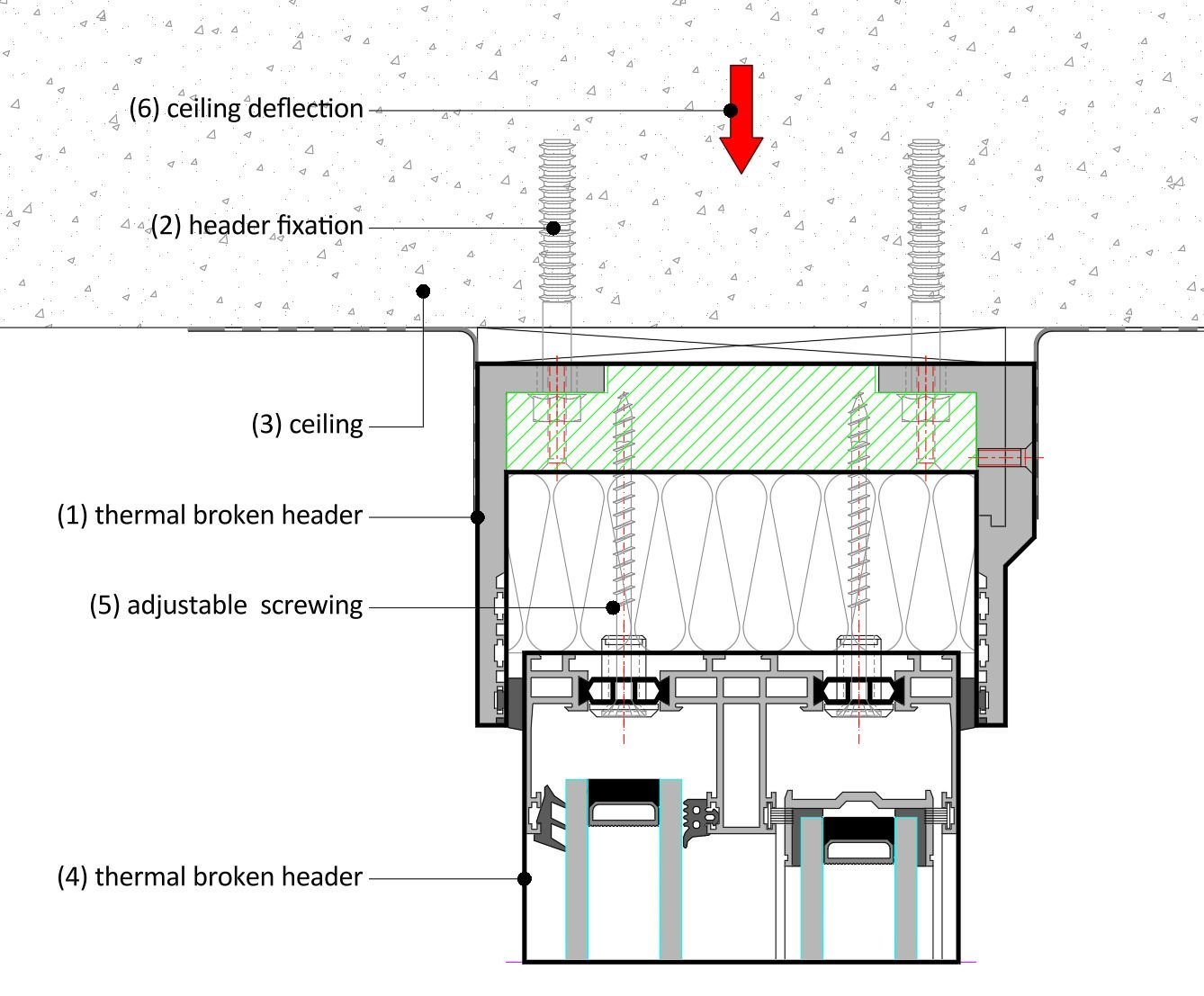
The same concentration of load makes tolerances more visible. A few millimetres of movement at the structure, sill or head can affect the operation of a very large sliding panel, while wind pressure on a broad pane can be significant even when the frame almost disappears from view. Minimalism therefore does not remove material intelligence; it hides it. Drainage, seals, thermal breaks and interlocks have to remain robust while the visual system persuades the eye that there is almost nothing there.
Comfort exceeds U-values
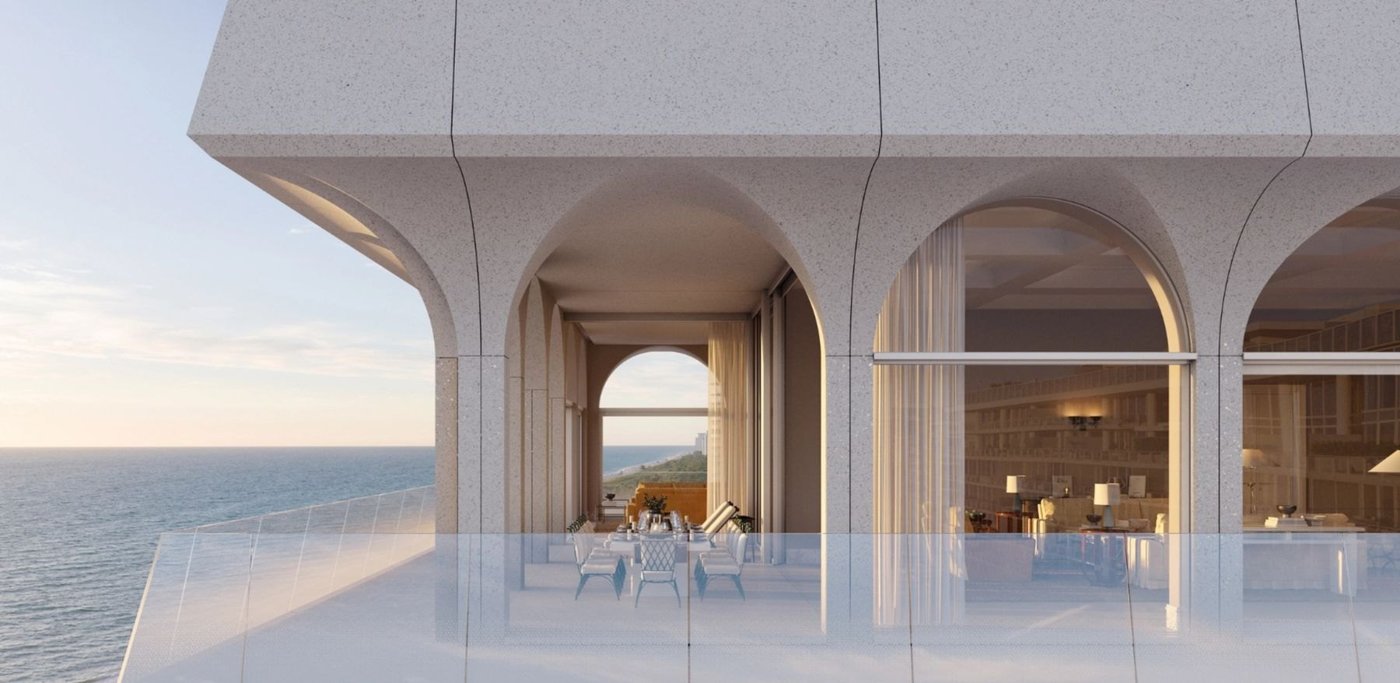
Jager's starting point is the occupied room and the psychological value of an uninterrupted view. Large areas of glass can strengthen connection to landscape, sky and city, and the disappearance of frame lines can make the opening read as one continuous surface. But that benefit brings other responsibilities. Solar gain, downdraught, glare, bird interaction, security and privacy can all become more pronounced as transparent area increases. The correct response is not to treat transparency as inherently good or bad, but to design the complete opening for the way the room will actually be used.
Longevity forms part of that judgement. A frame or hardware system that preserves movement, weather sealing and finish for decades may justify more initial material than one that needs early replacement. Jager repeatedly links sustainability to usable life rather than only to first-cost carbon. In a minimal façade, that is especially important because replacement of a single oversized component can be disruptive and resource-intensive. The environmental case for transparency therefore depends on durable mechanisms, realistic maintenance access and the ability to replace seals or hardware without discarding the entire assembly.