Harry Cliffe-Roberts framed adaptive reuse as a design discipline that must align commercial value, user experience and carbon while working with the constraints of an existing asset.

Harry Cliffe-Roberts framed adaptive reuse as a design problem that is becoming mainstream enough to need its own shared language, evidence base and commercial logic. His argument was not that every existing building should be preserved unchanged. It was that the industry still reaches too quickly for replacement because the systems that support transformation, definitions, data, finance, planning and market demand, are less mature than those surrounding new build. “Future fit” is the attempt to make that imbalance visible and actionable.
The carbon case is already large
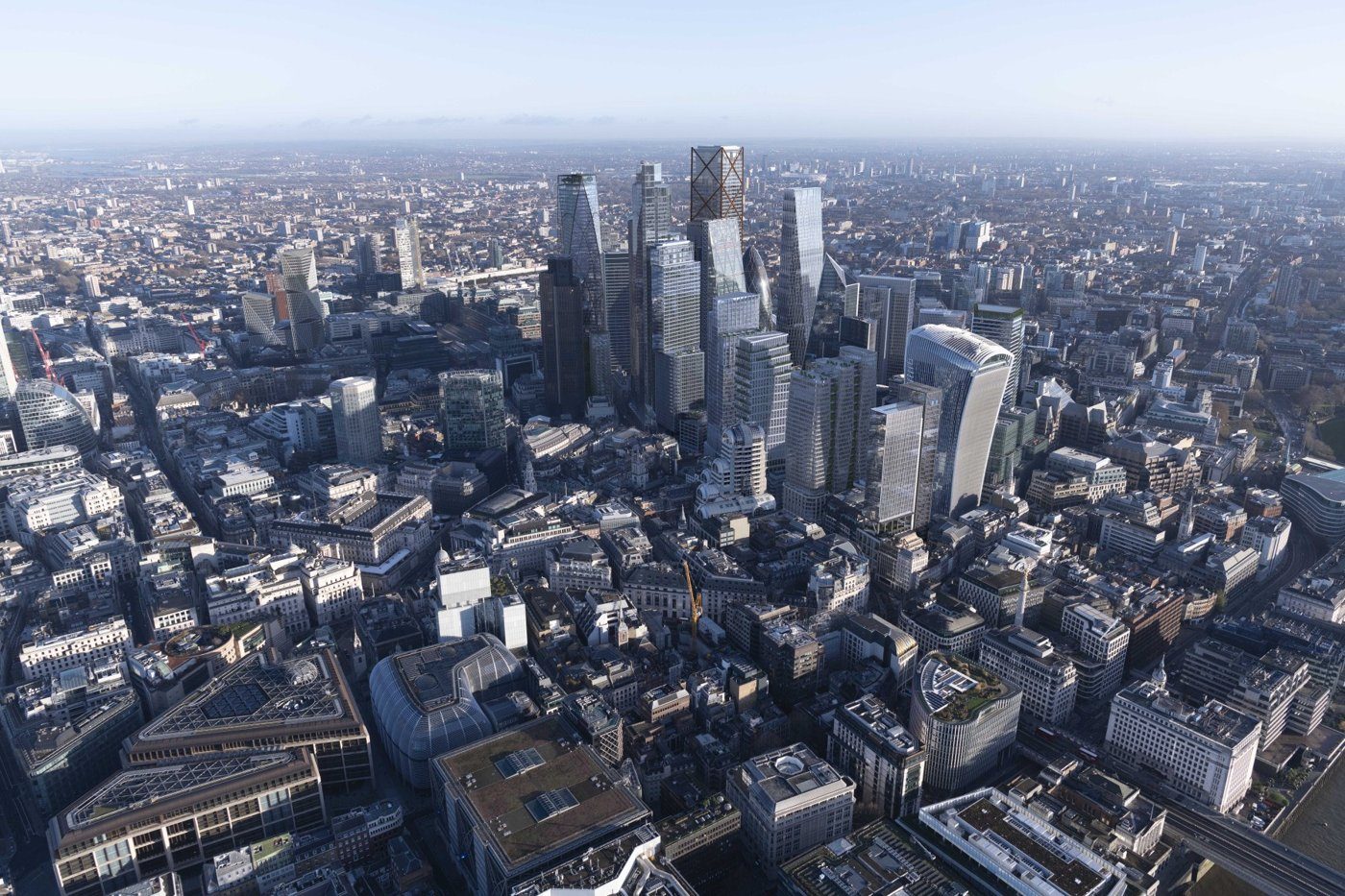
Cliffe-Roberts opened with the scale of the building sector’s contribution to emissions, citing roughly 40 per cent globally and 68 per cent in London when commercial and residential buildings are combined. For him, those figures make consumption as important as technical efficiency. Keeping structure, fabric and components in productive use reduces demand for new material before a more efficient replacement product is even considered. That does not make retrofit an exercise in freezing buildings in time. Existing assets still have to satisfy contemporary expectations for workplace quality, servicing, accessibility, resilience and commercial value. The real design task is to decide which parts carry useful value, which parts constrain the next life and how targeted intervention can make the whole asset competitive again.
The industry needs a common vocabulary
One obstacle is that retrofit, refurbishment, transformation, renovation and reinvention are often used interchangeably even when they imply very different levels of intervention. Cliffe-Roberts argued for standardised definitions that could align more clearly with the RIBA Plan of Work and with policy. Clear terminology would help clients, designers, planners and investors compare projects on the same basis instead of treating every proposition as an exception. The same applies to performance evidence. Case studies exist, but the data is fragmented between practices, clients and academic research. A transparent, open retrofit data ecosystem could make outcomes easier to benchmark and reduce the sense that each project must rediscover the same risks independently.
De-risking matters as much as design ambition
The Future Fit work brought together several cross-industry themes: standard definitions, open data, retrofit-specific financial models, policy and planning that favour reuse where appropriate, and stronger demand signals from tenants and occupiers. The point is that good design alone cannot overcome uncertainty in warranties, valuation, programme or investment. A project becomes easier to fund when the market can see precedents and understand what has actually performed. Cliffe-Roberts also challenged the assumption that retained buildings must accept second-tier outcomes. Carefully targeted interventions can support high environmental accreditations and strong user experience without replacing every system. The question is where intervention creates the greatest combined improvement in carbon, adaptability and value.
Future fit means designing the next change now
The most useful definition is forward-looking. A future-fit building should be able to accommodate changing uses, changing climate conditions and changing expectations with less destructive work next time. That pushes designers to think about flexible servicing, accessible components, reversible connections and layouts that do not lock the building into one narrow programme. Covid exposed how quickly assumptions about use can change; climate risk adds a longer-term version of the same lesson. For Cliffe-Roberts, transformation should therefore be judged not only by how much of today’s building is retained, but by whether the work makes tomorrow’s adaptation easier.
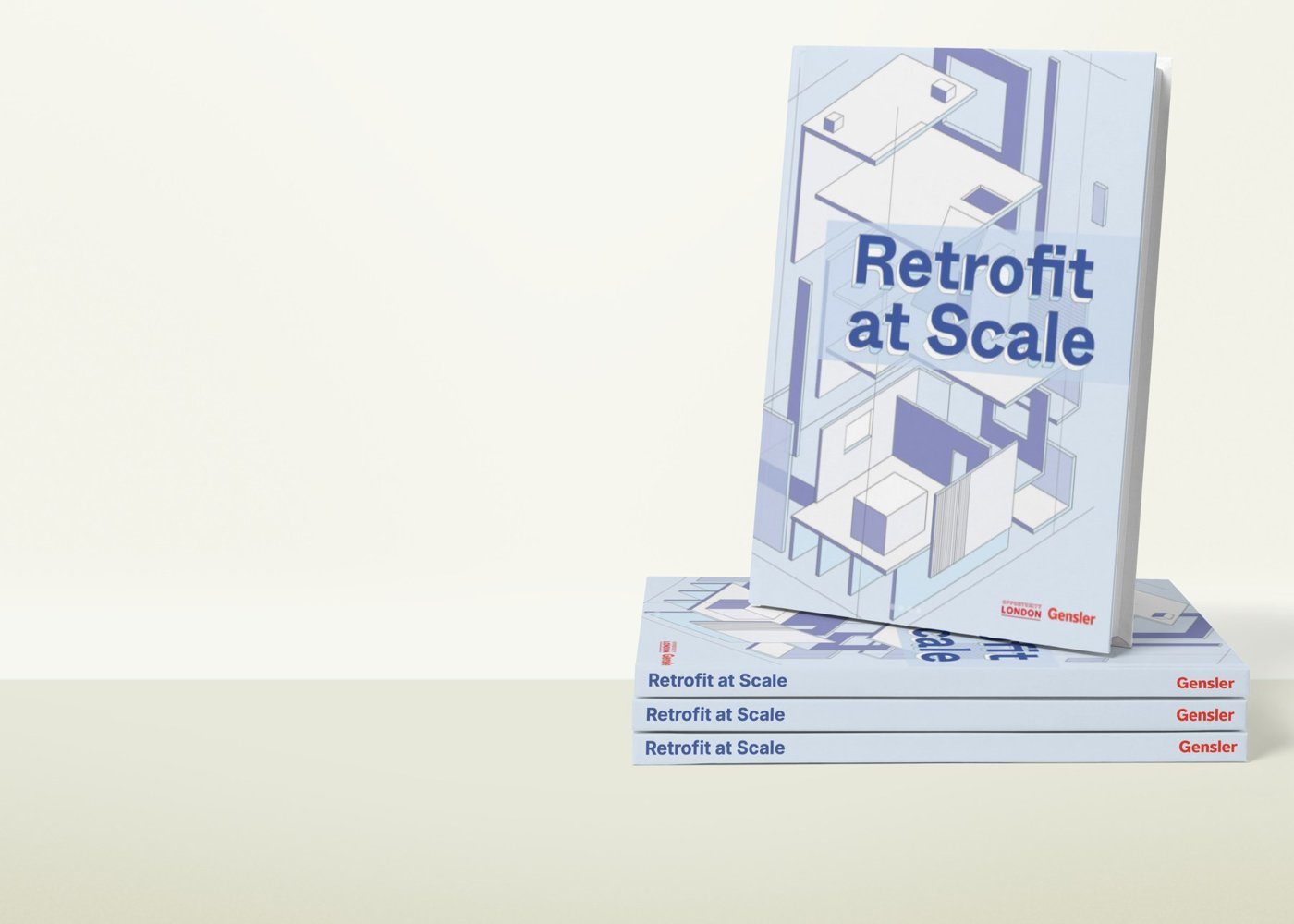
The guide’s recommendations were deliberately broader than design technique. Retrofit-specific finance can reduce the premium investors attach to uncertainty; policy can reward retention without making it automatic; tenant demand can give owners confidence that transformed space will remain marketable. Education also matters because many designers are trained around blank-site projects even though more of their future work will involve existing assets. Cliffe-Roberts’ “future fit” label tries to connect those conditions so reuse becomes a normal investment and design route rather than a specialist exception.