Malvinder Singh Rooprai set out how the stiffness of an ionoplast interlayer governs what a laminated glass panel does after it breaks, why flood barriers are becoming a new application for structural glass, and how counterfeit material is being tackled through digital tracking.
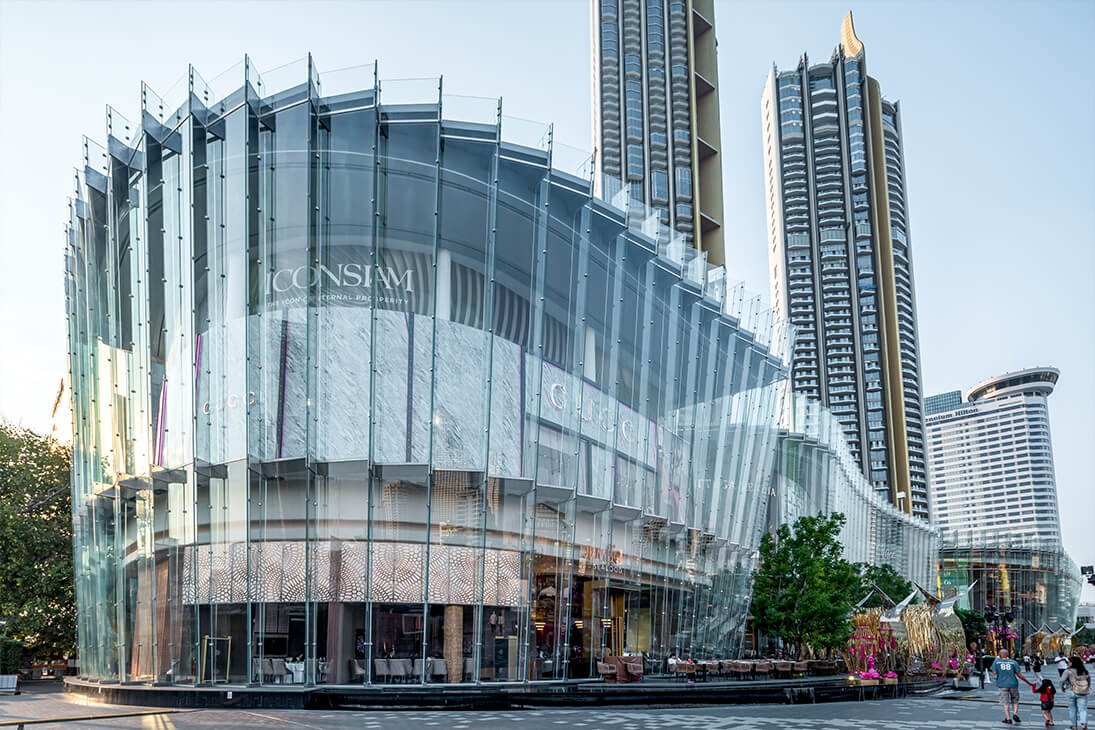
Kuraray is a chemical company with a presence in around 31 countries and some 52 manufacturing facilities worldwide, producing polymers for industries as varied as healthcare, paint and textiles. Malvinder Singh Rooprai explained that a number of those polymers find their way into construction, and specifically into the lamination of glass. The company's interlayer portfolio divides into two families: structural interlayers on one side and non-structural interlayers on the other. His focus was the structural side, and in particular the ionoplast family sold under the SentryGlas name, a material that has been used on mega projects around the world over the past two to three decades and has, in his words, become the choice of engineers.
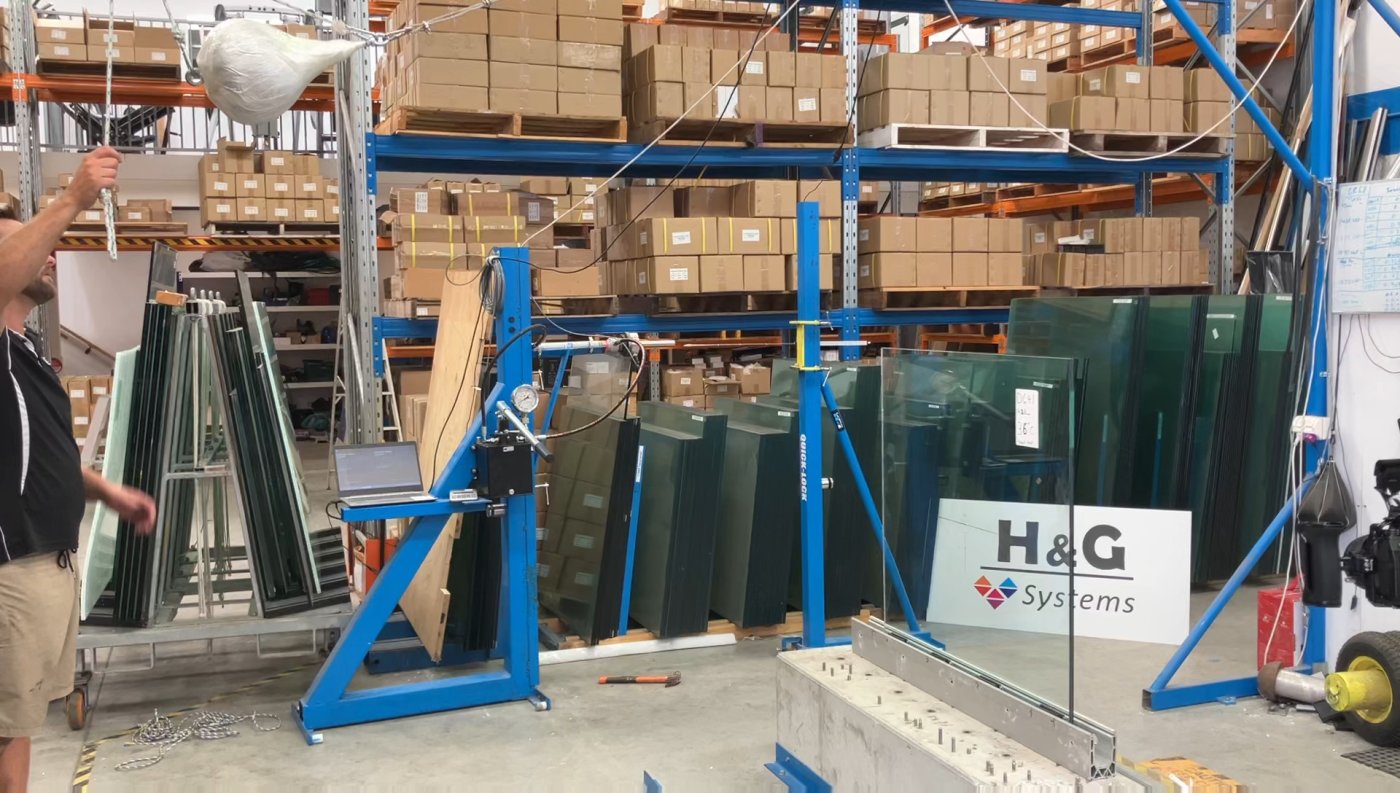
The parameter that separates ionoplast from other interlayers, Rooprai argued, is Young's modulus, and it is the figure façade consultants and engineers look at most keenly. He showed an impact test carried out by a customer in Australia on a balustrade build-up, alongside the same test performed on a structural PVB from other manufacturers. In both cases the impact was large enough to break the glass; what differs is what happens next. Post-breakage behaviour, he said, is controlled entirely by the stiffness of the interlayer, and because the ionoplast is considerably stiffer, and holds that stiffness at elevated temperatures, it outperforms the alternatives once the glass has failed.
From balustrades to flood walls
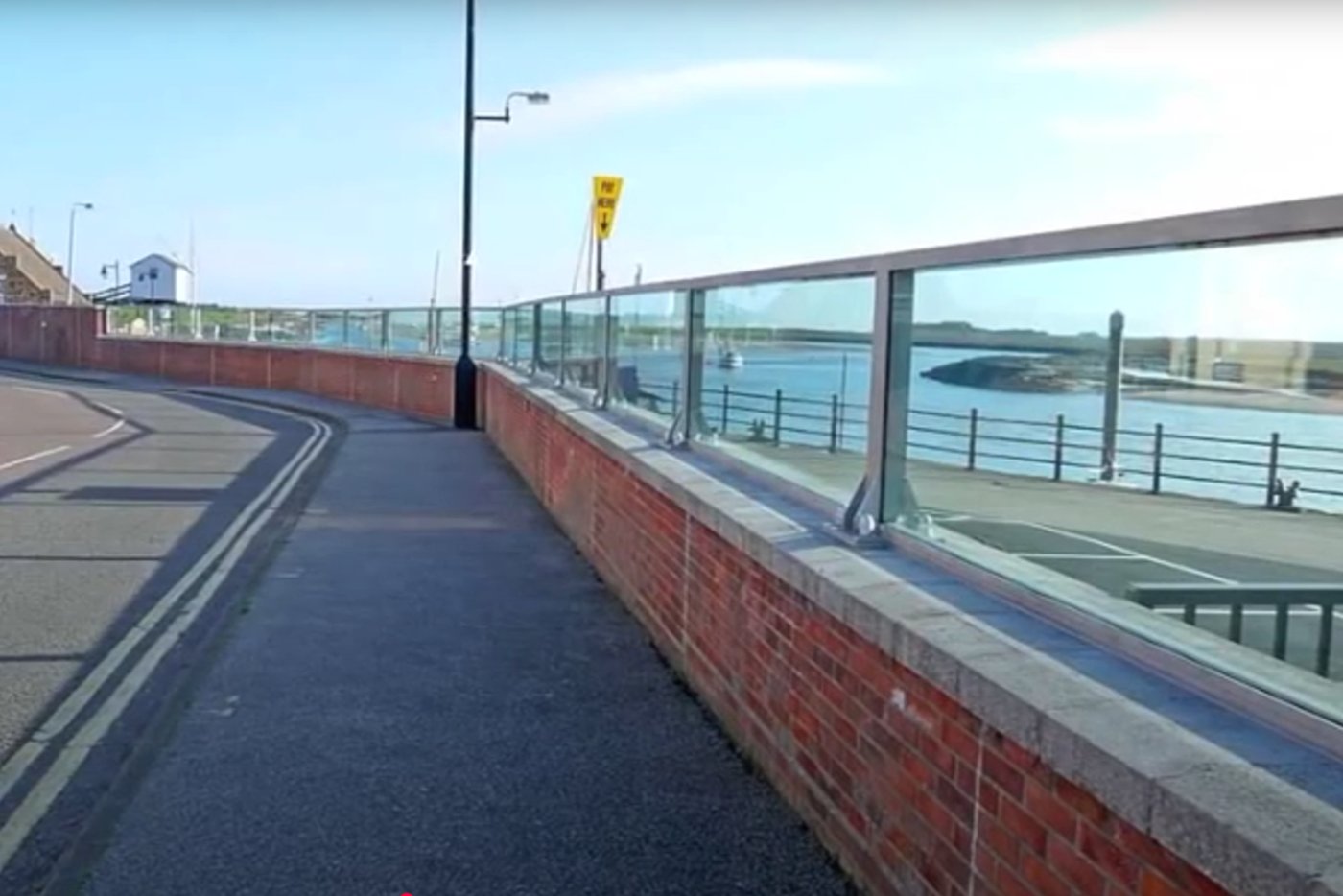
The second property Rooprai highlighted is performance at open edges. The material can pass 5,000 hours of salt spray testing, which makes it suitable for applications where the laminate edge is exposed to the environment without delamination. That opens the door to an application he described as genuinely new: glass flood barriers. Conventional barriers, he noted, are assembled from wooden planks and are hardly appealing to the eye, whereas a glass wall performs the same defensive job while remaining transparent. The company's claims for the build-up are resistance to hydrostatic pressure, debris impact and prolonged submersion, with higher post-breakage integrity and over triple the hydrodynamic pressure tolerance of PVB. Preparing his material, Rooprai found that Bangkok's key infrastructure is itself considered at risk of flooding within the next 25 years, which he took as an argument for preparing now.
Knock-offs and digital fingerprints
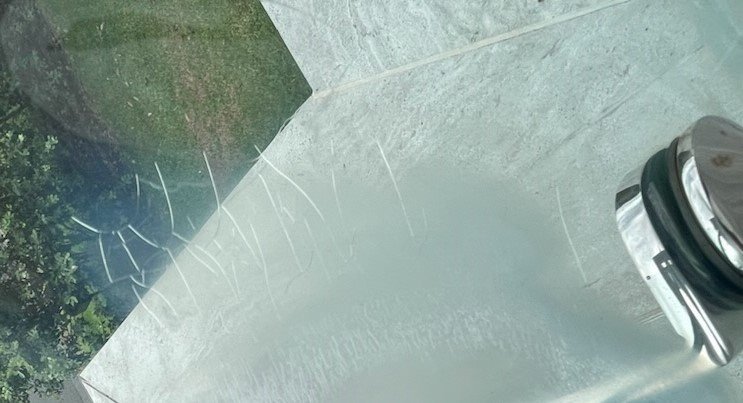
Rooprai was blunt about imitation products. Other interlayer manufacturers have tried to copy the ionoplast, he said, but the performance of the knock-offs is not comparable, and he asked specifiers to write SentryGlas rather than SGP, describing the latter as a fake product coming from China. He showed reported failures from such material: pronounced haze in glass fin applications, and an interlayer that developed cracks at an airport project in China before the work was even complete. To answer the question consultants keep asking, how to tell whether the material supplied is genuine, the interlayer can now carry a digital fingerprint, a unique identifier tied to a blockchain-based tracking system that records each movement and each pair of hands the material passes through, from factory to site.
Two additions to the range are due this year. The first is an acoustic version, which Rooprai described as a super interlayer because it combines structural strength and acoustic performance in a single layer, removing the need to specify two interlayers on one project. The second is a grey version: until now the ionoplast has been available only in transparent and translucent white, so projects wanting a grey element in the façade had no equivalent structural option. Both, he said, will be launched at glasstec in Düsseldorf.