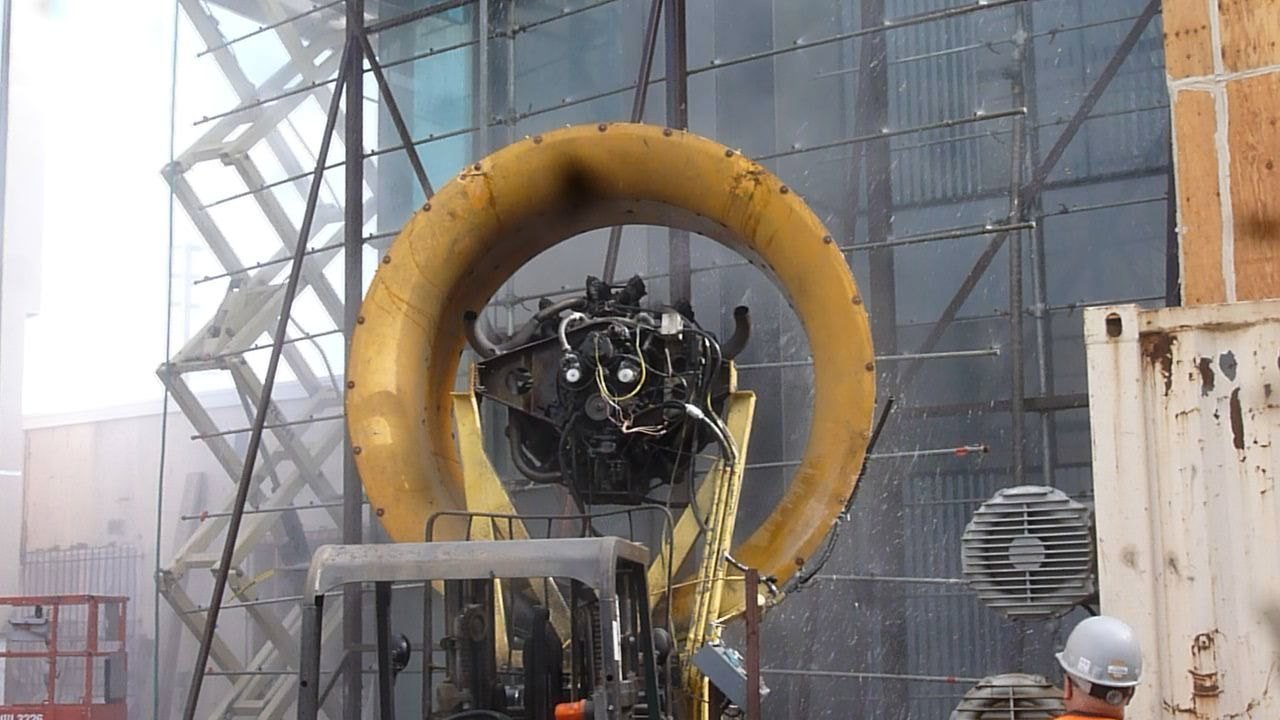
Joseph Schettino argues that façade failures rarely begin with indifference; they arise when performance intent is lost at interfaces. Analysis, coordinated detailing, testing and installation verification create the evidence needed to keep an enclosure working from concept to completion.

Performance starts early
Schettino begins with analysis because wind, rain, temperature, geometry and orientation determine what the façade will be asked to resist. Understanding those exposures allows the design team to set realistic criteria for water management, structural movement, thermal continuity and air control before a catalogue detail is selected. The objective is to make performance intent explicit enough that later decisions can be checked against it.
Mock-ups test hard conditions
Schettino treats mock-ups as design tools rather than ceremonial tests. The useful specimen includes corners, transitions, penetrations and other difficult conditions, not only a perfect typical bay. Water, air and structural testing can then expose weaknesses while the project still has time to revise details. Visual mock-ups can also settle expectations for glass, sealant, joints and cladding before large quantities are fabricated.
Site checks close gaps
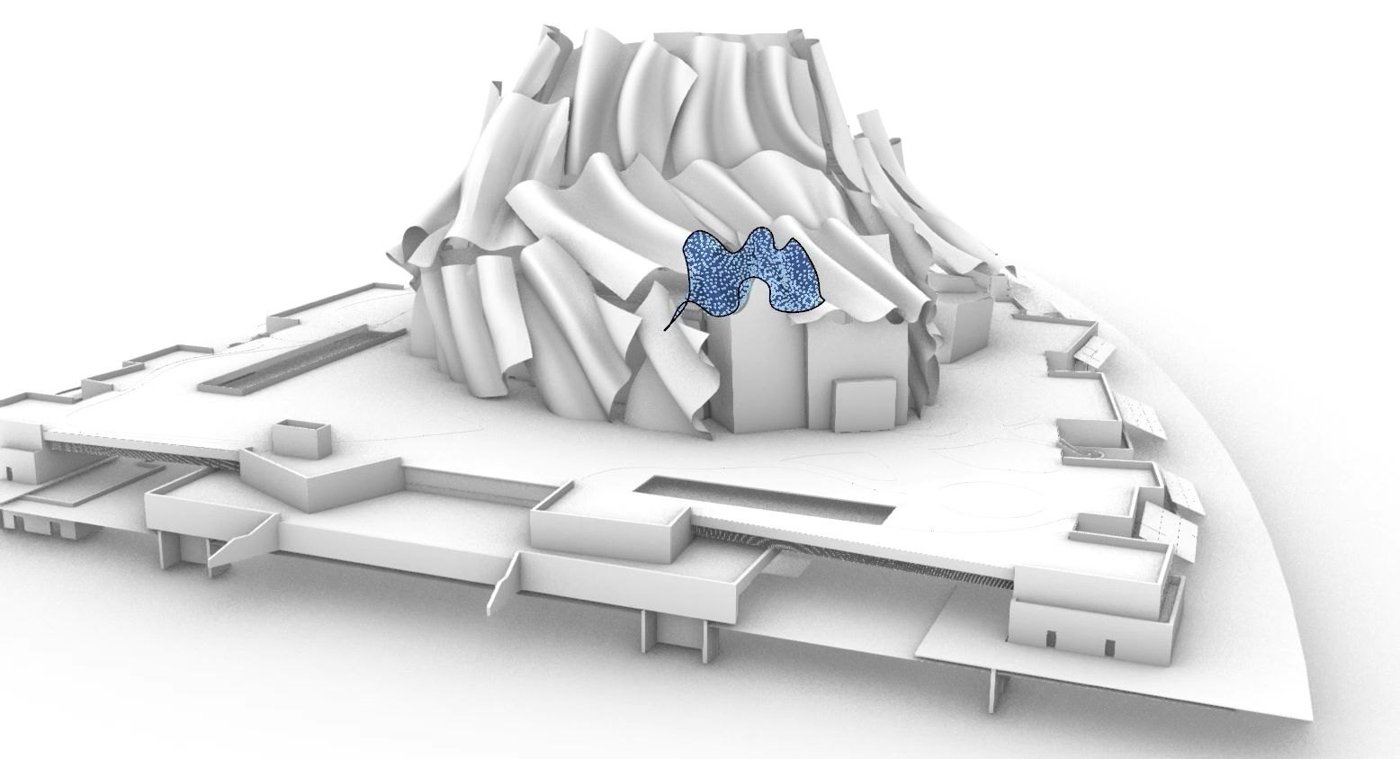
Installation observation is therefore the final part of the process. The enclosure consultant needs to see representative work, document deviations and communicate corrective action clearly enough that it is implemented. Photographs, field reports and targeted testing help distinguish isolated workmanship issues from systemic details that require redesign.
Intent needs traceability
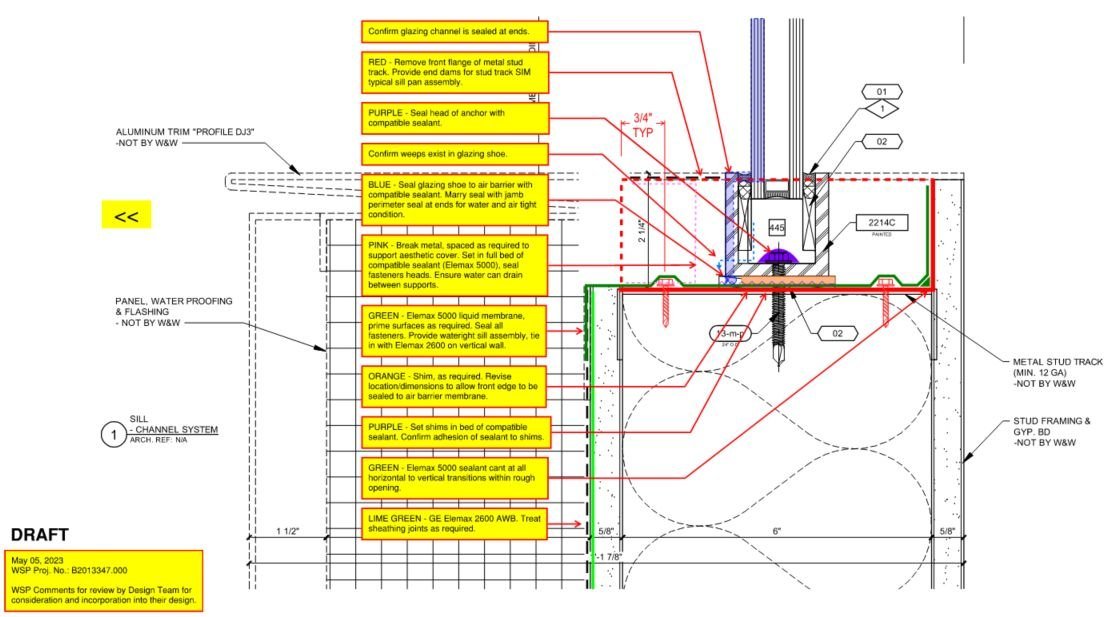
Schettino's consultant perspective treats the façade as a chain of decisions in which each stage should be able to point back to a defined requirement. Air leakage, water penetration, structural movement, thermal performance and condensation control begin as criteria, but they become real only when a detail shows where the barrier continues and how components move relative to one another. If the design documents describe performance only at a high level, shop drawings may solve individual parts without preserving the complete enclosure logic.
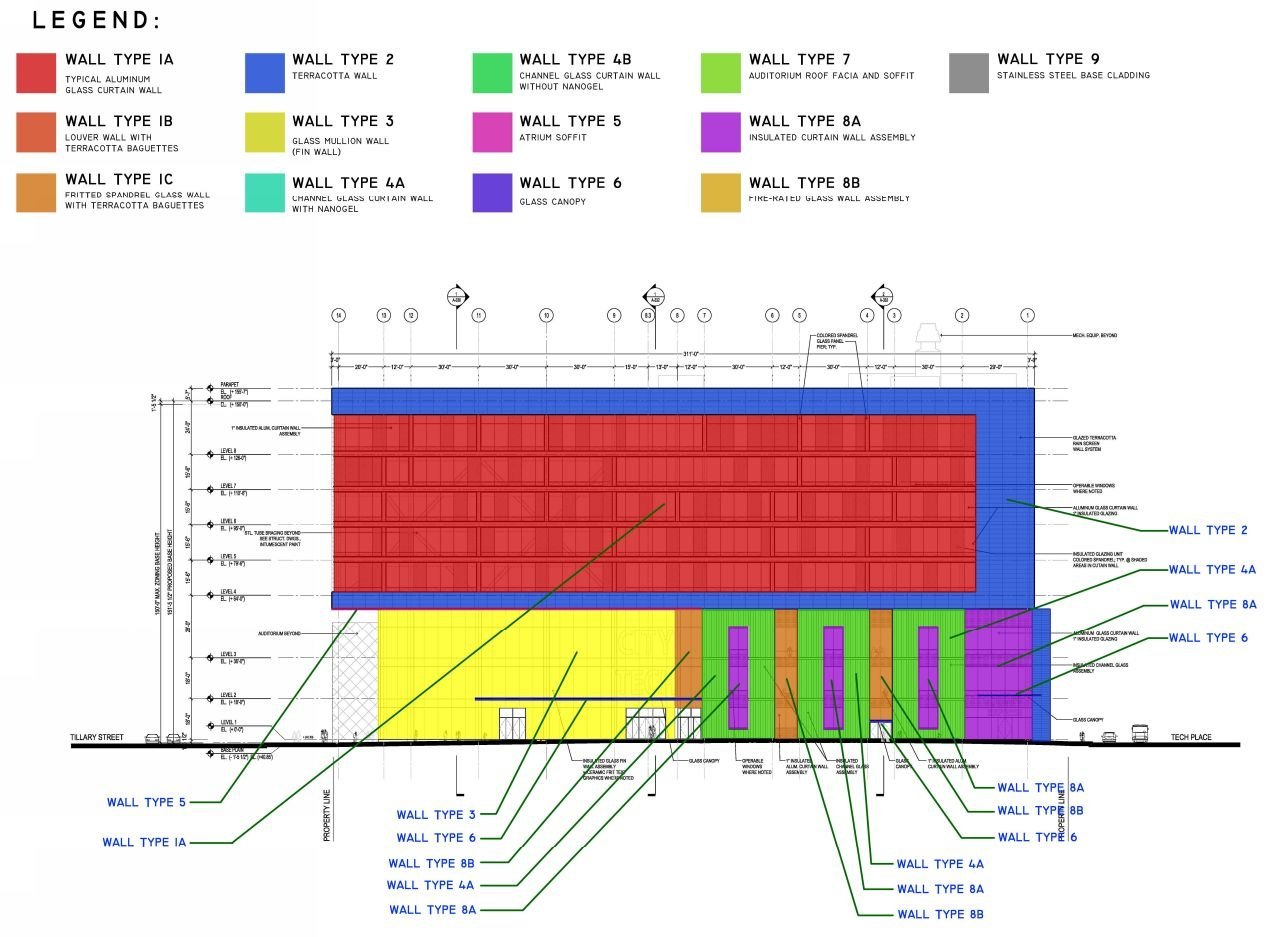
This is particularly critical at transitions. Curtain wall meeting roofing, window wall meeting slab edge, rainscreen turning into soffit and expansion joints crossing multiple layers all combine work by different trades. The centre of each system may be well tested while the interface is unique to the project. Schettino's emphasis on coordinated details is therefore an emphasis on responsibility: someone has to see the continuous air, water and thermal control layers across the boundary between packages.
Testing should diagnose causes
Mock-ups and site tests should be designed around the conditions most likely to expose weakness. A simple typical bay may confirm workmanship but miss the corner, sill, transition or movement joint that governs real risk. When leakage occurs, the test becomes a diagnostic tool. Pressure, spray location and sequential isolation can help the team understand whether water entered through glass seals, perimeter joints, pressure-equalised cavities or adjacent construction. That information is far more valuable than a pass/fail label without a root cause.
Installation verification then carries the lesson into production. Repeated observations, adhesion checks, membrane laps and fastener review are not bureaucracy if they focus on the details that control performance. They create evidence that the installed façade still corresponds to the design and the tested assembly. The broader principle is simple: reliable envelopes are produced by feedback loops. Analysis informs details, details inform mock-ups, mock-ups refine installation, and field verification confirms that the refined process is being repeated.