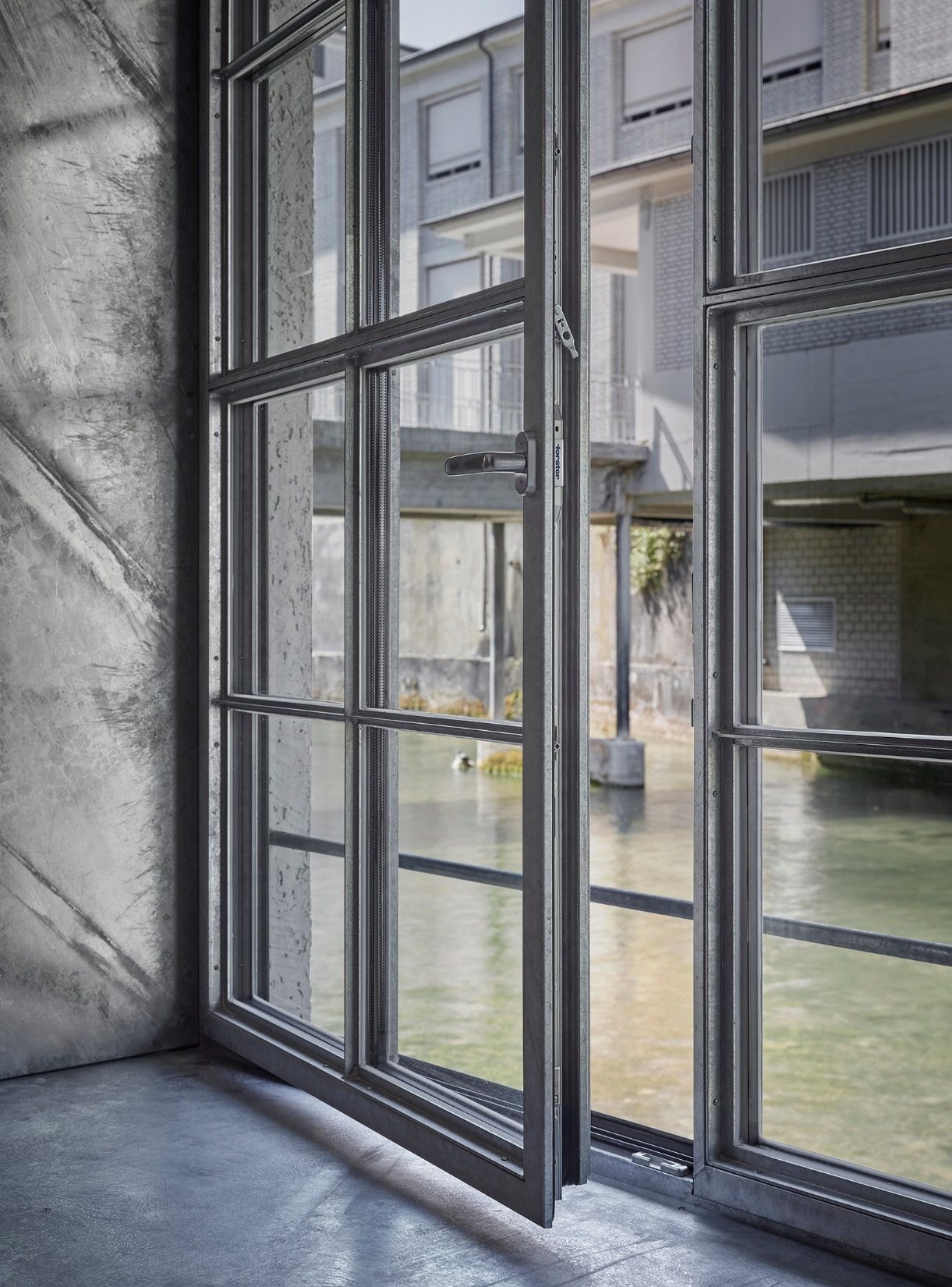
Thomas Miller makes the case for cold-formed steel façade systems as a way to achieve narrow sightlines, robust fire-rated openings and high recycled content, provided coatings, testing and fabrication are treated as part of the system.
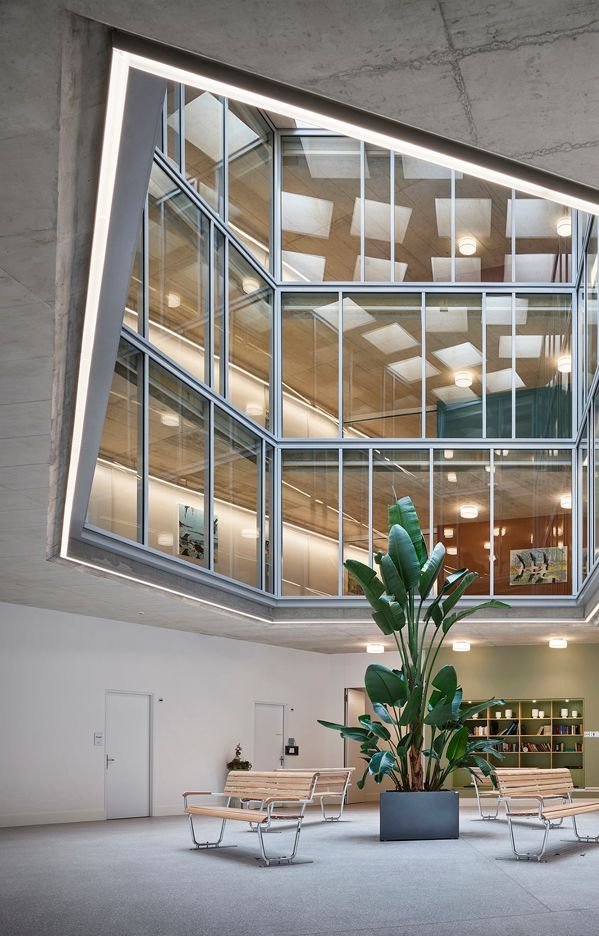
Strength enables slender profiles
Cold-formed steel profiles can carry higher loads with comparatively slender sections, which is useful where architects want narrow frames around large areas of glass. Miller links that structural efficiency to steel’s established role in fire-rated doors, windows and curtain walls. The material itself does not remove the need for tested assemblies, but it can provide a stable frame around fire-resistant glazing and seals when the system has been engineered and assessed as a whole.
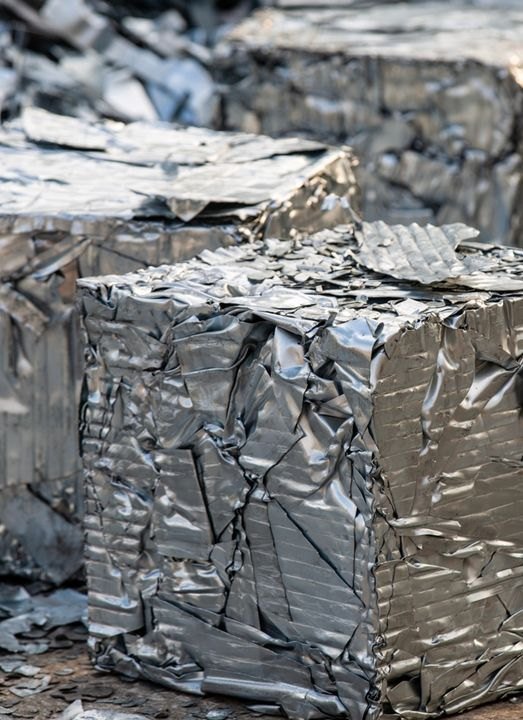
Carbon goes beyond recycling
Miller describes steel with a high recycled fraction and argues for discussing 'low-carbon steel' rather than relying on a vague green label. Recycled feedstock, electric production routes and future recyclability can reduce the material’s environmental burden, but the façade designer still has to consider how much steel is actually required, how long the system will remain in service and whether components can be separated at end of life.
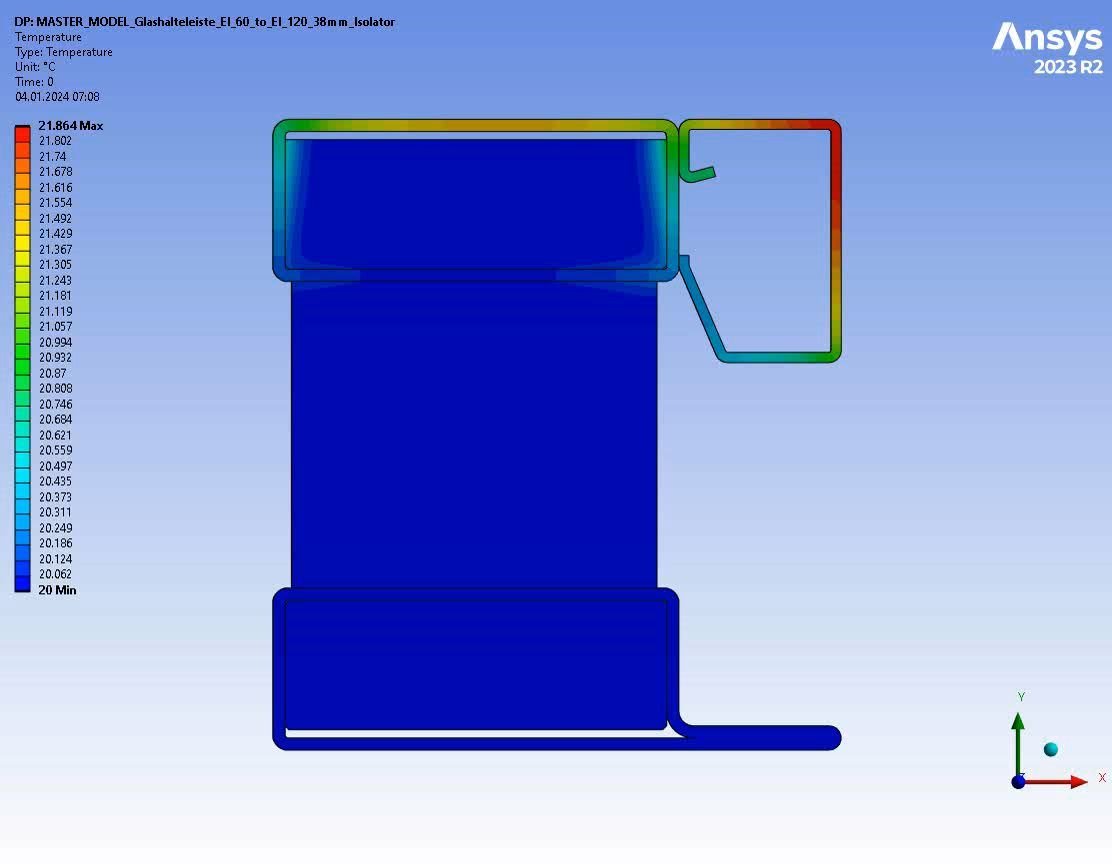
Simulation guides fire testing
Fire testing is expensive and late failure can disrupt an entire project. Miller therefore emphasises simulation and pre-engineering before physical tests, using analytical tools to understand likely deformation and temperature behaviour. Simulation does not replace certification, but it can focus testing on solutions with a higher probability of success.
Slenderness shapes fire strategy
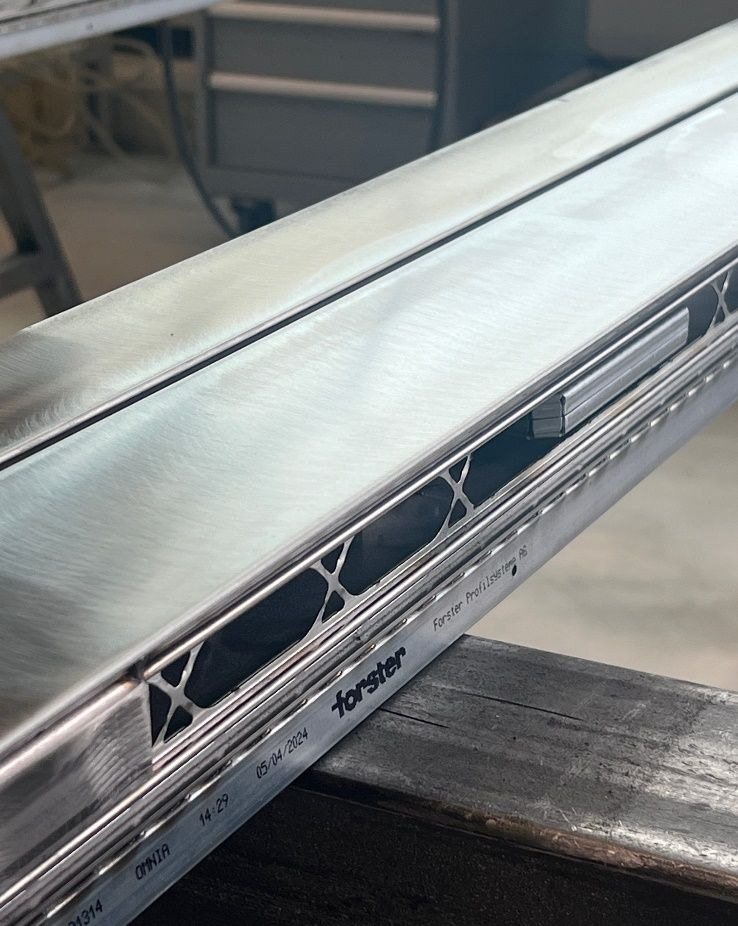
Steel earns its visual advantage because its strength allows narrower profiles than many comparable aluminium systems. That can be important in historic contexts, large punched openings or curtain walls where the architect wants the frame to read as a fine line rather than a dominant grid. The same material also brings a different response to heat, which is why fire-rated steel windows and curtain walls can be engineered as tested assemblies rather than relying on applied protection to a conventional non-rated system. Miller's examples place aesthetics and life safety in the same frame rather than treating fire-rated openings as visually separate products.
The design still has to account for thermal bridging and condensation. A narrow sightline is not a licence to ignore the heat flow through metal; profile geometry, thermal breaks, glass edge conditions and interior humidity all affect surface temperature. In that sense, the best steel façade is not simply the thinnest one. It is the thinnest section that can satisfy structural, thermal and fire demands without creating maintenance or comfort problems at the perimeter.
Testing follows simulation
Fire testing is costly, so early engineering should be used to understand which details are most likely to govern performance. Miller describes simulation and system development as ways to reduce uncertainty before a full test, but not as substitutes for the test where a rating is required. Glass type, frame section, anchors, sealants and the surrounding wall all influence the behaviour of the opening under fire exposure. Changing one element after certification can therefore move the design outside the evidence on which the rating depends.
That assembly logic also matters to sustainability. Steel can contain substantial recycled content and can be recycled again, but the environmental benefit is strongest when durable profiles stay in service and when replacement components remain available. A fire-rated façade is a long-lived safety system, not a short-term finish. Design teams should therefore consider coating durability, corrosion exposure, reglazing and hardware replacement at the same time as they pursue narrow sightlines and material circularity.