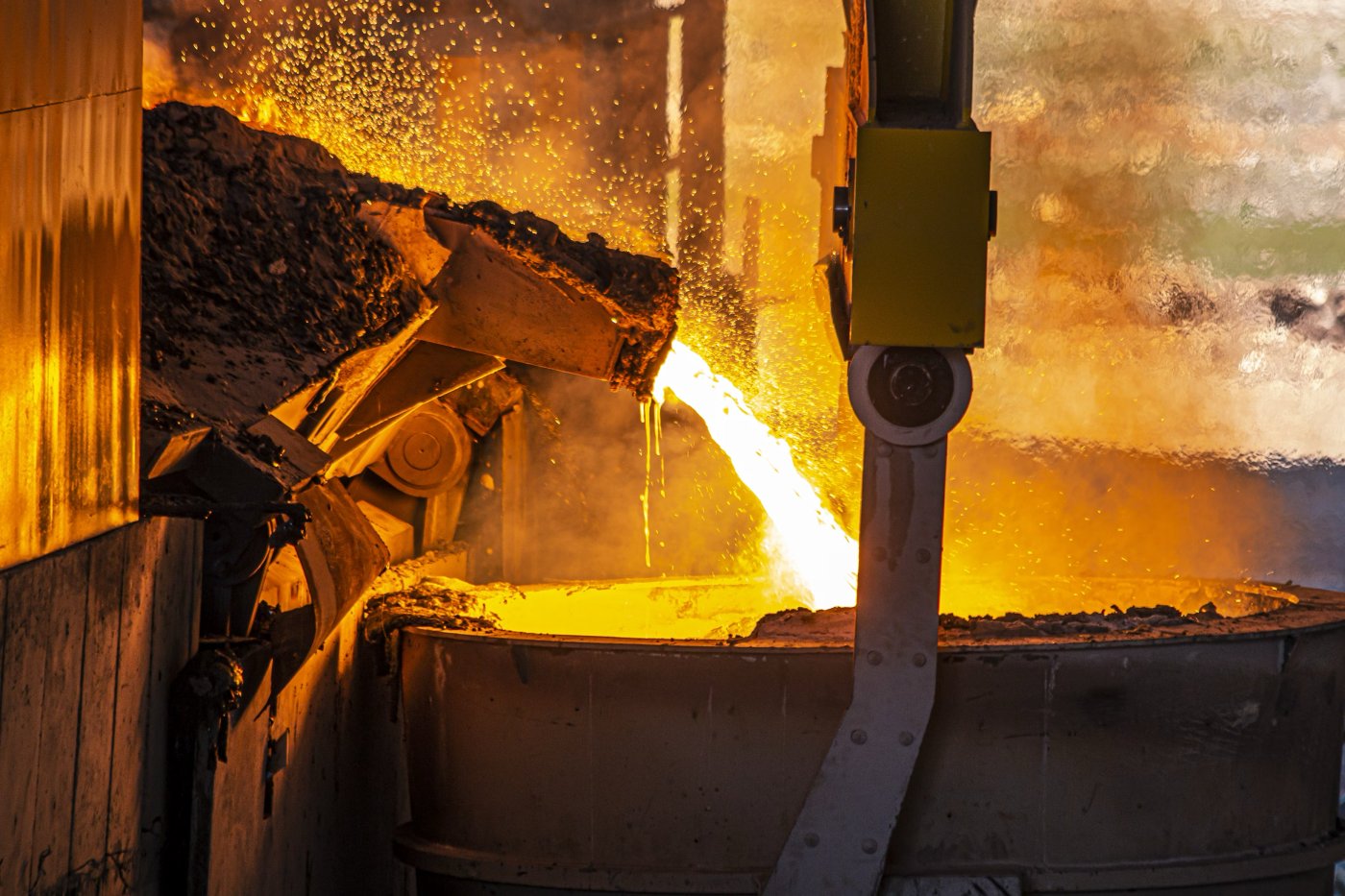
Robert Miller argued that sustainable architecture is the same job with a longer list, and used a power station’s restored steel windows to make the case for spans, connections and a material that survives being recycled.
Robert Miller opened with a framing he had borrowed from an architect and liked enough to build a talk on: the work behind sustainable architecture wants demystifying. The object has not changed – it is still to make beautiful buildings – and what has been added is a few more items on the list. Build them efficiently, maintain them well, and make sure that when somebody has to change something in thirty years they can do it without taking the building apart. Everything that followed was that list applied to one material.
Jansen makes steel frames rather than windows: the frames go to local manufacturers who build the elements and install them. The company is a hundred years old, started in steel tube, and after the Second World War began bending those tubes into architectural profiles. In 2021 it narrowed to architectural steel, on the reasoning that tube and architecture had become two different businesses.
What a 1920s window already knew
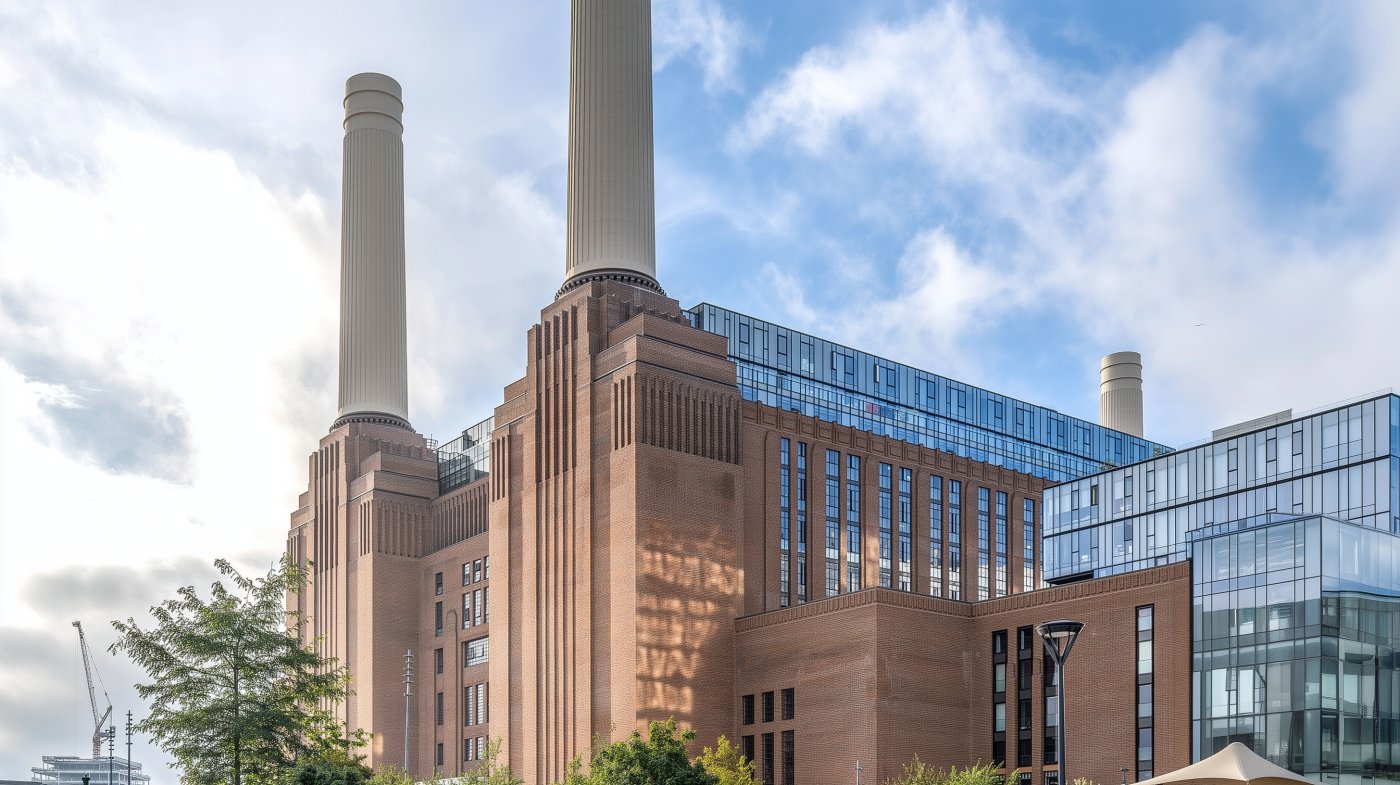
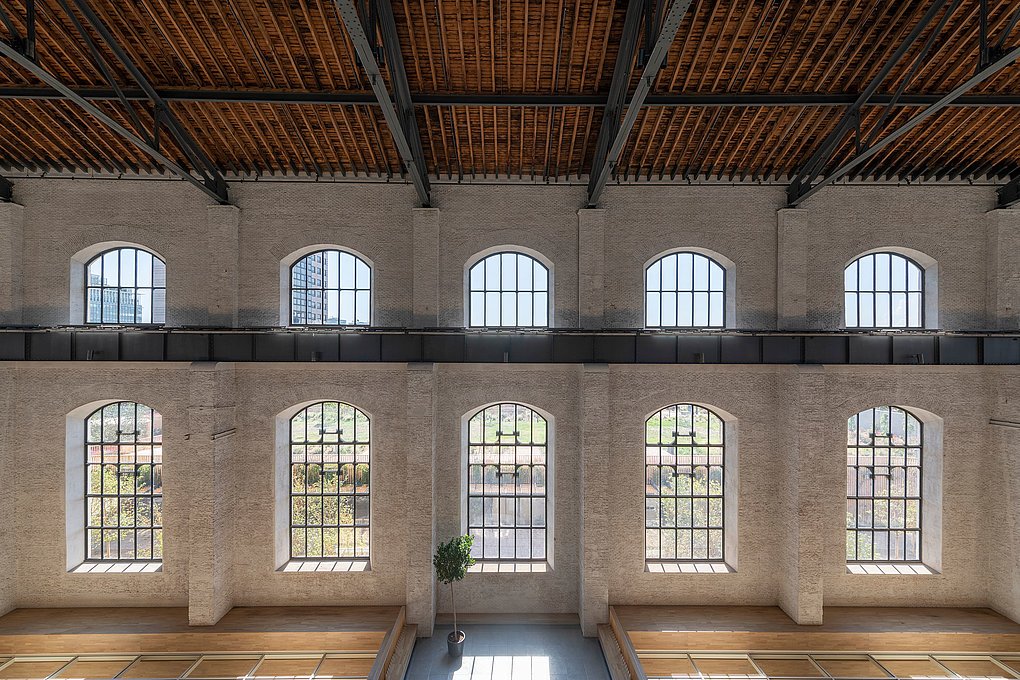
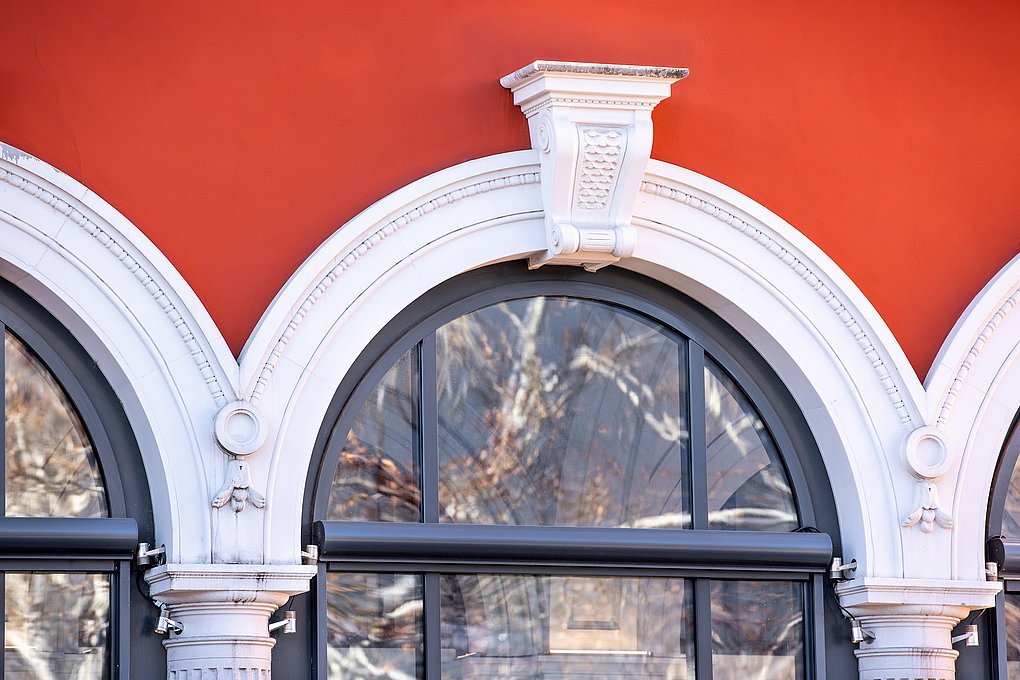
Battersea Power Station is the case that carries the durability argument, and Miller used it for the awkward question underneath restoration rather than the easy one. The building was designed in the 1920s, built in 1928, commissioned in 1933, ran for fifty years and was decommissioned in 1983. Its steel windows came from a manufacturer in Manchester. When the 2012 ownership turned it into a mixed-use building, the windows were reworked with a thermal break – so the 1920s appearance and the intent of the engineers who drew it both survived, with modern performance behind them. Not only U-value: the Thames is on one side and a road on the other, so sound and air permeability mattered as much.
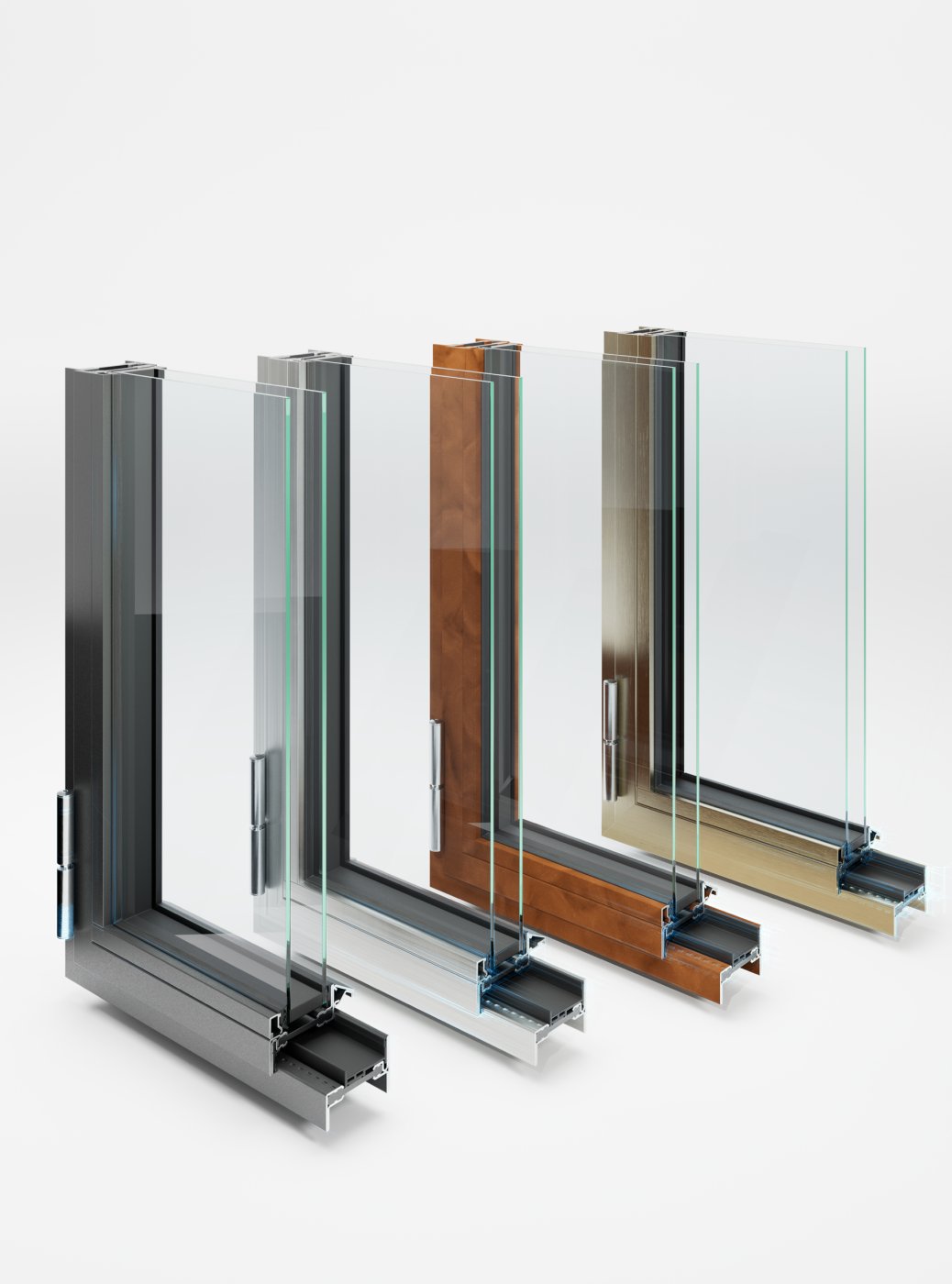
The same detail then became a family – windows and doors, in steel, stainless steel and weathering steel, with brass bronze arriving in North America next year. Weathering steel raises the question restoration usually avoids asking out loud. If a building has spent forty years rusting and that is what people picture when they think of it, which condition is being replicated: the drawing from the 1920s, or the thing everybody recognises?
Two things to design for
For new work Miller made two arguments, both about designing with the material's properties rather than around them. The first is span. Steel is roughly three times stronger than aluminium – a rule of thumb he called the factor of three – so a span achieved in aluminium takes about three times the material, which lands directly on embodied carbon. Designing with steel in mind means expanding spans rather than substituting profiles into a drawing made for something else.
The second is connections, and it is the one most likely to be skipped. Think about the people who will take the thing apart in the future. Welded connections make that very difficult; anchored ones do not. He noted that some European connection details were designed to make installation easier, and that the same technology turns out to make removal easier too – the two goals are not in tension as often as assumed.
What a certificate actually rewards
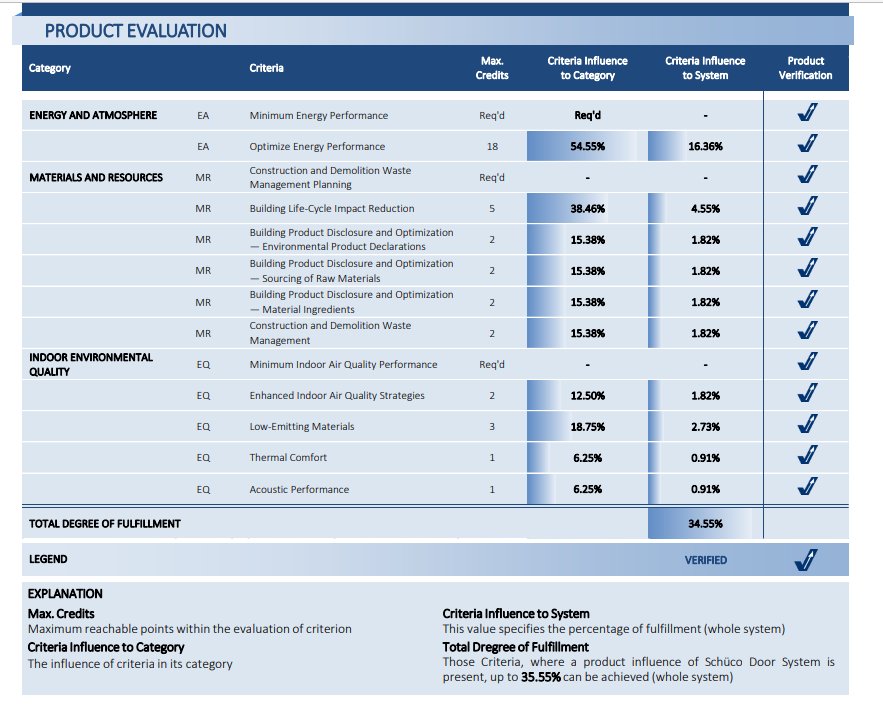
On certification he was careful about a distinction that gets lost: building materials are not certified, buildings are. A material influences the result indirectly. Jansen's own assessment, taken through a third-party consultancy, put their influence at roughly 56 per cent of the categories – materials and resources, indoor environmental quality, and the largest of them, energy and atmosphere, which is about how much the finished building will use.
Behind the durability claim – 75 years for windows and doors, a hundred for façades – sits the same evidence as the restoration: a 1928 design still structurally sound, needing only a thermal break to meet a modern specification. And behind the circularity claim sits a difference worth stating plainly. Recycle steel and it stays steel, retaining its strength through repeated cycles. Aluminium travels downward: a large item becomes a drinks can, and the can becomes a pen.