


Eric Claeys set out why he will not use silicone or structural glazing, why he thinks the industry is arguing about the wrong fifth of the carbon, and what it costs to replace glass in a wall that was built to be lifted whole.
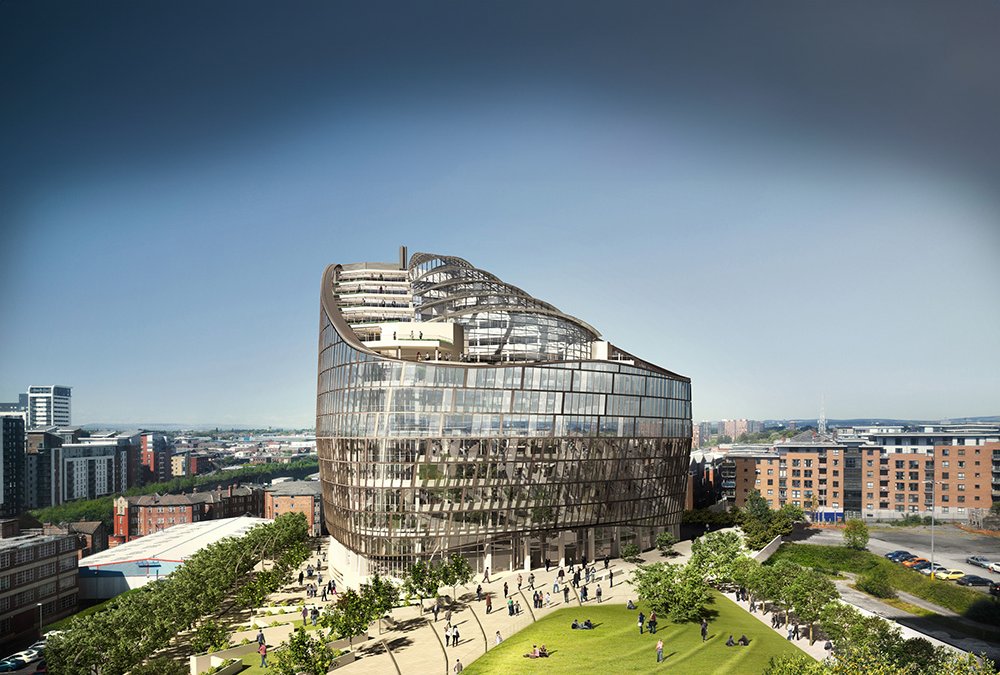
Eric Claeys opened with a definition he thinks the industry has stopped holding onto: a curtain wall is an envelope hung on a primary structure, governed by two sciences – building statics and building physics. His complaint is that both are routinely treated as somebody else's problem. Buildings used to arrive with a primary structure; now, he said, what arrives is a lasagne that moves when you stand on the end of it, and a curtain wall is asked to sit on that.
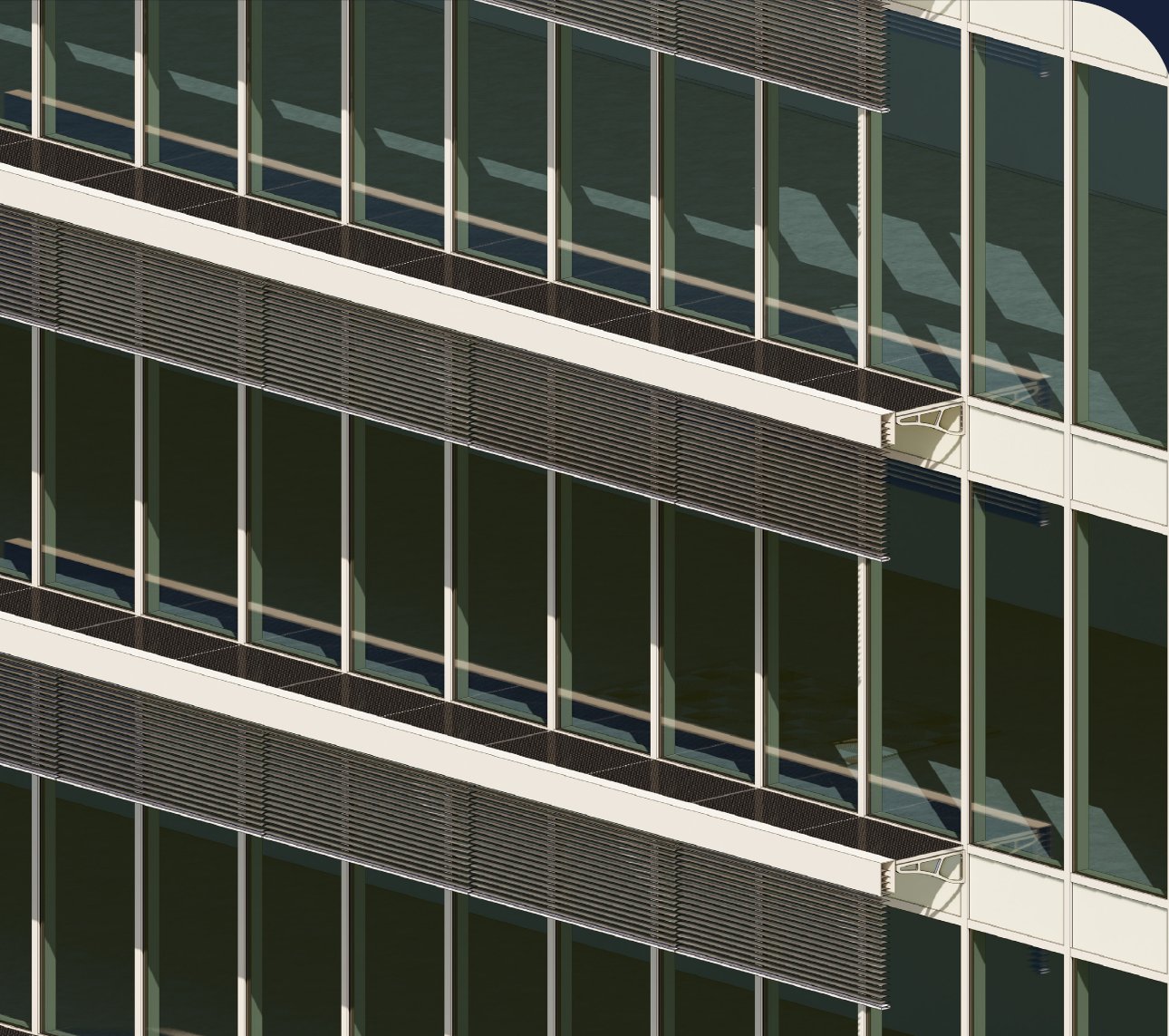
The physics half is the greenhouse effect, and his argument there is a matter of proportion. More glass means more sunlight entering, trapped, becoming heat. Avoid that and the heating and cooling capacity can come down by half. Set against the carbon arithmetic the industry spends its time on – roughly 20 per cent embodied, 80 per cent operational – his position is that the discussion has settled on the smaller number. The embodied fifth is a debate in the margin; the operational four-fifths is the thing a façade can actually move.

Two materials he will not use
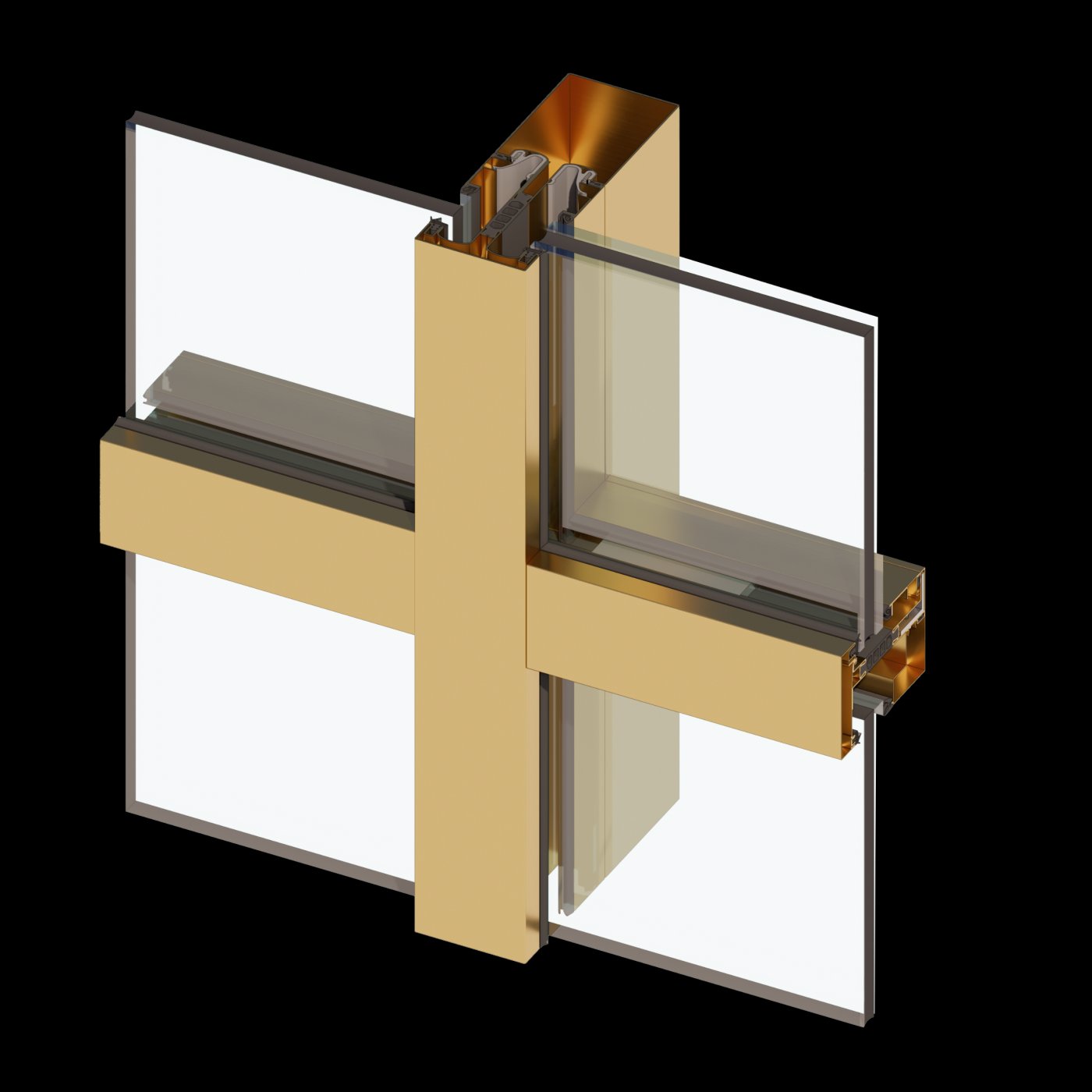
Silicone is prohibited in his systems, and the reasoning is durability rather than performance: silicone needs maintenance, and a building is a long-term proposition. Structural glazing goes for related reasons. What replaced both took fourteen years to develop and is what he calls hybrid – a trademark he pointed out has now been registered, with a warning about using the word loosely.
On testing he was blunter still. North American standards apply an inter-storey movement test that he says does not represent how buildings move: they do not travel up and down like a lift, they move laterally, and that is true in Brussels as much as in New York. His explanation for the gap is that standards committees are populated by the industry, and an industry will not adopt a standard it knows its products will fail. The consequence, in his account, is that a great many buildings leak.
The case against unitized
Unitized construction dates from the late 1960s, and Claeys's objection is economic before it is technical. High material cost; transport cost he described as astronomic – he cited a manufacturer turning over three billion with three hundred million of it in transport; and long pre-financing, because panels have to be made and stored months before they are installed. Fast installation is real, he accepts, but only on the condition that the panels already exist, and making and stocking them is where the money goes.

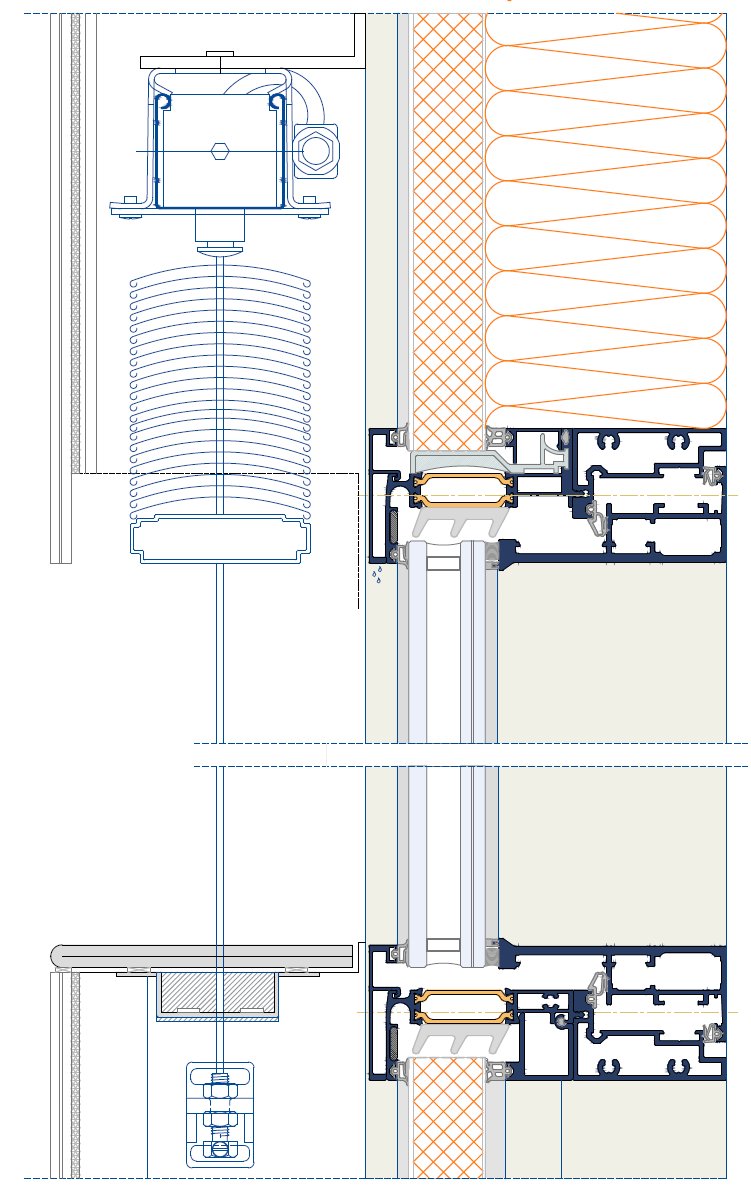
The argument that lands hardest is about what happens later. A curtain wall is a grid and some glass, and those have different lifespans: the grid is good for at least fifty years, the glass is not – and European regulation is pushing buildings towards carbon-free operation, which means glass coming out of façades that are nowhere near the end of their lives. Replacing glass in a unitized wall means dismantling it. In his system the glass is changed from the inside, like a window, for a fraction of the cost.
Which produced the line the talk turned on: the best circularity is no circularity. His example was a Porsche 911, first sold in 1963, of which he said 74 per cent are still in use – a product with no circularity problem because it was good enough not to need one. Recycling, on this reading, is what a material needs when it was the wrong material.
The rest is manufacturing. Two robotised plants are going up in the United States, running around the clock, which he put at roughly 30 million square feet a year, and fabrication at a minute a square foot rather than an hour. The reason he gave for automating was not labour cost but consistency: what leaves the line at two on Monday morning has to be the same as what leaves at nine on Sunday night.