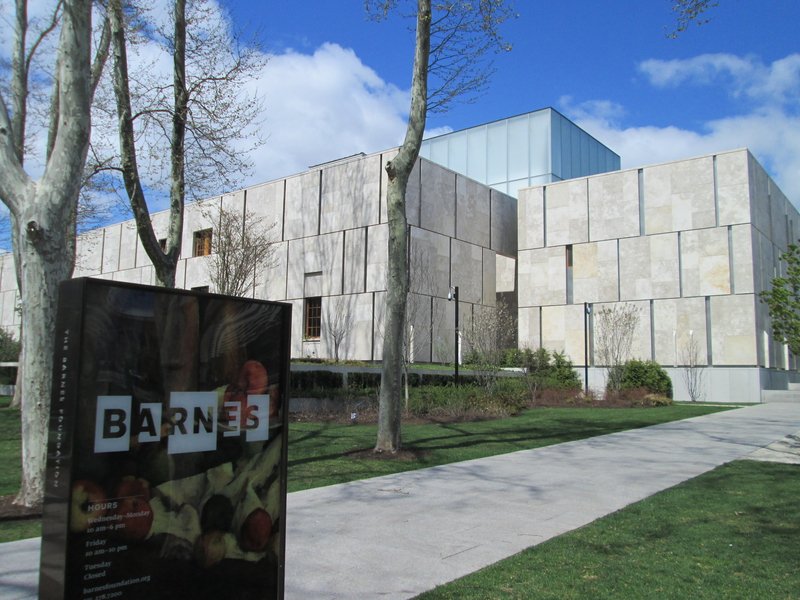
KR Suresh, of Avante Façade, treats timelessness as a material question: cast rather than extruded, open joints rather than silicone, and a finish that will still hold its texture in fifty years.
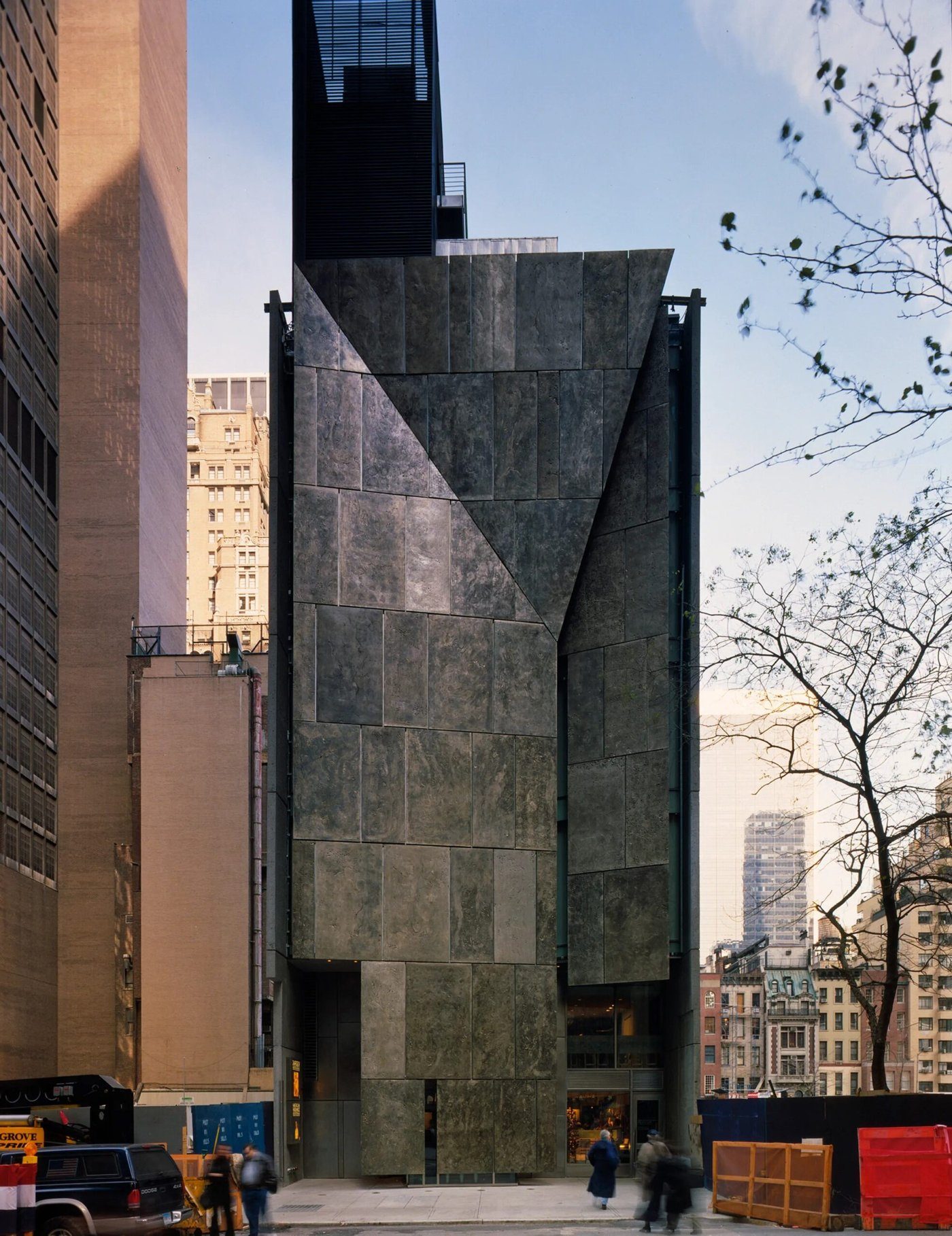
KR Suresh, of Avante Façade, took timelessness as a working problem rather than a compliment. Architects are asked for buildings that will still hold in fifty years, with fewer material options than they used to have and a supply chain that argues back. His first point was that it need not be the whole elevation: one element can be the thing people remember a building by.
His example was a hand-crafted cast bronze façade in Manhattan, since taken apart so the museum next door could extend into the space. When the barricades came off, people walked up and touched it, and the architect stood watching them do it.
Organic surfaces, and why the joints are open
A monolithic, monochromatic façade is flat by definition: extrusions or sheet. An organic surface has to be either cast or naturally variable, which is what makes every panel different from its neighbour. Looking up at one of these buildings gives a texture a standard commercial elevation cannot, and the same texture can be cast in concrete instead of metal.
The joints on that kind of façade are left open. Silicone in the joint stains and streaks, because of its high coefficient of friction, so nothing is sealed: the assembly drains on the rainscreen principle and water leaves rather than being trapped.
Materials that keep moving
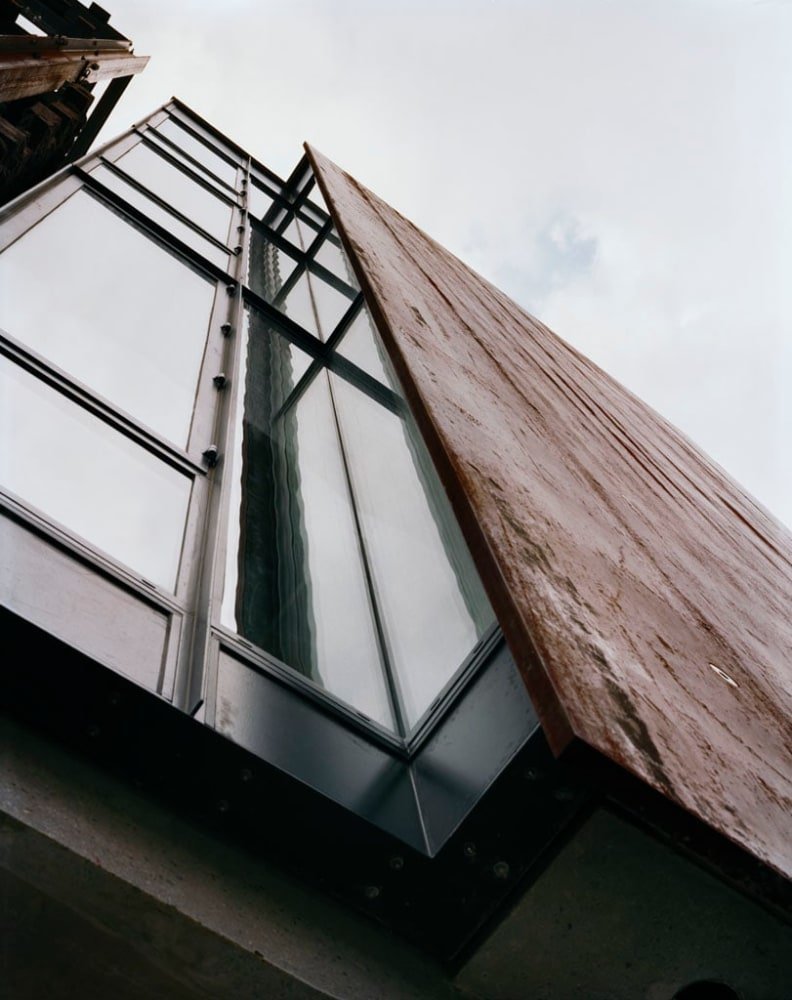
Weathering steel is chosen for the opposite of stability. Clients who use it expect the oxidation and accept that it will stain what sits below, because the material is ageless: in fifty years it will still look like itself, and it will look slightly different every year in between.
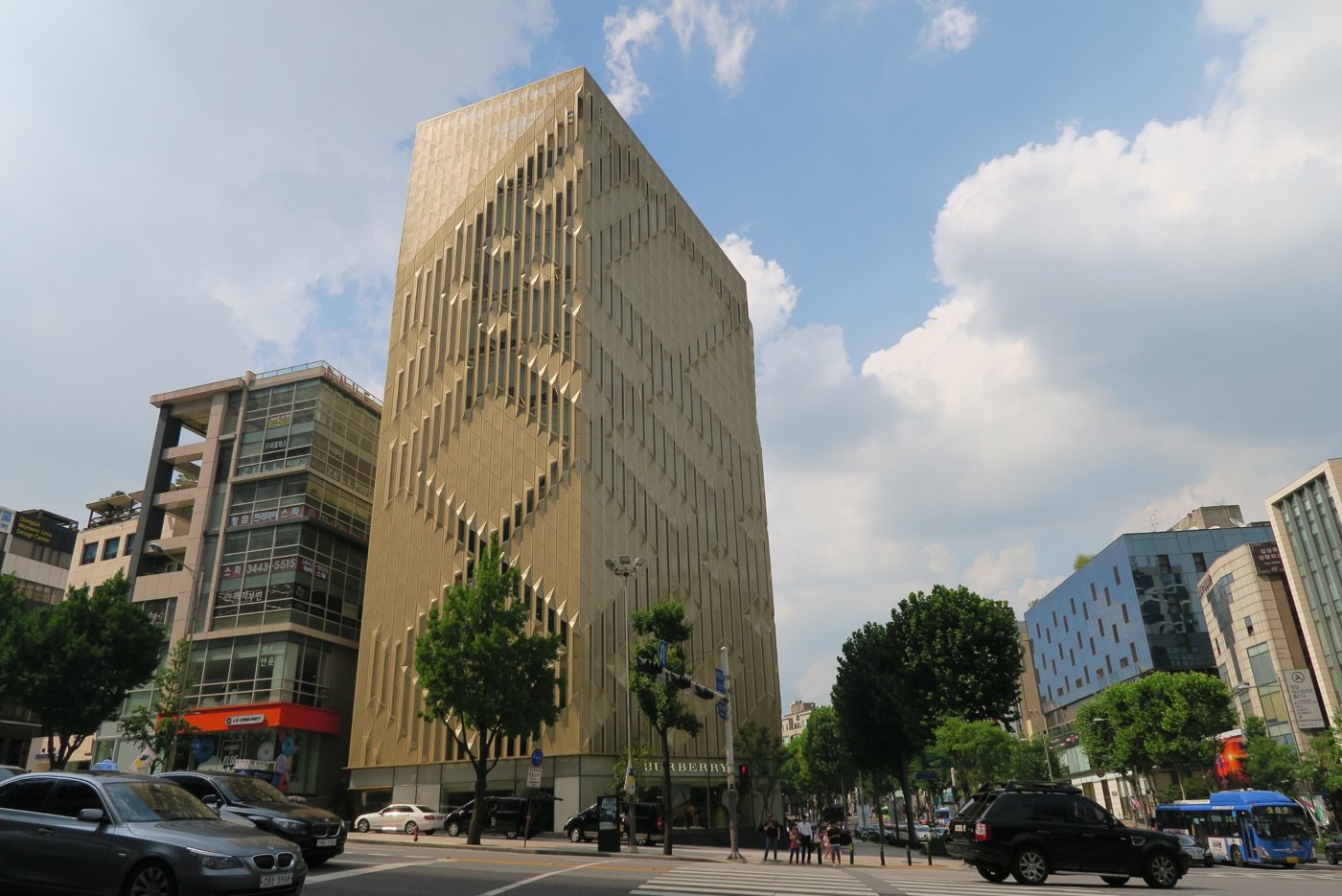
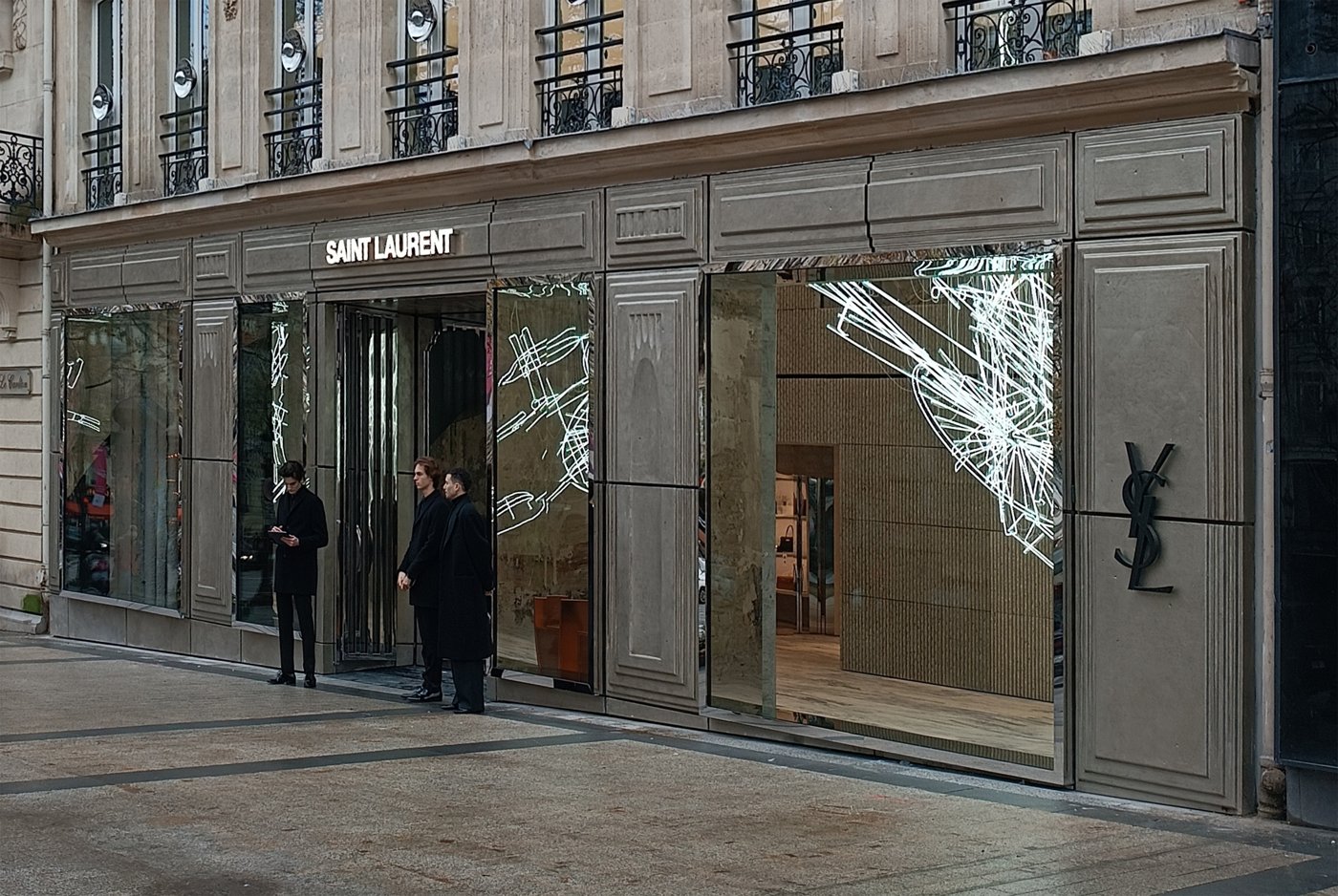
Retail gets the same thinking at closer range. On a Saint Laurent flagship, hand-crafted wooden panels were remade as cast white bronze, a rainscreen with unsealed joints, which gave the store an identity on its street. The bronze was worked so that a passer-by catches a glint of fabric off it, and someone walking past in red or blue is reflected in it. For a Dior store, an ordinary FRP panel was given a texture that reads from about three metres away and returns the house's fabric.
Day, night, and the fifty-year test
A building has to work in both lights. One façade of folded plates was crafted into a unitised system, which is awkward to install but gives the elevation one character by day and another after dark. At Thapar University, sandstone was articulated into a contemporary jali, a plate braced with tension and compression rods, detailed so the glass can be replaced from the inside rather than framed from without. At CJ Blossom in Seoul, a screen wraps three towers as a single ribbon, its support structure designed so that from inside all you see is a sleek profile. An East Asian library carries cast bronze screens in a rectilinear lattice that shades while letting filtered light through.
The last was limestone, with the reveals set so stainless steel catches the light against the stone pattern on a rainscreen. At night, lit through laminated glass with a translucent film, the building reads as a lantern. Which is Suresh's test: what do you want to be looking at in fifty years, and will the material still hold its shade and its texture then?