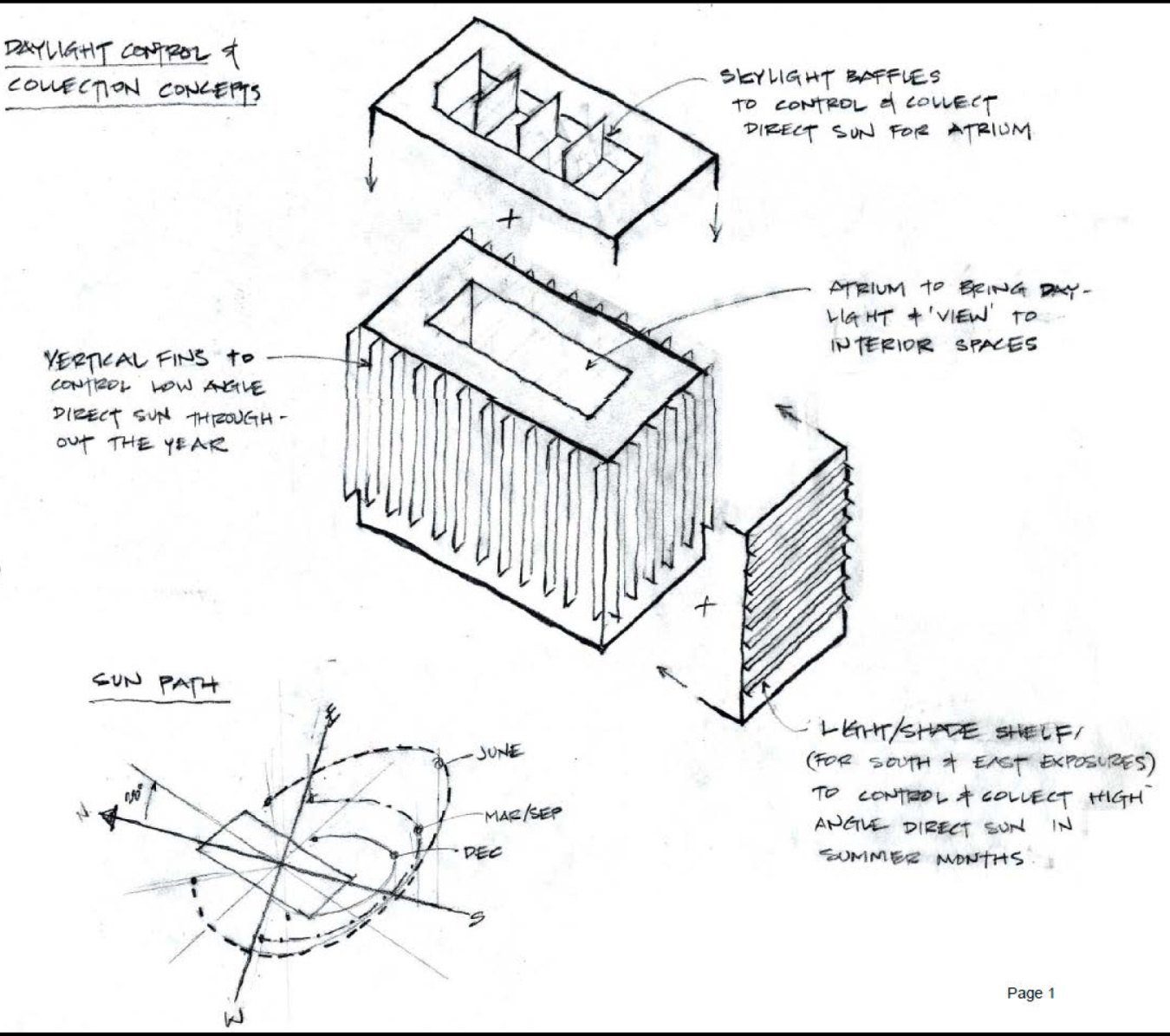
Good daylight, like good electric light, is layered, a pleated courthouse façade, inboard louvers, diffusing inner glass layers and storytelling frit each give occupants a range of ways to see. Lee Brandt, with other lighting and architecture practitioners, made the case.k out light and shade.
The premise is a simple one from lighting design: a monolithic, single-direction wash of light feels flat, and the fix is to layer it. Daylight works the same way. The façade is the first, boundary layer responding to the environment, but useful daylight usually needs more than one element working with it, to add interest, mediate light levels, address glare and still keep a view out.
Daylight in layers
Maldonado framed the residential end of that idea at The Brook, working the façade materiality to widen windows and let light reflect into the interiors; Jennifer Sage described an all-electric Maplewood library that opened toward an Olmsted park and used standard and custom frit to moderate the daylight, tripling the number of people who now come simply to sit in it.
A pleated façade for sun
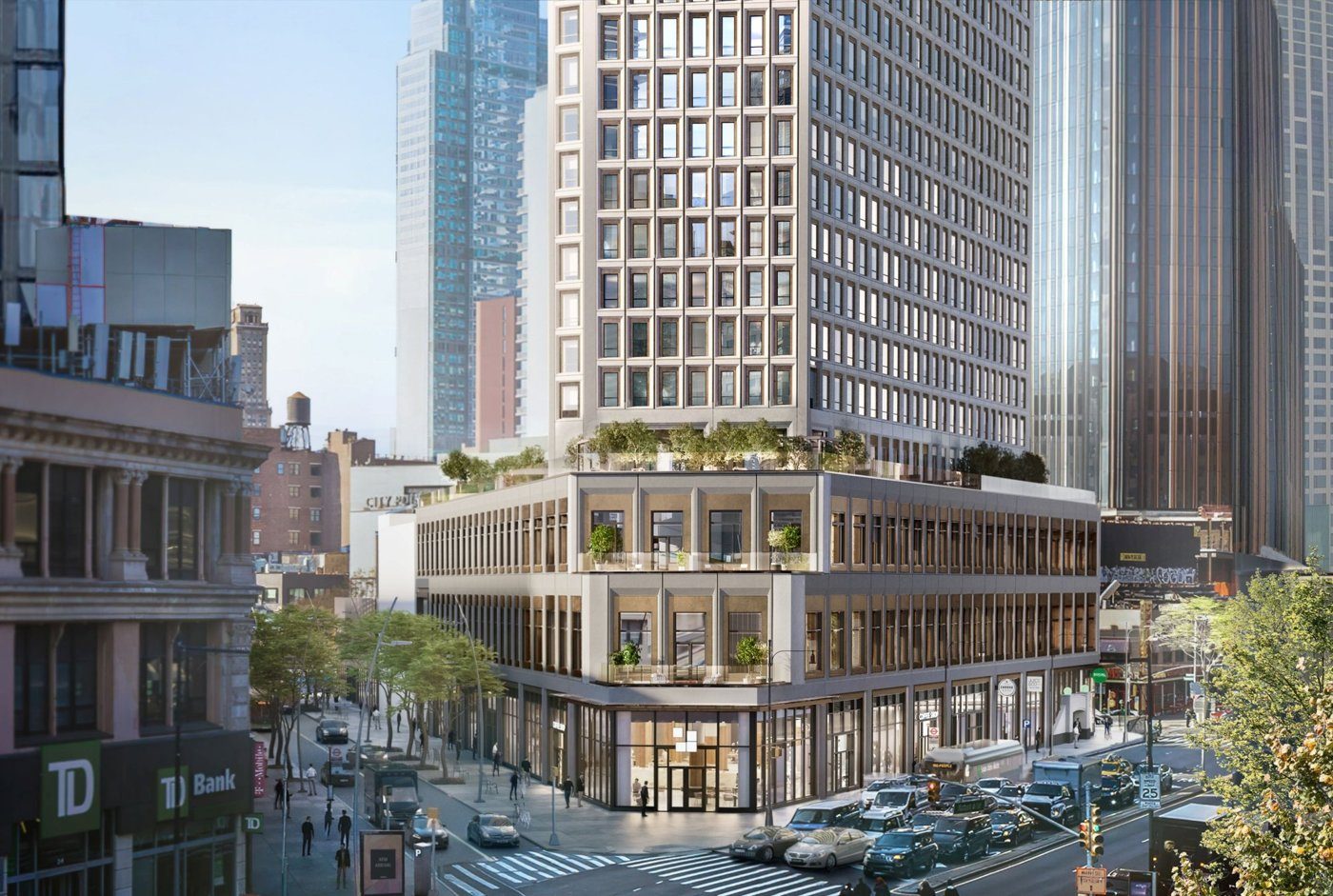
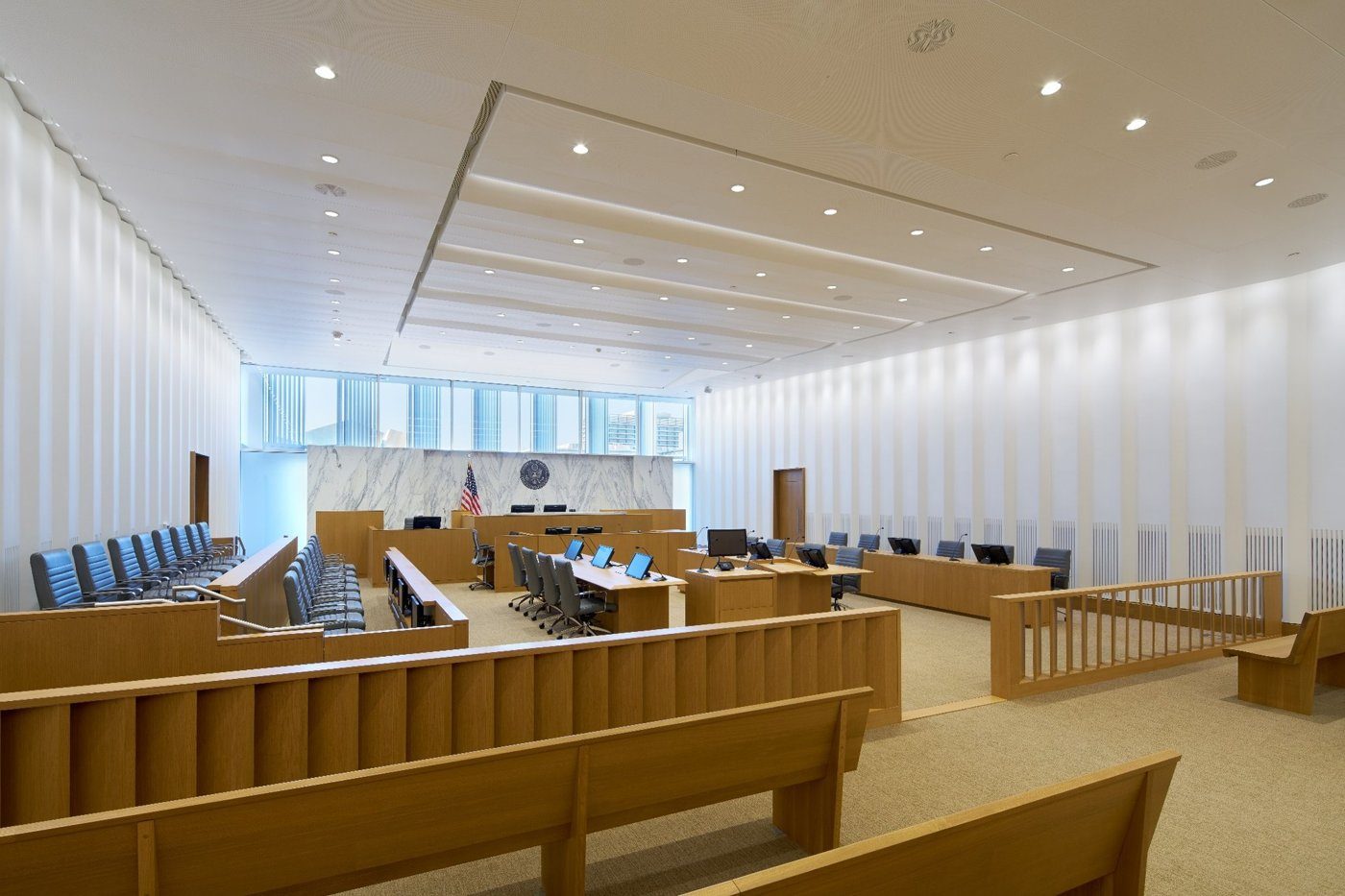
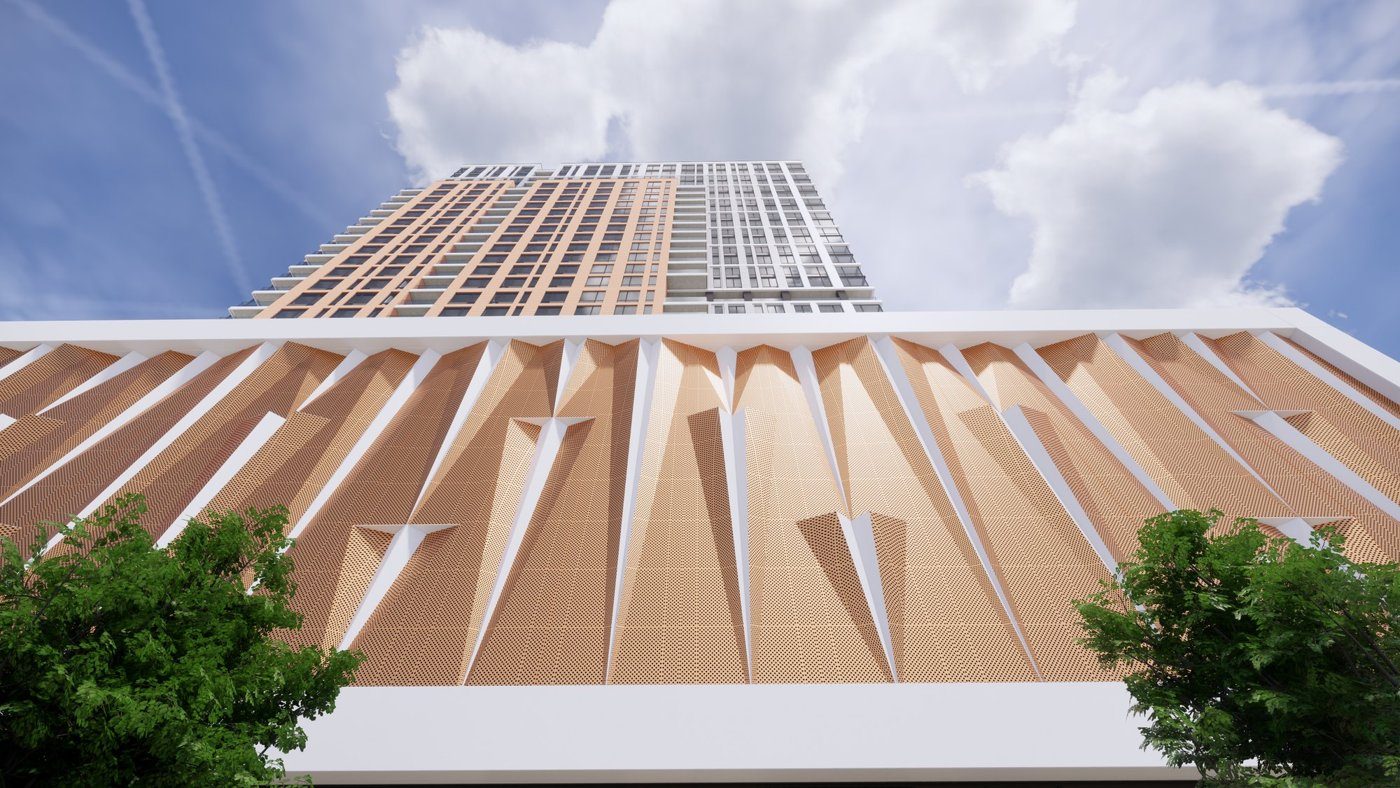
Christopher Steffens took the problem to its hardest case, a Los Angeles federal courthouse where a civic siting left the façades awkwardly placed for east-west sun. The team pleated the elevation, a crinkle-cut that reorients it around sun control and view, and built a kit of parts: a clear vision unit, a spandrel unit, and a shading unit, combined so that light shelves push daylight deep into some two dozen courtrooms while electric light brings it into balance with the room.
Louvers, inboard
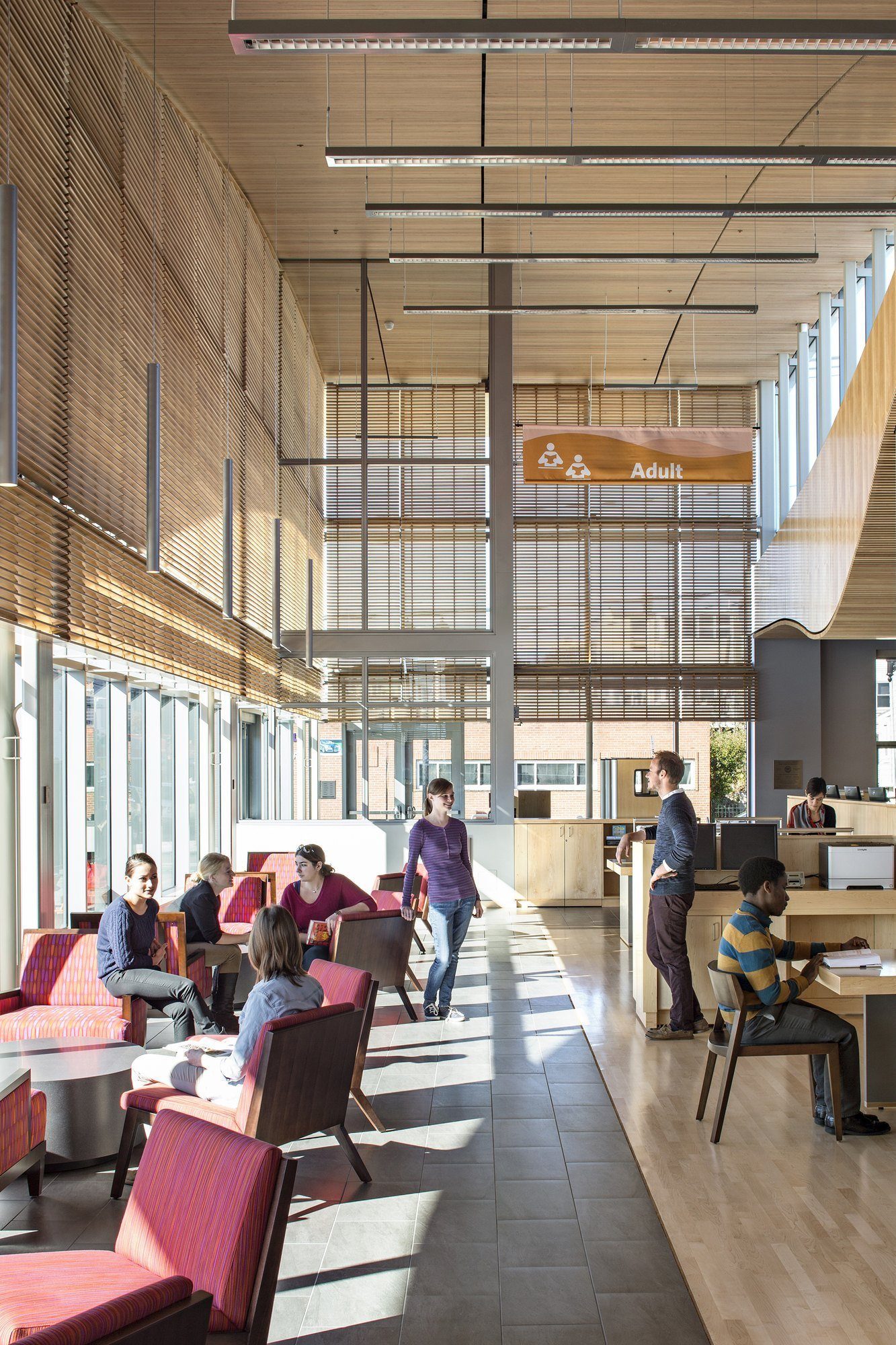
At an East Boston library facing south-west, Steffens used a dense, shallow louver system set just inside the glass, less visually heavy than deep external fins and more effective as a diffuser, breaking up direct sun and cutting glare. The louvers stop around head height so someone at the window keeps a clean view, and at night the same shading device is uplit to become part of the building's presence.
Inner layers and screens
Several projects reached for an inner diffusing layer in the glass itself. At airports in Portland and Orlando, a randomised translucency and a PVB inner layer dialled the visible-light transmittance for glare control at gate positions, and, increasingly, to balance the brightness of large interactive media screens against a daylit space. Maldonado and Sage showed a related move in perforated metal, where security screens for public buildings turn a vandal-resistance requirement into a play of light.
The most demanding version was the Met Museum's skylights, where, with Arup, three panes, frit and an intermediate diffusing layer protect the art beneath cumulative-illuminance limits, horizontal louvers running south and vertical north, and an extra layer blacking out the spaces that need it.
Frit as story
A favourite thread was frit as narrative. At a Staten Island track-and-field building, Sage layered a frit that reads as a pole-vaulter from a distance and dissolves into flora, fauna and figures up close, while doubling as bird-friendly glass to the American Bird Conservancy's spacing. And at Cooper Union, Steffens described making a monumental stair luminous so its surfaces complement the daylight by day and let the stair jump out through the mesh façade at night.