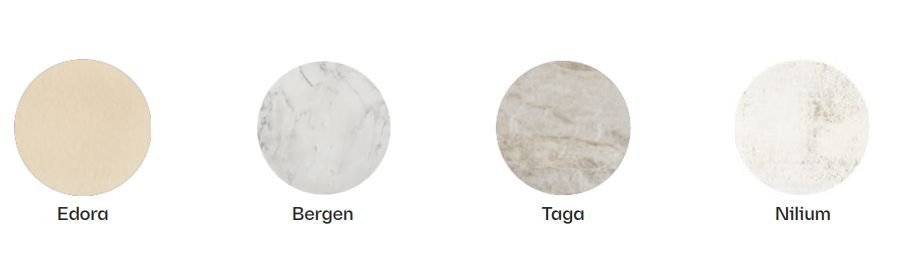
Mark Matusow presents ultracompact mineral panels as a durable, large-format cladding option, linking manufacturing, certification and panel size with the practical benefits of lighter support systems and fewer joints.
Large panels change support
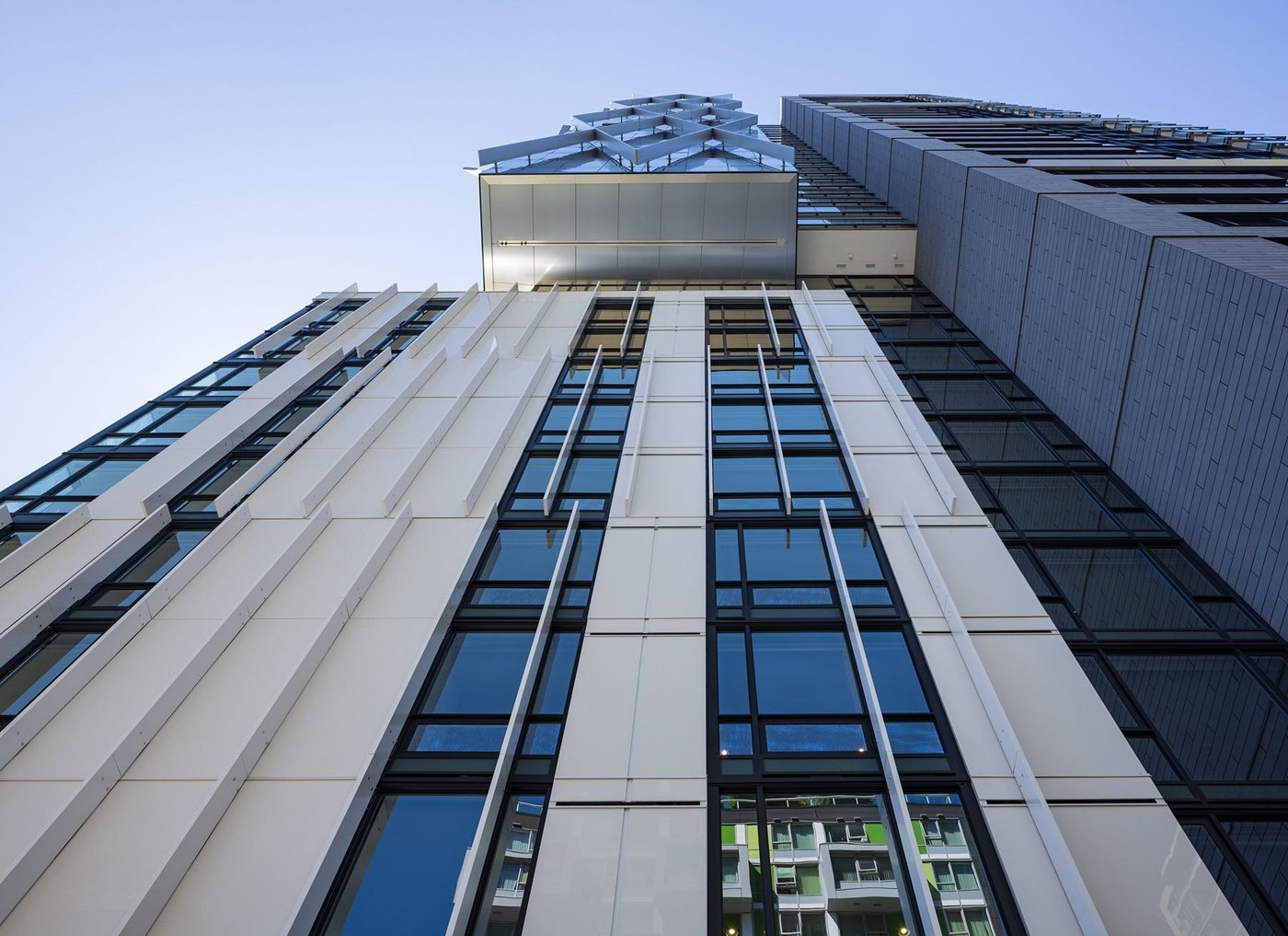
Ultracompact stone is manufactured under high pressure and heat to create dense mineral panels with low water absorption and strong resistance to weathering. Matusow emphasises large available formats, around five by ten feet in the examples, which allow designers to reduce the number of joints across an elevation. Fewer joints can simplify the visual field and reduce the number of locations where sealants, clips or alignment errors have to be managed.
Durability improves efficiency
The material is promoted for resistance to UV exposure, staining, freeze-thaw and other common façade conditions. Those properties matter because replacement cycles can dominate the long-term impact of cladding. A panel that remains visually and structurally stable for decades avoids not only new material production but also access, removal and disposal work.
Fixing still needs discipline
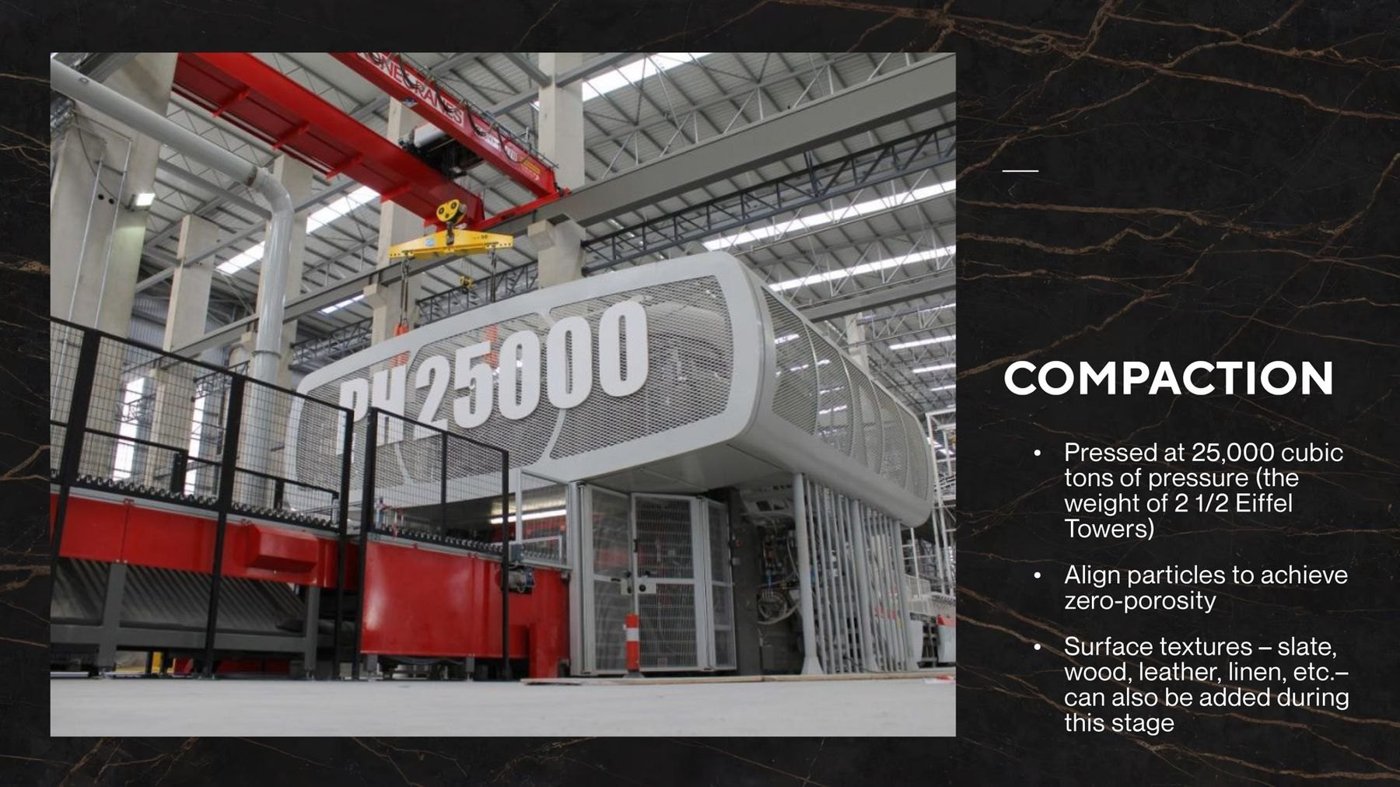
Large panels can be cut into smaller modules, stacked or arranged in segmented patterns, but every change in module affects support and tolerance. Edge distances, kerfs or anchors, cavity depth and thermal movement must be coordinated with the chosen layout. The panel’s strength does not remove the need for a robust attachment system behind it.
Fewer joints raise stakes
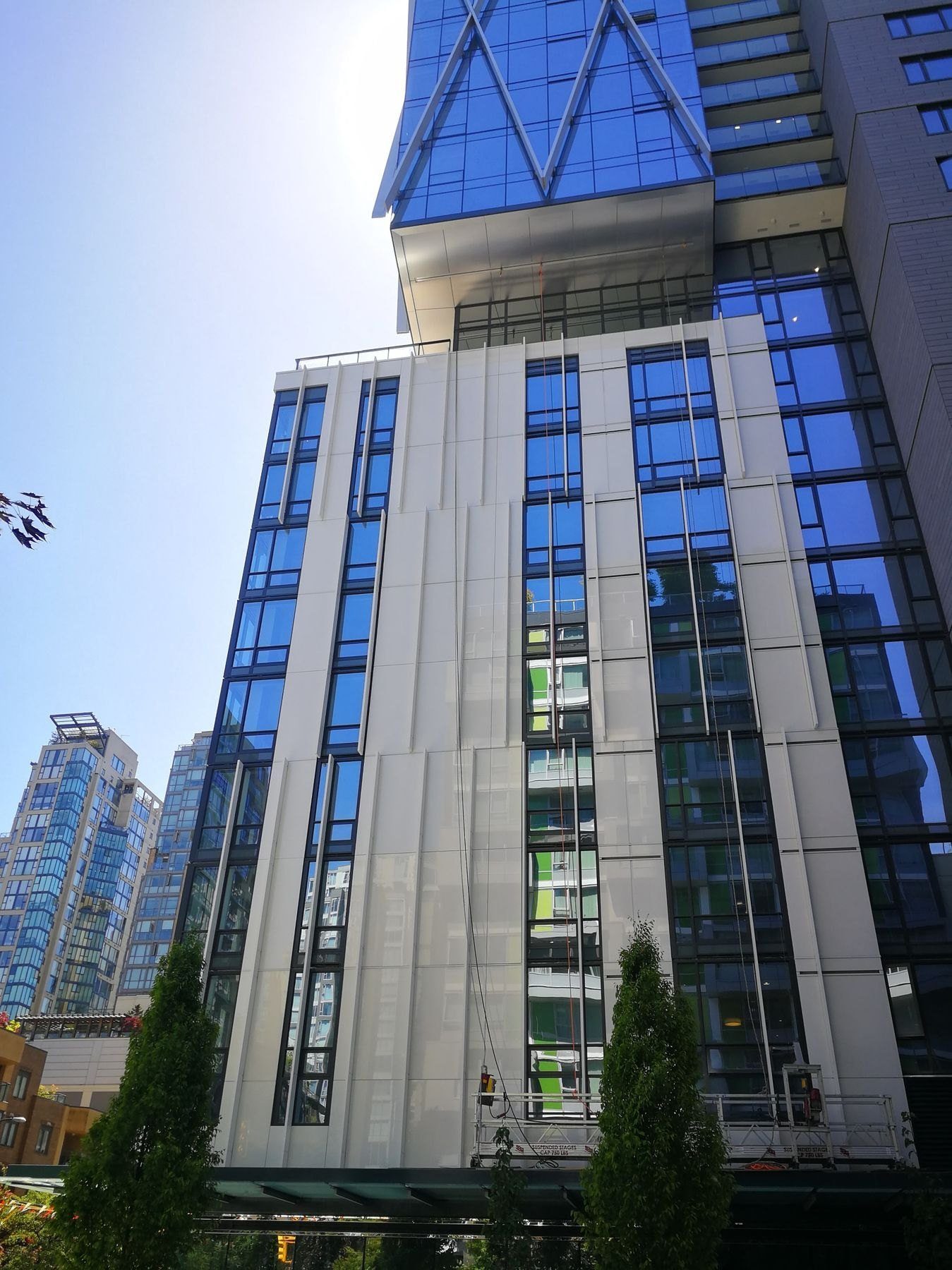
Ultracompact mineral panels are attractive partly because relatively thin material can be produced in large formats. That changes the visual scale of the façade and can reduce the number of panel joints across an elevation. Fewer joints may simplify cleaning and reduce the quantity of sealant or open-joint interfaces, but each individual panel becomes larger and more sensitive to support spacing, handling and impact. The subframe has to control deflection without over-constraining thermal movement. Large sheets also change fabrication yield. Cut sizes, openings and edge returns should be coordinated with the manufacturer's slab dimensions so that the project does not achieve a visually efficient elevation by producing avoidable off-cuts in the factory. Matusow's sustainability argument is strongest at that system level: material efficiency depends on panel layout, support quantity, replacement strategy and transport as well as the declared properties of the surface itself.
Replacement must stay practical
The material is promoted for resistance to UV, staining and weathering, qualities that can reduce refinishing and extend service intervals. Yet a durable face does not guarantee a durable façade. Anchors, kerfs, adhesives where used, rails and sealants may have different lives, and the design should allow a damaged panel to be removed without dismantling a large area. This is particularly important with large-format units, where local breakage can otherwise trigger disproportionate replacement work. Specification should therefore distinguish product claims from project performance. Certification and test data can establish material properties, while the façade engineer still has to verify wind load, edge distances, fixing geometry and movement for the actual panel size. The opportunity of ultracompact stone is to achieve a substantial visual surface with comparatively little material. Realising that advantage requires a light, disciplined support system and a maintenance strategy that preserves the long service life being claimed.